

The world’s oceans have long served as the primary buffer against the most severe impacts of anthropogenic climate change, acting as a massive heat and carbon reservoir. According to scientific consensus, these vast bodies of water have absorbed approximately 30% of human-generated carbon dioxide emissions and an estimated 90% of the excess heat trapped within the atmosphere. While this thermal inertia has slowed the warming of the air we breathe, it has fundamentally altered the chemistry and temperature of the marine environment. This transformation is now facilitating the proliferation of hazardous biological threats, most notably the Vibrio genus of bacteria. As coastal waters warm and salinity levels fluctuate, public health authorities are warning that these pathogens are migrating into territories where they were previously unknown, posing a direct and escalating threat to human life.
The Biological Profile of a Climate-Driven Pathogen
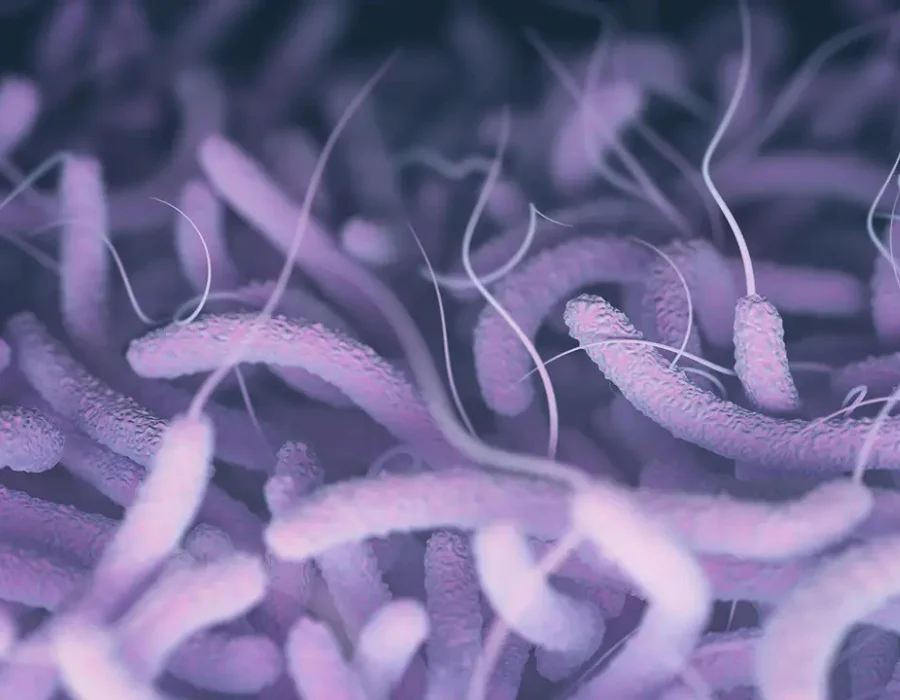
Vibrio bacteria are a genus of Gram-negative bacteria that naturally inhabit coastal and estuarine environments worldwide. They are halophilic, or "salt-loving," typically thriving in brackish waters where fresh river water meets the salty sea. Unlike many other pathogens that are introduced to the ocean through pollution or runoff, Vibrio are indigenous to the marine ecosystem. However, their activity and population density are highly sensitive to environmental variables, specifically temperature and salinity.
Among the various species, Vibrio vulnificus is the most concerning to medical professionals. Often referred to in popular media as "flesh-eating bacteria," V. vulnificus can cause necrotizing fasciitis, a severe infection where the soft tissue surrounding the muscle dies. While many Vibrio infections, collectively known as vibriosis, result in standard gastrointestinal distress—including diarrhea, vomiting, and abdominal pain—the more aggressive strains can enter the bloodstream through open wounds or the consumption of raw shellfish. Once systemic, the infection can become fatal within 48 to 72 hours, particularly for individuals with compromised immune systems or underlying liver disease.
Statistical Trends and the 2024 Surveillance Data
The U.S. Centers for Disease Control and Prevention (CDC) has monitored a steady increase in the incidence of vibriosis over the last two decades. In 2024, the surveillance data revealed a total of 3,743 reported cases across the United States. Of these, 222 cases were identified as the highly dangerous Vibrio vulnificus strain. Historically, these infections were concentrated in the warm waters of the Gulf of Mexico. However, the 2024 data highlights a significant shift: states along the Atlantic Coast now account for the largest share of reported infections.
Public health experts caution that these figures represent only the "tip of the iceberg." Because many cases of mild vibriosis present as routine food poisoning, they are frequently managed at home without clinical testing or formal reporting. Furthermore, the rapid onset of V. vulnificus infections means that in some tragic instances, the cause of death is only identified post-mortem, if at all. The upward trajectory of these statistics correlates closely with the record-breaking sea surface temperatures recorded over the past several years.
A Chronology of Geographic Expansion
The movement of Vibrio into higher latitudes is not a sudden phenomenon but rather the result of a decades-long environmental shift.
- The Early 2000s: Vibrio infections were largely localized to tropical and subtropical regions. In the United States, the Gulf Coast was the primary epicenter, with occasional cases in the southern Atlantic states during peak summer months.
- 2012 – The Baltic Sea Breakthrough: A landmark study published in Nature Climate Change documented a series of unusual Vibrio outbreaks in the Baltic Sea, a region previously considered too cold for the pathogen. Scientists linked these outbreaks to a period of unprecedented sea-surface warming, providing the first definitive evidence that climate change was expanding the pathogen’s range toward the poles.
- 2015-2020 – The Northeastern Shift: Residents and health officials in New York, New Jersey, and Connecticut began reporting indigenous cases of V. vulnificus. These cases were not linked to travel to warmer climates, indicating that the bacteria had established permanent populations in the warming estuaries of the North Atlantic.
- 2024 – Current State: The CDC’s latest reports confirm that the "Vibrio line" has moved significantly northward. The combination of rising sea levels, which pushes salt water further into freshwater systems, and rising temperatures has created a "perfect storm" for bacterial colonization in the Northeast.
The Oceanographic Catalyst: NASA and the Heat Content Indicator
The primary driver behind this biological expansion is the sheer volume of energy being absorbed by the ocean. NASA’s Earth Observatory identifies ocean heat content (OHC) as one of the most critical indicators of climate change. Unlike surface temperatures, which can fluctuate with seasonal weather patterns, OHC measures the energy stored at various depths.
About 90% of the excess heat trapped by greenhouse gases over the past century is currently stored in the ocean. This heat does more than just warm the water; it changes the physical structure of the sea. Warmer water is less dense, leading to increased stratification, which prevents the mixing of cold, nutrient-rich deep water with the warmer surface layers. This creates a stable, warm, and often low-oxygen environment in coastal areas—conditions that Vibrio species are uniquely adapted to exploit. Additionally, the melting of polar ice and increased rainfall intensity (both results of a warming atmosphere) lead to lower salinity in coastal waters, further expanding the "brackish" habitats where Vibrio thrives.
Scientific Analysis: Vibrio as a Model Organism
Beyond the immediate health risks, researchers are increasingly viewing Vibrio as a "sentinel" or model organism for understanding the broader intersection of climate change and infectious disease. A 2024 review published in PLOS Pathogens argues that the study of Vibrio provides a blueprint for how environmental shifts reshape the landscape of human health.
By analyzing how Vibrio responds to temperature spikes, salinity drops, and extreme weather events like hurricanes (which often trigger outbreaks due to storm surges and flooding), scientists can predict how other waterborne and vector-borne diseases might behave. The "Vibrio model" suggests that the spread of disease is not a linear progression but a complex interaction of ecological niches, human behavior, and rapid microbial evolution. This research is vital for developing predictive models that can warn coastal communities when conditions are optimal for bacterial blooms.
Economic and Societal Implications
The rise of Vibrio carries significant economic consequences, particularly for the global seafood industry. Shellfish, such as oysters and clams, are filter feeders that can concentrate Vibrio bacteria in their tissues. As waters warm, the window for safe harvesting narrows. Many fisheries have been forced to implement more stringent cooling and processing requirements, increasing operational costs. In some instances, entire harvesting areas have been closed due to the presence of V. vulnificus, leading to substantial revenue losses for coastal economies.
Furthermore, the "flesh-eating" reputation of the bacteria can have a chilling effect on coastal tourism. Public beaches that report Vibrio sightings or infections often see a decline in visitors, impacting local businesses from hotels to recreational fishing charters. The cost of healthcare also rises, as V. vulnificus infections often require intensive care, multiple surgeries for debridement, and long-term rehabilitation for survivors who may suffer limb loss or permanent organ damage.
The Future of Public Health and Policy
The emergence of Vibrio in new waters presents a daunting challenge for health authorities who must now pivot from reactive treatment to proactive risk management. Effective communication is the cornerstone of this strategy. Authorities face the difficult task of educating the public about the risks—such as avoiding seawater with open wounds or properly cooking seafood—without causing unnecessary panic that could harm local economies.
Policy-level interventions are also becoming a necessity. This includes:
- Enhanced Surveillance: Expanding the network of water-testing sites to include northern latitudes and inland brackish waterways.
- Clinical Training: Educating healthcare providers in non-traditional Vibrio zones to recognize the symptoms of vibriosis early, as rapid antibiotic intervention is the only way to prevent mortality in severe cases.
- Infrastructure Investment: Improving wastewater management to prevent nutrient runoff, which can fuel bacterial growth, and updating seafood safety regulations to reflect the reality of warmer oceans.
The oceans’ capacity to absorb humanity’s environmental footprint has provided a temporary reprieve from the full force of atmospheric warming, but that buffer is reaching its limit. The transformation of marine environments is no longer a distant scientific prediction; it is a current reality manifested in the microscopic world of pathogens. The rise of Vibrio is a stark reminder that the health of the oceans and the health of humanity are inextricably linked, and as the waters warm, the boundary between the two becomes increasingly perilous.
