

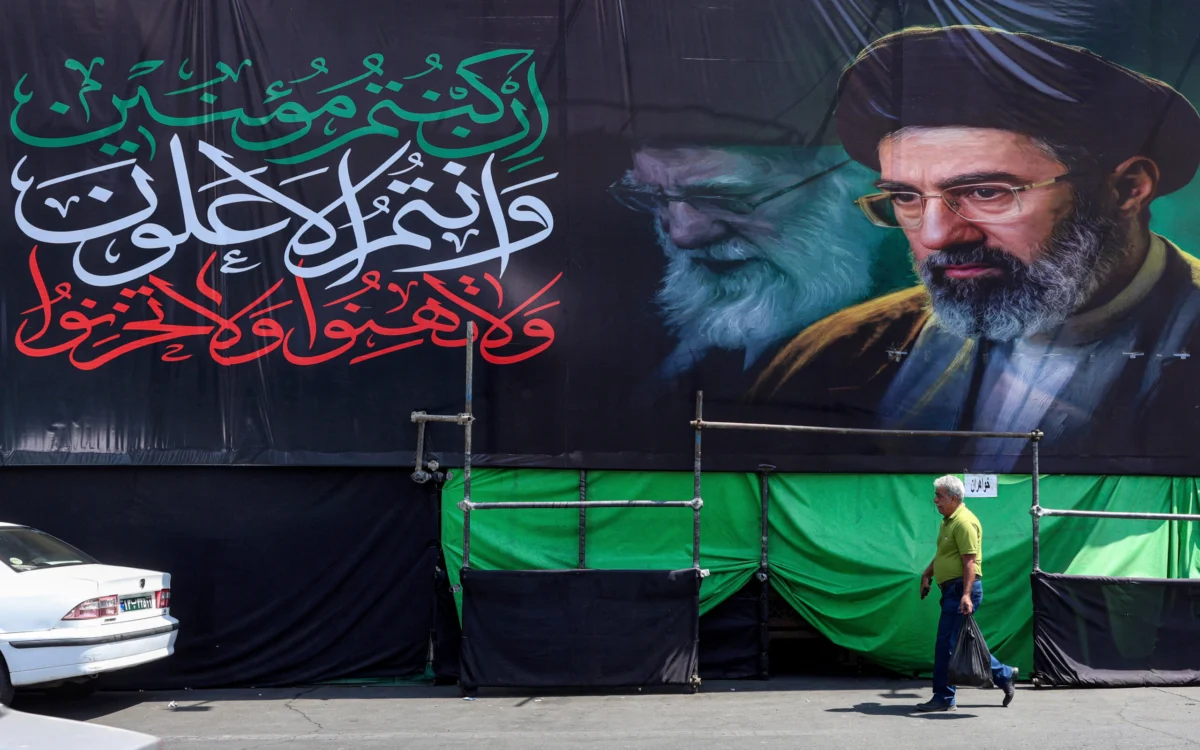
Tehran has formally outlined its non-negotiable preconditions for engaging in any final deal talks, demanding an immediate cessation of hostilities in Lebanon, the waiver of all Washington-imposed oil sanctions, and the unconditional release of frozen Iranian funds. The declaration, made on July 1, 2026, arrives amidst a deeply volatile regional landscape marked by a direct, ongoing conflict between Iran and a US-Israeli coalition, and just as the Islamic Republic prepares for the state funeral of its late Supreme Leader, Ayatollah Ali Khamenei, who was tragically killed in a targeted strike on February 28. The stern stance signals a hardening of Iran’s diplomatic position, presenting significant hurdles to any prospective de-escalation or long-term resolution.
Escalation and Iran’s Demands
The pronouncement from Tehran comes at a critical juncture, following months of intense military engagement and a severe humanitarian crisis across the Middle East. The Iranian government, now under the leadership of Supreme Leader Mojtaba Khamenei, emphasized that these conditions are fundamental to creating an environment conducive to meaningful negotiations. The demand to end hostilities in Lebanon directly addresses the protracted and devastating conflict between Israel and Hezbollah, which has intensified dramatically since late February. This particular front has seen daily exchanges of fire, significant civilian casualties, and widespread displacement, threatening to spiral into a full-scale regional war. Hezbollah, a powerful Iranian-backed Shiite political party and militant group, has been a central actor in the broader conflict, drawing significant Israeli military responses.
The second condition, the waiver of oil sanctions, underscores the severe economic pressure Washington has exerted on Iran for years, further exacerbated by the ongoing conflict. These sanctions have crippled Iran’s vital oil export industry, significantly curtailing its revenue streams and contributing to widespread economic hardship within the country. Iran views the lifting of these sanctions not merely as an economic relief measure, but as a prerequisite for demonstrating good faith and a genuine commitment to diplomatic engagement from the United States. Estimates from the Iranian Central Bank suggest that the country’s oil revenues have plummeted by over 70% since the most stringent sanctions were re-imposed, with the economy contracting by an estimated 15% in the first quarter of 2026 alone.
Finally, the demand for the release of frozen Iranian assets, believed to total tens of billions of dollars held in various international banks, is seen by Tehran as an imperative for economic stabilization and a move to address what it considers illegal confiscation of its national wealth. These funds, largely blocked due to US sanctions, are crucial for Iran’s ability to finance imports, undertake infrastructure projects, and alleviate domestic economic pressures. The Iranian Ministry of Foreign Affairs stated that these assets are essential for humanitarian needs and national reconstruction efforts, which have been severely impacted by the recent conflict.
A Conflict’s Genesis: The Assassination of Ali Khamenei
The current crisis escalated dramatically on February 28, 2026, a date now seared into the collective memory of the Middle East. On that day, a precision strike, attributed by Tehran to a joint US-Israeli operation, targeted a high-level meeting in Tehran, resulting in the death of Ayatollah Ali Khamenei, Iran’s long-serving Supreme Leader. This unprecedented event, the assassination of a sitting Supreme Leader, immediately plunged the region into an even deeper abyss of instability.
The initial hours and days following the strike were marked by chaos and intense speculation. Iran swiftly vowed "severe revenge," and within 24 hours, launched a barrage of missiles and drones targeting US military bases in the Gulf and strategic sites within Israel. This retaliatory strike, while largely intercepted, signaled the unequivocal start of what Tehran termed "the US-Israeli war against Iran." The world watched in horror as tit-for-tat escalations rapidly transformed long-standing proxy conflicts into direct military confrontations.
Chronology of Escalation (February – July 2026)
- February 28, 2026: Ayatollah Ali Khamenei is killed in a targeted strike in Tehran. Iran declares the start of direct conflict with the US and Israel.
- March 1-3, 2026: Iran launches retaliatory strikes against US and Israeli targets. Global condemnation and calls for de-escalation from the UN, EU, and various world powers.
- March 4, 2026: Emergency session of the Iranian Assembly of Experts. Mojtaba Khamenei, son of the late Supreme Leader, is swiftly appointed as the new Supreme Leader, ensuring a rapid and seemingly seamless transition of power despite the crisis. This move was seen as a strategic decision to maintain stability and project strength.
- March 5-15, 2026: Intensive aerial bombardments by Israel and the US against military installations and alleged nuclear sites within Iran. Iran responds with further missile launches and drone attacks, primarily targeting shipping in the Strait of Hormuz and energy infrastructure in the Gulf.
- March 10, 2026: Hezbollah launches a major offensive against northern Israel, citing solidarity with Iran and retaliation for Israeli actions in Gaza and Syria. This opens a significant new front, drawing considerable Israeli military resources.
- Late March – April 2026: Naval skirmishes in the Persian Gulf intensify, affecting global oil prices and shipping routes. Cyberattacks targeting critical infrastructure become rampant across all belligerent nations. Humanitarian organizations report a rapidly deteriorating situation in Lebanon, Gaza, and parts of Iran due to relentless bombing and blockades.
- May 2026: International diplomatic efforts, led by the United Nations and several European nations, attempt to broker a ceasefire. Several rounds of indirect talks collapse as both sides refuse to yield on core demands. The US maintains that Iran must cease its "destabilizing activities" before any sanctions relief can be considered.
- June 1-20, 2026: Fighting in Lebanon reaches unprecedented levels, with civilian areas heavily impacted. The UN Security Council passes a resolution condemning the violence and calling for an immediate ceasefire, but it is largely ignored by the warring parties.
- June 25, 2026: Iranian officials confirm preparations for the state funeral of Ayatollah Ali Khamenei, scheduled for early July, transforming Tehran into a city of mourning and defiance.
- June 30, 2026: Mourning banners depicting both the late Ali Khamenei and the new Supreme Leader Mojtaba Khamenei are erected across Tehran, reflecting both grief and the continuity of leadership.
- July 1, 2026: Tehran officially announces its conditions for initiating final deal talks, coinciding with the solemn occasion of the late Supreme Leader’s funeral.
Supporting Data and Economic Impact
The conflict has had a catastrophic impact on the global economy and regional stability. Global crude oil prices surged to over $150 per barrel in May, with projections indicating further increases if the conflict persists. Shipping insurance premiums for vessels traversing the Strait of Hormuz have skyrocketed by over 1000%, leading to significant supply chain disruptions.
Within Iran, the economic toll is particularly acute. The combination of pre-existing sanctions and the new military conflict has led to hyperinflation, with official figures reporting an annual inflation rate of 85% by June 2026. Unemployment has soared, particularly among the youth, reaching an estimated 35%. International Monetary Fund (IMF) projections, revised in mid-June, indicate that Iran’s economy is expected to shrink by an additional 10% by the end of 2026 if current conditions prevail. Frozen Iranian assets in foreign banks are estimated to be around $80-100 billion, a critical lifeline that Tehran desperately seeks to reclaim.
The humanitarian crisis is equally stark. The UN Office for the Coordination of Humanitarian Affairs (OCHA) reported over 2 million internally displaced persons (IDPs) in Lebanon by mid-June, with thousands killed and hundreds of thousands of homes destroyed. In Iran, while official figures are scarce, unofficial reports suggest significant civilian casualties from aerial bombardments, particularly in industrial zones and port cities. Access to essential medical supplies and food has become increasingly challenging due to blockades and disrupted supply lines.
Official Responses and International Reactions
The immediate reaction to Tehran’s demands from Washington and Tel Aviv has been one of skepticism, bordering on outright rejection. A spokesperson for the US State Department stated that "Iran’s preconditions are unrealistic and represent a fundamental misunderstanding of the path to de-escalation. The onus remains on Tehran to cease its aggressive actions and support for proxy groups across the region." The statement reiterated US commitment to "safeguarding regional allies" and maintaining "freedom of navigation" in international waters.
From Jerusalem, Israeli officials echoed similar sentiments. A statement from the Prime Minister’s office asserted, "Israel will not negotiate under duress. Our operations in Lebanon are defensive, aimed at neutralizing the existential threat posed by Hezbollah, an Iranian proxy. The demands from Tehran are an attempt to legitimize their terror network and undermine regional security."
The United Nations Secretary-General, António Guterres, expressed "deep concern" over the latest developments, urging all parties to "exercise maximum restraint and engage in constructive dialogue without preconditions." He reiterated calls for an immediate ceasefire across all fronts and emphasized the urgent need for humanitarian access to affected populations. Several European Union member states have also called for de-escalation and a return to diplomatic channels, with some advocating for a conditional lifting of sanctions as part of a broader peace framework. However, a unified international approach remains elusive, largely due to deep divisions within the UN Security Council.
Broader Impact and Implications
Iran’s firm declaration introduces a new layer of complexity to an already intractable conflict. The demands, particularly concerning Lebanon and sanctions, are deeply entrenched issues that have fueled regional tensions for decades. The death of Ayatollah Ali Khamenei and the subsequent succession of Mojtaba Khamenei, while seemingly smooth, has undoubtedly altered the internal political dynamics of Iran, potentially leading to a more assertive and less flexible foreign policy stance in the face of perceived external aggression.
Geopolitically, the conflict has reshaped alliances and deepened existing divides. The US-Israeli alignment has solidified, while Russia and China have adopted more cautious positions, primarily calling for de-escalation without directly condemning either side. The prolonged conflict threatens to destabilize not only the immediate region but also global energy markets, international trade, and the fragile frameworks of international law. The absence of a clear path to negotiations, coupled with Iran’s unyielding stance, suggests that the conflict is far from over and may yet intensify, with profound implications for millions of lives and the future of global security. The coming weeks, particularly following the solemn period of mourning in Iran, will be critical in determining whether any diplomatic off-ramps can be found or if the region is destined for further, perhaps irreversible, escalation.
