

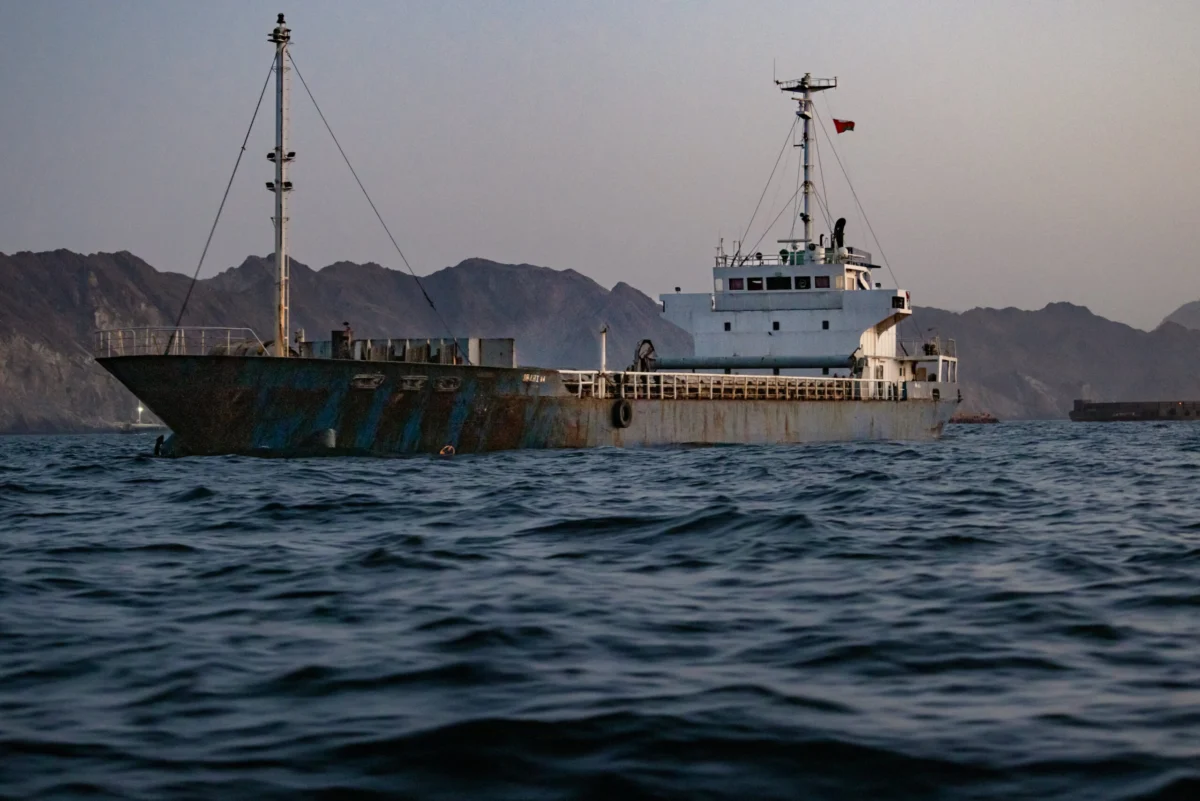
Oil tankers and cargo vessels remain anchored off Port Sultan Qaboos on June 21, 2026 in Muscat, Oman. Elke Scholiers | Getty Images
Tehran Intensifies Control Over Vital Waterway Amidst Emerging Navigation Debates
Muscat, Oman – June 23, 2026 – Iran’s Islamic Revolutionary Guard Corps (IRGC) issued a stark warning on Wednesday to shipowners, declaring any new transit routes established through the Strait of Hormuz without explicit coordination with Tehran as "unacceptable and dangerous." The IRGC further threatened punitive actions against vessels that disregard its directives, signaling a resolute stance to maintain its perceived authority over the strategically vital waterway.
This stern declaration underscores Iran’s determination to assert control over the Strait of Hormuz and to resist any navigational maneuvers that bypass its authorization. It also highlights the persistent uncertainty facing the global shipping industry, particularly for those operating in this critical chokepoint, even in the wake of a recent memorandum of understanding between the United States and Iran aimed at facilitating the reopening of the energy artery.
According to reports from Iranian local media, the IRGC Navy stated unequivocally that only shipping routes designated by Iran are permissible for passage. Furthermore, the corps emphasized that mandatory coordination with Iranian forces must be conducted through a designated communication channel. "Navigation outside these routes is highly dangerous and prohibited, and we warn all vessels to strictly avoid any movement outside the designated corridors," the IRGC Navy declared, as cited in the reports.
A Contested Waterway: Background and Chronology
The Strait of Hormuz, a narrow sea passage connecting the Persian Gulf to the Gulf of Oman, is one of the world’s most critical maritime chokepoints, through which approximately 20% of global oil consumption passes. Its strategic importance has made it a recurring flashpoint in regional geopolitics, particularly concerning Iran’s assertiveness in controlling maritime traffic.
The current tensions appear to be escalating following a period of heightened activity and navigation recommendations for vessels transiting the strait. On Saturday, a key naval information group had proposed alternative shipping corridors, advising shipowners to consider transiting the strait along the southern route, which runs along Omani territorial waters. This recommendation, detailed in a JMIC Advisory Note, specifically requested vessels to keep their transponder signals activated. The advisory explicitly stated, "The southern transit route, along Omani [territorial waters], has been confirmed clear of mines and is the recommended route."
This proposal for alternative routes signals an attempt by international maritime bodies and potentially allied nations to provide clearer and potentially safer passage options amidst lingering concerns about security and accessibility within the Strait. The fact that a specific recommendation was issued suggests that existing designated routes may have been perceived as insufficient or carrying higher risks by some stakeholders.
Shifting Traffic Patterns and Lingering Caution

Despite the IRGC’s strong pronouncements, data from ship-tracking services indicates a tentative recovery in maritime traffic through the Strait of Hormuz. According to MarineTraffic, a leading ship-tracking data provider, transits tripled to 93 vessels over the past weekend, compared to a similar preceding period. However, these figures remain significantly below pre-war levels, when more than 100 ships typically transited the Strait daily. This disparity suggests that while some vessels are resuming passage, a full return to normal operational patterns has not yet occurred.
MarineTraffic further confirmed 31 verified crossings on Tuesday by commercial and energy-laden vessels. The firm noted that shipowners are currently employing a mix of Iranian, Omani, and International Maritime Organization (IMO) route patterns through the chokepoint. "Operators are still moving cautiously rather than returning to fully normal traffic patterns," MarineTraffic stated on Thursday, underscoring the cautious approach adopted by the industry. This indicates a complex operational environment where different navigational protocols are being simultaneously utilized, likely reflecting a strategy to balance transit efficiency with risk mitigation.
U.S. Stance and Sanctions
The United States has consistently opposed any Iranian attempts to unilaterally control or impose tolls on maritime traffic through the Strait of Hormuz. In May, the U.S. Treasury Department sanctioned Iran’s Persian Gulf Strait Authority, characterizing the move as an effort to "extort global maritime trade." Treasury Secretary Scott Bessent at the time issued a strong warning that Washington would not tolerate any tolling system on Hormuz, vowing aggressive action against any parties involved.
This U.S. action reflects a broader strategic objective to ensure freedom of navigation and unimpeded access to global energy markets. The sanctions aim to disrupt any financial or operational mechanisms Iran might employ to leverage its control over the Strait for economic or political gain. The Treasury’s aggressive stance suggests a commitment to actively counter any perceived attempts by Iran to weaponize the waterway.
Expert Analysis: Long-Term Implications for Global Oil Flows
Analysts have expressed concerns that any sustained form of Iranian control over the Strait of Hormuz could have significant and long-term repercussions for global oil flows. If Tehran retains strategic influence or operational control over the waterway, transits may not fully recover to pre-war levels, potentially impacting global energy supply and prices.
Helima Croft, head of global commodity strategy at RBC Capital Markets, offered a stark assessment of the potential consequences. She posited that oil tanker traffic through Hormuz at pre-war levels might represent a historical high for the foreseeable future. "Any end to the conflict that leaves Iran exercising operational control and influence over the Strait will result in appreciably lower flows through the waterway in our view," Croft stated in a note to clients on Thursday.
This perspective suggests that the geopolitical landscape surrounding the Strait of Hormuz will continue to be a critical factor influencing global energy markets. The ability of Iran to exert control, even if not absolute, could lead to a recalibration of shipping routes, increased insurance premiums for vessels transiting the area, and potentially higher energy costs for consumers worldwide. The long-term stability of oil supply from the Persian Gulf region is intrinsically linked to the security and unimpeded passage through this vital maritime artery. The current posturing by the IRGC signals that the navigation of the Strait of Hormuz remains a complex and delicate undertaking, demanding constant vigilance and strategic navigation from all parties involved.
CNBC’s Spencer Kimball contributed to this report.
