

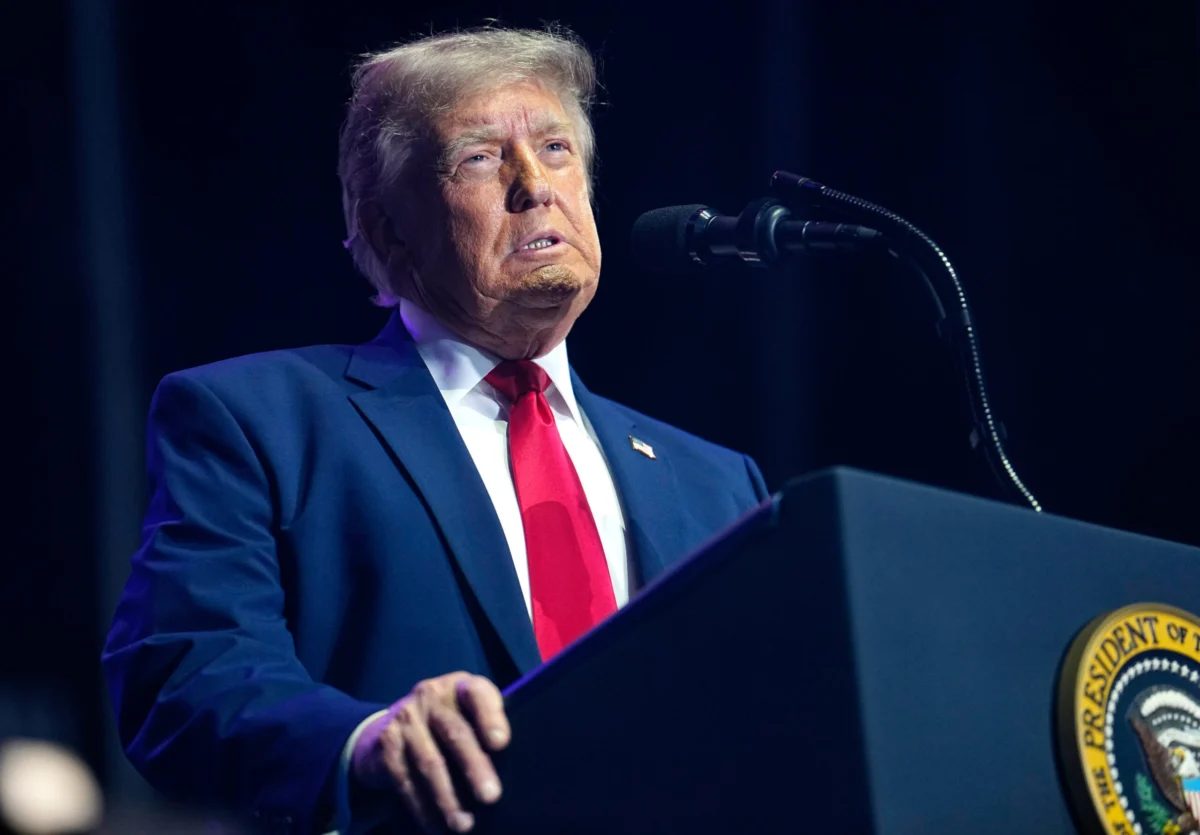
WASHINGTON D.C. – President Donald Trump announced Wednesday that the United States stands ready to deploy significant resources to assist Venezuela in the aftermath of devastating earthquakes that have crippled the nation, flattening buildings in the capital, Caracas, and prompting a declaration of a state of emergency. The pledge of assistance comes as the U.S. Geological Survey (USGS) issued dire warnings about the potential for a catastrophic death toll and significant economic damage.
The first seismic event, a powerful magnitude 7.2 earthquake, struck near Venezuela’s northern coast on Wednesday, June 24, 2026, at approximately 14:37 local time. This was followed within hours by an even stronger tremor, registering 7.5 magnitude, further compounding the destruction. The epicenters were located at a relatively shallow depth, amplifying the ground shaking and the resulting devastation across densely populated areas. Initial reports from the ground paint a grim picture of widespread structural collapse, with critical infrastructure, including hospitals and transportation networks, severely compromised.
President Trump, speaking through a Truth Social post on Wednesday evening, stated, "The U.S. stands ready, willing, and able to help." He further elaborated that he had directed all relevant government agencies to prepare for swift action, referring to the Venezuelan people as "new and great friends." This outreach signifies a notable, albeit emergent, shift in diplomatic engagement between the United States and Venezuela, particularly given the complex geopolitical landscape that has defined their relationship in recent years.
The U.S. State Department confirmed that it had been in proactive communication with Venezuelan authorities throughout the unfolding crisis. Deputy Secretary of State Christopher Landau had earlier in the day indicated that the U.S. was already mobilizing assistance for the South American nation. "We have been in touch with Venezuelan officials and have been working to coordinate immediate support," Landau stated in an earlier communication on X (formerly Twitter).
Escalating Crisis and Initial Response
Venezuela’s acting president, Delcy Rodriguez, addressed the nation on Wednesday night, formally declaring a state of emergency. In her address, Rodriguez provided an initial, somber toll, reporting that at least 164 people had been killed and 971 injured, according to preliminary figures released by Reuters. However, these numbers are expected to rise significantly as rescue and recovery operations continue in the ensuing days and weeks.
In response to the escalating humanitarian crisis, the State Department swiftly mobilized a specialized disaster assistance team and task force. This unit is tasked with the delivery and coordination of critical aid, including specialized search and rescue teams, essential medical supplies, and vital humanitarian resources. Senior State Department official Jeremy Lewin confirmed the deployment, emphasizing the U.S. commitment to providing immediate and tangible support.
The U.S. Geological Survey’s PAGER system, which assesses the impact of earthquakes, issued consecutive red alerts for the region. The USGS’s projections painted a stark picture of the potential long-term consequences, estimating a 41% probability that fatalities could exceed 10,000. In the most severe scenario, there was a 17% chance that the death toll could reach as high as 100,000. Beyond the human toll, the agency also projected a significant economic impact, estimating that the devastating earthquake could reduce Venezuela’s Gross Domestic Product (GDP) by up to 7%.
On Thursday morning, in a video message shared on X, President Rodriguez expressed her gratitude to the Trump administration for its "support and solidarity." She also acknowledged the Dominican Republic for dispatching rescue teams to Venezuela, highlighting the international nature of the response.
International Solidarity and Divergent Support
The solidarity extended beyond the United States and the Dominican Republic. China and Brazil have also dispatched humanitarian aid to the beleaguered nation. The government of Qatar has also prepared a rescue brigade, which was slated to arrive on Thursday, further underscoring the global mobilization of resources in response to the catastrophe.
The recent seismic events are among the most powerful to have struck Venezuela in the past century. The country’s geographical location, situated in a seismically active zone where the Caribbean Plate converges with the South American Plate, makes it inherently vulnerable to such geological phenomena. The last major earthquake of comparable magnitude to significantly impact the region occurred decades ago, highlighting the rarity and severity of the current disaster.
Geopolitical Undercurrents and Economic Implications
The swift and robust offer of U.S. assistance can be interpreted as a reflection of a subtle yet significant diplomatic realignment between the Trump administration and the current Venezuelan leadership, headed by Acting President Rodriguez. This development occurs against a backdrop of protracted political and economic instability in Venezuela, which has seen U.S. sanctions and diplomatic pressure aimed at influencing the country’s governance.
Secretary of State Marco Rubio, speaking on Thursday, indicated that the Department of Defense would play a crucial logistical role in the disaster relief efforts. This involvement is particularly pertinent given that the earthquakes are reported to have damaged Caracas’s primary airport, potentially hindering immediate access for relief supplies. "It’ll be big, it’ll be fast, and it’ll be effective," Rubio stated, describing the anticipated scale and efficiency of the U.S. government’s response to the disaster.
Rubio also characterized the earthquakes as a "setback" to ongoing stabilization efforts within Venezuela. This statement alludes to the complex political situation in the country, including the January military intervention that led to the ousting of the then-president, Nicolas Maduro. Since that intervention, Washington has asserted a degree of control over Venezuela’s oil exports, a critical revenue stream for the nation.
The United States has maintained its position as Venezuela’s largest oil buyer since January of this year. According to data from the Council on Foreign Relations, the estimated value of U.S.-controlled Venezuelan oil exports surged dramatically from $600 million in January to an estimated $3.7 billion in April. This arrangement, characterized by a lack of transparency and oversight, has reportedly facilitated approximately $8 billion in oil flows. Following the U.S., India and Spain are identified as the next largest recipients of Venezuelan oil. The current earthquake crisis could have significant implications for Venezuela’s oil production and export capacity, potentially impacting global energy markets and further complicating the nation’s economic recovery.
A Nation in Crisis: The Path Forward
The immediate focus for Venezuela and the international community will be on search and rescue operations, providing medical care to the injured, and addressing the urgent humanitarian needs of those displaced by the earthquakes. The scale of the destruction necessitates a coordinated and sustained international response, extending beyond immediate relief to long-term reconstruction and recovery efforts.
The USGS’s dire projections underscore the immense challenge ahead for Venezuela. The potential for a catastrophic loss of life and a significant blow to the nation’s already fragile economy demand a comprehensive and multifaceted approach. The U.S. offer of assistance, while a positive development in terms of humanitarian aid, also highlights the intricate geopolitical dynamics that continue to shape Venezuela’s future. The coming days and weeks will be critical in assessing the full extent of the damage and determining the trajectory of both the humanitarian response and the broader political and economic landscape of Venezuela. The resilience of the Venezuelan people will be tested as they navigate this profound tragedy, with the international community watching closely and, in many cases, lending a helping hand. The rebuilding process, both physical and societal, is expected to be a long and arduous journey, requiring sustained commitment and collaboration.
