

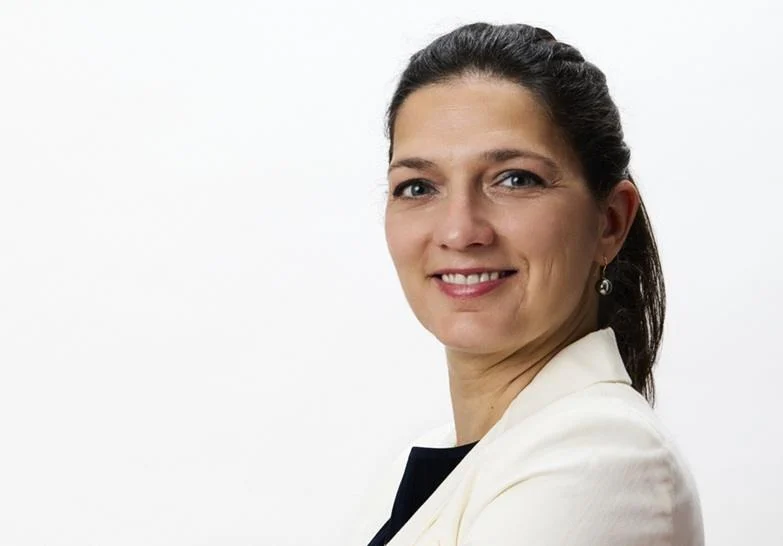
Mirova, the high-conviction sustainable investment affiliate of Natixis Investment Managers, has officially announced the appointment of Léa Dunand-Chatellet as its new Chief Executive Officer. This strategic leadership transition marks a significant milestone for the firm as it enters its second decade of operations. Dunand-Chatellet, a veteran in the field of environmental, social, and governance (ESG) investing, succeeds Philippe Zaouati, the outgoing CEO who was instrumental in the firm’s founding and its rise as a global leader in impact finance. The appointment, effective June 2026, signals a continuation of Mirova’s mission to align financial performance with ecological and social transitions, while leveraging the internal talent pool within the broader Natixis Investment Managers (Natixis IM) ecosystem.
A Strategic Leadership Transition at a Critical Juncture
The transition in leadership comes at a time when the sustainable investment landscape is facing both unprecedented growth and rigorous regulatory scrutiny. Mirova, which was launched in 2014 as a dedicated subsidiary of Natixis IM, has grown from a specialized niche player into a major institutional force. Under the leadership of Philippe Zaouati, the firm became a "B Corp" certified entity and a prominent voice in the European push for green finance.
Léa Dunand-Chatellet takes the helm with a mandate to scale Mirova’s impact-driven strategies across global markets. Her appointment is viewed by industry analysts as a move to reinforce the firm’s technical expertise and regulatory alignment. Having spent over two decades focused exclusively on sustainable finance, Dunand-Chatellet brings a depth of experience that spans portfolio management, ESG methodology development, and high-level policy advisory.
The outgoing CEO, Philippe Zaouati, leaves behind a legacy of institutionalizing "conviction-based" investing. During his tenure, Mirova expanded its reach from listed equities into private equity, energy transition infrastructure, and natural capital. This diversification has allowed the firm to offer a holistic suite of products aimed at institutional and retail investors seeking to decarbonize their portfolios.
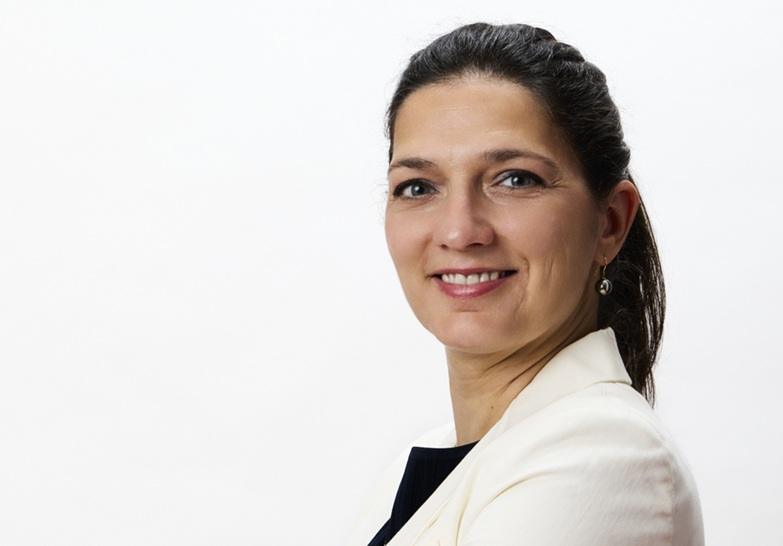
Professional Trajectory of Léa Dunand-Chatellet
Léa Dunand-Chatellet’s career is a testament to the evolution of the ESG sector in Europe. Before being named CEO of Mirova, she served as the Head of Responsible Investment and an ESG Portfolio Manager at DNCA Finance, another affiliate of Natixis IM. During her time at DNCA, she was credited with the successful launch and management of the "Beyond" range of sustainable funds, which integrated rigorous environmental and social criteria into traditional equity and fixed-income strategies.
Her tenure at DNCA was marked by a commitment to transparency and the development of proprietary ESG scoring models that moved beyond mere compliance. This background is particularly relevant as Mirova continues to navigate the complexities of the European Union’s Sustainable Finance Disclosure Regulation (SFDR), where many of its funds are classified under Article 9—the highest standard for sustainable objectives.
Prior to her role at DNCA, Dunand-Chatellet held the position of Head of Equity Management at Mirova, making her return to the firm a homecoming of sorts. Her earlier career included a pivotal role as the Head of ESG Management at Sycomore Asset Management, one of the pioneers of socially responsible investing (SRI) in France. Her academic and professional contributions have also extended into the regulatory sphere; she has been a member of the AMF (Autorité des Marchés Financiers) Climate and Sustainable Finance Commission since 2022 and has chaired the Responsible Investment Commission of the AFG (Association Française de la Gestion financière). Furthermore, her appointment in 2024 to the French Ministry of the Economy’s ISR Label Committee underscores her influence in shaping the standards for what constitutes a "sustainable" investment in the European market.
The Role of Mirova within Natixis Investment Managers
Mirova occupies a unique position within the Natixis Investment Managers multi-affiliate model. Natixis IM, one of the world’s largest asset managers with over $1.2 trillion in assets under management (AUM), operates through a diverse group of specialized investment firms. Mirova serves as the group’s "center of excellence" for sustainability.
Philippe Setbon, Chief Executive Officer of Natixis Investment Managers, emphasized the importance of this internal promotion, noting that Dunand-Chatellet’s career path exemplifies the strength of the multi-affiliate structure. This model allows individual firms like Mirova to maintain their entrepreneurial spirit and specific investment philosophies while benefiting from the global distribution, operational support, and financial stability of a major international banking group like Groupe BPCE.

The multi-affiliate approach has been particularly effective in the ESG space. While many large asset managers have struggled to integrate ESG across vast, legacy platforms, Mirova was built from the ground up with a sustainability-first mandate. This has allowed it to avoid the "greenwashing" accusations that have plagued some of its larger competitors, as its entire investment process—from research to portfolio construction—is centered on sustainability themes.
Chronology of Mirova’s Development
To understand the significance of this leadership change, it is essential to look at the timeline of Mirova’s evolution:
- 2012–2013: Preliminary development of a dedicated ESG team within Natixis Asset Management.
- 2014: Official launch of Mirova as a standalone subsidiary focused on sustainable and impact investing.
- 2017: Expansion into natural capital with the acquisition of Althelia Ecosphere, a specialist in impact investment for environmental conservation.
- 2018: Mirova becomes a founding member of the "One Planet Lab" and achieves B Corp certification, verifying its social and environmental performance.
- 2020–2022: Significant growth in AUM as European regulations (SFDR) drive institutional demand for Article 9 funds. The firm expands its private equity and infrastructure teams to focus on the circular economy and renewable energy.
- 2024: Léa Dunand-Chatellet joins the French Ministry of the Economy’s ISR Label Committee, further aligning Mirova with national and regional policy goals.
- 2026: Appointment of Léa Dunand-Chatellet as CEO, succeeding Philippe Zaouati.
Supporting Data: The Growth of Sustainable Assets
The appointment comes at a time when Mirova’s assets under management have shown resilient growth despite market volatility. As of the most recent reporting periods leading into 2026, Mirova manages approximately €30 billion to €35 billion (estimated based on historical growth trajectories from 2023 levels of €29 billion).
The firm’s portfolio is heavily weighted toward sectors that facilitate the "Triple Transition": the energy transition, the social transition, and the environmental transition. Specifically:
- Energy Transition: Mirova is one of Europe’s leading investors in renewable energy infrastructure, with billions committed to wind, solar, and hydro projects across the continent and in emerging markets.
- Natural Capital: Through its specialized teams, the firm manages several hundred million euros dedicated to land degradation neutrality and biodiversity restoration.
- Sustainable Equities: The firm’s thematic equity funds focus on companies providing solutions to climate change, resource scarcity, and demographic shifts.
Official Responses and Industry Sentiment
The transition has been met with positive reactions from the investment community. Analysts suggest that Dunand-Chatellet’s deep technical knowledge of ESG metrics will be vital as the industry moves from "qualitative" ESG stories to "quantitative" impact reporting.

In her first official statement as CEO-designate, Dunand-Chatellet highlighted the scale of the challenge ahead. "I am highly honored to join Mirova at such a pivotal moment in its development," she stated. "Given the scale of financing required, we have an essential role to play in directing capital toward projects that accelerate transitions and create sustainable value."
Her predecessor, Philippe Zaouati, expressed confidence in the choice, noting that the firm is in capable hands to navigate the next phase of the global energy transition. Under Zaouati, Mirova was not just an investment firm but a think tank that influenced European financial policy. Dunand-Chatellet is expected to maintain this dual role of practitioner and advocate.
Broader Impact and Future Implications
The appointment of Léa Dunand-Chatellet as CEO of Mirova is likely to have several long-term implications for the firm and the wider asset management industry:
- Increased Focus on Regulatory Excellence: Given her roles with the AMF and the ISR Label Committee, Mirova is expected to remain at the forefront of regulatory compliance. This is a competitive advantage at a time when regulators are cracking down on misleading environmental claims.
- Expansion of Impact Metrics: The industry is moving toward "Double Materiality"—the idea that companies are responsible for their impact on the world, not just the world’s impact on their finances. Dunand-Chatellet’s experience in ESG methodology suggests Mirova will push for more sophisticated ways to measure real-world outcomes, such as tons of CO2 avoided or hectares of forest protected.
- Global Ambitions: While Mirova is a powerhouse in Europe, particularly in France, the next stage of growth likely involves deeper penetration into the North American and Asian markets. Investors in these regions are increasingly looking for European expertise in navigating sustainable finance frameworks.
- Strengthening the Multi-Affiliate Model: For Natixis IM, this move proves that its "house of brands" can successfully nurture and rotate top-tier talent across its various platforms, ensuring continuity and shared values without sacrificing the specialized focus of the individual affiliates.
As the financial world approaches the 2030 deadline for the United Nations Sustainable Development Goals (SDGs), the role of specialized managers like Mirova becomes increasingly critical. The transition from a founder-led era to a new phase of institutional leadership under Léa Dunand-Chatellet suggests that Mirova is maturing along with the market it helped to create. The firm’s ability to marry rigorous financial analysis with a deep commitment to planetary boundaries will be the ultimate test of its new leadership in the years to come.
