


The day, at the end of August, was perfect for diving: warm and calm, with a light breeze and a faint tang of wildfire smoke in the air. At a beach near Halifax, Nova Scotia, diving instructor Eric Peterson was guiding a novice diver around a site popular with the local diving community—a sheltered, sandy-bottomed cove 40 minutes outside of the city, where dive shops often take beginners for their first forays under the water. Shortly after entering the ocean, they were moving along the sand when Peterson looked up and saw a white shark passing a few metres away. Peterson later recalled a dual sense of exhilaration and trepidation, noting that while one part of him felt he had hit the "jackpot," the other was acutely aware of the potential danger.
The animal initially disappeared into the murk before reappearing, its dark eyes and distinctive toothy profile coming into sharp focus as its muscular body moved straight toward the divers. Peterson acted instinctively, grabbing the harness of the other diver, a tourist from the United States, and pulling him to the bottom. There, they waited, maintaining eye contact with the predator. The shark approached repeatedly, coming so close that Peterson felt they could have reached out and touched her, before veering off each time. It was only later that Peterson realized the shark’s maneuvers had effectively cut off their exit to the shore. According to Peterson, the shark was clearly investigating them, attempting to determine if the divers constituted a viable food source.
After three passes, the shark seemingly decided they were not prey and vanished into the gloom. Peterson and the novice diver quickly surfaced and swam to shore, alerting other swimmers to exit the water. Despite the tension of the encounter, Peterson expressed a sense of thrill at having witnessed an apex predator in her natural habitat, calling it a rare and special occurrence. However, after consulting with a biologist, Peterson learned that such sightings are becoming increasingly common; he was approximately the 10th diver in the area to report an encounter with a white shark in the last three years.
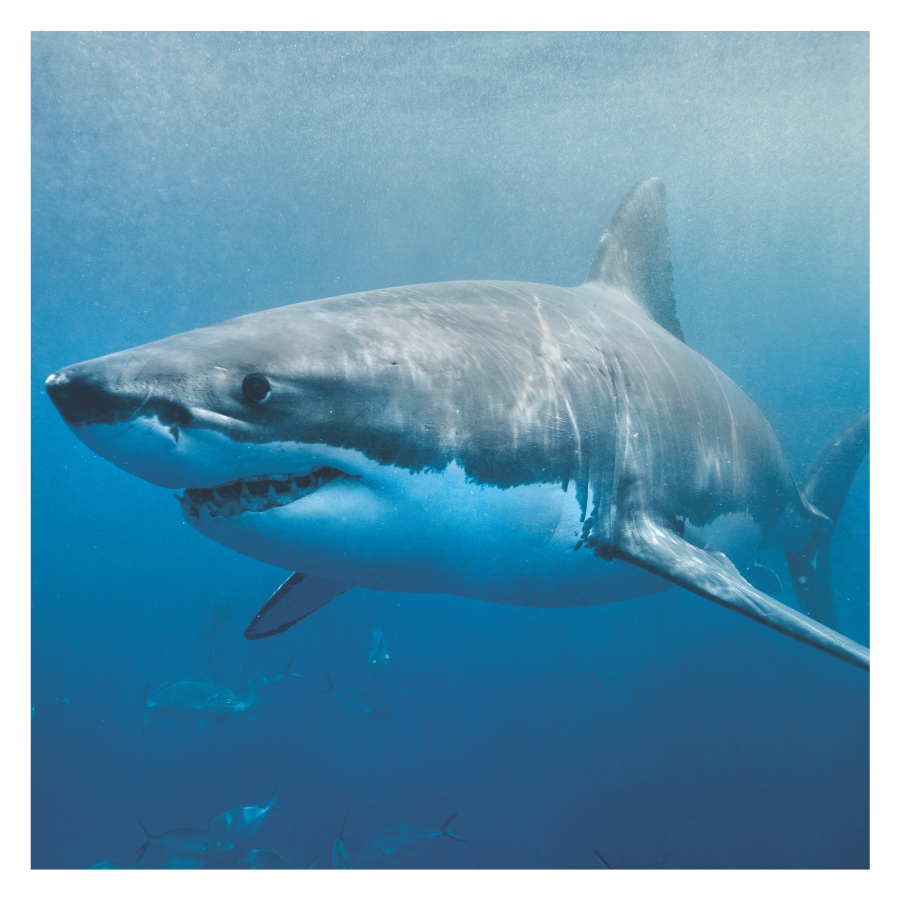
A Shifting Marine Demographic
Across the Atlantic provinces, it is not just divers who are noticing a change in the water. There has been a notable uptick in the number of people reporting white sharks along Canada’s Atlantic coast over the past decade. For a long time, white sharks were so rarely documented in these northern reaches that scientists with the Committee on the Status of Endangered Wildlife in Canada (COSEWIC) believed occasional sightings were merely fringe members of a more southerly population centered near the United States. Today, the data suggests a different reality. White sharks now appear in Atlantic Canadian waters during the summer months with a regularity that suggests a recurring seasonal population numbering in the thousands.
Nigel Hussey, a professor of movement and trophic ecology at the University of Windsor, describes Atlantic Canada as the emerging "white-shark population on the planet." While scientific uncertainty remains regarding the exact scale of the migration, experts agree that all signs point to a growing local population. This growth is attributed to two primary factors: the recovery of the species from decades of overexploitation and the northward shift of their thermal niche due to warming ocean temperatures. As the Gulf Stream continues to fluctuate and the Northwest Atlantic warms faster than many other parts of the global ocean, the habitat suitability for white sharks in Nova Scotia and New Brunswick has expanded significantly.
The Emergence of a Shark-Based Economy
The increasing presence of white sharks has sparked a complex range of emotions in the region, varying from primal fear to scientific curiosity. However, beyond the psychological impact, the arrival of these apex predators presents a burgeoning economic opportunity. Coastal and maritime tourism is a titan of the global economy, generating approximately US$3 trillion in 2025. Within this sector, shark- and ray-based tourism is capturing an increasing market share. A foundational 2013 study estimated that shark tourism produces roughly US$314 million annually through activities such as diving, boat tours, and catch-and-release fishing. In some jurisdictions, researchers suggest that the "living value" of a shark through tourism contributes more to a nation’s gross domestic product than the commercial fishing of the species.
In Atlantic Canada, this industry is in its nascent stages. The first company to offer cage diving tours began operating on Nova Scotia’s south shore approximately three years ago. The venture, Atlantic Shark Expeditions, was founded by marine biologist Neil Hammerschlag. Drawing on his experience running cage diving tours in South Africa to fund his master’s research, Hammerschlag saw the increasing shark sightings in Nova Scotia as an opportunity to combine public interest with scientific advancement.
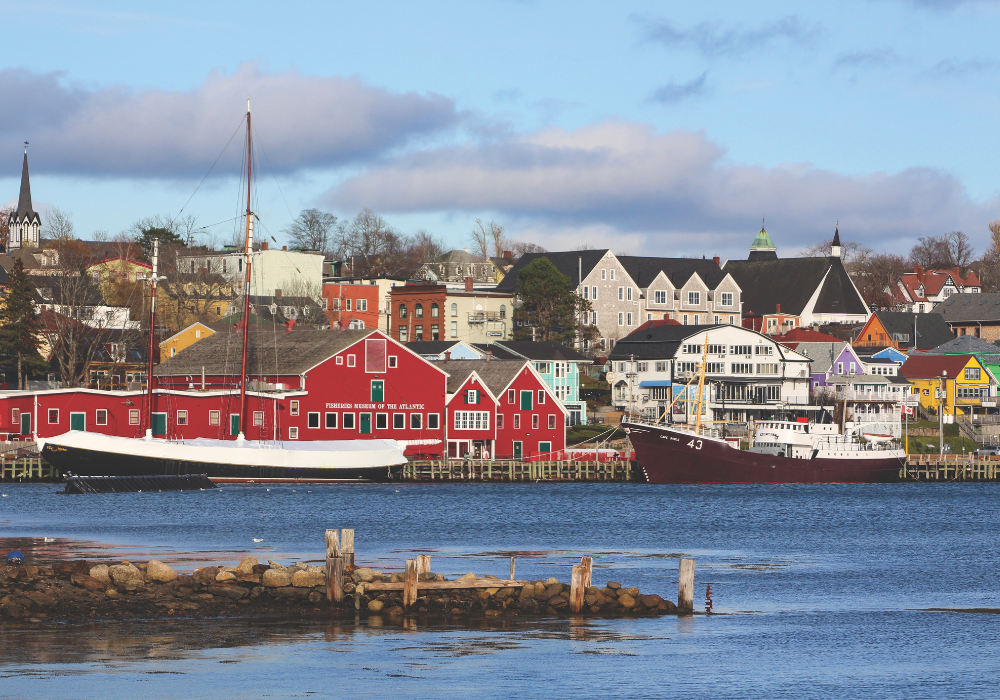
Hammerschlag’s operation has seen rapid growth. In 2025, his expeditions encountered white sharks on every outing, identifying 109 unique individuals and successfully tagging six sharks with satellite transmitters. Interestingly, Hammerschlag notes that his clientele is not comprised of "thrill-seekers" but rather individuals motivated by a desire to participate in citizen science and witness marine conservation in action.
Navigating Conflict and Public Perception
The rise of shark tourism has not been without controversy. Local surfers and ocean recreationalists initially raised concerns that baiting practices might habituate sharks to human presence, thereby increasing the risk of conflict. Rumors circulated that the company was "chumming" the water with fresh fish to draw the predators in. Hammerschlag has clarified that while they use tuna and seal blubber as bait and employ underwater speakers emitting low-frequency sounds, their research does not support the idea of long-term habituation. Most of the 109 sharks identified were seen only once, suggesting they are moving through the area rather than lingering due to the presence of the boat.
This finding aligns with studies conducted in other major shark hubs. Research from Mexico and Australia has largely shown that wildlife tourism has minimal long-term impact on shark behavior, provided strict regulations are followed. However, the stakes remain high; in 2023, Mexico banned white-shark tourism on Guadalupe Island following reports of poor industry practices that resulted in shark fatalities.
The fear of sharks remains deeply embedded in the cultural psyche, often reinforced by media narratives that portray them as remorseless killers. Statistically, the risk to humans is minimal. In 2025, there were only 12 confirmed fatalities from shark encounters worldwide and 65 "unprovoked" attacks. This includes a single incident in Nova Scotia where a white shark bit through a paddleboard near Halifax, though the paddler was unharmed. In contrast, human activity results in the death of over 100 million sharks annually, primarily due to commercial fishing and the finning trade.

The Need for Risk Management and Infrastructure
Despite the low statistical probability of an attack, experts warn that Atlantic Canada is currently ill-prepared for the inevitable increase in human-shark interactions. Nigel Hussey, who operates a field research station on Nova Scotia’s south shore, emphasizes that other global shark hotspots have established robust programs to mitigate risk. In Canada, such infrastructure is largely absent.
Steve Crawford, a professor of integrative biology at the University of Guelph, has been a vocal advocate for the implementation of risk-management strategies. He points to the lack of signage and trauma kits at popular coastal destinations as a significant oversight. Unlike beaches in Maine and Massachusetts, which have proactively installed educational signage and emergency equipment, Atlantic Canadian government agencies have yet to adopt similar measures. Crawford argues that as "Canada’s Ocean Playground," the region has a responsibility to inform the public that white sharks are now a permanent, seasonal component of the marine environment.
A New Chapter for Marine Conservation
The presence of white sharks is more than a tourism draw or a safety concern; it is a sign of a recovering ecosystem. As apex predators, white sharks play a crucial role in maintaining the balance of marine life, particularly by managing seal populations, which have also seen significant growth in Atlantic Canada.
The potential for a "shark sector" extends beyond cage diving. It encompasses scientific research, wildlife documentary production, and educational outreach. Experts believe that providing opportunities for the public to observe these animals safely can help dispel the myths that fuel fear and hinder conservation efforts.

Geraldine Fernandez, a researcher with Dalhousie University’s Future of Marine Ecosystems lab, shared an experience from an expedition in mid-summer of last year that highlights this potential. While conducting research on the Atlantic Shark Expeditions vessel, she witnessed a large white shark, over four metres in length, approach the boat. Rather than exhibiting aggression toward the bait, the shark spent an extended period "spy-hopping"—poking its head out of the water to observe the people on the boat. Fernandez described the encounter as a moment of mutual curiosity, where fear was replaced by a profound sense of connection to the natural world.
As white sharks continue to establish themselves in the North Atlantic, the challenge for Canada will be to balance the economic and scientific benefits with responsible management. By acknowledging the shark’s presence and investing in the necessary data and safety infrastructure, Atlantic Canada can transform a source of fear into a cornerstone of its maritime identity. The goal, as scientists suggest, is to foster a relationship where humans recognize they are entering the shark’s environment—and that a healthy ocean is one where the apex predator is allowed to thrive.
