

Job cuts within U.S. factories are approaching levels not witnessed since the tail end of the global financial crisis in 2009 and the initial, seismic shock of the COVID-19 pandemic, as concerns mount over softening global demand and escalating operational costs, according to a recent report from S&P Global. While the firm’s purchasing managers’ index (PMI) for manufacturing showed a slight improvement for June, this uptick was largely attributed to a strategic rebuilding of inventories rather than a robust surge in new orders, occurring even as manufacturers implemented the most significant workforce reductions since 2009, a period excluding the unprecedented labor market disruptions of early 2020.
"While there is better news from the manufacturing sector, we remain concerned as factory growth continues to be temporarily buoyed by inventory building amid supply fears. Supply delays grew more widespread in June," stated Chris Williamson, chief business economist at S&P Global Market Intelligence. This sentiment underscores a persistent undercurrent of unease within the industrial landscape, where manufacturers have signaled intentions for job cuts in three of the past four months, driven by a dual imperative to manage costs and navigate an uncertain demand environment.
Williamson elaborated on the gravity of the employment figures, noting, "Most worrying was the further fall in employment, notably in the manufacturing sector. Factory job cuts are running at the highest since 2009 if the pandemic is excluded, reflecting concerns over the sustainability of the recent upturn in demand alongside worries over the escalating cost of raw materials." This indicates a strategic retrenchment by businesses anticipating potential headwinds, even as broader economic indicators offer a more mixed picture.
A Tale of Two Sectors: Manufacturing Challenges Versus Broader Job Market Resilience
Despite the pronounced manufacturing downturn, the overall U.S. jobs market has demonstrated remarkable resilience throughout 2026. The nation has experienced robust employment gains in four out of the first five months of the year, painting a contrast with the specific struggles faced by the industrial sector. Data from the Bureau of Labor Statistics corroborates this broader strength, revealing that manufacturing employment, in aggregate, has seen an increase of 23,000 jobs in 2026. This figure, while positive, needs to be viewed in the context of the significant layoffs occurring within specific manufacturing segments.
The S&P Global manufacturing "flash" PMI, a key barometer of sector health, registered at 55.7 for June. This figure represents a modest increase from May’s reading of 54.8 and surpassed the Dow Jones consensus estimate of 54.8. A reading above 50 indicates expansion, and the upward movement, however slight, suggests that a majority of surveyed companies are reporting growth. However, the report clarifies that this expansion is not driven by a surge in new orders but rather by companies replenishing depleted inventories, a strategy often employed to buffer against anticipated supply chain disruptions or to meet immediate, albeit potentially temporary, demand.
On the services front, the outlook was also cautiously optimistic. The flash PMI for the services sector stood at 51.3, a marginal improvement from the previous month and slightly exceeding the consensus forecast of 51. This indicates that the services sector, which represents a larger portion of the U.S. economy, is also experiencing a mild expansion, though not at a pace that suggests a booming economy.
The Shadow of Inflation and Geopolitical Uncertainty
Companies across the U.S. have been grappling with a resurgent inflationary environment throughout 2026. Soaring energy prices, exacerbated by geopolitical tensions in the Middle East, have put significant pressure on business costs. This inflationary environment has also influenced the Federal Reserve’s monetary policy stance, prompting officials to reconsider interest rate cuts and, in some instances, to signal a prolonged period of holding rates steady until economic conditions stabilize. Recent headlines regarding a potential ceasefire and a lasting agreement with Iran have, however, provided a glimmer of hope. The resulting dip in oil prices has, according to Williamson, "helped restore some confidence" among businesses, suggesting a tentative de-escalation of a key inflationary driver.
The economic backdrop against which these manufacturing job cuts are occurring is one of tepid growth. The U.S. economy expanded at a modest 1.6% annualized rate in the first quarter of 2026, a deceleration from the already subdued 0.5% annualized rate recorded in the fourth quarter of 2025. This suggests an economy that is struggling to gain significant momentum, with the manufacturing sector bearing a disproportionate share of the current headwinds.
Williamson’s analysis further highlights this concern: "The survey signals that current output levels are consistent with the economy struggling to grow much faster than a 1% annualized rate in the second quarter." This projection points to a sustained period of sub-par economic performance, which could further strain businesses and potentially lead to broader employment challenges if not addressed.
Federal Reserve’s Perspective and Broader Economic Implications
In contrast to the cautious outlook presented by S&P Global, Federal Reserve Chairman Kevin Warsh offered a more sanguine assessment of the economic landscape last week. Warsh characterized economic growth as "solid" and attributed the prevailing "elevated uncertainty" in part to the ongoing conflicts in the Middle East. This divergence in perspectives underscores the complex and often contradictory signals emanating from the economy, making it challenging for policymakers and businesses alike to chart a clear course.
The implications of these widespread factory job cuts are multifaceted. On one hand, they signal a necessary adjustment by manufacturers to a changing economic reality, aiming to improve efficiency and profitability in the face of rising input costs and potentially softening demand. This rationalization of labor can, in the medium term, lead to a more resilient and competitive manufacturing sector.
However, the immediate impact is job losses, which can affect local economies, consumer spending, and overall economic sentiment. The fact that these cuts are occurring even as the broader services sector shows signs of modest growth suggests a potential divergence in economic performance, where traditional industrial hubs may be more acutely affected than service-oriented regions.
Historical Context and Future Outlook
The current wave of manufacturing layoffs echoes the challenges faced by the sector during the 2008-2009 global financial crisis. That period saw a dramatic contraction in manufacturing output and employment as global demand plummeted and credit markets seized up. While the current situation is not a direct parallel, the underlying concerns about global demand and the interconnectedness of the global economy are reminiscent of that turbulent era.
The COVID-19 pandemic in 2020 presented a unique scenario characterized by sudden, widespread lockdowns and supply chain paralysis, leading to massive, albeit often temporary, job losses across all sectors. The current round of cuts, therefore, stands out as a more deliberate, cost-driven adjustment within the manufacturing sector, distinct from the emergency measures of the pandemic.
The decision by manufacturers to reduce their workforce is a strategic one, driven by a confluence of factors:
- Global Demand Slowdown: As major economies around the world grapple with their own economic challenges, demand for U.S. manufactured goods can weaken. This is particularly relevant for export-oriented manufacturers.
- Rising Input Costs: The surge in energy prices and the cost of raw materials directly impacts manufacturing profitability. Companies may reduce labor to offset these higher expenses.
- Supply Chain Volatility: While companies are rebuilding inventories, persistent supply chain disruptions can create uncertainty about future production needs and, consequently, labor requirements.
- Interest Rate Environment: The Federal Reserve’s stance on interest rates influences borrowing costs for businesses. A higher cost of capital can incentivize companies to streamline operations, including workforce reductions.
- Geopolitical Instability: Conflicts and trade disputes can disrupt global trade flows and create uncertainty, leading businesses to adopt a more cautious approach to expansion and hiring.
Looking Ahead: Navigating Economic Crosscurrents
The coming months will be critical in determining the trajectory of the U.S. manufacturing sector and the broader economy. Several key indicators will need close observation:
- New Orders Data: A sustained increase in new orders for manufactured goods would signal a genuine rebound in demand, potentially leading to a stabilization or even reversal of the current layoff trend.
- Inflationary Trends: A continued cooling of inflation, particularly in energy and raw material prices, would alleviate pressure on manufacturers and potentially boost consumer and business confidence.
- Federal Reserve Policy: The Fed’s future interest rate decisions will have a significant impact on borrowing costs and overall economic activity. A pivot towards rate cuts, if warranted by inflation data, could stimulate demand.
- Geopolitical Developments: Further de-escalation of tensions in the Middle East and a resolution to ongoing trade disputes would contribute to a more stable global economic environment.
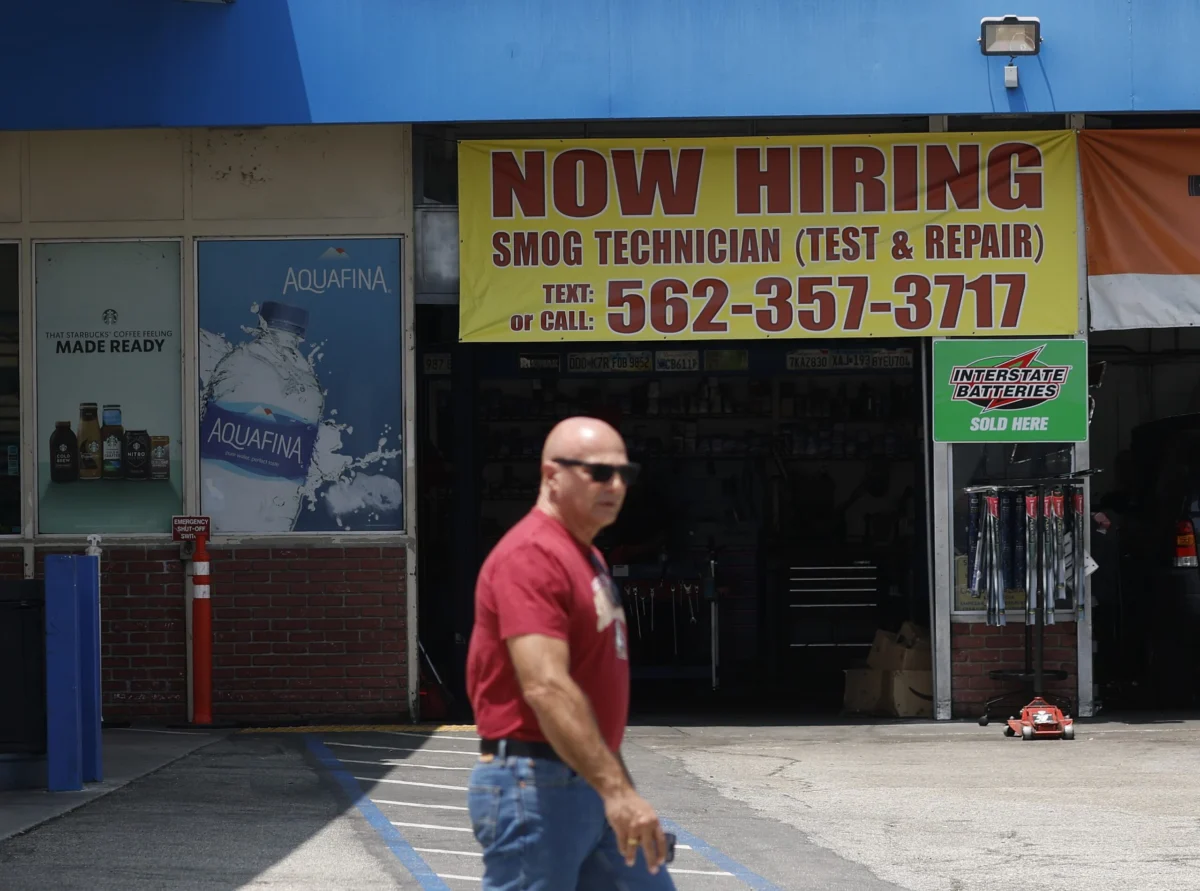
The current data suggests that while the U.S. economy is not experiencing a widespread recession, the manufacturing sector is navigating a challenging period. The "now hiring" signs that remain visible in some sectors, such as gas stations, highlight the uneven nature of the economic recovery. The strategic job cuts in factories represent a response to these complex economic crosscurrents, a move by businesses to adapt to a landscape shaped by global demand fluctuations, persistent cost pressures, and geopolitical uncertainties. The resilience of the broader job market, particularly in the services sector, offers some comfort, but the pronounced layoffs in manufacturing serve as a stark reminder of the ongoing economic adjustments.
