

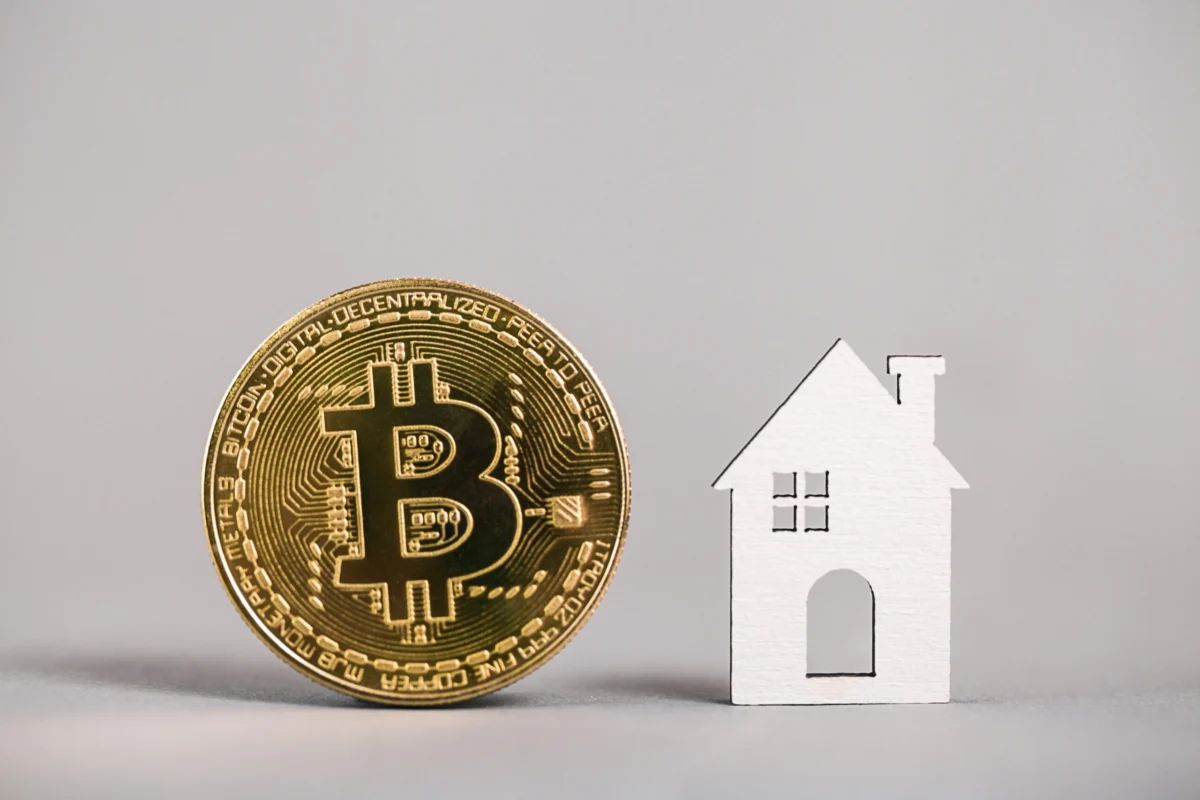
The burgeoning field of real asset tokenization, particularly within the real estate sector, continues to attract significant attention from both traditional finance professionals and innovative technologists. This fourth installment of a specialized mini-course, presented by the CAIA Association and featuring the insights of Dr. Stylianos Kampakis, CEO of Tesseract Academy and a member of the Quantum Finance Boardroom, delves into the critical aspect of technology platform selection and stack choices for asset issuers. As the industry matures, the availability of robust and adaptable technological solutions is paramount for the successful tokenization, management, and trading of real estate assets.
The Evolving Landscape of Tokenization Platforms
The initial stages of exploring real estate tokenization often involve understanding the underlying blockchain technology and smart contract functionalities. However, as projects progress from conceptualization to execution, the practical need for comprehensive platforms becomes undeniable. Building a tokenization system entirely from scratch is an arduous and resource-intensive undertaking, often unnecessary given the current maturity of the market. A growing ecosystem of specialized platforms and tools now exists, designed to streamline the process for asset issuers. These platforms aim to simplify the creation, management, and distribution of digital tokens representing ownership or economic rights in real-world assets, with a specific focus on the complexities of real estate.
The selection of the appropriate technology stack is not merely a technical decision; it is a strategic imperative that directly influences the viability and scalability of a tokenized real estate offering. Key factors guiding this choice include the regulatory environment in which the token will be issued and traded, the technological preferences and expectations of potential investors, and the seamless integration with existing and emerging secondary markets. These platforms must offer a blend of security, efficiency, compliance, and investor accessibility to foster widespread adoption.
Key Considerations for Technology Stack Selection
When evaluating technology platforms for real estate tokenization, issuers must consider a multifaceted array of features and functionalities. These platforms are not monolithic; they often comprise various components that work in concert to facilitate the entire token lifecycle.
-
Blockchain Protocol Choice: The foundational decision involves selecting the underlying blockchain network. Options range from public, permissionless blockchains like Ethereum, known for their decentralization and broad developer community, to private or permissioned blockchains, which offer greater control over participants, enhanced privacy, and potentially higher transaction speeds. For real estate, where regulatory compliance and controlled access are often critical, permissioned or hybrid solutions might be favored. Factors such as transaction costs (gas fees), scalability, security protocols, and the environmental impact of the consensus mechanism are crucial differentiators. For instance, Ethereum’s transition to Proof-of-Stake has addressed some environmental concerns, while other protocols like Polygon, Solana, or specific enterprise-grade blockchains offer alternative trade-offs.
-
Smart Contract Development and Deployment: The core logic of tokenization, including the definition of ownership rights, dividend distribution, voting mechanisms, and transfer restrictions, resides within smart contracts. Platforms should provide robust tools for developing, testing, and deploying secure smart contracts. This often involves support for widely used smart contract languages like Solidity (for Ethereum Virtual Machine-compatible chains) or Rust (for chains like Solana). The ability to audit these contracts for security vulnerabilities is also a non-negotiable requirement.
-
Token Standards and Interoperability: Adherence to established token standards, such as ERC-20 for fungible tokens or ERC-721/ERC-1155 for non-fungible tokens (NFTs), is essential for interoperability. In the context of real estate, while a property might be tokenized as a single, unique NFT representing fractional ownership, the underlying financial instruments or dividend rights might be represented by fungible tokens. Compatibility with these standards ensures that tokens can be easily integrated into existing wallets, exchanges, and decentralized applications (dApps).
-
Identity and Access Management (KYC/AML): Regulatory compliance is paramount in real estate. Tokenization platforms must incorporate robust Know Your Customer (KYC) and Anti-Money Laundering (AML) solutions. This involves verifying the identity of investors and ensuring they meet eligibility criteria for investing in real estate securities. Integrated KYC/AML modules or seamless integration with third-party identity verification services are critical for preventing illicit activities and meeting regulatory obligations.
-
Investor Onboarding and Management: The platform should offer a user-friendly interface for investors to onboard, access investment opportunities, view their token holdings, and receive distributions. Features like investor portals, secure digital wallets, and clear reporting mechanisms are vital for building trust and facilitating investor engagement. The ability to manage investor accreditation and any specific investment restrictions (e.g., geographical limitations) is also a key consideration.
-
Secondary Market Integration: For tokenized real estate to achieve liquidity, it must be easily tradable on secondary markets. Platforms that offer direct integration with compliant security token exchanges or provide the necessary APIs for integration are highly advantageous. This allows for price discovery, efficient trading, and a more liquid market for token holders. The development of regulated Security Token Offerings (STOs) and the growth of specialized Security Token Exchanges (STXs) are actively shaping this aspect.
-
Data Management and Analytics: Real estate tokenization generates a wealth of data, from property valuations and transaction histories to investor demographics and trading volumes. Platforms should provide tools for secure data storage, management, and insightful analytics. This data can inform future investment decisions, regulatory reporting, and operational efficiencies.
-
Custody Solutions: Securely storing the digital tokens and the underlying asset’s legal documentation is crucial. Platforms may offer integrated custody solutions or facilitate partnerships with reputable digital asset custodians. This ensures the safety and integrity of both the digital representation and the physical asset.
The CAIA Association’s Role in Educating the Industry
The CAIA Association, a global leader in alternative investment education and professional designation, recognizes the transformative potential of tokenization across various asset classes. By offering mini-courses like the one focusing on real estate tokenization, the association aims to equip investment professionals with the knowledge and understanding necessary to navigate this evolving landscape. Dr. Kampakis’s expertise in blockchain technology and its application to finance provides a valuable lens through which to examine these complex technological choices.
The CAIA designation itself signifies a commitment to professional development and a deep understanding of alternative investments, including real assets and the emerging digital asset space. The association’s commitment to fostering a community of informed professionals is crucial for the responsible development and adoption of tokenization technologies.
Emerging Trends and Future Implications
The trend towards tokenization of real assets is not merely a technological experiment; it represents a fundamental shift in how ownership and investment in tangible assets can be structured and accessed.
-
Increased Liquidity for Illiquid Assets: Real estate has historically been an illiquid asset class, characterized by high entry barriers and lengthy transaction times. Tokenization promises to democratize access by enabling fractional ownership and facilitating easier transferability on secondary markets, thereby unlocking liquidity. Data from various market analyses suggests that the global real estate tokenization market could reach trillions of dollars in the coming decade, driven by the demand for greater liquidity and accessibility.
-
Enhanced Transparency and Efficiency: Blockchain technology, with its immutable ledger, can provide unprecedented transparency in real estate transactions, from property ownership records to the flow of funds. This can reduce fraud, streamline due diligence processes, and lower transaction costs associated with intermediaries.
-
Global Investment Opportunities: Tokenization can break down geographical barriers, allowing investors to access real estate opportunities in markets previously out of reach due to regulatory complexities or high capital requirements. This global reach can lead to more diversified portfolios for investors.
-
Innovation in Financial Products: Tokenization opens the door to new and innovative financial products and investment structures related to real estate, such as debt tokenization, revenue-sharing tokens, and specialized REITs (Real Estate Investment Trusts) built on blockchain.
-
Regulatory Evolution: As the tokenization market grows, regulatory frameworks are evolving. While this can create initial uncertainty, it is essential for building investor confidence and ensuring the long-term sustainability of the ecosystem. Platforms that proactively adhere to regulatory requirements and demonstrate a commitment to compliance are best positioned for success.
Key Takeaways – Tech Stack for Real Estate Tokenization
The selection of the right technology stack for real estate tokenization is a foundational decision that impacts the entire lifecycle of a tokenized asset. Issuers must carefully consider:
- Scalability and Performance: The chosen blockchain and platform must be able to handle a growing number of transactions and users without compromising speed or reliability.
- Security: Robust security measures are paramount to protect digital assets and sensitive investor data from cyber threats.
- Compliance: Integration with KYC/AML processes and adherence to relevant securities regulations are non-negotiable.
- Investor Experience: The platform should offer a seamless and intuitive experience for investors, from onboarding to managing their holdings.
- Interoperability: Compatibility with existing financial infrastructure and emerging secondary markets is crucial for liquidity.
- Cost-Effectiveness: The total cost of ownership, including development, deployment, and ongoing maintenance, should be carefully evaluated.
By making informed technology choices, asset issuers can establish a strong foundation that not only supports the smooth operation of their tokenized real estate assets but also meets the diverse needs of all participants, from investors and regulators to platform operators and secondary market facilitators. The ongoing education and professional development championed by organizations like the CAIA Association are vital in guiding the industry towards a future where real asset tokenization unlocks new opportunities for investment and wealth creation.
Learn more about the CAIA Association and how to become part of a professional network that is shaping the future of investing, by visiting https://caia.org/.
