

The recently announced US-Iranian memorandum of understanding represents a significant diplomatic development, offering a potential pathway to de-escalate tensions and stabilize global energy markets. However, the path from this statement of intent to a fully restored, non-inflationary energy supply chain is fraught with inherent political, technical, and physical risks that warrant careful consideration and cautious optimism. This agreement, while a welcome reprieve from months of escalating hostilities, is not a definitive resolution but rather a crucial, albeit fragile, first step.
Background and Context: The Escalating Crisis
The announcement of the memorandum of understanding comes after a prolonged period of heightened tensions between the United States and Iran, characterized by a series of escalating incidents. These events have not only claimed lives and disrupted livelihoods but have also inflicted substantial economic damage on a global scale. The ripple effects of these hostilities have been acutely felt in energy markets, contributing to price volatility, supply chain disruptions, and a pervasive sense of economic uncertainty.
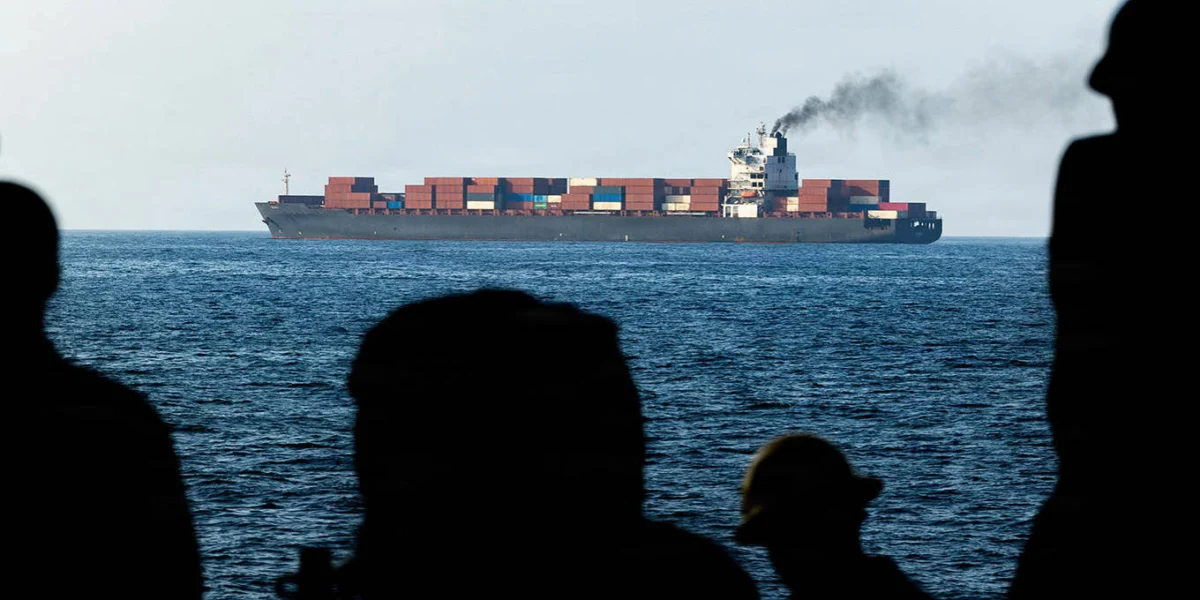
For months leading up to the agreement, the global economic landscape has been increasingly shaped by the geopolitical instability emanating from the region. The conflict has led to significant disruptions in the transportation of oil and gas, particularly in key maritime chokepoints. Sanctions, counter-sanctions, and the general risk premium associated with the region have contributed to a sustained upward pressure on energy prices. This has, in turn, fueled inflationary pressures worldwide, impacting everything from consumer goods to industrial production. The International Monetary Fund (IMF) has repeatedly highlighted the risks posed by geopolitical fragmentation and commodity price volatility to global economic growth, with energy prices being a primary driver. For instance, prior to the announcement, crude oil prices had seen significant fluctuations, often reacting sharply to news of regional incidents, with benchmark Brent crude trading above $80 per barrel for extended periods, a level that historically contributes to inflationary concerns in developed economies.
The US-Iran relationship has long been a complex and often adversarial one, marked by deep-seated mistrust and competing interests. However, the recent escalation of direct and indirect confrontations had brought the region to a dangerous precipice, raising fears of a wider regional conflict with devastating consequences. The economic implications of such a scenario would have been catastrophic, not only for the nations directly involved but also for the interconnected global economy.
The Memorandum of Understanding: A Diplomatic Pivot
The memorandum of understanding, announced on Sunday, June 15, 2026, represents a significant diplomatic pivot. While the specifics of the agreement remain largely undisclosed, initial reports suggest it centers on de-escalation measures and a commitment to renewed dialogue aimed at addressing the underlying causes of the recent hostilities. For the United States, the primary objectives likely include securing stable energy supplies, mitigating inflationary pressures, and preventing a broader regional conflict. For Iran, the agreement could offer a potential avenue for sanctions relief and a reduction in international isolation.
The genesis of this diplomatic breakthrough can be traced back to weeks of intense, often behind-the-scenes, negotiations. Senior diplomatic officials from both nations, alongside intermediaries from third-party countries, have been engaged in shuttle diplomacy, attempting to find common ground amidst deeply entrenched disagreements. The recent cessation of certain hostile actions, observed in the days leading up to the announcement, was widely interpreted as a signal of willingness to engage in serious dialogue. This de-escalation, while initially subtle, created the necessary environment for the formalization of the memorandum.
Key Provisions and Potential Implications
While the full text of the memorandum is not yet public, informed speculation suggests that it likely encompasses several key areas:
- De-escalation of Military Activities: A core component is expected to be a commitment to halt or significantly reduce direct and indirect military provocations. This could involve agreements on refraining from aggressive naval maneuvers, cyberattacks, and the targeting of critical infrastructure.
- Resumption of Diplomatic Channels: The memorandum likely signals an intent to re-establish or enhance direct communication channels between Washington and Tehran. This would facilitate the timely resolution of future misunderstandings and prevent minor incidents from spiraling into larger crises.
- Energy Market Stabilization: A crucial element, given the global economic context, is the implicit or explicit understanding that steps will be taken to ensure the unimpeded flow of oil and gas from the region. This could involve assurances regarding maritime security in the Persian Gulf and Strait of Hormuz, vital arteries for global energy trade.
- Framework for Future Negotiations: The memorandum is likely to serve as a foundational document, outlining a roadmap for more comprehensive negotiations on broader issues, potentially including Iran’s nuclear program, regional security, and sanctions relief.
The immediate implication of this agreement is the potential for a significant reduction in geopolitical risk premiums in energy markets. As confidence in de-escalation grows, oil and gas prices could see a downward correction, easing inflationary pressures for consumers and businesses worldwide. This could provide much-needed relief to economies struggling with the twin challenges of inflation and slowing growth.
Challenges and Risks Ahead
Despite the positive sentiment surrounding the memorandum, the path forward is far from guaranteed. Several significant challenges and risks remain:
Political Hurdles
- Domestic Opposition: Both the US and Iranian governments face internal political pressures. In the US, hardline factions may criticize any perceived concessions to Iran, while in Iran, conservative elements could resist any move towards greater engagement with the West.
- Trust Deficit: Decades of animosity have fostered a deep-seated mistrust between the two nations. Rebuilding this trust will require sustained effort and demonstrable commitment from both sides.
- Regional Actors: The agreement’s success will also depend on the reactions of regional powers, some of whom may view a US-Iranian rapprochement with concern, potentially seeking to undermine the process.
Technical and Physical Obstacles
- Infrastructure Vulnerability: Even with de-escalation, critical energy infrastructure in the region remains vulnerable to sabotage or accidents. Ensuring the physical security of oil fields, pipelines, and shipping lanes will be paramount.
- Sanctions Complexity: The intricate web of international sanctions against Iran is a complex issue. Any significant easing of sanctions would require intricate negotiations and potentially face resistance from certain international bodies and individual nations.
- Production Capacity: Restoring Iran’s full oil production capacity, which has been impacted by years of sanctions and underinvestment, will take time and significant capital. The speed at which Iran can increase its output will be a key factor in its impact on global supply.
Economic Ramifications
- Inflationary Impact: While the memorandum offers hope for reduced inflation, the actual impact will depend on the speed and scale of energy supply restoration. Any delays or setbacks could prolong inflationary pressures.
- Market Volatility: Even with an agreement, energy markets are notoriously volatile. Unforeseen events or renewed tensions could quickly reverse any positive trends.
- Global Economic Recovery: The stability of energy markets is intrinsically linked to the broader global economic recovery. A sustained period of lower energy prices would significantly boost confidence and support growth.
Reactions from Key Stakeholders
While official statements are still emerging, initial reactions from key stakeholders paint a nuanced picture:
- International Energy Agencies: Organizations like the International Energy Agency (IEA) have cautiously welcomed the news, emphasizing the potential for market stabilization. However, they have also stressed the need for sustained de-escalation and concrete actions to ensure supply security. Data from the IEA indicates that global oil demand is projected to grow by 1.2 million barrels per day in 2026, making supply stability all the more critical.
- Financial Markets: Global financial markets have responded positively, with stock indices showing upward movement and commodity prices exhibiting a slight downward trend in early trading following the announcement. Analysts are closely monitoring the situation for further developments.
- European Union: The EU, which has been a strong advocate for diplomatic solutions and has been particularly sensitive to energy price shocks, has expressed its support for the memorandum, urging both sides to seize this opportunity for lasting peace and stability.
- Asian Nations: Major energy-importing nations in Asia, heavily reliant on Middle Eastern oil and gas, have also voiced their relief and optimism, hoping for a return to more predictable and affordable energy supplies.
Looking Ahead: A Measured Approach
The US-Iranian memorandum of understanding marks a critical juncture. It is a testament to the power of diplomacy in averting potentially catastrophic outcomes and offers a glimmer of hope for a more stable global economic future. However, it is imperative to approach this development with a sense of measured optimism. The transition from a statement of intent to a tangible improvement in energy supply chains and a reduction in geopolitical risk is a complex undertaking.
The coming weeks and months will be crucial in determining the true impact of this agreement. Sustained commitment to dialogue, transparency in actions, and a willingness to address underlying grievances will be essential for navigating the inherent challenges. The global community will be watching closely, hoping that this fragile dawn will lead to a brighter and more stable future for energy markets and the world economy. The ability of both nations to manage domestic political pressures and the reactions of regional allies will be as important as the direct provisions of the memorandum itself. The success of this diplomatic initiative could serve as a crucial precedent for resolving other protracted geopolitical disputes that have destabilized global markets.
