

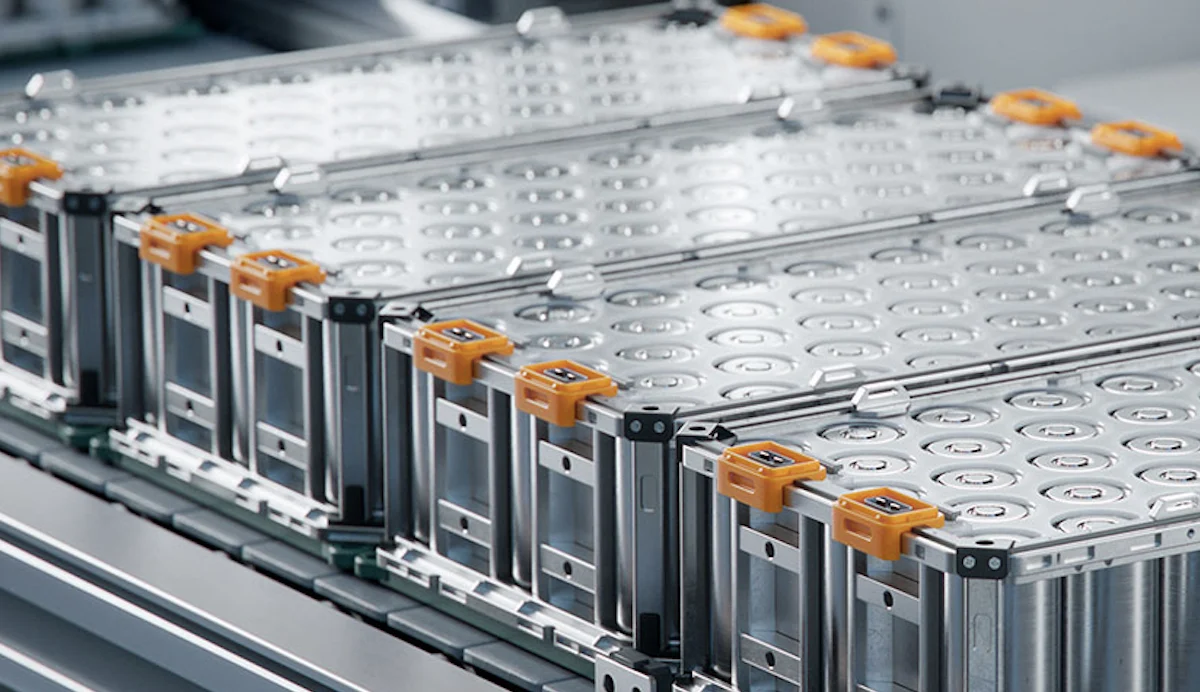
The push for North American energy independence has reached a critical milestone as Graphite One, a Vancouver-based mineral exploration and development firm, formalizes its strategy to onshore the entire graphite supply chain for electric vehicle (EV) batteries and large-scale energy storage systems. By linking a massive mining operation in the remote wilderness of Alaska with a sophisticated processing facility in the industrial heartland of Ohio, the company aims to dismantle the long-standing dominance of overseas suppliers, particularly China, in the critical minerals sector. This initiative comes at a volatile time for the domestic EV industry, which has faced significant political headwinds and shifting federal incentives, yet continues to show resilience through private sector investment and strategic infrastructure development.
The Strategic Importance of Graphite in the Battery Ecosystem
While much of the public discourse surrounding EV battery innovation focuses on lithium, cobalt, and nickel—the primary components of the cathode—the anode remains equally vital and far less diversified in its material requirements. Currently, graphite is the indispensable material for battery anodes, accounting for more than 95% of the market. Despite ongoing research into silicon-carbon composites and lithium-metal alternatives, graphite’s unique combination of high conductivity, thermal stability, and relatively low production cost ensures its dominance for the foreseeable future.
For Graphite One, the market reality is clear: as automakers transition from niche production to mass-market electrification, the demand for high-quality, battery-grade graphite is projected to outstrip current global supply. The company’s internal projections align with broader industry trends, suggesting that while cathode chemistries may evolve rapidly to reduce reliance on expensive materials like cobalt, the anode’s reliance on graphite remains a constant. This creates a strategic vulnerability for U.S.-based manufacturers who currently rely on imports for nearly 100% of their natural graphite needs.
The Graphite Creek Deposit: A Domestic Mineral Powerhouse
The foundation of Graphite One’s vertical integration strategy is the Graphite Creek property, located on the Seward Peninsula in Alaska, approximately 37 miles north of Nome. Identified by the U.S. Geological Survey (USGS) as the largest known graphite deposit in the United States and one of the most significant globally, Graphite Creek represents a generational opportunity for domestic mineral security.
In late 2023 and early 2024, Graphite One confirmed the presence of not only high-grade graphite but also rare earth elements at the site, further enhancing the project’s economic viability and strategic importance. The deposit is characterized by its "flake" graphite, which is particularly well-suited for processing into the spherical graphite required for lithium-ion batteries. The sheer scale of the deposit allows for a multi-decade mining life, providing a stable foundation for the domestic supply chain that is immune to the vagaries of international trade disputes or maritime shipping disruptions.
The development of the Alaska site is more than an industrial project; it is a logistical feat. Operating in the sub-arctic environment requires robust infrastructure and a commitment to environmental stewardship. Graphite One has indicated that the mine will be designed with modern sustainability standards in mind, aiming to minimize the carbon footprint of the extraction process—a factor that is increasingly important to EV manufacturers who are under pressure to ensure their entire supply chains are "green."

Onshoring the Midstream: The Conneaut, Ohio Processing Hub
The second pillar of Graphite One’s plan is the transformation of raw Alaskan ore into Anode Active Material (AAM). In May 2024, the company announced the acquisition of a strategic site in Conneaut, Ohio, situated in Ashtabula County. This location was selected over other potential sites, such as Warren, Ohio, due to its superior logistical advantages and existing infrastructure.
The Conneaut facility will be situated on property managed through an agreement with the Bessemer and Lake Erie Railroad Company, a subsidiary of the Canadian National (CN) Railway. This partnership is central to the project’s efficiency, as it allows for the seamless rail transport of materials across the continent. The site’s proximity to Lake Erie and the Great Lakes shipping corridor provides additional transport flexibility, while the existing power infrastructure in the region is capable of supporting the energy-intensive processes required for graphite purification and coating.
Graphite One’s development timeline for the Ohio facility is divided into two distinct phases:
- Phase I: Construction is slated for completion in the fourth quarter of 2027. This initial stage is designed to achieve a production capacity of 10,000 metric tons of AAM per year.
- Phase II: Following closely behind, Phase II construction is expected to conclude in the third quarter of 2028, expanding the facility’s total capacity to 25,000 metric tons per year.
The company has already moved to secure the technical expertise necessary for these operations. In June 2024, Graphite One engaged a leading global engineering firm to handle production line integration. This team will be responsible for the coordination and optimization of specialized manufacturing equipment, ensuring that the facility can produce high-purity synthetic and natural graphite products that meet the rigorous specifications of global automakers.
Navigating a Volatile Political and Economic Landscape
The timing of Graphite One’s expansion is noteworthy given the turbulent political climate surrounding the U.S. energy transition. The recent political shift, characterized by the removal of the $7,500 federal EV tax credit and a more skeptical stance toward vehicle electrification from the executive branch, has undoubtedly slowed the pace of consumer adoption. However, Graphite One’s leadership and other industry stakeholders view these developments as temporary fluctuations in a long-term structural shift.
The company’s decision to move forward with a multi-billion-dollar infrastructure plan suggests a "de-risking" strategy that transcends electoral cycles. By onshoring the supply chain, Graphite One protects its future customers from potential tariffs and geopolitical retaliations. Furthermore, the company is diversifying its potential revenue streams. Beyond the passenger EV market, there is surging demand for graphite in stationary energy storage systems—essential for the burgeoning data center industry and the stabilization of power grids—as well as in military applications.
Industry Resilience and the Role of the Department of Defense
Despite the loss of certain federal consumer incentives, the industrial momentum for EVs remains visible. Major automakers like Ford are continuing their push into Lithium Iron Phosphate (LFP) battery technology, which aims to make electric vehicles more affordable for the average consumer. Startups like Rivian have also demonstrated resilience, securing a $4.5 billion loan from the U.S. Department of Energy to progress with factory construction in Georgia, signaling that the federal government’s institutional support for the sector remains robust in certain departments.

A surprising advocate for electrification has emerged in the U.S. military. The Department of Defense, traditionally cautious about battery safety and logistics in combat zones, is increasingly exploring EV technology for tactical advantages. The U.S. Army has begun integrating battery-powered anti-idling kits into its fleet, which allow onboard electronics to function without the heat signature and noise of a diesel engine. Moreover, the development of cabless, autonomous EVs for logistics and reconnaissance is gaining traction, as these vehicles remove human passengers from the risks associated with battery fires or ambushes. Graphite One’s domestic supply chain is positioned to be a preferred provider for these sensitive defense contracts, where "Made in America" requirements are often mandatory.
Technical Analysis: Why Graphite Remains King
The persistence of graphite in the battery market is a result of its unique crystalline structure, which allows lithium ions to be stored between its layers (a process known as intercalation) with minimal volume change. This leads to high cycle life—meaning the battery can be charged and discharged thousands of times before losing significant capacity.
While silicon anodes are often touted as the "next big thing" due to their higher theoretical energy density, silicon expands by up to 300% during charging, which can lead to mechanical failure of the battery cell. Currently, silicon is used primarily as an additive (usually less than 10%) to graphite anodes to boost performance without sacrificing longevity. Graphite One’s ability to provide high-purity, consistent flake graphite ensures they remain the primary supplier even as these hybrid silicon-graphite anodes enter the market.
Broader Impact and Economic Implications
The Graphite One project is expected to have a transformative impact on the local economies of both Alaska and Ohio. In Alaska, the mine will provide high-paying jobs in a region where economic opportunities are often limited to seasonal fishing or government services. In Ohio, the Conneaut facility contributes to the "Battery Belt" phenomenon, where the Midwest’s traditional manufacturing base is being repurposed for the green economy.
From a geopolitical perspective, this project represents a significant step toward "friend-shoring"—the practice of sourcing critical materials from domestic sites or close allies like Canada. By utilizing Canadian investment and management alongside U.S. resources and labor, Graphite One exemplifies the integrated North American approach to competing with China’s established mineral hegemony.
As the company moves toward its 2027 production goal, it has already begun providing material samples to three major EV manufacturers and three battery producers. These "A-list" stakeholders are currently evaluating the quality of the Alaskan graphite, with off-take agreements likely to follow as the Conneaut facility nears completion.
Conclusion: A Foundation for the Next Wave of Electrification
Graphite One’s ambitious plan to link the Arctic’s mineral wealth with Ohio’s industrial capacity is a bold bet on the inevitability of the energy transition. While political winds may shift and consumer demand may fluctuate in the short term, the underlying requirement for a secure, domestic, and sustainable supply of critical minerals is undeniable. By controlling the process from the mine to the finished anode material, Graphite One is not just building a company; it is constructing a vital piece of the national infrastructure that will power the next generation of transportation and energy storage. The success of this venture will likely serve as a blueprint for other critical mineral projects, proving that with the right combination of resource quality, logistical strategy, and industrial expertise, North America can reclaim its position at the center of the global manufacturing stage.
