

Prediction markets, specifically those operated by Kalshi, are now indicating a significantly heightened probability of an interest rate hike by the Federal Reserve in 2026, a stark reversal from earlier expectations of potential cuts. This dramatic shift in market sentiment follows a recent policy meeting where central bank officials signaled a more hawkish outlook, catching many off guard despite the widely anticipated decision to maintain current rates. The odds of a Fed rate hike occurring within 2026 surged to 57% on Wednesday night, a substantial increase from just 35% recorded on Monday, underscoring the immediate impact of the Federal Open Market Committee’s (FOMC) revised projections. Further out, Kalshi traders are assigning a 72% likelihood of an increase before July 2027 and an even higher 85% probability of a hike before the dawn of 2028, reflecting a sustained belief in a tightening monetary policy trajectory.
This re-evaluation of the Fed’s path comes on the heels of the FOMC’s June 2026 meeting, where policymakers opted to hold the federal funds rate steady within its target range of 3.5%-3.75%. This specific decision itself was largely expected, aligning with insights derived from the fed funds futures trading market, which had priced in a near-certainty of no change. However, the subsequent release of the Summary of Economic Projections (SEP), commonly known as the "dot plot," painted a distinctly different picture for the remainder of the year and beyond. Previously, the consensus among officials had leaned towards the possibility of rate reductions within the current calendar year. The updated projections, however, indicated a significant recalibration: nine out of the eighteen participating officials now anticipate that the federal funds rate will conclude 2026 above its prevailing range. The median projection among these policymakers now pegs the fed funds rate at 3.8% by the end of the year, a subtle but critical upward adjustment from previous forecasts, signaling a collective lean towards a tighter stance.
Chairman Warsh’s Inaugural Mark and the Dot Plot’s Nuances
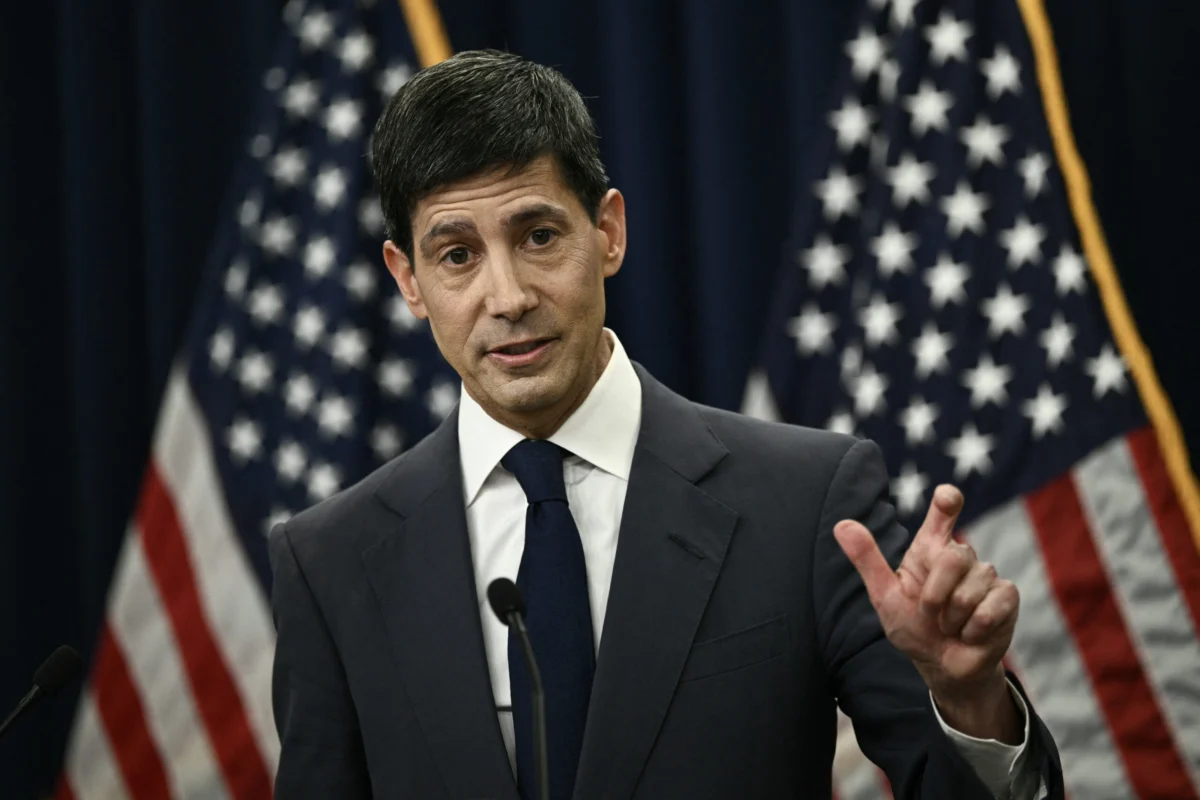
A notable element of the June meeting was the debut of Kevin Warsh as Chairman of the Federal Reserve. His first meeting at the helm of the nation’s central bank was marked by a significant, albeit quiet, break from tradition: Chairman Warsh abstained from submitting his individual forecast on the outlook for interest rates to the closely scrutinized "dot plot." This practice, which allows each FOMC participant to anonymously project their views on the appropriate federal funds rate at various points in the future, is typically a key indicator of the committee’s collective thinking and the Chairman’s personal stance. Warsh addressed his decision in the post-meeting press conference, stating simply, "I did not submit a dot for me. It’s not helpful in the conduct of policy." This move, while unusual, could be interpreted in several ways. It might signal a desire to foster greater consensus within the committee without the perceived influence of the Chairman’s explicit forecast, or perhaps a strategic effort to avoid guiding market expectations too rigidly based on a single individual’s projection, thereby enhancing the flexibility of future policy decisions. Regardless of the underlying rationale, Warsh’s abstention added another layer of intrigue to an already pivotal meeting, emphasizing a potentially new approach to leadership and communication within the Fed.
The "dot plot" itself is a crucial tool for market participants and analysts seeking to decipher the Fed’s future intentions. Each dot represents an individual FOMC member’s projection for the federal funds rate at the end of the current year, the next two years, and over the longer run. The shift in the median projection to 3.8% for year-end 2026, from a prior median that hinted at cuts or stable rates, is not merely a statistical anomaly. It reflects a fundamental reassessment among a significant portion of the committee regarding the economic outlook and the appropriate monetary policy response. This collective recalibration suggests that inflationary pressures or a stronger-than-anticipated economic trajectory may be influencing policymakers to believe that higher rates are necessary to achieve the Fed’s dual mandate of maximum employment and price stability.
The Evolution of the FOMC Statement and Communication Strategy
Beyond the dot plot, the central bank’s hawkish pivot was further underscored by a comprehensive overhaul of its post-meeting statement. This official communiqué, meticulously crafted and scrutinized by global markets, is a primary vehicle for the Fed to convey its assessment of the economy and its policy intentions. The June statement notably removed language that had previously hinted at the prospect of future rate cuts. This omission is highly significant, as even subtle linguistic changes in Fed statements are analyzed for deeper meaning. The removal of such forward guidance on cuts explicitly signals a departure from any immediate inclination towards easing monetary policy and instead points towards a bias for stability or even tightening.
Chairman Warsh elaborated on the revised statement, describing it as "concise" compared to its predecessors. "It’s a bit shorter, a bit simpler and it dispenses with some older language," he noted. "That statement just gives you the facts, as best we can judge it." This move towards a more streamlined and factual statement could represent a deliberate effort to enhance clarity and reduce ambiguity in Fed communications. In an era where every word is dissected for market implications, a more direct approach might be intended to prevent misinterpretations and ensure that the Fed’s message is received as intended. This shift could also be part of Warsh’s broader strategy to modernize the central bank’s communication framework, moving away from overly complex or nuanced language that can sometimes obfuscate rather than illuminate policy intentions.
Background Context: The Economic Landscape Driving Policy Shifts
To fully appreciate the significance of this hawkish turn, it is essential to consider the broader economic context preceding the June 2026 FOMC meeting. The Federal Reserve’s monetary policy decisions are primarily guided by its dual mandate: to foster maximum employment and maintain price stability. For an extended period leading up to this meeting, the economy had likely been grappling with a complex interplay of factors. Inflation, while potentially having moderated from previous peaks, might still have remained stubbornly above the Fed’s long-term target of 2%. This persistence could be attributed to a combination of supply-side constraints, robust consumer demand, or geopolitical factors influencing commodity prices.

Simultaneously, the labor market would likely have demonstrated remarkable resilience. Low unemployment rates, consistent job creation, and perhaps even upward pressure on wages could have indicated an economy operating near or at full employment. While a strong labor market is generally desirable, when combined with elevated inflation, it can create a dilemma for policymakers. The Fed might perceive a risk of the economy overheating, necessitating pre-emptive measures to cool demand and prevent inflationary pressures from becoming entrenched. Gross Domestic Product (GDP) growth figures would also be a critical input, with sustained moderate to strong growth providing the Fed with the confidence that the economy could absorb higher interest rates without tipping into recession.
Historically, the Fed has employed rate hikes to combat inflation by increasing the cost of borrowing, thereby dampening aggregate demand. Conversely, rate cuts are used to stimulate economic activity during downturns or periods of low inflation. The current environment, where the Fed is contemplating hikes after maintaining rates, suggests that the balance of risks has shifted decisively towards controlling inflation or managing potential future inflationary pressures, even if it means slowing the economy slightly. This proactive stance contrasts with periods where the Fed might have adopted a more reactive approach, waiting for definitive signs of economic distress before adjusting policy.
Market Reactions and Broader Implications
The financial markets’ immediate reaction to the Fed’s updated projections and hawkish statement was palpable. Beyond the Kalshi prediction markets, traditional financial instruments also reflected the shift. Bond yields, particularly on shorter-dated U.S. Treasuries, likely saw an upward movement as investors priced in higher future interest rates. A rise in bond yields signals increased borrowing costs for governments, corporations, and ultimately, consumers. Equity markets, while often reacting with initial volatility, tend to view higher rates as a headwind for corporate earnings due to increased financing costs and potentially slower economic growth. Sectors sensitive to interest rates, such as real estate and utilities, often experience more pronounced reactions. The U.S. dollar might also strengthen against other major currencies, as higher domestic interest rates make dollar-denominated assets more attractive to international investors.
The implications of a potential rate hike in 2026 are far-reaching and touch various facets of the economy:
- Borrowing Costs: For consumers, higher rates translate to more expensive mortgages, car loans, and credit card debt. This can dampen consumer spending, particularly on big-ticket items.
- Housing Market: The housing sector is notoriously sensitive to interest rates. Higher mortgage rates can reduce affordability, slow home sales, and potentially put downward pressure on housing prices, especially in overheated markets.
- Business Investment: Corporations face higher costs for capital investment and expansion. This could lead to a slowdown in hiring and reduced business spending, impacting economic growth.
- Corporate Earnings: Companies with significant debt loads will see their interest expenses rise, potentially eating into profit margins. This could impact stock valuations.
- Inflation Control: The primary goal of rate hikes is to bring inflation back down to target. If successful, this would stabilize purchasing power for households and provide greater economic certainty. However, there’s always a risk of overtightening, which could trigger an economic downturn.
- Global Economy: As the world’s largest economy, U.S. monetary policy has significant global ramifications. A stronger dollar and higher U.S. rates can put pressure on emerging market economies, making their dollar-denominated debt more expensive and potentially triggering capital outflows.
Chronology of Key Events and Future Outlook
The path to the June 2026 decision has been a dynamic one. Following a period of potentially aggressive rate hikes in prior years to combat surging inflation, the Fed likely transitioned to a "hold" strategy, assessing the impact of previous tightening. Market participants had, for some time, anticipated a pivot towards rate cuts, a sentiment reflected in earlier Kalshi odds and fed funds futures. However, persistent economic data, particularly concerning inflation and labor market strength, seemingly compelled the FOMC to re-evaluate this outlook.
The June 17, 2026, FOMC meeting thus stands as a critical inflection point, marking a clear shift in the Fed’s projected trajectory. With the next committee meeting scheduled for July 28-29, all eyes will be on subsequent economic data releases. Key indicators such as the Consumer Price Index (CPI), Personal Consumption Expenditures (PCE) price index, jobs reports, and GDP figures will be meticulously analyzed by policymakers to inform their future decisions. Any signs of accelerating inflation or a surprisingly robust economy could solidify the case for a rate hike, while a significant slowdown or unexpected disinflationary pressures might temper the hawkish stance.
The transparency and communication surrounding these future decisions will also be paramount. Chairman Warsh’s approach to the "dot plot" and the simplified FOMC statement suggest a desire for clarity, yet the complexities of economic forecasting and policymaking mean that vigilance will remain high. The financial markets, including sophisticated prediction platforms like Kalshi, will continue to serve as a real-time barometer of evolving expectations, reacting to every nuance in economic data and Fed commentary. The current landscape suggests that the era of easy money is firmly in the rearview mirror, and the coming months will likely test the resilience of the economy as the Federal Reserve navigates its commitment to price stability.
Disclosure: CNBC and Kalshi have a commercial relationship that includes customer acquisition and a minority investment.
