

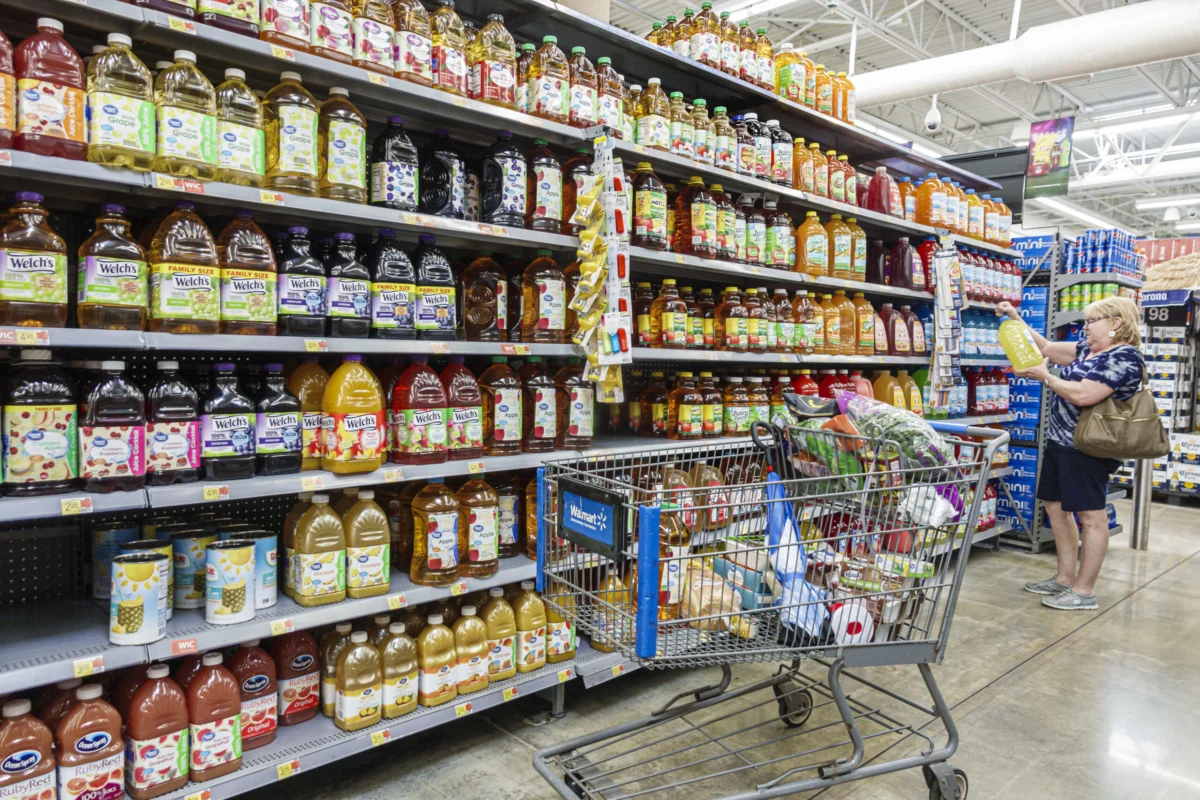
The Federal Reserve is poised to keep interest rates steady at its upcoming policy meeting this week, a pivotal gathering marking the debut of new Fed Chair Kevin Warsh. This decision, widely anticipated by financial markets and economists, comes as the central bank grapples with persistent inflationary pressures that continue to strain U.S. households, particularly concerning affordability. While Warsh, President Donald Trump’s selection to lead the central bank, has previously signaled a willingness to consider rate cuts, the current economic climate, characterized by an inflation rate roughly double the Federal Reserve’s long-term 2% target, suggests a more hawkish posture might be necessary. Experts widely believe that the central bank is more likely to consider hiking rates than cutting them in the near term, a stance that could put Warsh in direct opposition to President Trump’s public calls for sharply lower rates.
Financial markets reflect this expectation, with CME’s FedWatch tool indicating virtually no probability of a rate cut at the June meeting. This consensus underscores the challenging tightrope Warsh must walk as he assumes leadership of one of the world’s most influential economic institutions. The intricate balance between controlling inflation and fostering economic growth, all while navigating political expectations, defines the immediate landscape for the new Fed Chair.
The Inaugural Meeting Under Chair Warsh: A New Era Begins
Kevin Warsh’s first Federal Open Market Committee (FOMC) meeting as Chair is under intense scrutiny. His appointment by President Trump was seen by many as a move to inject fresh perspectives into the Fed’s leadership, potentially aligning the central bank more closely with the administration’s economic priorities, particularly regarding interest rates. Warsh’s prior statements, hinting at a predisposition towards easing monetary policy, had initially fueled speculation about potential rate cuts. However, the prevailing economic indicators, especially the stubborn inflation figures, present a formidable obstacle to such a path.
The Federal Reserve’s dual mandate tasks it with achieving maximum employment and maintaining price stability. With the labor market exhibiting robust health, characterized by low unemployment rates and consistent job creation, attention has largely shifted to the latter objective. Inflation, measured by key metrics such as the Consumer Price Index (CPI) and the Personal Consumption Expenditures (PCE) price index, has consistently exceeded the Fed’s 2% target, reaching peaks well above that level in recent periods. This sustained elevation in prices has eroded purchasing power, diminished real wages for many, and contributed to a widespread sense of financial unease among American consumers. This persistent upward trajectory in prices makes a dovish shift, such as a rate cut, appear increasingly improbable in the immediate future, despite the new Chair’s previous inclinations.
Capital Economics, in a research note dated June 11, succinctly captured the predicament facing Warsh: "A Trump-friendly Warsh would probably still try to toe the line between sounding neutral and acknowledging that hikes are a possibility." This statement highlights the delicate act of balancing perceived political allegiance with the independent, data-driven decision-making expected of the Fed Chair. Financial markets, investors, and the public will be closely watching Warsh’s communication style, the nuances of the FOMC’s post-meeting statement, and any dissenting votes for clues regarding his future policy direction and his ability to assert the Fed’s independence.
Inflationary Pressures: A Sticking Point for Policy
The current elevated inflation rate is not a monolithic phenomenon but rather a complex interplay of factors. Post-pandemic economic recovery saw a surge in consumer demand, often outstripping supply capabilities, leading to price increases. Global supply chain disruptions, exacerbated by geopolitical events and labor shortages, further constrained the availability of goods, pushing prices higher. Energy costs have been a particularly volatile component, with global oil and gas prices influenced by geopolitical tensions, including the conflict in Iran mentioned in the original context, and OPEC+ production decisions. Food prices have also risen significantly due to weather events, supply chain issues, and increased input costs for farmers.
The Federal Reserve’s primary tool to combat inflation is adjusting the federal funds rate. Raising rates makes borrowing more expensive, which is intended to cool demand in the economy, thereby reducing inflationary pressures. However, this process is not immediate and can have lagged effects, making it challenging to precisely time policy actions. The current situation demands careful consideration of whether inflationary pressures are demand-driven, supply-driven, or a combination of both, as the effectiveness of monetary policy can vary depending on the root causes. Persistent high inflation, especially in essential goods and services, disproportionately impacts lower-income households, intensifying the affordability crisis across the nation.
Divergent Views: Core vs. Trimmed Mean Inflation
A significant point of interest surrounding Warsh’s approach to monetary policy is his preferred method for measuring underlying inflation. Economists and policymakers, including outgoing Chair Jerome Powell, have traditionally relied on "core" inflation metrics, which exclude volatile energy and food prices, to gauge the fundamental trajectory of prices. The rationale behind this approach is to filter out short-term, supply-side shocks that might distort the true picture of persistent inflationary pressures. The PCE core inflation rate, the Fed’s preferred measure, has been closely watched for signs of sustained deceleration towards the 2% target.
However, during his Senate confirmation hearing in April, Warsh articulated a preference for "trimmed averages," also known as the "trimmed mean," as an alternative method to measure underlying inflation in the U.S. economy. This approach, often utilized by regional Fed banks like the Federal Reserve Bank of Dallas for their Trimmed Mean PCE Inflation Rate, involves excluding categories of goods and services where price changes, whether exceptionally high or exceptionally low, were most extreme during the month. The underlying assumption is that these extreme price movements are due to "idiosyncratic factors"—such as a sudden surge in demand for a specific product or a temporary supply shock affecting a single commodity—that are likely to be temporary and will eventually ease, rather than signaling broad-based, persistent inflationary pressures requiring a monetary policy response.
Mark Zandi, chief economist at Moody’s, acknowledges the utility of the trimmed mean but also expresses caution regarding its sole reliance. "I find it useful," Zandi said, "I’d say, though, that I’m not sure I’d rely on it. Some of these things that you think might be temporary turn out to be persistent." This sentiment reflects a broader debate within economic circles about the most accurate and reliable indicators for guiding monetary policy, especially in periods of high volatility. For instance, what appears to be an idiosyncratic surge in housing costs in one month might reflect a more persistent trend in real estate.
The distinction between "core" and "trimmed mean" inflation is particularly salient now because these two metrics are currently sending divergent signals. Joe Seydl, a senior markets economist at J.P. Morgan Private Bank, notes that core inflation has been moving higher, while the trimmed mean has been shifting lower. "It’s quite convenient right now for a dovish view," Seydl remarked, implying that focusing on a lower trimmed mean could provide a rationale for a less aggressive, or even accommodative, monetary policy stance. This divergence presents a critical challenge for the Fed, as the choice of inflation measure could significantly influence policy decisions and their perceived justification. If Chair Warsh leans heavily on the trimmed mean, it could signal a more dovish tilt than if he adhered strictly to the higher core inflation figures, potentially leading to differing market interpretations and policy outcomes.
The Political Dimension: Warsh Navigates Presidential Expectations
President Trump’s public statements have consistently advocated for lower interest rates, often expressing frustration with the Fed’s previous tightening cycle. His administration’s economic strategy has frequently emphasized stimulating growth through reduced borrowing costs. This political backdrop adds another layer of complexity for Chair Warsh. While the Federal Reserve is designed to operate independently of political influence, the Chair is a presidential appointee, and the perception of independence is crucial for market confidence.
Warsh’s appointment itself was viewed through the lens of potentially aligning the Fed more closely with the administration’s goals. His challenge will be to maintain the central bank’s credibility as an independent, data-driven institution while navigating the expectations set by his nominator. Any perceived deviation from an objective, inflation-fighting stance could erode trust in the Fed’s commitment to its mandate, potentially leading to market instability. This delicate balancing act will be a defining feature of his early tenure.

Monetary Policy’s Reach: How Rates Impact Everyday Americans
Understanding the Federal Reserve’s role is crucial for comprehending its far-reaching impact on household finances. The Fed primarily influences the economy by setting the target range for the federal funds rate, which is the interest rate banks charge each other for overnight lending. This benchmark rate, while seemingly abstract, serves as the foundation for a vast array of other interest rates throughout the economy, directly affecting consumer borrowing and savings.
When the Fed decides to raise its benchmark rate, borrowing generally becomes more expensive across the board. This impacts everything from the interest rates on credit cards and auto loans to business loans for investment and expansion. For instance, the average annual percentage rate (APR) on credit cards often tracks the prime rate, which moves in lockstep with the federal funds rate. Similarly, rates on home equity lines of credit (HELOCs) and adjustable-rate mortgages (ARMs) typically adjust upwards. Higher borrowing costs are designed to cool down an overheating economy and rein in inflation by reducing consumer demand and business spending. Conversely, when the Fed cuts its benchmark rate, borrowing becomes cheaper, encouraging spending and investment, which can stimulate economic growth but also risk fueling higher prices.
Short-term rates, such as those on credit cards, savings accounts, and money market accounts, are typically very closely tied to the Fed’s benchmark. Consumers with variable-rate debt will see their payments adjust relatively quickly in response to Fed actions. For savers, higher rates can be a boon, offering better returns on deposits, though inflation often still outpaces these gains. Longer-term rates, like those for fixed-rate mortgages and certain corporate bonds, are influenced by a broader set of factors, including inflation expectations, the bond market’s supply and demand dynamics, and global economic conditions, though the Fed’s stance still plays a significant role. With the expectation of rates remaining "higher than they’d like in the near future," as noted by Matt Schulz, chief credit analyst at LendingTree, consumers must brace for continued elevated costs on new borrowings and existing variable-rate debts, potentially impacting decisions on major purchases like homes and cars.
The Consumer Landscape: Affordability, Debt, and the K-Shaped Economy
The cumulative effect of sustained high inflation and elevated interest rates has created a challenging financial environment for many American households. Affordability concerns are paramount, particularly as essential expenses continue their upward climb. Rising energy costs, in particular, have been a significant drain on household budgets, making it harder for many to keep up with daily necessities and maintain their standard of living. Data from the U.S. Energy Information Administration (EIA) has consistently shown increases in electricity, gasoline, and natural gas prices, directly impacting transportation and utility bills for millions. This is compounded by rising costs in other non-discretionary categories such as housing, healthcare, and education.
This financial strain is exacerbating what economists refer to as a "K-shaped recovery," a phenomenon describing the divergent economic experiences of different income groups. Higher-income households, often with more substantial savings, investments, and stable employment, are increasingly better off, navigating the economic headwinds with relative ease. They may even benefit from rising asset values in real estate or stock markets. In stark contrast, lower-income households are struggling profoundly to make ends meet, facing the brunt of inflation with limited financial cushions and often relying on credit, which has become more expensive. This segment of the population is more susceptible to economic shocks and has fewer options for wealth accumulation.
Michele Raneri, vice president and head of U.S. research and consulting at TransUnion, highlighted this trend: "Elevated essential expenses, particularly those tied to energy, continue to strain household budgets and contribute to ongoing financial uncertainty. These dynamics are expected to further reinforce the K-shaped pattern." This divergence in economic fortunes risks widening wealth inequality and creating social tensions, making the Fed’s policy decisions not just economic but also profoundly social in their implications. Consumer confidence surveys have also reflected this bifurcation, with higher-income groups reporting greater optimism than their lower-income counterparts.
Adding to these pressures, an estimate by the U.S. Congress Joint Economic Committee – Minority found that tariffs and the ongoing war with Iran cost each household more than $3,100 from 2025 through May of 2026. While these factors are external to direct Fed policy, they contribute to the overall inflationary environment and reduce household purchasing power, further complicating the central bank’s efforts to manage the economy. The combination of geopolitical instability, specific trade policies, and domestic inflation creates a multifaceted challenge for the average American household, demanding a comprehensive and nuanced response from policymakers.
Chronology of Recent Monetary Policy and Economic Trends
To fully appreciate the current context, a brief look at the recent history of monetary policy is essential. Following the unprecedented economic shock of the early 2020s (specifically, the COVID-19 pandemic), the Federal Reserve implemented aggressive monetary easing measures, including near-zero interest rates and large-scale asset purchases (quantitative easing), to support the economy and financial markets. This period aimed to prevent a deeper recession and foster a rapid recovery.
- March 2020: Federal Reserve slashes the federal funds rate to near zero (0%-0.25%) and launches extensive quantitative easing programs to stabilize markets and stimulate the economy during the pandemic.
- Late 2021: Inflationary pressures begin to mount, initially dismissed by the Fed as "transitory" due to supply chain issues and pent-up demand. However, inflation rates accelerate beyond expectations.
- March 2022: The Federal Reserve initiates its first interest rate hike in over three years, raising the federal funds rate by 25 basis points, signaling a hawkish pivot to combat surging inflation. This marks the beginning of one of the most aggressive tightening cycles in decades.
- Throughout 2022-2023: A series of substantial and rapid rate hikes ensue, with multiple 50 and 75 basis point increases, bringing the federal funds rate to a range not seen in over two decades (e.g., 5.25%-5.50%). The goal is to bring inflation down to the 2% target.
- Late 2023-Early 2024: As inflation shows signs of moderation (though remaining elevated), the Fed signals a potential pause in rate hikes. Discussions shift from whether to raise rates to when to begin cutting them.
- April 2024: Kevin Warsh’s Senate confirmation hearing takes place, where he outlines his economic philosophy and discusses his preference for the "trimmed mean" inflation measure. His nomination is confirmed shortly thereafter.
- May 2024: Latest inflation data (e.g., CPI, PCE) continues to show persistence, dampening market hopes for immediate rate cuts and reinforcing the expectation of a "higher for longer" rate environment.
- June 2024: The first Federal Open Market Committee (FOMC) meeting under new Chair Kevin Warsh. Markets widely expect rates to be held steady as the Fed assesses incoming data and Warsh sets his tone.
This timeline underscores the dynamic nature of economic conditions and the Federal Reserve’s adaptive policy responses. The current period represents a crucial juncture, as the cumulative impact of past actions is still unfolding, and new leadership takes the helm amidst persistent economic challenges.
Broader Economic Implications and Future Outlook
The Federal Reserve’s current stance and future trajectory have significant implications beyond individual household budgets. On a macroeconomic level, sustained higher interest rates can slow down overall economic growth by making it more expensive for businesses to borrow and invest, potentially leading to reduced hiring or even layoffs in some sectors. Industries particularly sensitive to interest rates, such as housing, automotive, and capital-intensive manufacturing, are already feeling the pinch. For instance, rising mortgage rates have significantly impacted housing affordability, leading to a slowdown in both new and existing home sales, and dampening construction activity. Auto loan rates have also climbed, making vehicle purchases more expensive for consumers.
Internationally, the Fed’s policy influences global capital flows and the strength of the U.S. dollar. Higher U.S. rates can attract foreign investment seeking better returns, strengthening the dollar. A stronger dollar, in turn, makes U.S. exports more expensive for foreign buyers and makes imports cheaper for American consumers. This can have ripple effects on global trade balances, the economies of other nations (especially those with dollar-denominated debt), and international financial stability.
Looking ahead, the path of inflation will be the paramount determinant of future Fed policy. Should inflation show clear and sustained signs of decelerating towards the 2% target, the door for rate cuts might eventually open, providing some relief to borrowers. However, if inflationary pressures persist, or even reaccelerate due to factors like geopolitical instability, rising energy prices, or renewed supply chain issues, the Fed might be compelled to consider further rate hikes. This would be despite the potential political friction and the increased risk of an economic slowdown or even recession it could induce. The ongoing geopolitical landscape, particularly the war in Iran and its potential impact on global energy markets, alongside domestic supply chain resilience, consumer spending patterns, and labor market dynamics, will continue to be critical variables influencing the inflation outlook and the Fed’s policy decisions.
Chair Warsh’s ability to forge consensus within the FOMC, effectively communicate the Fed’s intentions to the public and markets, and demonstrate unwavering independence from political pressures will be key to establishing his credibility and successfully guiding the U.S. economy through these complex times. The inaugural meeting under his leadership, while expected to yield a steady-rate decision, sets the stage for a period of careful navigation as the Federal Reserve strives to achieve its dual mandate in a highly uncertain economic and political landscape. The delicate balance required to manage both high interest rates and high prices means that "Americans should expect rates to remain higher than they’d like in the near future," a reality that will continue to shape financial decisions for millions.
