

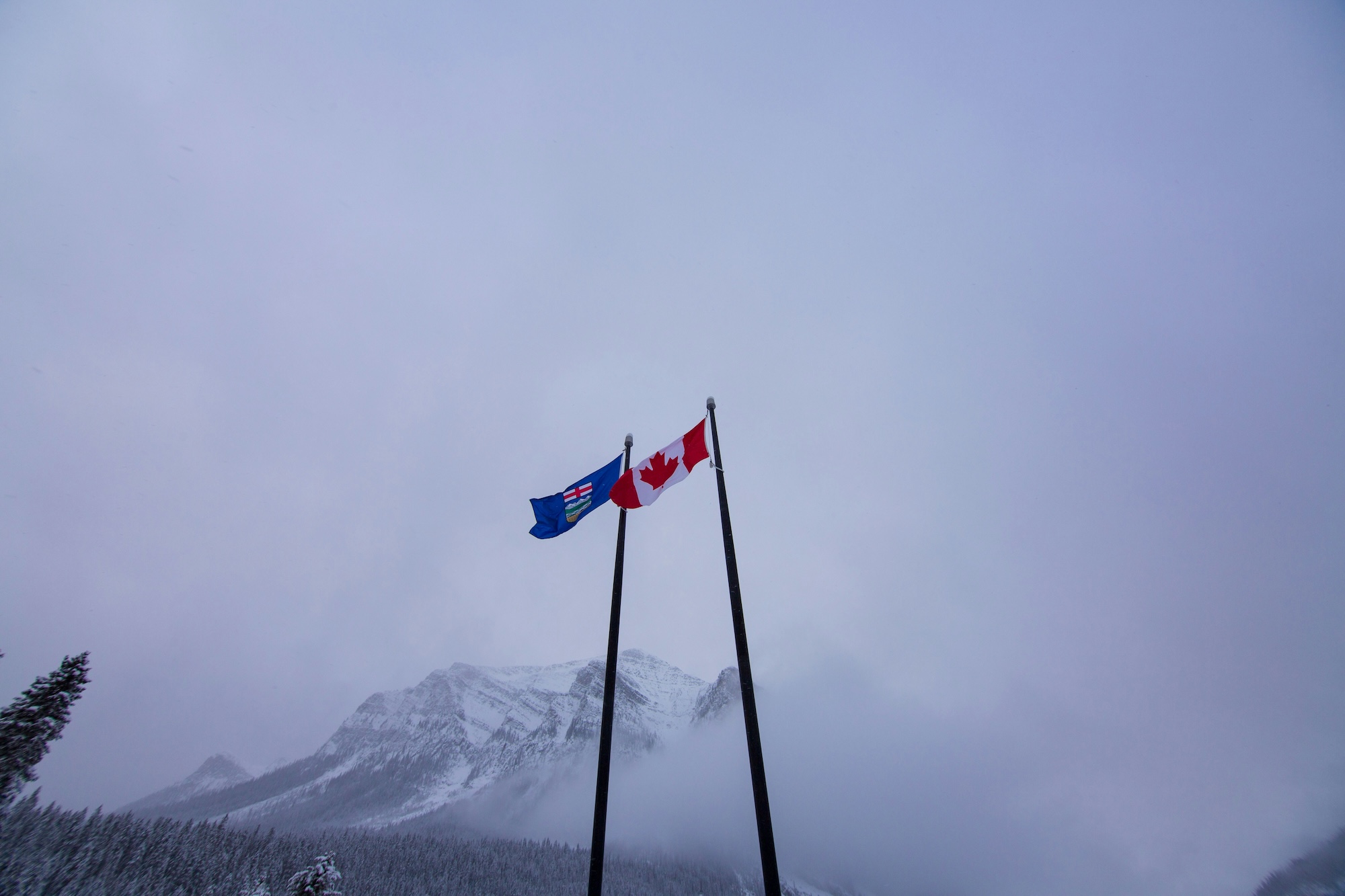
The political landscape of Western Canada has been thrust into a state of unprecedented volatility as Alberta prepares for a high-stakes ballot referendum this fall to determine its future within the Canadian Confederation. What began as a provincial movement rooted in economic frustration has escalated into an international scandal involving a massive breach of voter privacy and alleged interference from high-level political operatives in the United States. Government investigators have linked Alberta’s separatist movement to a Michigan-based organization with ties to the 2024 campaign of U.S. President Donald Trump, raising profound questions about the sanctity of Canadian democratic processes and the influence of foreign interests in domestic constitutional debates.
The Genesis of the Scandal: The Centurion Project and the Voter Leak
The controversy centers on the Centurion Project, a prominent separatist organization led by activist David Parker. The group has been a vocal proponent of Alberta’s secession, leveraging digital tools to mobilize a base of supporters. However, the movement’s credibility was severely compromised earlier this year when an official at Elections Alberta, the province’s independent non-partisan electoral agency, discovered a leaked training video on YouTube.
The video showcased a proprietary database managed by the Centurion Project. Alarmingly, the footage exposed the sensitive personal information of Alberta citizens, including names, residential addresses, and specific polling station numbers. Subsequent investigations by Elections Alberta revealed that the database was built upon an official provincial voter list that the Centurion Project was neither authorized to possess nor distribute.
Legal experts and privacy advocates have characterized the event as one of the most significant privacy incidents in Canadian history. The leaked data encompasses nearly 3 million individuals—essentially the entire voting-age population of the province. While the Centurion Project integrated this data into a searchable app designed to identify and influence potential separatist voters, the organization has denied direct wrongdoing, claiming the datasets were acquired from an unnamed third party.
The Michigan Connection: 10x Votes and Pete Hoekstra
The investigation took a dramatic turn when the technical architecture of the Centurion Project’s app was traced across the border to Michigan. Reporting from Canadian investigative outlets, including PressProgress and the National Observer, established a direct link between David Parker’s organization and "10x Votes," a voter-turnout firm based in the United States.
The 10x Votes app was a cornerstone of Republican mobilization efforts during the 2024 U.S. presidential election. It utilizes a "relational organizing" model, allowing users to search public databases to identify and "claim" infrequent voters within their personal social circles to encourage them to go to the polls. Pete Hoekstra, the Trump-appointed U.S. Ambassador to Canada and former chair of the Michigan Republican Party, has been a vocal proponent of the 10x Votes platform.
Evidence suggests that Parker collaborated with the founders of 10x Votes—two influential political operatives from West Michigan—for nearly two years to adapt the software for the Alberta separatist cause. Furthermore, voter data originating from Alberta was reportedly discovered on the 10x Votes website, suggesting that the U.S. firm did more than just provide software; it may have been involved in the active management or processing of Canadian voter information.
While Ambassador Hoekstra has denied knowledge of his associates’ involvement with Alberta separatists, his personal history of controversial remarks regarding Canada has fueled public outrage. Hoekstra has previously defended President Trump’s rhetorical descriptions of Canada as a "51st state" and has faced criticism for offensive comments regarding the Canadian people and their government.
A Timeline of the Escalating Crisis
The timeline of the current crisis reveals a rapid descent from political activism to legal confrontation:
- Early 2024: The Centurion Project begins active promotion of its "voter identification" app, aimed at building a mandate for the independence referendum.
- April 2024: Elections Alberta discovers the leaked YouTube training video, confirming that the app contains unauthorized provincial voter data.
- May 2024: Investigations are launched by a triumvirate of authorities: Elections Alberta, the Royal Canadian Mounted Police (RCMP), and the Provincial Privacy Commissioner.
- Late May 2024: Investigative reports reveal the financial and technical ties between the Centurion Project and Michigan-based 10x Votes.
- June 2024: David Parker is served with a summons. Reports emerge that Parker has since left the country and is not currently cooperating with the ongoing investigations.
- Present: Calls grow within the Canadian Parliament for the government to declare Ambassador Pete Hoekstra persona non grata, effectively demanding his expulsion from the country.
The Economic Engine of Separatism: Tar Sands and the "Carbon Bomb"
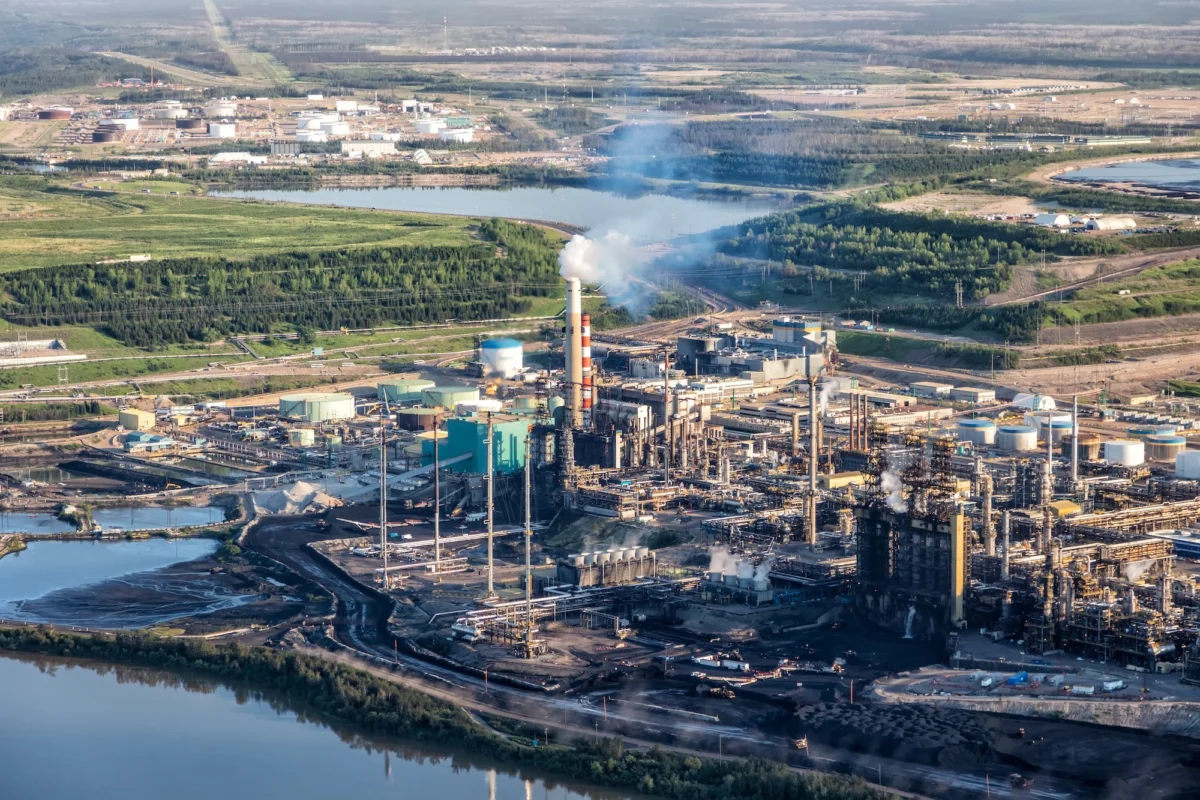
The underlying driver of the "Wexit" or separatist movement is Alberta’s immense natural resource wealth. The province sits atop the Athabasca tar sands, which contain an estimated 167 billion barrels of oil reserves. This resource base is roughly four times larger than the total oil reserves of the United States.
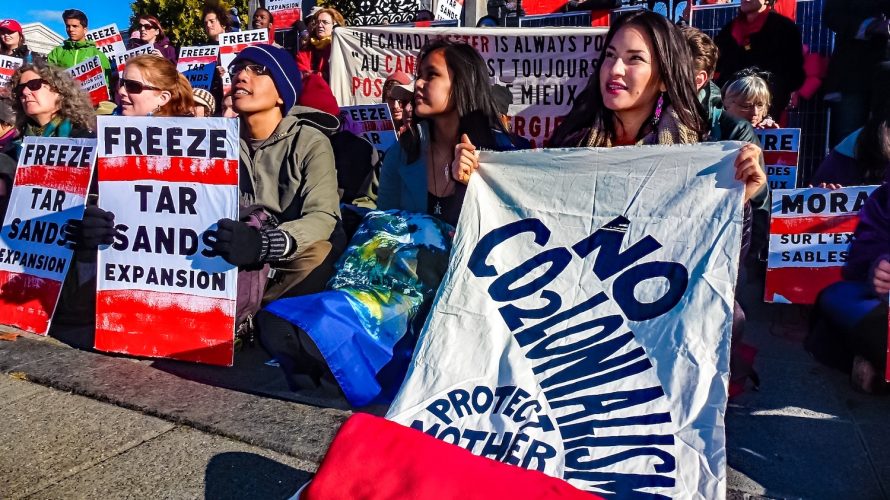
Separatists argue that Alberta’s economy is being stifled by federal climate policies and a "transfer/equalization" payment scheme that sees billions of dollars in provincial tax revenue redistributed to other Canadian provinces. The separatist narrative posits that an independent Alberta, free from federal environmental regulations and fiscal transfers, could become one of the wealthiest nations on Earth.
However, the environmental cost of this wealth is a point of global contention. The extraction of bitumen from tar sands is significantly more carbon-intensive than traditional oil drilling, leading environmentalists to label the reserves a "carbon bomb." Historically, the lack of pipeline access to tidewater has limited Alberta’s ability to export its oil globally, forcing a reliance on U.S. markets. Recent developments, such as the expansion of the Trans Mountain Pipeline and the fast-tracking of the Bridger oil pipeline by the Trump administration, have signaled a shift toward increased production, further emboldening the separatist movement’s economic claims.
The Financial Reality of Independence
In a strategic move to dampen separatist fervor, Alberta Premier Danielle Smith recently released a comprehensive fiscal analysis of the costs associated with secession. The report provides a stark contrast to the "liberation" narrative promoted by groups like the Centurion Project.
According to the provincial government’s estimates, the cost of establishing a fully functional independent state—including the creation of a national military, a central bank, a diplomatic corps, and a border security agency—would be staggering. The calculation suggests that independence would cost approximately $80,000 per resident annually, totaling nearly $400 billion per year for the province.
Premier Smith’s administration argues that these costs would necessitate massive tax hikes or the complete depletion of the province’s heritage fund, potentially leaving the newly formed nation in a state of immediate fiscal crisis. This data has become a central pillar of the "Remain" campaign, aimed at swaying undecided voters who may support the idea of autonomy in principle but fear the practical economic consequences.
Geopolitical Implications and Foreign Interference
The involvement of U.S. political operatives in a Canadian provincial referendum has strained the Canada-U.S. relationship to its most fragile point in decades. The tension is exacerbated by the broader geopolitical context, including trade disputes, tariff threats, and the current U.S. administration’s skepticism of the NATO alliance.
For many Canadians, the Centurion Project scandal is viewed not merely as a privacy breach, but as a coordinated effort by foreign nationals to destabilize the Canadian federation. The Winnipeg Free Press editorial board recently summarized the national sentiment, stating, "Foreign nationals helping Canadian separatists is simply not acceptable."
The backlash has also put pressure on Canadian Prime Minister Mark Carney to take a firmer stance against what is perceived as American meddling. The prospect of a "hostile electorate" in Alberta, combined with the looming U.S. midterm elections, creates a volatile environment where domestic provincial politics are now inextricably linked to international diplomacy.
Fact-Based Analysis of Potential Outcomes
As the fall referendum approaches, the outcome remains uncertain, but several implications are clear:

- Legal Consequences: Regardless of the referendum’s result, the investigations into the Centurion Project and 10x Votes will likely lead to significant legal precedents regarding voter data protection and foreign political funding in Canada.
- Electoral Integrity: The breach has forced Elections Alberta to review its data distribution protocols, likely leading to stricter controls on how voter lists are shared with political parties and advocacy groups.
- Economic Sentiment: If voters prioritize the $400 billion cost estimate over the promise of oil-led wealth, the separatist movement may suffer a definitive defeat, potentially silencing the "Wexit" conversation for a generation.
- Diplomatic Reset: A defeat for the separatist movement would represent a significant setback for the "America First" style of interventionist politics championed by Trump’s allies, potentially leading to a cooling of tensions between Ottawa and Washington if a more traditional diplomatic approach is restored.
The Alberta referendum has evolved from a local debate into a litmus test for the resilience of Canadian democracy in an era of digital warfare and cross-border political polarization. With 3 million voters’ privacy compromised and the economic future of the province at stake, the eyes of the international community remain fixed on the Canadian West.
