

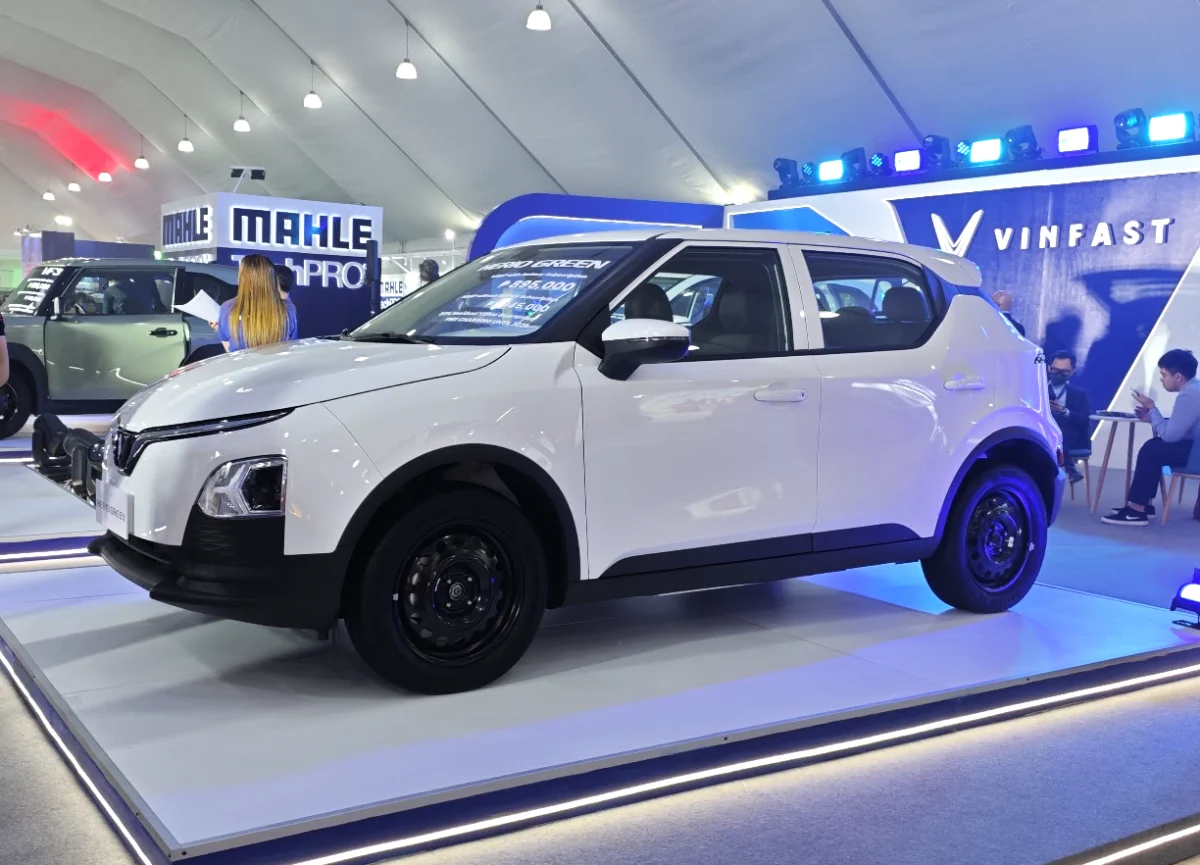
The Vietnamese electric vehicle (EV) manufacturer VinFast has officially launched an ambitious expansion of its Rentapasada program in the Philippines, signaling a strategic shift from traditional automotive sales to a comprehensive business-enablement model. Unlike conventional market entries that prioritize individual consumer ownership, VinFast is focusing on the burgeoning ride-hailing and public transport sectors to establish its footprint in the archipelago. The Rentapasada initiative—a portmanteau of the English word "rent" and the Filipino term "pasada," which refers to the act of driving for hire—is designed to lower the barriers to entry for Filipino drivers who wish to transition to electric mobility without the prohibitive upfront costs typically associated with new vehicle acquisitions.
By integrating vehicle access, a proprietary charging infrastructure, and a dedicated ride-hailing platform, VinFast is positioning its electric fleet not merely as a mode of personal transport, but as a turnkey entrepreneurial tool. This move comes at a critical juncture for the Philippine transport sector, which is currently undergoing a modernization program aimed at replacing aging, high-emission public utility vehicles with cleaner, more efficient alternatives.
A Paradigm Shift in the Philippine Transport Landscape
To grasp the potential impact of the Rentapasada program, it is essential to understand the unique dynamics of the Philippine transport market. In North American and European markets, ride-hailing services like Uber and Lyft are predominantly comprised of "driver-partners" who own and operate their personal vehicles. In contrast, the Philippine market is heavily dominated by a "fleet" model. Statistics indicate that approximately 82 percent of ride-hailing and taxi vehicles in the country are owned by fleet operators or private investors—often referred to as "operators"—who then hire drivers to manage the daily operations.
Under the traditional "boundary" system, a driver pays a fixed daily fee to the owner for the use of the vehicle and keeps whatever earnings remain after fuel and maintenance costs. This system often leaves drivers with narrow profit margins, especially as global oil prices fluctuate. VinFast’s Rentapasada program directly addresses this by offering a daily rate of approximately P1,000 (roughly $18 to $20 USD). This fixed cost provides a predictable financial framework for drivers, allowing them to retain a larger portion of their daily earnings while simultaneously working toward a path of eventual vehicle ownership.
Strategic Vehicle Lineup: The VF 5 and Limo Green
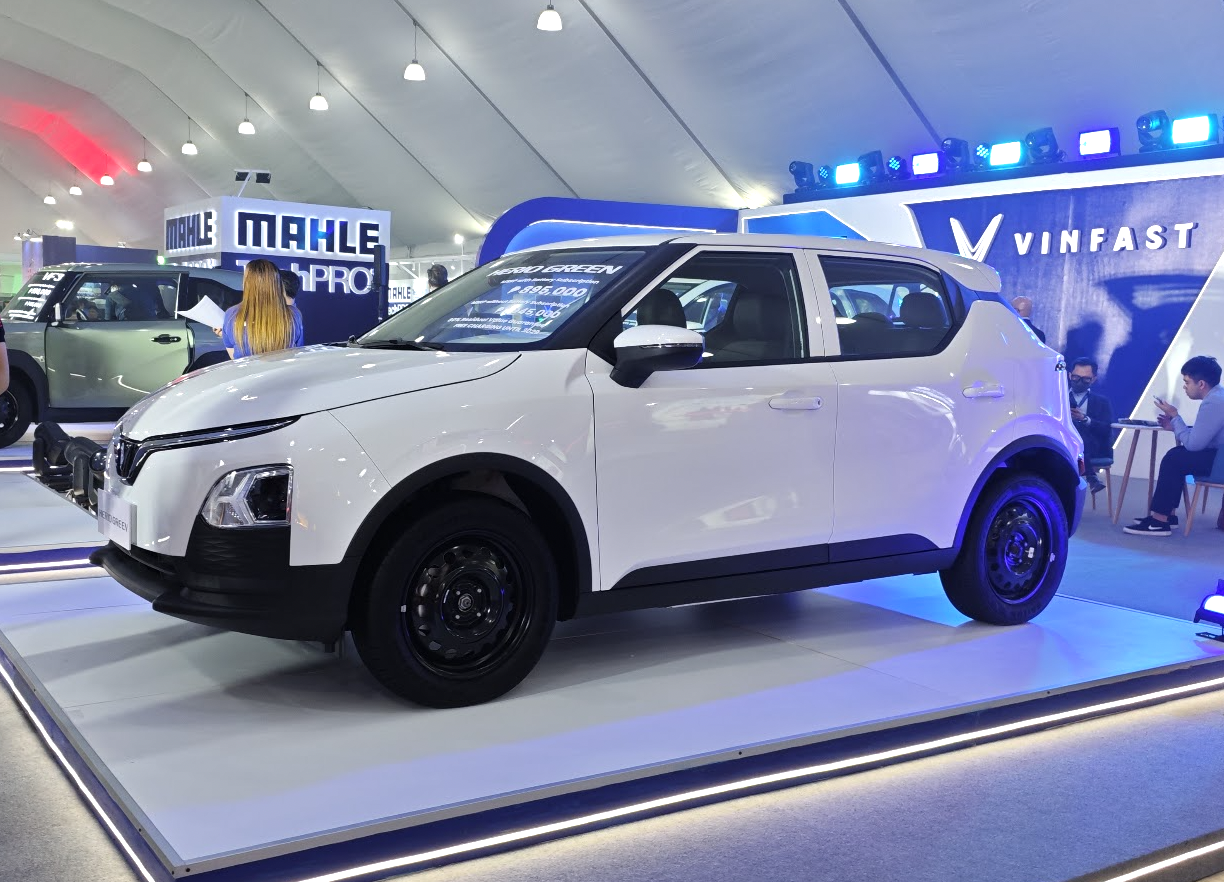
The expansion of the program introduces a two-tiered vehicle strategy designed to cater to different segments of the transport market. The base of the program is built around the VinFast VF 5, a compact electric SUV that has gained popularity for its maneuverability in congested urban environments like Metro Manila. The VF 5 is positioned as the standard-issue vehicle for everyday ride-hailing, offering sufficient range for a full day of city driving on a single charge.

Complementing the VF 5 is the "Limo Green," a seven-seat multi-purpose vehicle (MPV) specifically added to the program to serve high-demand segments such as airport transfers, premium family travel, and larger passenger groups. The introduction of the Limo Green allows transport entrepreneurs to diversify their service offerings. By providing a larger vehicle option, VinFast enables operators to tap into higher-fare brackets, further increasing the revenue potential for participants in the Rentapasada scheme.
The Integrated Ecosystem: Green GSM and V-Green
One of the most significant advantages of the Rentapasada program is its integration into a wider "EV ecosystem." VinFast is not merely providing the hardware; it is providing the operational infrastructure. Drivers in the program are granted immediate access to Green GSM, VinFast’s all-electric ride-hailing platform. This eliminates the "search cost" for drivers, providing them with a steady stream of passengers from day one.
Furthermore, the program includes comprehensive support packages that cover vehicle registration, insurance, and scheduled maintenance. This "all-inclusive" approach is a departure from traditional auto financing, where the owner is responsible for unexpected repair costs that can often derail a small business.
Energy costs, which represent the largest overhead for professional drivers, are addressed through the V-Green charging network. VinFast has implemented an incentive structure where drivers who meet specific performance and safety targets can qualify for complimentary charging at V-Green stations for up to three years. In a country where gasoline prices are subject to significant volatility, the ability to lock in zero fuel costs for three years represents a massive competitive advantage for electric vehicle operators.
Chronology of VinFast’s Entry and Program Expansion
The rollout of the Rentapasada program has followed a rapid timeline, reflecting VinFast’s aggressive growth strategy in Southeast Asia:
- May 2024: VinFast officially launched its brand in the Philippines, introducing its lineup of electric SUVs and scooters to the local market.
- June 2024: The initial pilot of the Rentapasada program was introduced with the VF 5, targeting a small group of early adopters in the Metro Manila area.
- August 2024: VinFast announced partnerships with local financial institutions to streamline the credit assessment process for prospective driver-entrepreneurs.
- October 2024: During the Philippine International Motor Show (PIMS), VinFast Philippines President Rommel Franco announced the official expansion of the program, including the addition of the Limo Green MPV and the extension of the free charging incentives.
- November 2024: The first large-scale fleet of Limo Green taxis began deployment in major commercial hubs and airport routes.
From Renter to Owner: The Path to Equity
Perhaps the most innovative aspect of Rentapasada is its "rent-to-own" philosophy. Unlike a standard lease where the vehicle is returned at the end of the term, VinFast has designed a pathway for drivers to gain equity. At the conclusion of the contract period, drivers have the option to purchase the vehicle they have been operating.
The purchase price is calculated based on the vehicle’s age and battery health, ensuring a fair valuation. Additionally, the security deposits made at the beginning of the program are credited toward the final purchase price. This model transforms the daily P1,000 payment from a sunk cost into an investment, allowing individuals from lower-income brackets to eventually own a high-value asset that provides long-term financial security.
Supporting Data and Economic Analysis
The economic viability of the Rentapasada program is supported by the lower operational costs of EVs compared to Internal Combustion Engine (ICE) vehicles. On average, a taxi driver in Manila covers between 150 to 200 kilometers per day. For a traditional gasoline-powered sedan, fuel costs can range from P800 to P1,200 daily. In contrast, the cost of electricity for the same distance is estimated to be between P250 and P400.
When the free charging incentive is factored in, the savings are even more dramatic. A driver participating in the Rentapasada program could potentially save over P25,000 per month in fuel costs alone. These savings directly offset the P1,000 daily rental fee, making the "effective" cost of the vehicle significantly lower than any traditional financing or boundary arrangement currently available in the Philippine market.
Industry Reactions and Market Implications
Industry analysts view VinFast’s strategy as a direct challenge to established Japanese and Chinese automakers in the Philippines. By focusing on the commercial sector first, VinFast is bypassing the "range anxiety" and high price points that often deter private buyers.
"VinFast is essentially using the ride-hailing sector as a massive showroom," noted a Manila-based transport analyst. "Every passenger who rides in a VF 5 or a Limo Green is a potential future customer. They get to experience the quietness, the torque, and the technology of an EV without the commitment of buying one. It’s a brilliant marketing and distribution strategy."
Environmental advocates have also praised the move, noting that the electrification of high-mileage commercial fleets has a much larger impact on urban air quality than the electrification of private cars that sit idle for 90 percent of the day. The Philippine government, through the Electric Vehicle Industry Development Act (EVIDA), has been pushing for a 5 percent mandatory EV share in corporate and government fleets. VinFast’s initiative aligns perfectly with these national goals, potentially qualifying for further government incentives and green credits.

Challenges and the Road Ahead
Despite the promising start, VinFast faces hurdles. The success of the Rentapasada program is heavily dependent on the rapid build-out of the V-Green charging network. While VinFast has committed to significant infrastructure investment, the reliability of the national power grid and the availability of fast-charging stations in provinces outside of Metro Manila remain concerns.
Furthermore, the "rent-to-own" model requires robust after-sales support. As these vehicles accumulate high mileage quickly, the availability of spare parts and specialized EV technicians will be crucial to maintaining the fleet’s uptime. VinFast has addressed this by establishing a growing network of service centers and mobile service units, but the scalability of this support will be tested as the program grows from hundreds to thousands of vehicles.
Conclusion: A Blueprint for Developing Economies
The VinFast Rentapasada program represents more than just a business expansion; it is a case study in how electric vehicle adoption can be accelerated in developing economies. By shifting the focus from "ownership" to "entrepreneurship," VinFast is democratizing access to clean technology.
As the Philippines continues to grapple with rising fuel costs and the urgent need for environmental sustainability, the Rentapasada model offers a pragmatic solution. It provides a blueprint for how automotive companies can serve as catalysts for economic mobility, turning drivers into business owners and gas-guzzling fleets into icons of a greener future. For VinFast, the Philippines is the proving ground for a strategy that may soon be replicated across other emerging markets in Southeast Asia and beyond.
