

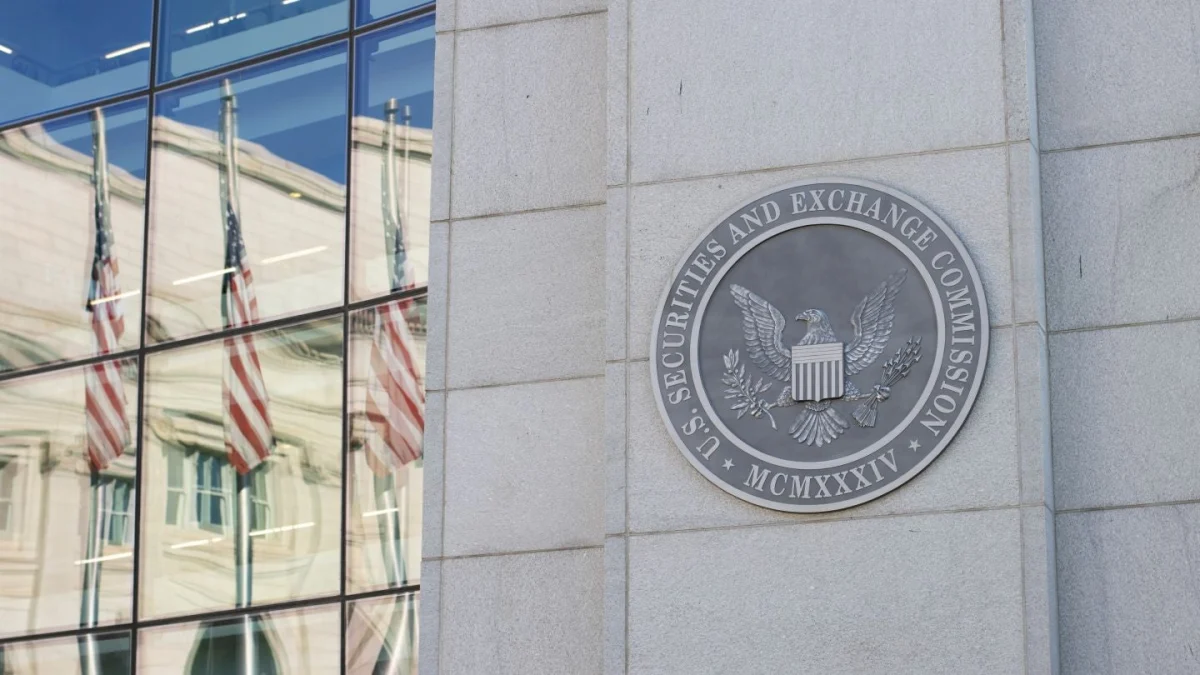
The U.S. Securities and Exchange Commission (SEC) has unveiled a comprehensive set of proposed regulatory adjustments designed to democratize access to investment opportunities, foster innovation within regulated fund structures, and bolster investor protections. These draft measures, which are open for public comment, signal a significant evolution in how investment advisers are compensated and how certain investment vehicles operate, with the overarching aim of aligning commercial incentives with investor interests and expanding the universe of accessible private market investments for a wider range of individuals.
At the core of the proposed reforms is a significant shift in the fee structures permissible for registered investment advisers (RIAs). Under the new framework, RIAs would be permitted to receive performance-linked fees tied to capital growth or appreciation from specific client groups, including regulated funds. This represents a departure from historical restrictions that often limited such performance-based compensation. The rationale behind this proposed change is to better align the interests of investment advisers with those of their clients. By allowing advisers to share in the upside potential of their investment strategies, the SEC aims to incentivize greater diligence, skill, and a focus on long-term capital appreciation. This move is particularly pertinent given the increasing investor demand for exposure to private markets, which often involve longer investment horizons and a greater emphasis on capital growth.
Accompanying these proposed fee structure changes are necessary updates to fund registration and reporting requirements. The SEC mandates that the disclosure of these new remuneration terms would become mandatory within fund prospectuses and other regulatory filings. This ensures transparency for investors, allowing them to fully understand how their investment managers are compensated and the potential implications for their investment returns. The SEC’s emphasis on transparency is a recurring theme throughout these proposals, underscoring its commitment to ensuring investors have the information necessary to make informed decisions.
Beyond compensation, the SEC is also targeting the operational framework of interval funds. The proposed revisions would allow for redemption timetables that are more closely aligned with the liquidity of the underlying portfolio assets. Interval funds, which offer periodic redemption opportunities, have sometimes faced challenges in matching investor liquidity needs with the often-illiquid nature of their investments. By permitting more flexible redemption schedules, the SEC aims to enhance the attractiveness and functionality of these funds for both investors and fund managers. This adjustment acknowledges the practical realities of managing portfolios with varying degrees of liquidity and seeks to create a more efficient and investor-friendly environment.
Furthermore, the SEC plans to replace existing case-by-case exemptive orders with a standardized framework that would enable regulated closed-end funds to issue multiple share classes. This standardization aims to streamline the process for fund managers seeking to offer different types of shares with varying features, such as dividend policies or liquidation preferences. The availability of multiple share classes can cater to a broader range of investor needs and preferences, further diversifying investment options within the regulated fund space. This initiative is expected to reduce administrative burdens and foster greater product innovation among closed-end funds.
The Commission explicitly stated that these proposed changes are intended to achieve several key objectives: to broaden public access to a more diverse array of investment options, to heighten transparency across the investment landscape, and to create a more robust alignment of commercial incentives within the advisory sector. This multi-pronged approach reflects a strategic effort to modernize regulatory frameworks in response to evolving market dynamics and investor demands.
In a parallel and significant development, the SEC is concurrently evaluating new avenues for individuals to attain accredited investor status. The definition of an accredited investor, which currently hinges primarily on income and net worth thresholds, has been a point of discussion regarding its inclusivity. The proposed measures aim to broaden this definition, recognizing that financial sophistication and investment knowledge are not exclusively tied to high net worth.
One of the most notable proposals under consideration is the introduction of an assessment administered by the Financial Industry Regulatory Authority (FINRA). This would offer a non-financial pathway for individuals to demonstrate their eligibility by proving their knowledge and understanding of securities, investments, and commercial matters. This innovative approach acknowledges that individuals may possess significant investment acumen without necessarily meeting the traditional financial thresholds. Such a pathway could unlock access to a wider range of investment opportunities for a more diverse group of investors, fostering greater financial inclusion.
The agency is also reviewing whether individuals can qualify as accredited investors by maintaining specified professional certifications, designations, or licenses in good standing. This recognizes the expertise and rigorous training often associated with certain financial industry credentials. Holding such qualifications could serve as a proxy for an individual’s understanding of financial markets and investment risks, thereby justifying their participation in more sophisticated investment products.
The SEC has provided a 60-day window for interested parties to submit their feedback once the proposals and notices are officially published in the Federal Register. This period is crucial for gathering a wide range of perspectives from market participants, investors, and industry stakeholders, ensuring that the final rules are well-informed and effectively address potential concerns.
SEC Chairman Paul S. Atkins articulated the Commission’s strategic vision behind these proposals. He stated, "Investor demand for private market investment opportunities is growing, and one of my priorities for the Commission is to explore ways to facilitate the ability of individual investors to participate in private markets, while at the same time protecting those investors from bad actors and fraud." Chairman Atkins emphasized that these efforts are designed to expand opportunities for investors’ "post-tax, pre-retirement dollars" and complement initiatives stemming from President Trump’s Executive Order on Democratizing Access to Alternative Assets for 401(k) Investors. This connection highlights a broader governmental push to enhance retirement savings and investment options for American workers.
Background and Context
The proposed reforms emerge against a backdrop of significant shifts in the investment landscape. The past decade has witnessed a burgeoning interest in alternative investments, including private equity, venture capital, and hedge funds, as investors seek higher returns and diversification beyond traditional public markets. However, access to these asset classes has historically been restricted to accredited investors, a definition that many argue is too narrow and excludes a significant portion of the investing public who possess the knowledge but not necessarily the wealth.
The COVID-19 pandemic further accelerated the trend towards digital engagement with financial markets and highlighted the need for accessible and flexible investment solutions. Simultaneously, regulatory bodies worldwide have been grappling with how to balance investor protection with the imperative to foster innovation and broaden market participation. The SEC’s proposals can be seen as a proactive response to these evolving trends, aiming to modernize regulations that were largely established decades ago and may no longer fully serve the contemporary investment ecosystem.
Timeline and Chronology
While specific dates for the finalization of these rules are not yet set, the process typically involves several stages:
- Proposal Publication: The SEC officially publishes the proposed rules and notices in the Federal Register, initiating the public comment period.
- Public Comment Period: A 60-day period during which industry participants, investors, and the general public can submit written feedback, data, and analysis to the SEC.
- SEC Review of Comments: The Commission carefully reviews all submitted comments, considering the various perspectives and potential impacts of the proposed rules.
- Rulemaking: Based on the public feedback and internal deliberation, the SEC may amend the proposals and then formally adopt the final rules. This process can involve additional rounds of comment or direct adoption.
- Effective Date: Once adopted, rules typically have an effective date, allowing market participants time to adjust their operations and systems to comply with the new regulations.
The SEC’s commitment to modernizing its regulatory framework suggests that these proposals represent a significant, long-term strategic direction for the agency.
Supporting Data and Analysis
The growing interest in private markets is substantiated by substantial data. According to Preqin, a leading data provider for the alternative assets industry, global private equity fundraising reached record levels in recent years, indicating a strong demand for these investments. However, data also suggests that a significant portion of retail investors feel excluded from these opportunities. A study by the CFA Institute found that a majority of individual investors expressed interest in private market investments but lacked the means to access them.
The proposed changes to accredited investor status could have a profound impact. By introducing a knowledge-based assessment or professional qualification as alternative criteria, the SEC could potentially unlock access for millions of individuals who are currently excluded. This could lead to a more diversified investor base in private markets, potentially bringing more capital to early-stage companies and innovative ventures.
The allowance of performance-linked fees for RIAs, while potentially beneficial for aligning incentives, also carries inherent risks. Critics often point to the potential for advisers to take on excessive risk to generate higher fees, which could ultimately harm investors. However, the SEC’s emphasis on disclosure and the requirement for these fees to be tied to "capital growth or appreciation" suggests a focus on long-term performance rather than short-term speculation. The success of this measure will hinge on robust oversight and clear guidelines to prevent any potential for undue risk-taking.
The reforms to interval funds and closed-end funds are also significant. The flexibility in redemption schedules for interval funds could make them a more viable option for investors seeking periodic liquidity from less liquid assets. Similarly, the standardization of multiple share classes for closed-end funds could lead to a more competitive and innovative market for these products, offering investors a wider range of choices tailored to their specific investment objectives and risk appetites.
Official Responses and Industry Reactions (Inferred)
While specific reactions are pending the formal publication of the proposals, it is reasonable to anticipate a mixed response from the financial industry.
- Investment Advisers: Many RIAs are likely to welcome the opportunity to charge performance-based fees, viewing it as a way to better reflect their value and attract sophisticated clients. However, there may be concerns about the specific parameters and disclosure requirements associated with these fees.
- Fund Managers: Managers of interval funds and closed-end funds are expected to appreciate the increased operational flexibility and the potential for product innovation that the proposed rule changes would enable.
- Investor Advocacy Groups: These groups will likely be closely scrutinizing the proposals to ensure that investor protections remain paramount. While welcoming broader access, they will emphasize the need for clear disclosures, robust oversight, and mechanisms to prevent exploitation.
- Financial Professionals: The introduction of knowledge-based assessments for accredited investor status could create new opportunities for financial education providers and certification bodies. There may also be discussions about the rigor and fairness of such assessments.
The SEC’s proactive approach, particularly Chairman Atkins’ emphasis on balancing access with protection, suggests a deliberate effort to engage with these diverse perspectives throughout the rulemaking process.
Broader Impact and Implications
The SEC’s proposed reforms represent a potentially transformative moment for the U.S. investment landscape. By lowering barriers to entry for private markets and modernizing fund structures, the Commission aims to foster greater competition, innovation, and ultimately, better outcomes for a wider range of investors.
If enacted, these changes could:
- Democratize Private Markets: Significantly increase retail investor participation in asset classes traditionally reserved for institutional investors.
- Stimulate Economic Growth: Channel more capital into startups and growth-stage companies, fueling innovation and job creation.
- Enhance Investor Choice: Provide a more diverse and tailored set of investment products to meet varying investor needs.
- Modernize Regulatory Frameworks: Bring SEC regulations more in line with contemporary market practices and investor demands.
- Realign Incentives: Create a stronger alignment between investment advisers and their clients, promoting a focus on long-term value creation.
However, the success of these initiatives will depend on careful implementation and ongoing monitoring by the SEC. The agency’s commitment to transparency and investor protection will be crucial in navigating the complexities of these proposed changes and ensuring that the ultimate beneficiaries are the investors themselves. The public comment period will be a critical juncture in shaping the final rules, and the SEC’s response to the feedback received will be closely watched by the entire financial industry.
