

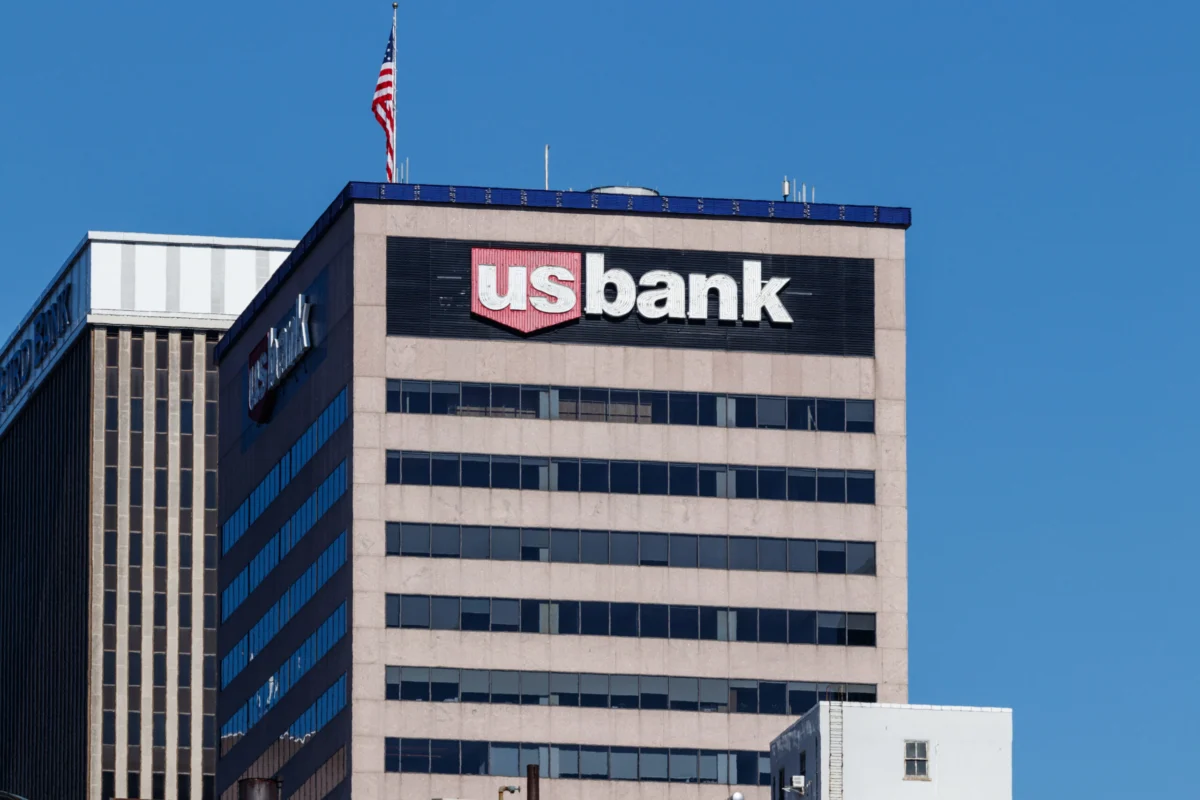
U.S. Bancorp (USB), the parent company of U.S. Bank, is strategically expanding its robust business banking presence across key growth markets in the United States, announcing the addition of new banking professionals in Florida, Georgia, Texas, and Arizona. This targeted expansion is a significant move for the nation’s fifth-largest commercial bank, aiming to deepen its engagement with small and medium-sized enterprises (SMEs) in these economically vibrant regions. The announcement, made public through a press release, underscores U.S. Bank’s commitment to accelerating growth and enhancing its service capabilities in areas experiencing substantial population and business growth. Shares of U.S. Bancorp registered a slight dip, trading 0.38% lower at $62.23 during pre-market hours on Monday following the news, a typical market fluctuation that often accompanies corporate announcements as investors digest the long-term implications of strategic investments.
Strategic Expansion Targets Dynamic Southern and Southwestern Markets
The decision by U.S. Bancorp to bolster its business banking teams in Florida, Georgia, Texas, and Arizona is not arbitrary but a calculated move to capitalize on the robust economic expansion and demographic shifts occurring in these Southern and Southwestern states. These regions have consistently demonstrated above-average rates of population growth, new business formation, and overall economic activity, making them prime targets for banks seeking to expand their commercial client base. By deploying additional bankers, U.S. Bank aims to provide more localized and tailored financial solutions to businesses ranging from emerging startups to established mid-sized companies, thereby fostering stronger client relationships and capturing a larger share of these competitive markets. The expansion encompasses a range of roles, including relationship managers, credit analysts, treasury management specialists, and business development officers, all designed to offer comprehensive support to local enterprises. This strategic investment is expected to enhance U.S. Bank’s ability to serve the diverse needs of businesses, from providing essential working capital and term loans to offering sophisticated payment processing and cash management solutions. The move aligns with a broader trend among financial institutions to focus on high-growth regional markets, where a combination of favorable regulatory environments, diverse industries, and a growing entrepreneurial spirit presents fertile ground for banking services.
U.S. Bancorp’s Strategic Vision: A Deeper Dive
U.S. Bancorp, headquartered in Minneapolis, Minnesota, operates as a diversified financial services company. With approximately $681 billion in assets as of December 31, 2023, it stands as a cornerstone of the American banking landscape. The bank’s operations span a wide array of services, including consumer banking, corporate and commercial banking, wealth management, payment services, and more. Its commitment to business banking has always been a core component of its strategy, recognizing that a thriving small and medium-sized business sector is vital for broader economic health.
This latest expansion reflects U.S. Bank’s strategic imperative to not only maintain its market position but to actively seek out and cultivate new growth avenues. The bank has historically maintained a strong presence in the Midwest and West, and this expansion represents a significant push into the Southeast and Southwest, regions where it sees substantial untapped potential. The approach emphasizes a relationship-centric model, where dedicated bankers work closely with business owners to understand their unique challenges and opportunities, offering customized financial advice and products. This contrasts with a more transactional approach, aiming instead to become an embedded financial partner for businesses as they grow. The expansion is a testament to U.S. Bank’s confidence in its ability to compete effectively in these new territories, leveraging its robust technological infrastructure, extensive product suite, and a reputation for sound financial management. Furthermore, the bank’s commitment to community involvement and local engagement often plays a crucial role in building trust and fostering long-term relationships with businesses in new markets.
Economic Tailwinds Driving the Expansion
The selection of Florida, Georgia, Texas, and Arizona for this strategic expansion is underpinned by compelling economic data that highlights their exceptional growth trajectories. These states have been magnets for both businesses and individuals, driven by favorable tax policies, diverse industrial bases, and a high quality of life.
Florida: Known for its robust tourism, agriculture, and increasingly, its technology and finance sectors, Florida has experienced significant population growth, attracting businesses seeking a dynamic environment. Its business formation rates have been consistently high, indicating a fertile ground for new enterprises that require banking services. The state’s GDP growth has often outpaced the national average, fueled by a strong housing market and sustained consumer spending.
Georgia: With Atlanta as a major economic hub, Georgia boasts a diversified economy encompassing logistics, film production, technology, and advanced manufacturing. The state’s strategic location and infrastructure make it a critical node for national and international trade. Small and medium-sized businesses thrive within this ecosystem, benefiting from access to a skilled workforce and a supportive business climate.
Texas: A powerhouse economy, Texas leads the nation in various sectors, including energy, technology, manufacturing, and healthcare. Its population has surged, attracting major corporations and fostering a vibrant entrepreneurial landscape. The sheer volume of business activity, coupled with a pro-business regulatory environment, presents immense opportunities for financial institutions. Texas’s economy often performs as one of the strongest in the U.S., driven by its vast natural resources and a highly skilled workforce.
Arizona: Emerging as a hub for technology, aerospace, and advanced manufacturing, Arizona has seen remarkable growth in recent years. Its appeal is further enhanced by a lower cost of living compared to some coastal states, drawing both businesses and talent. The state’s innovation ecosystem and expanding urban centers create a continuous demand for sophisticated business banking services.
These states collectively represent a significant portion of the nation’s economic dynamism, offering U.S. Bank a substantial addressable market for its business banking solutions. The presence of a growing number of businesses, many of which are underserved by existing banking options or are seeking more tailored financial partnerships, presents a clear opportunity for U.S. Bank to establish a stronger foothold.
A Phased Approach to Market Penetration
U.S. Bancorp’s expansion into these critical markets is not an overnight endeavor but rather a carefully planned, phased approach. While the exact timeline for the full deployment of all new bankers is proprietary, the announcement signals an immediate and ongoing recruitment and integration effort. This strategic initiative builds upon U.S. Bank’s existing infrastructure and expertise, rather than starting from scratch.
Historically, U.S. Bank has a track record of methodical expansion. For instance, in recent years, the bank has invested heavily in digital transformation, enhancing its online and mobile banking platforms to serve business clients more efficiently, a move that complements physical expansion. This digital backbone allows for a smoother integration of new teams and ensures that clients in new regions have access to the same high-quality services available across the bank’s traditional footprint.
The current expansion likely involves several key stages:
- Recruitment and Onboarding: Identifying and hiring experienced business banking professionals who possess deep local market knowledge and strong client networks.
- Infrastructure Development: While U.S. Bank already has a branch network, this expansion focuses on specialized business banking teams, which may operate from existing facilities or new, dedicated business banking centers within these states.
- Marketing and Outreach: Launching targeted marketing campaigns to introduce U.S. Bank’s enhanced business banking offerings to local businesses.
- Community Engagement: Actively participating in local business associations, chambers of commerce, and community events to build relationships and demonstrate commitment.
This phased approach allows U.S. Bank to incrementally scale its operations, ensuring that new teams are adequately supported and that service quality remains consistent throughout the expansion process. It also provides flexibility to adapt to specific market conditions and competitive dynamics in each state.
Bolstering Local Business Ecosystems
The expansion of U.S. Bank’s business banking team is poised to significantly bolster the local business ecosystems in Florida, Georgia, Texas, and Arizona. Business banking, by its nature, is a critical enabler of economic growth, providing the financial lifeblood necessary for companies to start, grow, and innovate.
The new bankers will offer a comprehensive suite of services tailored for small and medium-sized businesses (SMBs), which are often the primary drivers of job creation and local economic vitality. These services typically include:
- Commercial Lending: Providing term loans, lines of credit, and real estate financing to support capital expenditures, working capital needs, and expansion projects.
- Treasury Management: Offering solutions for efficient cash flow management, including accounts payable/receivable automation, fraud prevention, and liquidity management.
- Payment Solutions: Facilitating merchant services, corporate credit cards, and international payment processing.
- Business Checking and Savings Accounts: Essential tools for day-to-day operations and capital accumulation.
- Trade Finance: Supporting businesses involved in international trade with letters of credit and other instruments.
- Financial Advising: Providing strategic guidance on growth, risk management, and succession planning.
By increasing the availability of these services, U.S. Bank can empower more businesses to access capital, optimize their financial operations, and pursue growth opportunities. This increased access to financial resources is particularly vital for SMBs, which may sometimes face challenges in securing financing from larger, more rigid institutions. The presence of dedicated, local bankers can make a substantial difference, offering personalized advice and faster decision-making processes. Moreover, increased competition among banks often leads to better terms and more innovative products for businesses, ultimately benefiting the entire economic landscape of these states.
Executive Commentary on Growth and Commitment
While specific, direct quotes from U.S. Bancorp executives were not provided in the original snippet, a logical inference based on the nature of such announcements allows for the construction of representative statements that would accompany such a strategic move.
A hypothetical statement from Andy Cecere, Chairman, President, and CEO of U.S. Bancorp, would likely emphasize the bank’s long-term commitment to its clients and its strategic vision: "This expansion into Florida, Georgia, Texas, and Arizona underscores U.S. Bank’s unwavering commitment to fostering economic growth and supporting the entrepreneurial spirit across the nation. These vibrant markets represent significant opportunities for businesses of all sizes, and we are dedicated to providing the financial expertise and resources they need to thrive. Our investment in new talent reflects our belief in the potential of these regions and our promise to be a trusted partner for our clients."
Tim Welsh, Vice Chair, Consumer and Business Banking at U.S. Bank, might elaborate on the operational aspects and the bank’s client-centric approach: "We are excited to welcome a talented cohort of experienced business bankers to our teams in these high-growth states. Their local market insights, combined with U.S. Bank’s comprehensive suite of products and services, will enable us to deliver exceptional value and personalized solutions to our business clients. We understand that every business has unique needs, and our expanded teams are ready to provide the strategic guidance and support that will help them navigate their growth journeys effectively."
Such statements would typically highlight the strategic rationale, the benefits to clients, and the bank’s overall commitment to responsible growth and community engagement.
Analyst Perspectives on Market Dynamics
Industry analysts would likely view U.S. Bancorp’s expansion as a sound strategic move, particularly given the economic vitality of the target states. They would analyze several factors:
Strategic Fit: Analysts would note that the expansion aligns with U.S. Bank’s historically conservative yet growth-oriented strategy. By targeting dynamic markets, the bank aims to diversify its revenue streams and reduce reliance on its traditional strongholds. This geographical diversification can mitigate regional economic risks and provide new avenues for sustainable growth.
Competitive Landscape: The banking sector in Florida, Georgia, Texas, and Arizona is already competitive, with both large national banks and well-established regional players. Analysts would assess U.S. Bank’s ability to carve out market share. Its reputation for strong risk management and customer service, coupled with a robust digital platform, could be key differentiators. However, they would also highlight the significant upfront investment in human capital and marketing required to gain traction.
Revenue and Profitability Impact: In the short term, the expansion might entail increased operational expenses related to hiring and infrastructure. However, analysts would project long-term revenue growth from new loan originations, treasury management fees, and other business banking services. The profitability of this expansion would depend on U.S. Bank’s ability to efficiently scale operations and achieve favorable net interest margins in these competitive markets.
Economic Outlook: The sustained economic strength of the target states provides a favorable backdrop. Analysts would point to continued population influx, business relocations, and robust GDP growth forecasts as positive indicators for U.S. Bank’s investment. However, they would also factor in broader macroeconomic conditions, such as interest rate fluctuations and potential economic slowdowns, which could impact loan demand and credit quality.
Overall, the consensus among analysts would likely be cautiously optimistic, acknowledging the strategic logic while emphasizing the execution challenges inherent in any significant market expansion.
Competitive Landscape and Market Implications
The banking sector across the United States is characterized by intense competition, and the markets in Florida, Georgia, Texas, and Arizona are no exception. U.S. Bancorp’s expansion will undoubtedly intensify this competition, bringing both challenges and opportunities.
Challenges for U.S. Bank: Entering or significantly expanding in established markets means competing with incumbent banks that already have deep client relationships, extensive branch networks, and brand recognition. These include other national giants like Bank of America, Wells Fargo, and JPMorgan Chase, as well as strong regional players such as Truist (in the Southeast), PNC, and various state-specific banks. U.S. Bank will need to differentiate itself through superior service, competitive pricing, innovative product offerings, and a strong local presence. Building trust and market share will require significant time, resources, and consistent effort.
Implications for Existing Banks: For banks already operating in these regions, U.S. Bank’s entry means increased pressure on pricing, services, and talent. They may need to enhance their own offerings, improve efficiency, and redouble their efforts in customer retention to fend off the new competition. This could lead to a more dynamic banking environment, potentially accelerating innovation across the sector.
Benefits for Businesses: The most significant beneficiaries of this increased competition are likely the small and medium-sized businesses themselves. With more banks vying for their business, companies can expect:
- Better access to capital: More lenders mean more options for loans and lines of credit.
- Improved terms and rates: Competition often drives down interest rates and fees.
- Enhanced services and technology: Banks will innovate to attract and retain clients.
- More personalized attention: Bankers will strive to offer bespoke solutions to win over clients.
This dynamic environment can empower businesses, giving them more leverage in their banking relationships and potentially fueling further economic growth in these already burgeoning states.
The Broader Outlook for U.S. Bancorp
This strategic expansion is a pivotal moment for U.S. Bancorp, signaling a proactive approach to growth in an evolving financial landscape. The bank’s long-term outlook hinges on its ability to successfully integrate these new teams, capture meaningful market share, and deliver on its promise of comprehensive and client-centric business banking services.
Beyond the immediate financial implications, this move reinforces U.S. Bank’s commitment to diversified growth. By spreading its geographical risk and tapping into high-growth areas, the bank aims to build a more resilient and adaptable business model. The success of this expansion will not only contribute to U.S. Bank’s revenue and profitability but also enhance its reputation as a leading financial institution capable of serving a broad spectrum of clients across the nation.
The banking industry continues to navigate a complex environment marked by technological disruption, regulatory changes, and evolving customer expectations. U.S. Bancorp’s decision to invest in human capital and expand its physical presence in key markets demonstrates a belief in the enduring value of relationship banking, even in an increasingly digital world. As these new teams become fully operational and begin to cultivate client relationships, the impact of this strategic initiative will become clearer, shaping U.S. Bancorp’s trajectory for years to come and reinforcing its position as a major player in the American financial sector.
