

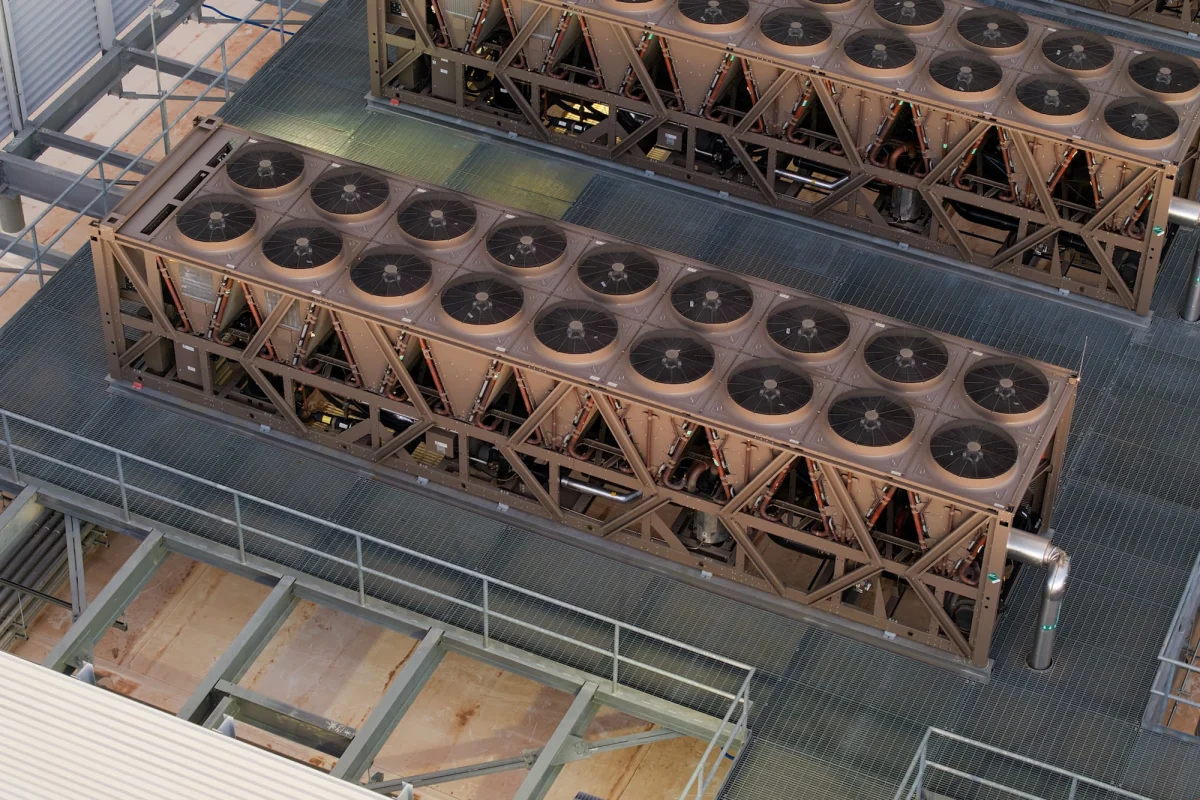
The intersection of artificial intelligence, urban planning, and climate change has reached a critical flashpoint as the United States approaches the 2026 midterm elections. At the center of this storm is the humble data center, once a quiet component of industrial zoning that has transformed into a massive, heat-spewing "hyperscale" facility capable of altering the microclimates of major American cities. Nowhere is this tension more palpable than in Phoenix, Arizona—the hottest major metropolitan area in the country—where a recent surge in data center development has collided with a localized environmental crisis and a complex web of legal and political challenges.
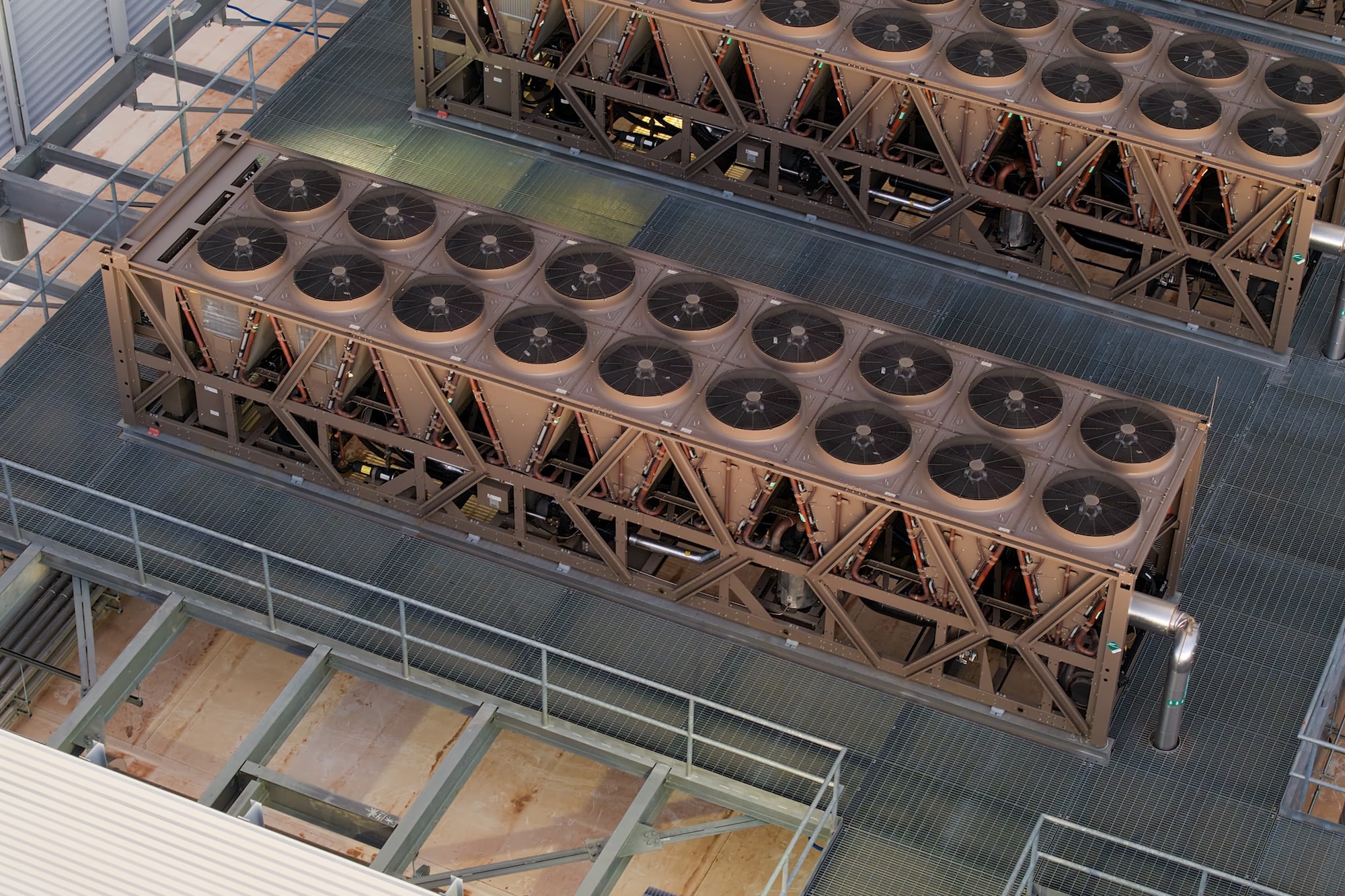
As the demand for AI-driven computing power skyrockets, the physical infrastructure required to support the digital cloud is increasingly coming into conflict with the lived reality of urban residents. New research from Arizona State University (ASU) has quantified what many neighbors of these facilities have long suspected: the massive cooling towers and exhaust systems of data centers are contributing significantly to the "urban heat island" effect, raising temperatures in surrounding neighborhoods by as much as 4 degrees Fahrenheit. This environmental impact, combined with staggering water consumption and a strain on the electrical grid, has turned data center regulation into a top-tier political issue for voters and policymakers alike.
The Evolution of the Data Center Policy Vacuum
For decades, data centers were viewed by municipal planners as ideal "light industrial" tenants. They required minimal parking, generated little traffic, and provided a steady stream of property tax revenue. Earlier facilities were relatively modest in scale, housing servers for local businesses or telecommunications hubs. Consequently, most local zoning codes did not distinguish between a small server farm and a standard warehouse or manufacturing plant.
However, the advent of generative AI and the global shift toward cloud-based services changed the math. The new generation of "hyperscale" facilities operates on a scale previously unimaginable. A single AI data center can consume as much electricity as a small city of 40,000 to 80,000 homes. This rapid evolution has left urban policymakers struggling to keep pace. According to a 2026 report from the Bipartisan Policy Center, the scale of these developments has outstripped the capacity of existing utility planning frameworks and regulatory structures.
The "policy vacuum" described by experts has allowed developers to break ground on massive projects before local governments can implement specific standards for noise, water usage, or heat mitigation. This lack of foresight is now manifesting as a national wave of moratoriums. Currently, research from Connected Capital indicates that 399 jurisdictions across 44 states are in various stages of implementing data center construction bans or severe restrictions.
Phoenix as the Epicenter of the Heat Island Crisis
Phoenix serves as a cautionary tale for the rest of the nation. The city, which already faces extreme heat waves and is rated as "very high risk" by the Federal Emergency Management Agency (FEMA), is home to over 100 operational data centers. Another 40 are currently in the planning or construction phases. In a desert environment where summer temperatures regularly exceed 110 degrees Fahrenheit, the addition of industrial heat sources is not merely an inconvenience; it is a public health hazard.
The urban heat island effect occurs when asphalt, concrete, and buildings absorb solar radiation during the day and release it at night. In Phoenix, this effect already keeps the city 10 to 14 degrees hotter than surrounding rural areas. The ASU study, led by David Sailor, director of the School of Geographical Sciences and Urban Planning, provided the first precise, ground-level data on how data centers exacerbate this. By using air temperature sensors upwind and downwind of hyperscale facilities, researchers found that the waste heat travels up to five city blocks, creating a "heat plume" that persists long after the sun goes down.
The implications are severe for energy costs and health. Every degree of temperature increase in a city like Phoenix leads to higher air conditioning bills for residents and increased risk of heat-related illness for vulnerable populations. Sailor’s research characterizes this as a "previously undocumented urban thermal hazard" that demands immediate attention from urban planners.
A Chronology of Policy Failure and Legal Backlash
The attempt to rein in data center growth in Arizona has been marked by a series of reactive measures that have often backfired.

June 2025: In response to growing public concern over water and power usage, the Arizona state legislature approved a three-year moratorium on tax incentives for new data centers, set to begin in July.
July 2025: The "Gold Rush" effect took hold. In the weeks between the signing of the budget and the effective date of the moratorium, the state received 113 applications for tax breaks—nearly as many as it had received in the previous 13 years combined. This surge locked in dozens of projects under old, lenient rules.
Late 2025: The Phoenix City Council formally adopted its first-ever zoning ordinance specific to data centers. The new rules required special permits, noise studies, and design standards to mitigate the impact on residential areas.
Early 2026: The legal backlash began. Under Arizona’s Proposition 207—a 2006 law that allows property owners to sue for "diminution of value" caused by new zoning—at least 11 developers and landowners demanded compensation. The total bill presented to the city of Phoenix reached a staggering $753 million.
To avoid bankruptcy-level payouts, Phoenix has been forced to negotiate "waivers" with developers, essentially allowing many projects to bypass the new environmental standards in exchange for dropping their lawsuits. This has created a "Swiss cheese" regulatory environment where some of the largest projects remain exempt from the very rules designed to control them.
The Displacement Effect: From Phoenix to Peoria and Beyond
When one city tightens its belt, developers frequently "jurisdiction hop" to neighboring towns with fewer restrictions. This was evidenced when Aligned Data Centers abandoned a project in Phoenix following the new zoning rules, only to file plans for a 95-acre facility in the nearby city of Peoria.
Peoria’s Legacy Point industrial zone currently allows large-scale water users and warehouses without specific restrictions. While Peoria officials are now scrambling to update their own zoning codes—considering larger setbacks and landscape buffers—the Aligned facility may be grandfathered in, highlighting the need for regional rather than just local cooperation.
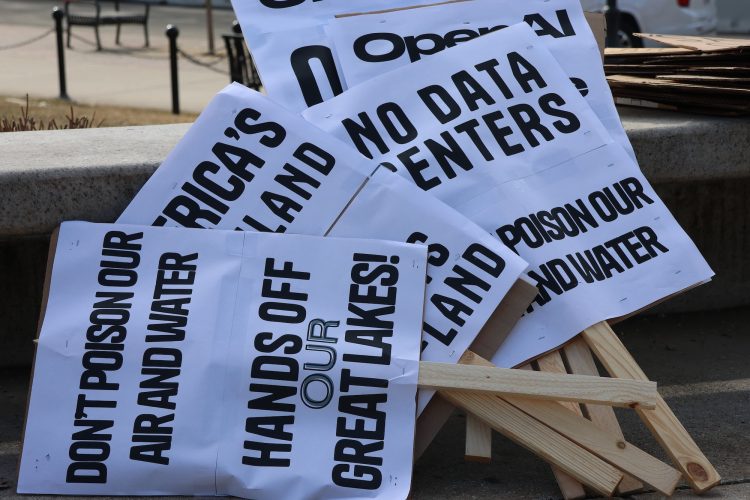
This pattern is repeating across the country. In Aurora, Colorado, residents recently flooded city council meetings to protest a proposed data center that would include 28 emergency diesel generators. Protesters, ranging from teenagers to retirees, expressed fear that the facility would destroy the character of their residential neighborhood and introduce air and noise pollution. The Aurora case is particularly notable because the project was moving through administrative channels without a public vote until citizens mobilized.
The Infrastructure Burden: Water, Power, and Rates
Beyond the heat, the sheer resource intensity of data centers is putting a strain on municipal infrastructure. In water-stressed regions like the Southwest, the millions of gallons required daily for evaporative cooling systems are a point of contention. While some newer facilities are moving toward "closed-loop" air cooling, these systems often require even more electricity, creating a trade-off between water conservation and power grid stability.
For the average citizen, the most direct impact is often felt in the wallet. The massive investment required to upgrade transmission lines and substations to accommodate hyperscale data centers is frequently passed on to all ratepayers. In several states, consumer advocacy groups have pointed to data center expansion as a primary driver of double-digit increases in monthly electricity bills.
Global Initiatives and the Path Forward
The struggle to balance technological progress with urban livability is not unique to the United States. Earlier this year, the Global Urban Data Centres Pact was formed in partnership with the C40 urban advocacy organization. The Pact, which includes Phoenix and 20 other U.S. cities among its 42 global members, aims to establish a set of "best practices" for sustainable development.
The Pact’s vision includes:
- Waste Heat Recovery: Encouraging data centers to pipe their excess heat into district heating systems for homes and businesses, turning a pollutant into a resource.
- Zero-Carbon Power: Requiring developers to invest in new renewable energy capacity rather than just drawing from the existing grid.
- Community Investment: Challenging firms to fund local infrastructure, such as parks or cooling centers, to offset their environmental footprint.
Analysis: The Midterm Mandate
As the 2026 midterm elections approach on November 3, the "data center problem" has moved from the backrooms of zoning boards to the forefront of political campaigns. Candidates at the local and state levels are being forced to take a stand on whether they prioritize the tax revenue and "tech hub" prestige of data centers over the environmental and financial concerns of their constituents.
The era of treating data centers as invisible infrastructure is over. The ASU research has provided the scientific "smoking gun" that links these facilities to the worsening urban heat crisis, and the legal battles in Phoenix have exposed the high cost of reactive policymaking. Whether through the ballot box or through rigorous new international standards like the C40 Pact, the next two years will determine if the "cloud" continues to bake America’s cities or if it can finally be brought under sustainable control.
