

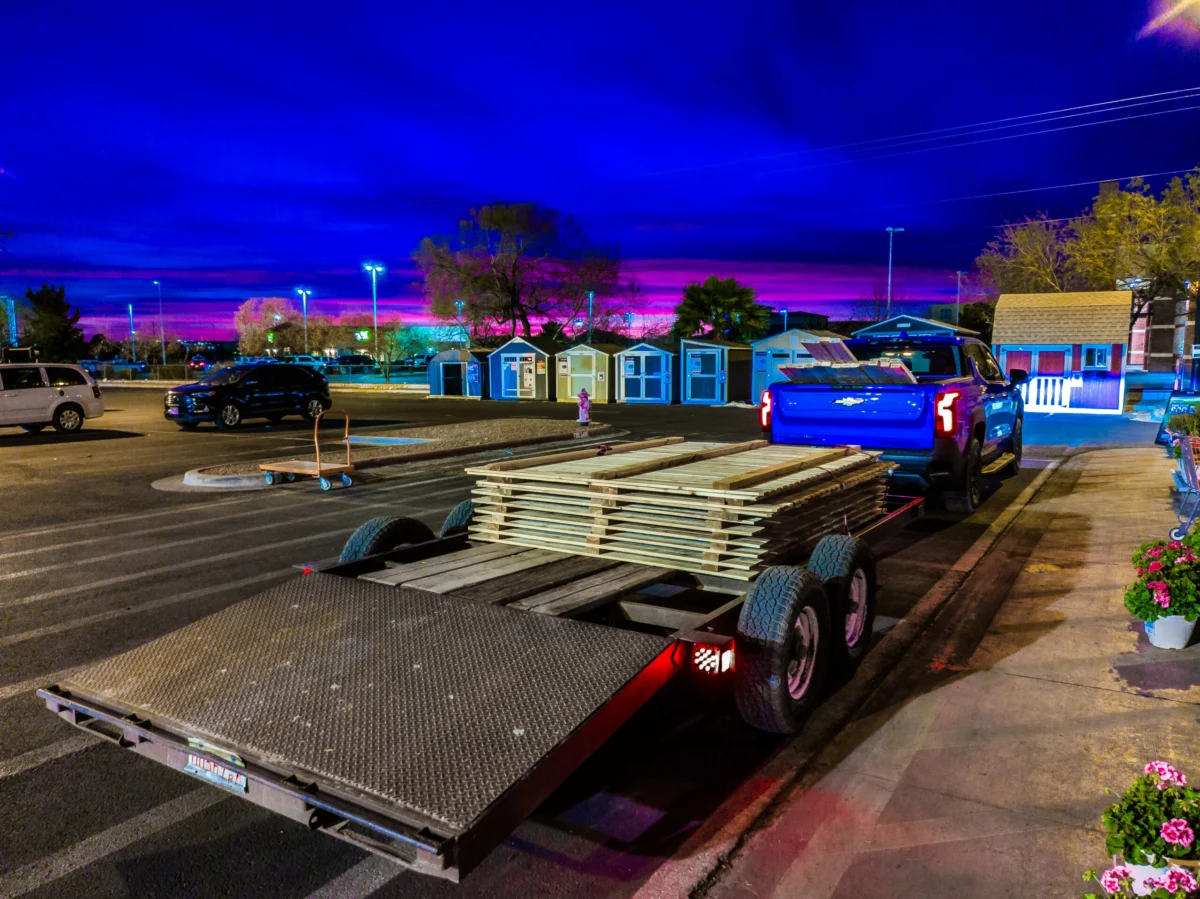
The emergence of "active-assist" trailers represents a significant technological attempt to solve the most persistent hurdle in the electric vehicle (EV) transition: the drastic reduction in range experienced when towing. Startups such as Pebble, Lightship, and Evotrex have introduced a new category of recreational vehicles equipped with independent battery packs and electric motors. These "powered trailers" are designed to propel themselves in synchronization with the tow vehicle, effectively neutralizing the aerodynamic drag and weight that typically deplete an EV’s battery. While the concept promises to eliminate "range anxiety" for outdoor enthusiasts, a deeper analysis of real-world logistics, infrastructure limitations, and evolving battery economics suggests that the powered trailer may face substantial headwinds before achieving mainstream viability.
The Mechanics of Active-Assist Technology
Active-assist trailers operate on a sophisticated premise of load sensing and torque matching. By utilizing sensors in the hitch assembly, the trailer detects when the tow vehicle is accelerating or maintaining speed. The trailer’s internal electric motors then provide a corresponding amount of propulsion, ensuring that the truck feels as though it is pulling little to no weight.

For example, the Lightship L1 features an 80 kWh battery pack, which is nearly as large as the battery in a standard Tesla Model 3. Similarly, the Pebble Flow utilizes a 45 kWh battery and integrated motors to assist the tow vehicle. This technology is primarily aimed at the luxury RV market, where consumers are willing to pay a premium to maintain the 200-to-300-mile range of their electric pickups, such as the Ford F-150 Lightning or the Rivian R1T, which often see their range halved when pulling traditional, "passive" trailers.
The Logistics of Dual-Vehicle Charging
One of the most significant practical challenges identified by long-distance EV travelers is the complexity of charging two separate high-capacity battery systems. Current public charging infrastructure, dominated by Tesla’s Supercharger network and third-party providers like Electrify America and EVgo, is largely designed for single vehicles in "pull-in" or "back-in" configurations.
When a driver operates an active-assist trailer, they are essentially managing two independent EVs. In a real-world scenario, if both the truck and the trailer require a charge, the driver must navigate several hurdles:

- Unhitching Requirements: Most current charging stations do not offer "pull-thru" lanes long enough to accommodate a truck and a 25-foot trailer. Consequently, a driver may be forced to unhitch the trailer, park it in a separate area, charge the truck, and then move the trailer to a second charger—or use a remote-control feature, like the one offered by Pebble, to guide the trailer into a stall. This process can add 30 to 60 minutes to every charging stop.
- Infrastructure Scarcity: While companies like iONNA and Pilot/Flying J are beginning to develop stations with trailer-friendly layouts, these remain the exception rather than the rule. In the interim, the necessity of occupying two charging stalls simultaneously can lead to congestion and conflict at busy charging hubs.
- Hybrid Complexity: Some manufacturers, such as Evotrex, have integrated gas-powered generators into their "powered" trailers to circumvent the lack of DC fast-charging compatibility for the trailer itself. Critics argue that this effectively transforms an electric rig into a hybrid system, reintroducing fossil fuel dependence and maintenance complexities that many EV owners sought to avoid.
Basecamp Utility and Energy Management
The secondary utility of an RV is its role as a "basecamp" during off-grid or "boondocking" excursions. In these scenarios, the trailer serves as a stationary home while the tow vehicle is used for local exploration, supply runs, or accessing trailhead locations.
Experienced backcountry travelers point out a fundamental flaw in the powered-trailer architecture: energy mobility. When a massive battery bank is permanently integrated into the trailer chassis, that energy is "locked" at the campsite. If the trailer’s solar array is insufficient to keep up with demand—due to weather or shade—the owner cannot easily replenish the energy.
In contrast, a high-capacity electric truck, such as the Chevrolet Silverado EV with its 200+ kWh battery, allows the driver to leave the trailer at camp, drive the truck into a nearby town to utilize a fast charger, and return with enough energy to power the trailer’s appliances (via vehicle-to-load technology) for several days. By placing the battery in the trailer, the user loses the ability to "ferry" energy from the grid to a remote campsite without breaking down the entire camp and hauling the trailer to a charger.
The Versatility Gap: The "One-Trick Pony" Problem
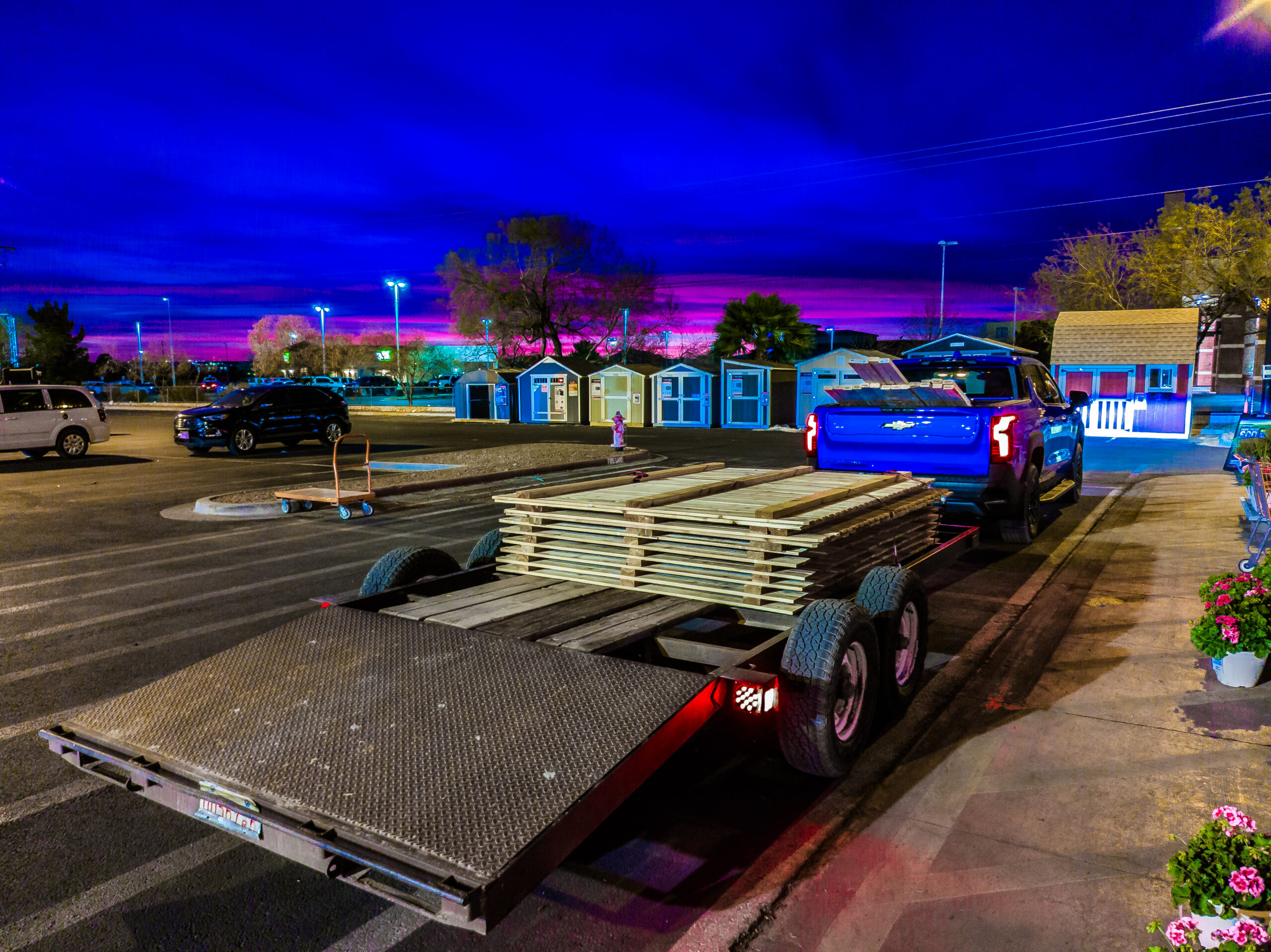
A primary criticism from the automotive industry involves the lack of versatility inherent in powered trailers. An electric truck is a multi-purpose tool used for hauling construction materials, moving furniture in a U-Haul, or towing boats. None of these standard trailers will ever be equipped with a $50,000 integrated battery and motor system.
If automakers were to rely on the existence of powered trailers as a reason to limit the battery size of electric trucks, the utility of the truck would be permanently compromised for every other towing task. A truck with a small battery might travel 300 miles empty but only 80 miles when towing a standard boat or a flatbed trailer. Industry analysts argue that the most logical engineering solution is to maximize the battery capacity within the truck itself, ensuring that it can pull any trailer—regardless of its "intelligence"—over a reasonable distance.
The Economic Trajectory of Battery Technology
The financial viability of active-assist trailers is also being questioned as battery prices continue to decline. According to data from BloombergNEF, the average price of a lithium-ion battery pack has fallen to approximately $139 per kWh in 2023, with some manufacturers reporting costs near $110 per kWh. Furthermore, the development of semi-solid and solid-state batteries is expected to push energy densities toward the 350-400 Wh/kg range in the coming years.
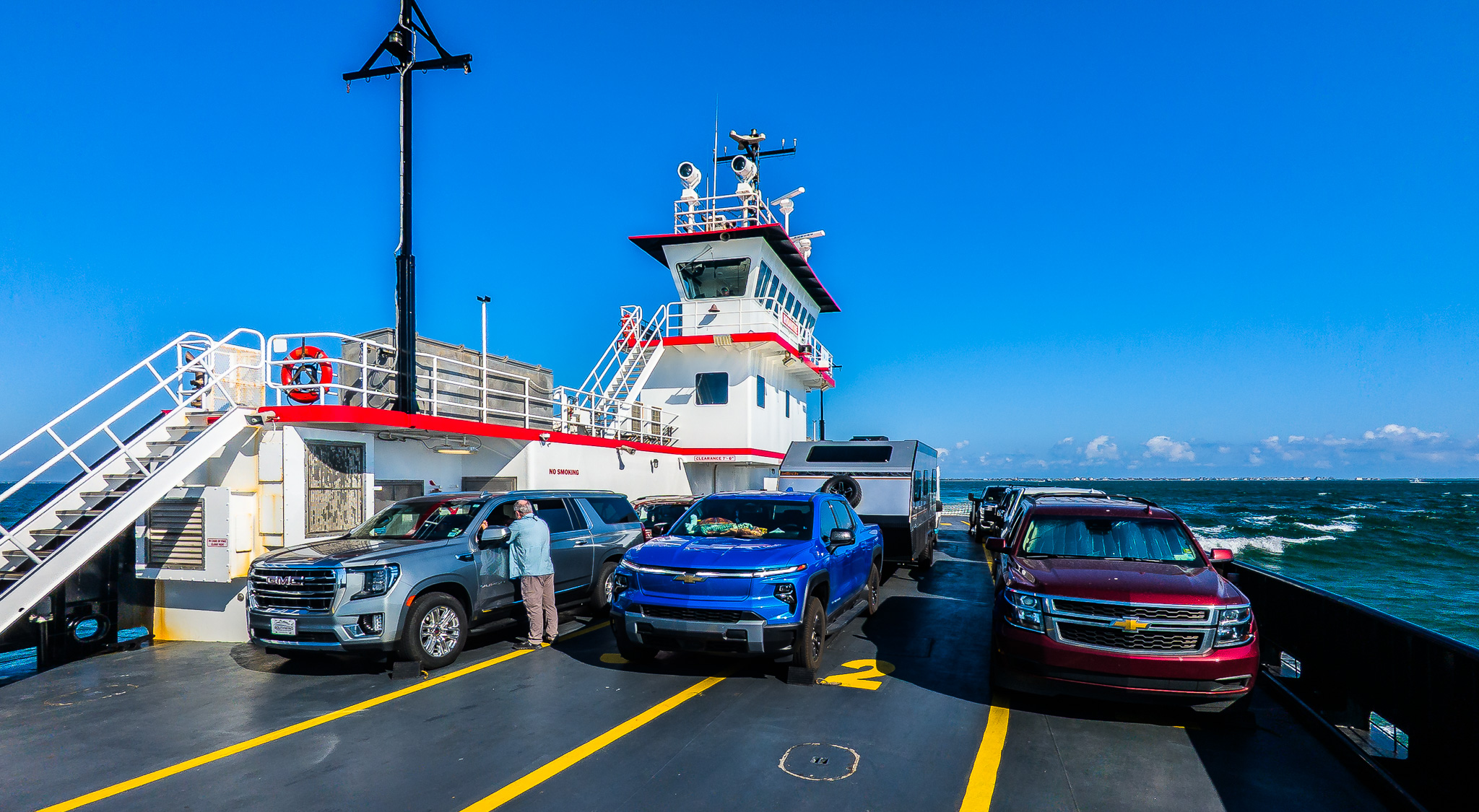
As batteries become lighter, cheaper, and more energy-dense, the "weight penalty" of a large truck battery diminishes. Engineering experts suggest that it is more cost-effective to manufacture one vehicle with a 250 kWh battery than to manufacture two separate vehicles (a truck and a trailer) that each require their own motors, inverters, thermal management systems, and charging hardware. The redundancy of hardware in an active-assist setup adds significant retail cost—often pushing the combined price of the rig well over $150,000—which may limit the technology to a very small niche of the market.
Stability and Safety Implications
From a vehicle dynamics perspective, the distribution of weight between a tow vehicle and a trailer is critical for safety. Heavy trailers are prone to "sway," a dangerous oscillation that can lead to a loss of control. In traditional towing, a heavy tow vehicle provides a stabilizing "anchor" for the trailer.
If the trailer carries a massive battery pack, it becomes significantly heavier, potentially approaching or exceeding the weight of the tow vehicle. If the trailer also has its own propulsion system, the software must be flawlessly calibrated to prevent the trailer from "pushing" the truck during braking or cornering, which could lead to jackknifing. By keeping the bulk of the energy storage (and thus the weight) in the truck, the "mass ratio" remains favorable for the truck to maintain control over the trailer in adverse conditions, such as high winds or emergency maneuvers.

Broader Industry Impact and Future Outlook
The debate over powered trailers highlights a broader tension in the EV industry between "over-engineering" and "infrastructure-led" solutions. While startups like Pebble and Lightship are pushing the boundaries of what a trailer can be, established OEMs like General Motors and Ford seem to be leaning toward high-capacity truck batteries and improved aerodynamics.
The Silverado EV, for instance, has demonstrated that a large enough battery can provide over 200 miles of towing range even with a standard, non-powered trailer. As charging networks expand and "pull-thru" stalls become more common, the logistical "pain points" of towing with an EV are expected to ease.
In the long term, the active-assist trailer may serve as a bridge technology for owners of first-generation electric trucks with limited range. However, as the next generation of electric pickups reaches the market with 400-to-500-mile unloaded ranges, the economic and logistical arguments for a "self-pushing" trailer may become increasingly difficult to justify. The industry consensus is shifting toward a future where the trailer remains a simple, durable, and affordable tool, while the truck evolves into a high-capacity mobile power station capable of handling any load.
