

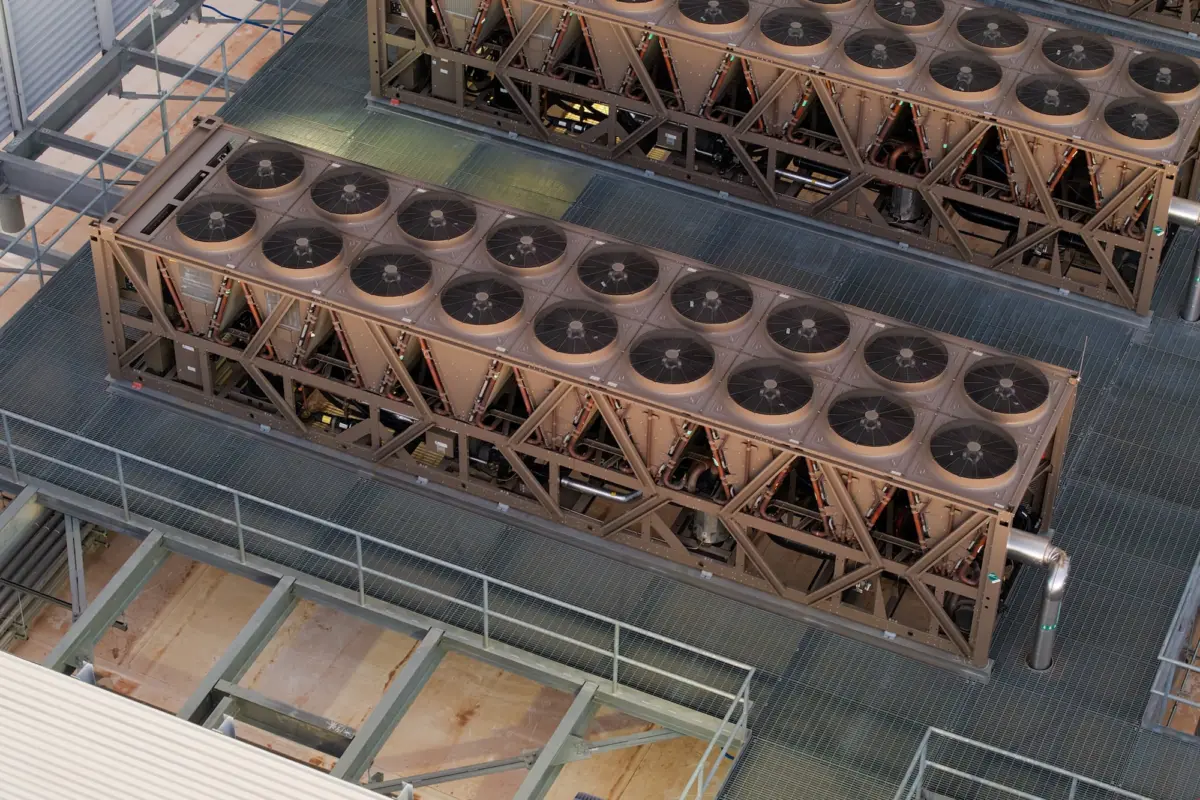
As the global economy pivots toward artificial intelligence and high-capacity cloud computing, the physical infrastructure supporting these technologies has moved from the periphery of urban planning to the center of intense political and environmental debate. In major metropolitan areas across the United States, the rapid expansion of "hyperscale" data centers is colliding with local climate goals, public health concerns, and the stability of municipal infrastructure. Nowhere is this tension more visible than in Phoenix, Arizona, the hottest major city in the U.S., where a burgeoning "policy vacuum" has allowed industrial growth to outpace regulatory oversight, leading to significant thermal and economic consequences for local residents.
The Transformation of Data Center Scale and Scope
For decades, data centers were relatively inconspicuous elements of the urban landscape. Often housed in converted warehouses or modest industrial parks, these facilities functioned as "light industrial" tenants. They required steady power and connectivity but generally operated within the limits of existing zoning codes without causing significant disruption to neighboring residential areas.
The emergence of Generative Artificial Intelligence (AI) and the massive datasets required to train Large Language Models (LLMs) have fundamentally altered this dynamic. Modern hyperscale facilities are no longer mere storage units; they are high-density processing hubs that consume vast quantities of electricity and water. A single AI-focused data center can require as much power as a small city, frequently straining local grids and necessitating the installation of dozens of industrial-scale diesel backup generators. This shift has caught urban policymakers off guard, as existing regulatory frameworks were never designed to manage facilities of this magnitude or environmental impact.
Phoenix: Ground Zero for the Data Center Boom
Phoenix has long been a preferred destination for data center developers, lured by the region’s stable geology, lack of natural disasters, and historically aggressive tax incentives. As of late 2024, the Phoenix metro area hosts more than 100 operational data centers, with an additional nine under construction and 36 more in the planning stages.
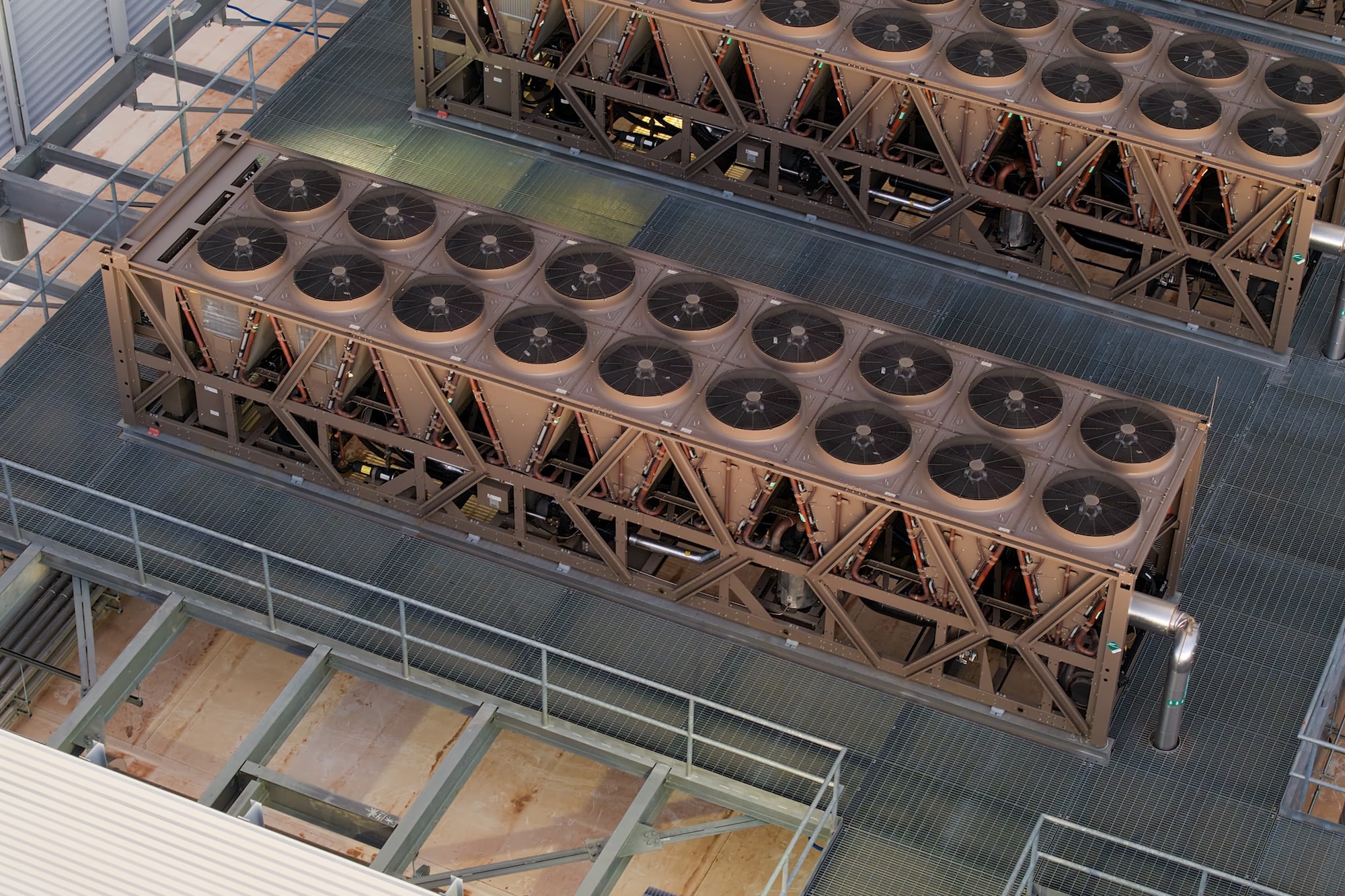
The scale of development in Arizona reached a fever pitch in mid-2026. Recognizing the strain on resources, state policymakers moved to implement a three-year moratorium on data center tax incentives starting in July 2026. However, the announcement of the moratorium triggered a "gold rush" of applications. In the weeks between the signing of the budget and the effective date of the moratorium, state officials received 113 applications for tax breaks—nearly equal to the 123 applications received in the previous 13 years combined.
This surge has placed Phoenix in a precarious position. The city is already a high-risk zone for extreme heat waves according to the Federal Emergency Management Agency (FEMA) and sits in a region of high water stress. The addition of dozens of hyperscale facilities threatens to exacerbate these existing vulnerabilities.
The Science of Waste Heat: The ASU Research Findings
The most immediate environmental concern regarding urban data centers is their contribution to the "urban heat island" effect. Urban heat islands occur when man-made structures—concrete, asphalt, and steel—absorb solar radiation during the day and release it as heat at night, preventing the city from cooling down.
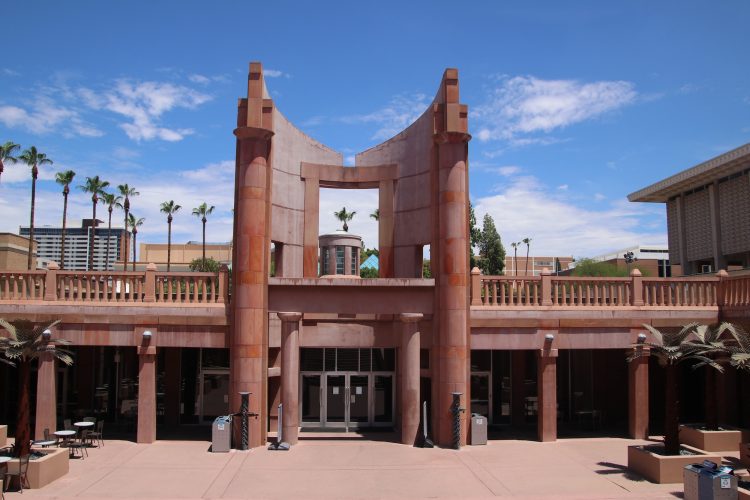
New research from Arizona State University’s (ASU) School of Geographical Sciences and Urban Planning has provided the first precise, ground-level data on how data centers contribute to this phenomenon. Lead author David Sailor and his team utilized air temperature sensors to measure the thermal signatures of four hyperscale facilities across the Phoenix metro area.
The findings, published in 2026, were stark:

- Localized Heating: A single data center can increase the temperature of the surrounding neighborhood by as much as 4 degrees Fahrenheit.
- Thermal Reach: The "waste heat" generated by these facilities does not remain static; it travels downwind, affecting air temperatures up to five city blocks away.
- Magnitude: The study estimated that the waste heat produced by one large-scale data center is equivalent to the heat output of approximately 40,000 households.
Professor Sailor characterized this waste heat as a "previously undocumented urban thermal hazard." For a city like Phoenix, where summer temperatures regularly exceed 110 degrees Fahrenheit, even a one- or two-degree increase can have life-threatening implications for vulnerable populations, including the elderly and those without access to reliable air conditioning.
Zoning Conflicts and the $753 Million Legal Challenge
As cities attempt to retroactively apply standards to data centers, they are meeting stiff legal resistance from developers and landowners. In 2025, the Phoenix City Council adopted new zoning definitions and design standards, requiring developers to obtain special permits and adhere to strict noise and performance limits.
The response was an immediate wave of litigation. Under Arizona’s Proposition 207—a 2006 law that allows landowners to seek compensation if new regulations diminish property values—at least 11 developers filed claims against the city. The total demanded compensation reached a staggering $753 million. To avoid bankrupting municipal coffers, Phoenix has been forced to negotiate waivers, essentially allowing some projects to bypass the new rules to avoid the financial penalties of the lawsuits.
This legal environment has created a "whack-a-mole" scenario for regional planning. When Phoenix tightened its rules, firms like Aligned Data Centers simply moved their projects to neighboring jurisdictions. Aligned recently filed plans in Peoria, Arizona, for a 95-acre facility in a zone that currently allows large-scale water and power users without specific restrictions. While Peoria is now considering its own zoning updates, those rules may not apply to projects already in the pipeline, illustrating the difficulty of implementing cohesive regional policy.
Community Pushback and Public Health Concerns
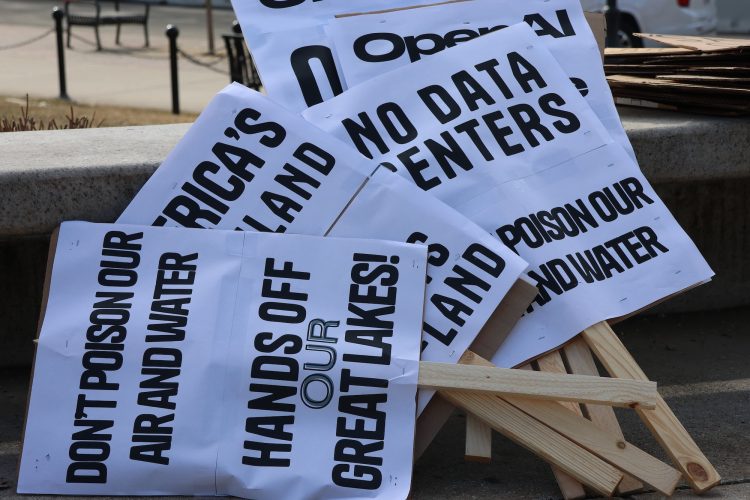
The friction is not limited to the desert Southwest. Across the United States, grassroots activism is rising in response to the perceived "encroachment" of data centers into residential zones. In Aurora, Colorado, residents recently mobilized to protest the proposed Trident data center, which would be the state’s largest.
The primary concerns for Aurora residents include:
- Noise Pollution: The constant hum of cooling fans and server racks can create a persistent low-frequency noise that disrupts sleep and mental health.
- Air Quality: The Trident proposal includes 28 industrial diesel generators for emergency backup. Residents expressed fear that testing and operating these generators would release particulate matter into the local air shed.
- Property Values: Homeowners fear that being located next to a massive industrial complex will diminish the value of their primary assets.
During a three-hour public comment session in late 2026, residents ranging from teenagers to retirees urged the city council to intervene. The sentiment was summarized by resident Dan Bergander, who warned council members that their own future quality of life in retirement could be "betrayed by developers and government officials" if current trends continue.
The Global Response: The C40 Pact and Future Standards
Recognizing that the data center crisis is a global phenomenon, Phoenix and 20 other U.S. cities have joined the Global Urban Data Centres Pact. Formed in partnership with the C40 urban advocacy organization, the Pact now includes 42 member cities worldwide.
The Pact does not seek to ban data centers but rather to establish a "sustainable blueprint" for their development. Key pillars of the Pact include:
- Waste Heat Recovery: Encouraging developers to capture the heat generated by servers and pipe it into municipal "district heating" systems for homes or businesses.
- Water-Neutral Cooling: Moving away from evaporative cooling (which consumes millions of gallons of water) toward closed-loop liquid cooling or "free air" cooling.
- Clean Energy Mandates: Requiring facilities to be powered by new renewable energy projects rather than drawing from existing, often carbon-heavy, local grids.
- Community Integration: Mandating that facilities provide public benefits, such as green space buffers or investments in local infrastructure.
Implications for the 2026 Midterm Elections
The data center construction boom has evolved into a high-level political issue ahead of the 2026 midterm elections. With nearly 400 local moratoriums in progress across 44 states, the "Cloud" is no longer an abstract concept for voters; it is a physical neighbor with a massive footprint.
Candidates at both the state and local levels are being forced to take positions on "Data Center Alley" expansions and the associated impacts on electricity rates. As data centers drive up demand for power, utility companies often pass the costs of grid upgrades onto residential ratepayers. This economic pressure, combined with the environmental and health concerns highlighted by the ASU research, has turned data center regulation into a potent "kitchen table" issue.
Conclusion: Balancing Innovation with Livability
The data center industry is at a crossroads. While the demand for AI and digital services shows no signs of slowing, the "wild west" era of urban data center development appears to be ending. The research from Arizona State University provides a scientific basis for the concerns long voiced by residents: these facilities have a measurable, detrimental impact on the urban thermal environment.
For cities like Phoenix and Aurora, the challenge lies in reclaiming the "policy vacuum." Whether through the Global Urban Data Centres Pact or more aggressive local zoning, the next generation of data centers must be designed not just for the efficiency of the servers inside, but for the health and sustainability of the communities outside. As voters head to the polls in November 2026, the future of the urban landscape—and its temperature—may well hang in the balance.
