

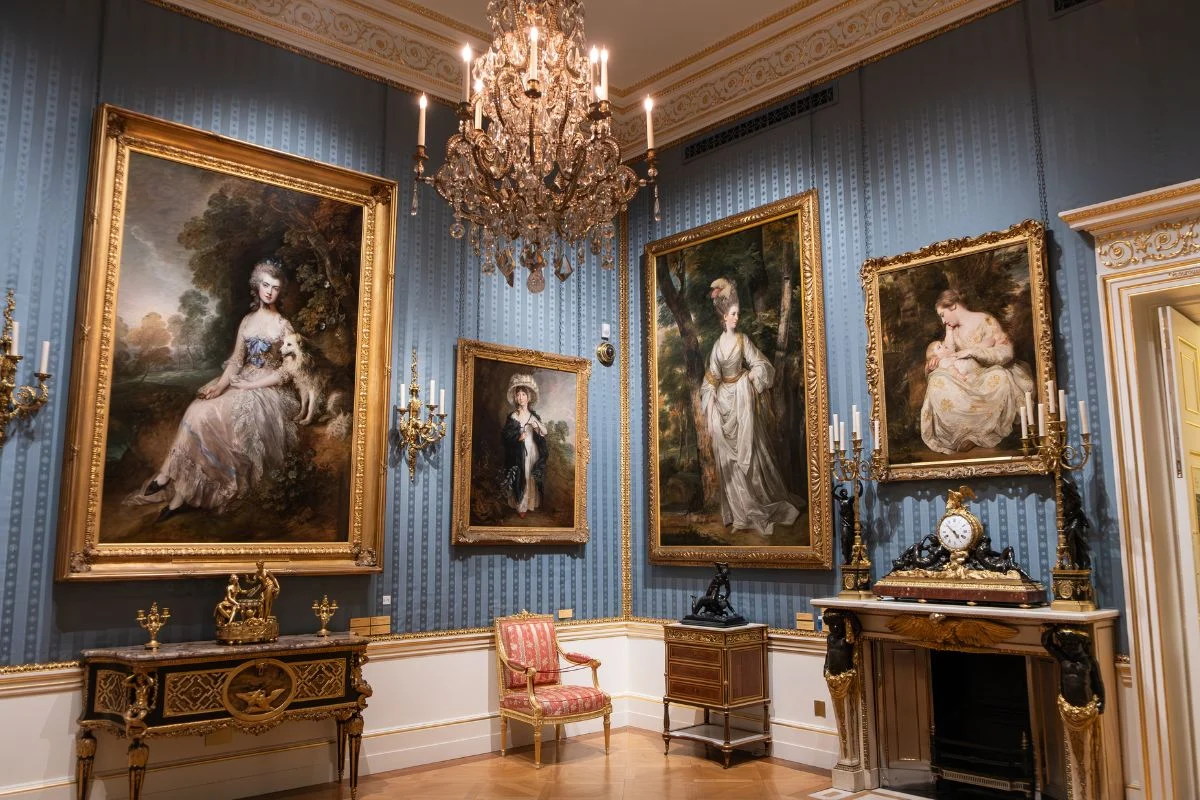
Wealthy individuals who have amassed significant art and collectibles are being urged to treat these passion assets with the same strategic foresight as traditional financial portfolios. A new report by HSBC Private Bank highlights a substantial, yet largely underestimated, planning challenge dubbed the "Great Stuff Transfer," which is poised to see an estimated $992 billion in art and collectibles change hands over the next decade. The report cautions that families delaying crucial conversations and relying on informal arrangements risk significant financial, legal, and emotional fallout.
The "Great Stuff Transfer" refers to the impending generational shift in ownership of vast collections of art, antiques, classic cars, rare wines, and other high-value items. As the baby boomer generation, which has been a significant force in wealth accumulation and collecting, ages, the transfer of these unique assets to their heirs presents a complex set of challenges that often fall outside the scope of standard estate planning.
The Overlooked Asset Class: Why Collections Slip Through the Cracks
HSBC Private Bank’s comprehensive analysis, detailed in their report titled "The Great Stuff Transfer: Navigating the Future of Art and Collectibles Ownership," underscores a critical disconnect in how passion assets are perceived and managed. Aik-Ping Ng, the bank’s Asia Pacific regional head of family and philanthropy advisory, noted in the report, "Where valuable collections are concerned, the need for conversations, let alone concrete decisions, is sometimes not recognised as readily as it is for other types of assets and may therefore not be considered at all."
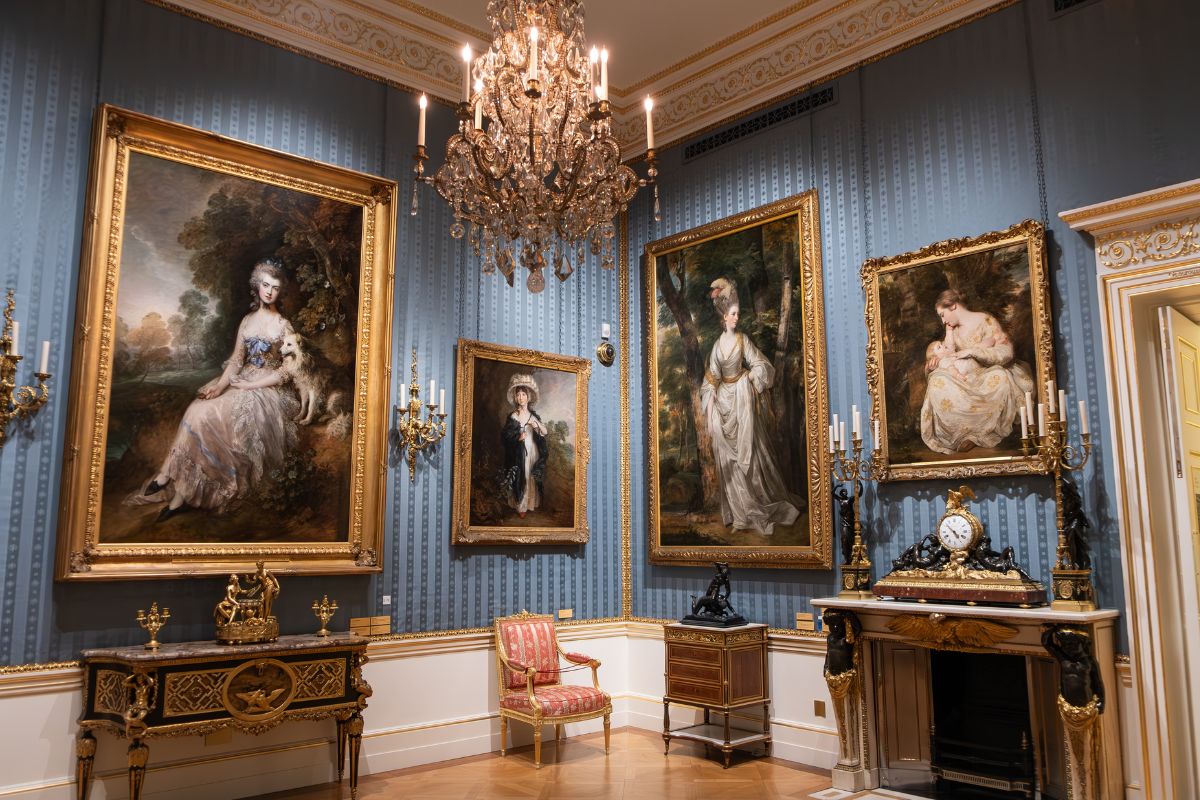
This oversight stems from the inherent nature of collections, which often blur the lines between personal sentiment and financial value. Unlike businesses or investment portfolios, where the imperative for succession planning is widely understood and integrated into financial strategies, valuable collections can become a blind spot. This is further exacerbated by the emotional weight these items carry, often representing decades of passion, personal history, and significant financial investment.
Emotional Minefields and the Perils of Division
Russell Prior OBE, HSBC’s regional head of family governance, family office advisory, and philanthropy for EMEA, articulated the emotional complexities involved. "It’s an emotional minefield," he stated. "What if one child says they’d rather have the money and their sibling says they’d love to inherit the collection their parents have spent a lifetime amassing? Does this mean that one child loves the parents more or less than the other?" Such scenarios can create deep rifts within families, turning what should be a celebratory passing of heritage into a source of conflict.
The practicalities of dividing collections among multiple heirs are equally fraught. Unlike liquid assets, which can be easily split or sold to generate cash, collections rarely lend themselves to clean division. Breaking up a cohesive collection can, in many instances, significantly diminish its overall value. Olga Kucherenko, a senior adviser at HSBC, illustrated this point: "What if you want to give a piece of art to each of your four children but together they are worth 10 times more than individually? Are the children ready and willing to take a more demanding route of shared ownership for a greater, but perhaps more distant, return?" This highlights the potential for heirs to face difficult choices between inheriting individual items of sentimental value versus engaging in complex co-ownership arrangements for greater collective financial gain.
Expert Advice: Documentation, Valuation, and Communication

Leading antiques dealer Lennox Cato, speaking to Spear’s, emphasized the importance of proactive planning and transparent communication. "I always suggest the owner of the collection asks members of the family if there is anything they would like and make a record of this," he advised. "It’s all about planning."
Cato underscored the necessity of involving professional advisors. "If the will or changes in the family trust need to be looked at, your accountant and solicitor would point you in the right direction first – and they should encourage you to instruct a professional valuer to evaluate the collection. This holds up transparency for all."
The process of valuation is crucial for establishing a clear financial baseline and ensuring fairness. Independent valuers can provide objective assessments of an item’s current market worth, which is essential for both tax purposes and for equitable distribution among heirs. Cato further elaborated on the practical steps collectors should take: "I recommend that collections should be recorded – a list of all items along with photographs, and who they should be left to." He also stressed the need for periodic reappraisals. "Have the items reappraised by an independent valuer (not the seller), perhaps [even] two valuers. This should be carried out periodically, no less than every five years, for peace of mind for the collector and family members alike, as some values change for better and some for worse."
A Timeline of Proactive Planning
The challenges of the "Great Stuff Transfer" are not sudden; they are the culmination of decades of collecting. While the exact timeline for individual collections will vary, the broad demographic trends suggest that the next 10-20 years will be a critical period for wealth transfer across various asset classes, including art and collectibles.

- Present Day: The "Great Stuff Transfer" is underway, with a growing awareness of the need for planning among sophisticated collectors and their advisors.
- Next 5-10 Years: Increased urgency as more individuals in the prime collecting demographics approach or enter retirement, necessitating active estate and legacy planning for their collections.
- 10-20 Years: A significant volume of art and collectibles will likely change hands, potentially leading to a more pronounced impact on markets and family dynamics if adequate planning has not occurred.
The HSBC report reinforces this sentiment, highlighting that the most successful families are those that integrate discussions about passion assets into their broader estate planning framework. This requires treating collections with the same diligence and strategic rigor applied to financial holdings, ensuring that their unique characteristics are understood and accounted for.
Broader Impact and Implications
The implications of the "Great Stuff Transfer" extend beyond individual families. The art and collectibles markets themselves could see significant shifts. A surge in offerings due to estate settlements could impact prices, while the dissolution of historically significant collections might lead to a loss of cultural heritage if items are dispersed without careful consideration.
The report also touches upon the ethical dimensions of wealth transfer. As collectors consider the future of their assets, they are encouraged to articulate the fundamental "why" behind their collection’s existence. This introspective exercise can clarify intentions and guide decisions about legacy. Once the purpose of the collection is clearly defined, longer-term decisions about its future become more manageable, and the immediate sensitivities surrounding inheritance can be navigated more effectively.
The art market has seen robust activity, with auctions and private sales consistently generating billions. For example, the art market alone was valued at approximately $65.1 billion globally in 2022, according to Art Basel and UBS’s annual Art Market Report. While this figure fluctuates, it underscores the immense financial scale of the sector and the potential value locked within private collections.

The Role of Professional Advisors and Future Outlook
The involvement of a multidisciplinary team of advisors—including wealth managers, estate attorneys, tax specialists, and art and collectibles experts—is paramount. These professionals can help collectors navigate legal complexities, tax implications, and valuation challenges.
Lennox Cato’s concluding advice resonates with the core message of the HSBC report: "Communication is the best skill we have – that and sharing information." By fostering open dialogue, engaging in thorough documentation, seeking professional valuations, and integrating passion assets into comprehensive estate plans, collectors can ensure their legacies are preserved and their heirs are empowered to manage these cherished possessions with confidence and clarity. The "Great Stuff Transfer" is not an insurmountable obstacle, but rather a call to action for thoughtful and deliberate legacy planning.
