

The hospitality landscape of Cape Cod, a 65-mile peninsula extending into the Atlantic Ocean from the Massachusetts mainland, is currently undergoing a significant transformation as the short-term rental market shifts toward high-end, architecturally significant properties. Composed of 15 distinct towns—stretching from the gateway communities of Bourne and Falmouth to the remote, artistic enclave of Provincetown—the region has long been a cornerstone of New England’s seasonal economy. However, recent data and market trends indicate a move away from traditional, uniform lodging in favor of diverse, design-forward accommodations that reflect the specific historical and environmental character of their surroundings. This shift is characterized by a mix of centuries-old maritime estates, midcentury modern "Cape Modern" retreats, and ultra-contemporary beachfront residences that cater to a growing demographic of travelers seeking both luxury and a deep sense of place.
The Geographic and Economic Context of the Cape Cod Peninsula
The Cape Cod tourism industry is a multi-billion dollar engine for the Commonwealth of Massachusetts. According to the Cape Cod Chamber of Commerce, the region attracts millions of visitors annually, with the short-term rental (STR) market playing an increasingly dominant role in housing those guests. The peninsula is geographically divided into three main sections: the Upper Cape (including Bourne, Falmouth, and Sandwich), the Mid Cape (Barnstable, Yarmouth, Dennis), and the Lower/Outer Cape (Eastham, Truro, and Provincetown). Each sub-region offers a different value proposition to investors and travelers alike.
In the Upper Cape, proximity to the mainland and the presence of historic villages like Sandwich—the oldest town on the Cape, founded in 1639—provide a market for heritage-based tourism. Conversely, the Outer Cape is defined by the Cape Cod National Seashore, a 40,000-acre federal preserve established by President John F. Kennedy in 1961. This preservation effort has limited new development, thereby increasing the value and prestige of existing private residences, particularly those that offer direct access to the Atlantic or the Cape Cod Bay.
Architectural Preservation as a Market Driver
A key differentiator in the current Cape Cod rental market is the emphasis on architectural integrity. Travelers are increasingly willing to pay a premium for properties that offer more than just proximity to the beach. This trend is visible in the preservation of "Cape Modern" homes, a specific architectural movement that flourished between the 1930s and 1970s when European modernists like Walter Gropius and Marcel Breuer designed summer homes in the woods of Wellfleet and Truro.
The "Baumhaus" in Truro serves as a primary example of this market segment. Restored to preserve its original 20th-century details—such as cork flooring and built-in cabinetry—while integrating high-end modern appliances from Miele and Fisher & Paykel, the property commands rates starting at $888 per night. This reflects a broader trend where "restoration" is favored over "renovation," allowing property owners to market a historical experience alongside modern comforts.
Case Studies in Diverse Rental Typologies
The diversity of the Cape’s inventory can be categorized into four primary typologies: the Historic Estate, the Modern Coastal Retreat, the Lakefront Escape, and the High-Density Waterfront Suite.
The Historic Estate: Sandwich and Plymouth
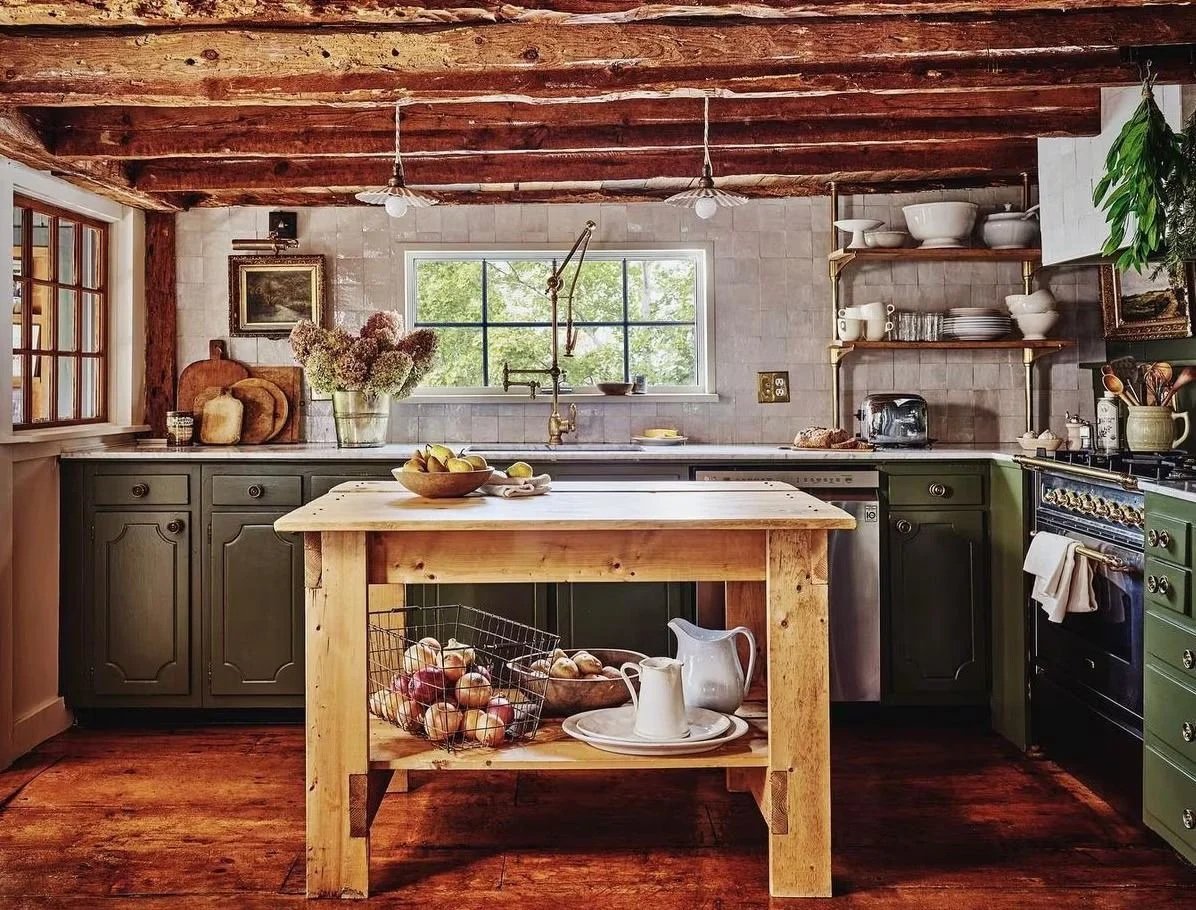
In Sandwich, the restoration of a 1639 cottage highlights the demand for "living history." These properties feature hand-hewn beams and wide-plank floors that appeal to a demographic interested in the colonial roots of the United States. Similarly, in nearby Plymouth (specifically the Chiltonville area), newly renovated homes under historic roofs provide a bridge between the South Shore’s pilgrim history and contemporary luxury. These homes, often housing six or more guests, are positioned for the multi-generational family market, featuring amenities like home gyms and expansive kitchens.
The Modern Coastal Retreat: Bourne and Eastham
The town of Bourne, often seen as a pass-through point, has seen a rise in "coastal contemporary" developments. Properties in Pocasset utilize custom millwork, marble slabs, and smart home technology to attract a younger, tech-savvy clientele. In Eastham, the focus shifts to environmental integration. Homes overlooking the Nauset Estuary utilize floor-to-ceiling glass to blur the line between the interior and the salt marsh ecosystem, providing guests with private landings for kayaks and paddleboards.
The Lakefront and Waterfront Models: Falmouth and Provincetown
While the ocean is the primary draw, freshwater ponds and lakefront properties in Falmouth offer a quieter, more secluded alternative. These properties often feature "shared-private" beaches, catering to those looking to avoid the crowds of public beaches like Old Silver or Surfside. At the northern tip of the Cape, Provincetown presents a model of high-density luxury. Compact suites perched on piers over the bay offer panoramic views and immediate access to the cultural hub of Commercial Street, commanding prices upwards of $1,000 per night despite their smaller footprints.
Regulatory and Economic Implications
The rise of these high-value rentals has not occurred without controversy or regulatory response. In 2019, Massachusetts implemented a significant expansion of the state’s room occupancy excise tax to include short-term rentals. This legislation requires hosts to register with the state and carry insurance, while also allowing towns to levy local taxes. For towns like Provincetown and Falmouth, these tax revenues are vital for infrastructure maintenance and environmental protection programs.
However, the proliferation of high-end STRs has also contributed to a tightening of the long-term housing market for local workers. In response, several Cape towns have debated or implemented "fractional ownership" bans and stricter zoning bylaws to ensure that the influx of luxury tourism does not entirely displace the year-round community.
Environmental Stewardship and Climate Resilience
A significant factor affecting the future of Cape Cod’s luxury rental market is the reality of climate change. Many of the most sought-after properties are located on "windswept dunes" or "perched on piers," making them vulnerable to sea-level rise and coastal erosion. The Nauset Estuary in Eastham and the waterfront of Provincetown are particularly sensitive areas.
Homeowners and developers are increasingly investing in resilient design, such as elevated structures and sustainable landscaping, to protect their investments. The market is also seeing a shift toward "eco-tourism" amenities; many high-end rentals now include electric vehicle (EV) charging stations and promote low-impact recreation like paddleboarding and cycling over motorized activities.
Chronology of Development: From Colony to Luxury Destination
- 1639: Settlement of Sandwich, establishing the architectural template for the "Cape Cod" style cottage.
- Late 19th Century: The arrival of the railroad brings the first major wave of summer tourists to the Upper Cape.
- 1930s-1960s: The "Cape Modern" movement introduces European avant-garde architecture to the Outer Cape.
- 1961: Establishment of the Cape Cod National Seashore, preserving the natural landscape and limiting future development.
- 2019: Massachusetts Short-Term Rental Law takes effect, formalizing the STR market.
- 2020-Present: The COVID-19 pandemic accelerates the "work-from-anywhere" trend, leading to a surge in demand for high-end rentals with office spaces and long-term amenities.
Conclusion and Market Outlook
The current state of Cape Cod’s Airbnb and short-term rental market reflects a sophisticated maturation. It is no longer enough to offer a bed near the beach; the modern traveler demands a curated experience that aligns with architectural excellence and environmental consciousness. From the $1,753-per-night historic cottages in Sandwich to the sleek, $1,684-per-night contemporary builds in Bourne, the price points suggest a robust confidence in the Cape’s status as a premier global destination.
As the region moves forward, the primary challenge will be balancing this lucrative luxury tourism with the needs of the local workforce and the fragility of the coastal environment. Nevertheless, for the time being, the Cape remains a premier laboratory for architectural diversity, where the history of the 17th century and the design of the 21st century coexist along 65 miles of iconic coastline.
