

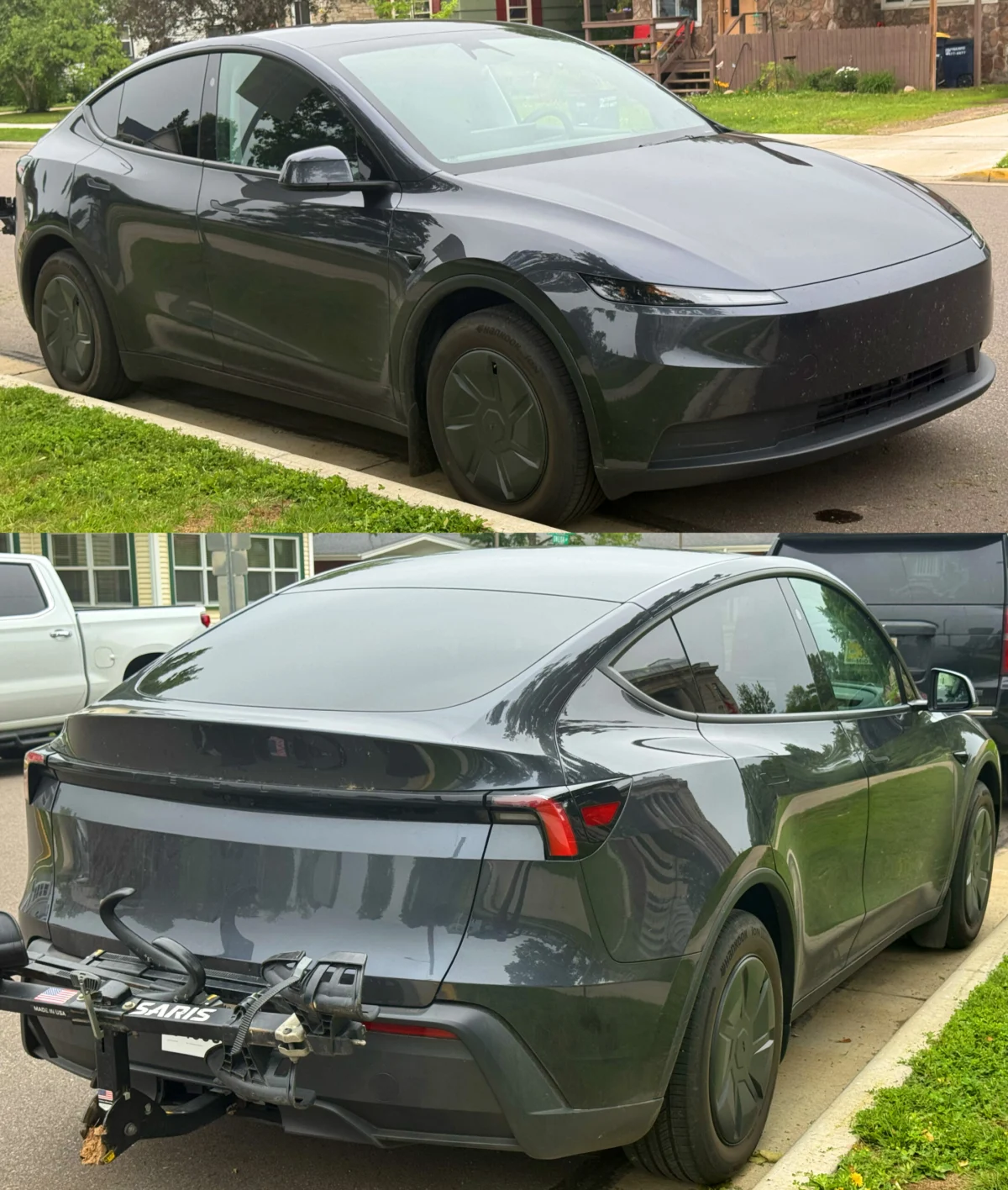
The Tesla Model Y, which has consistently secured its position as the world’s best-selling vehicle across both internal combustion and electric categories, enters the 2026 model year with a suite of hardware upgrades and software refinements designed to maintain its market dominance. As Tesla continues to leverage its global manufacturing footprint—spanning facilities in Fremont, California; Shanghai, China; Austin, Texas; and Berlin, Germany—the 2026 iteration represents a pivotal moment in the vehicle’s lifecycle. This model year introduces the refined "Hardware 4" (HW4) suite as standard, alongside the highly anticipated Full Self-Driving (FSD) Version 14, marking a significant leap in the brand’s pursuit of autonomous mobility.
Global Production and Market Evolution
Since its initial release in 2020, the Model Y has undergone a rapid evolution from a derivative of the Model 3 sedan to a standalone global phenomenon. By 2023, it became the first electric vehicle to lead global sales charts, surpassing long-standing leaders like the Toyota Corolla. The 2026 model year continues this trajectory by standardizing several features that were previously optional or unavailable.
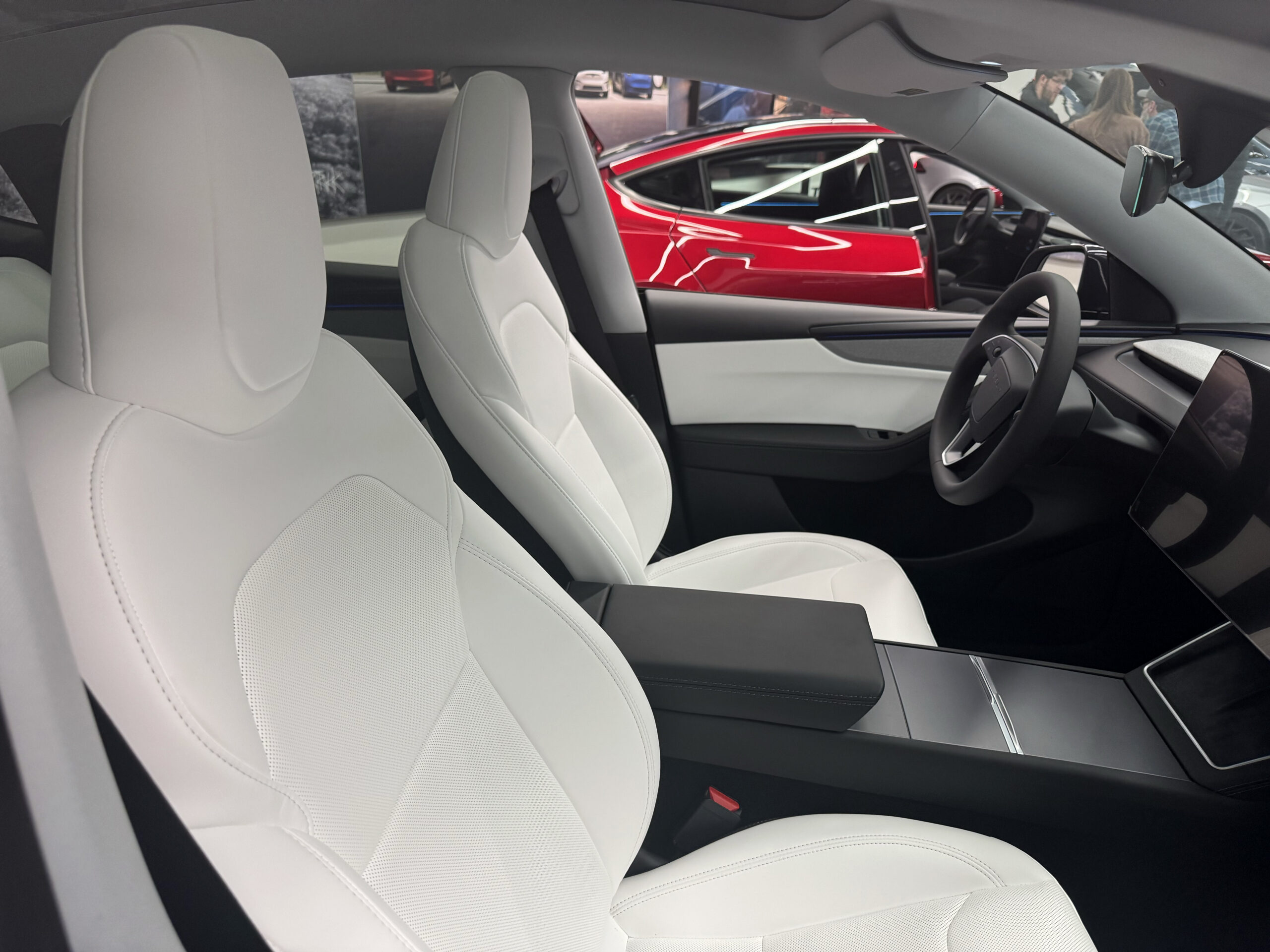
All 2026 Model Y units are equipped with a redesigned power liftgate, which now includes a hands-free configuration for improved utility. The interior architecture remains focused on maximizing spatial efficiency; the Model Y offers a higher seating position and significantly more rear-seat foot room than its sedan counterpart, the Model 3. These ergonomic advantages, combined with a versatile cargo area, have solidified its appeal to the crossover SUV market.
Tiered Specifications: Basic vs. Premium
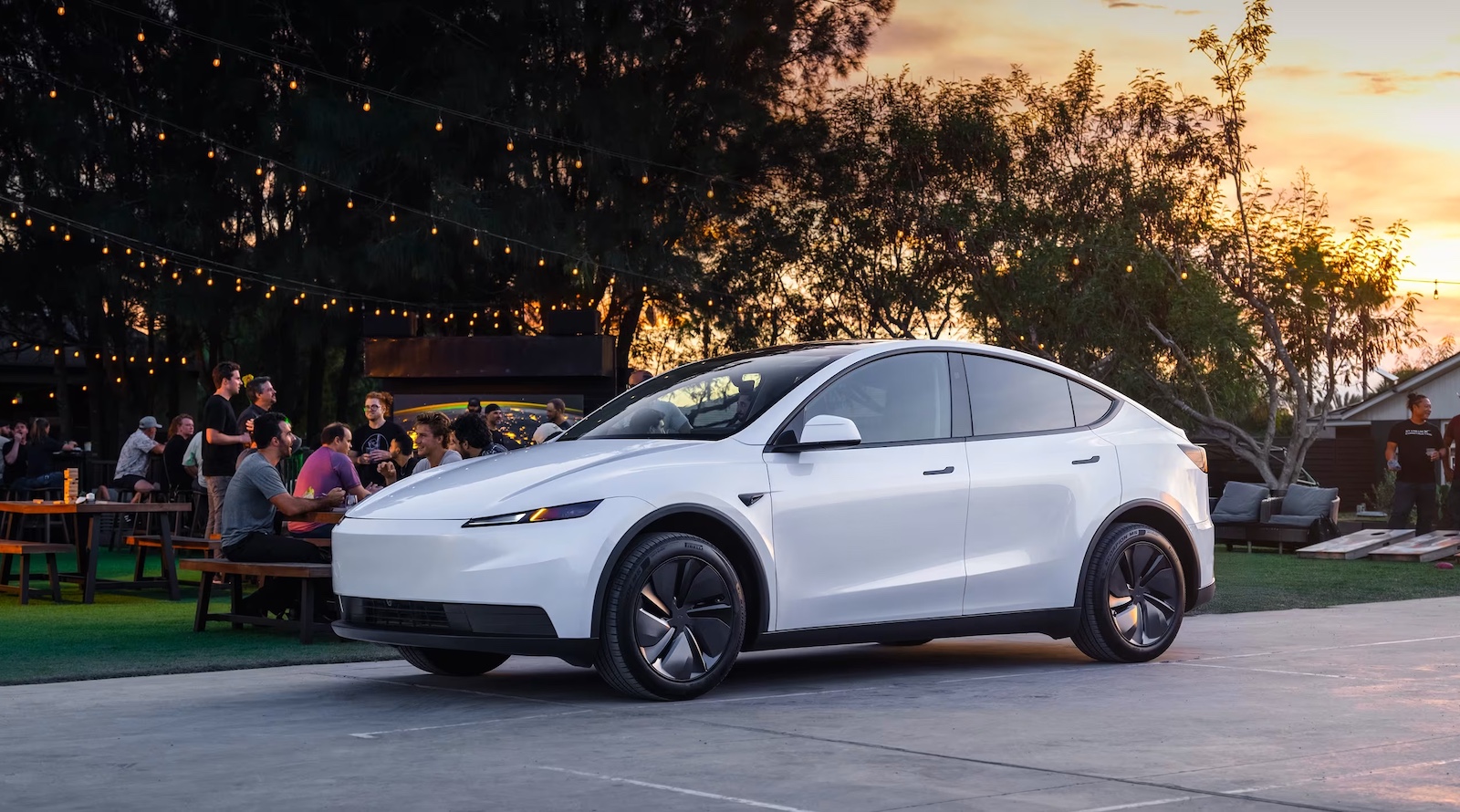
For the 2026 model year, Tesla has streamlined its North American offerings into two primary configurations: the Basic and the Premium. Both versions benefit from the latest manufacturing techniques, including the use of large-scale "giga-castings" to reduce weight and improve structural integrity.
The Basic Configuration
The Basic Model Y is positioned as the entry-point into the Tesla ecosystem, with a starting MSRP of $39,990. Under current promotional financing, this model is available for approximately $529 per month with a $3,300 down payment at 0% interest for 72 months. For consumers opting for no down payment, the monthly obligation rises to $575.
Despite its "Basic" nomenclature, the entry-level Rear-Wheel Drive (RWD) model delivers performance metrics that exceed many traditional gasoline-powered competitors. The vehicle achieves a 0 to 60 mph acceleration time of 5.4 seconds. While this is the slowest in the Model Y lineup, it remains faster than the majority of entry-level luxury crossovers in its class.
The Premium Configuration
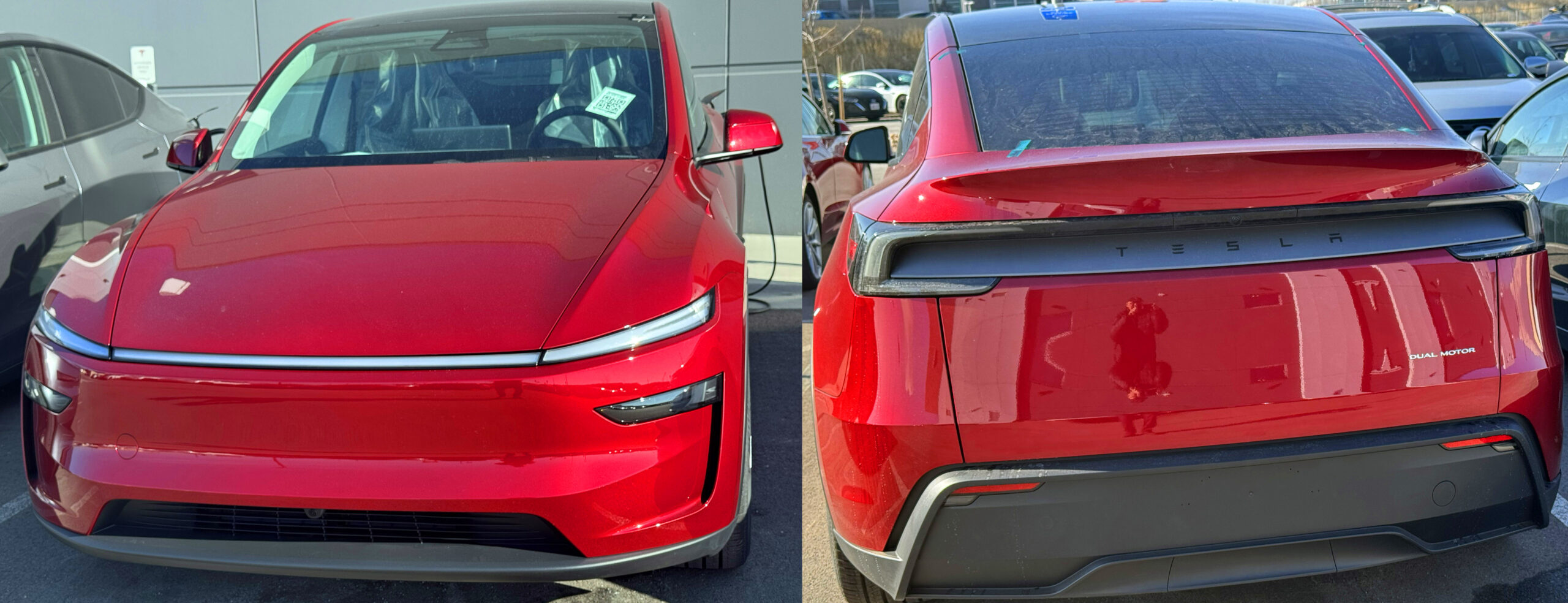
The Premium version, priced at $45,990, offers a more robust performance profile and additional interior refinements. This tier typically includes the Dual Motor All-Wheel Drive (AWD) system as standard. The AWD system not only provides superior traction in inclement weather—specifically in cold-climate regions like the American Midwest or Northern Europe—but also drops the 0 to 60 mph sprint to 4.6 seconds. Financing for the Premium model is structured at approximately $631 per month with $3,300 down, though interest rates for this tier may vary slightly, often cited at 0.99% for 72 months.
Hardware 4 and the Vision-Based Architecture
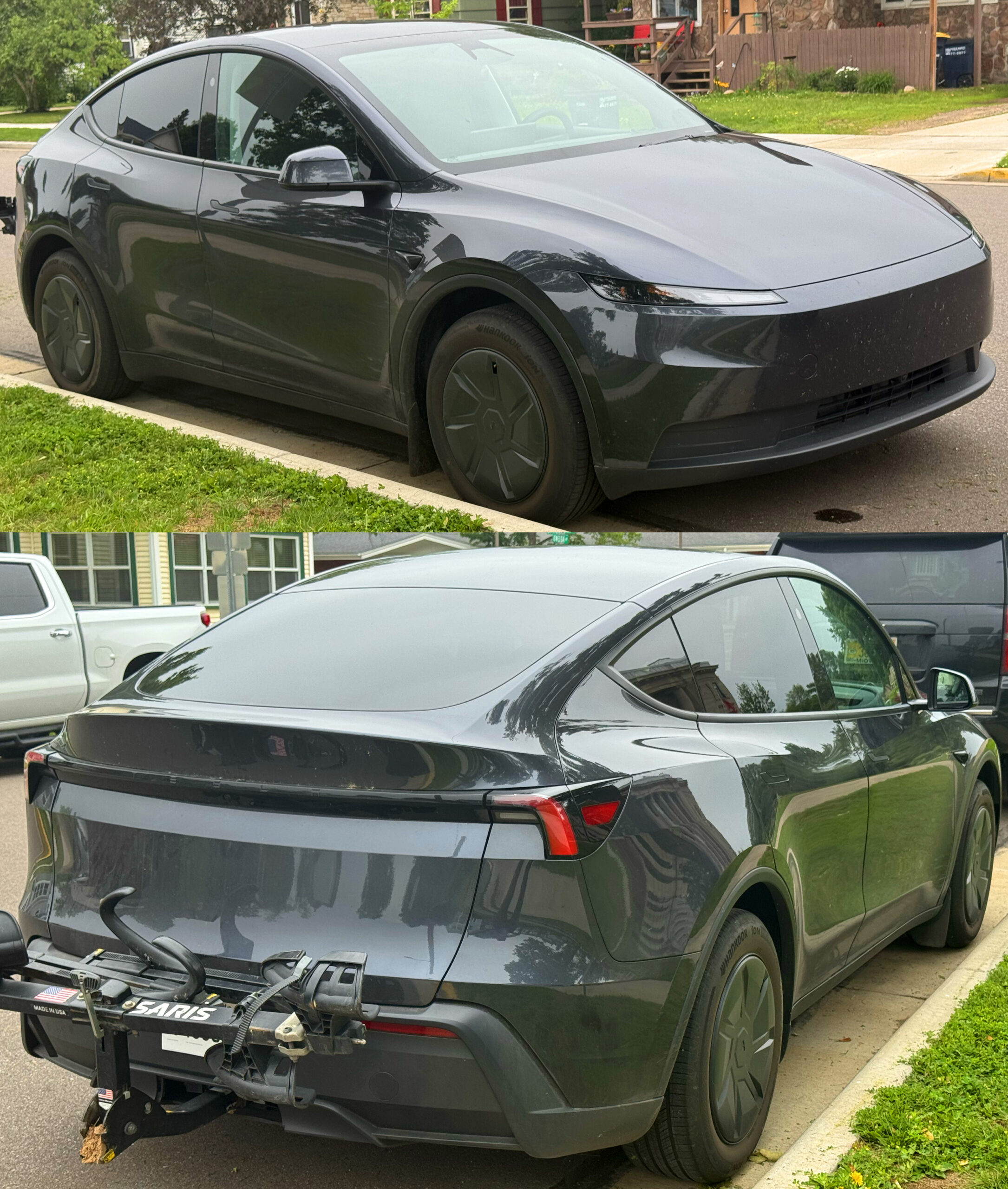
A cornerstone of the 2026 Model Y is the inclusion of Tesla’s Hardware 4 (HW4). This suite includes a new "mini-supercomputer" housed within the vehicle and an upgraded array of high-resolution cameras. Notably, HW4 introduces a dedicated camera integrated into the front bumper/fascia. This addition addresses a previous "blind spot" in the vision-only system, allowing the vehicle to better detect low-lying obstacles, curbs, and small objects immediately in front of the vehicle—a critical requirement for the precision maneuvers required by FSD V14.
Tesla’s commitment to a vision-only approach (eschewing radar and LiDAR) relies entirely on these cameras and neural network processing. The HW4 cameras provide higher pixel density and improved low-light performance, which are essential for the vehicle’s ability to navigate complex urban environments and react to unpredictable actors, such as animals or pedestrians.
Full Self-Driving Version 14: Technical Capabilities
The 2026 Model Y serves as the primary vessel for Full Self-Driving (FSD) Version 14. This version represents a departure from earlier iterations by utilizing end-to-end neural networks, where the vehicle’s behavior is "learned" from millions of miles of human driving data rather than being hard-coded by engineers.
FSD V14 introduces several distinct driving personalities, allowing users to select profiles such as "Sloth," "Chill," "Standard," "Hurry," and "Mad Max." These profiles dictate how the vehicle handles lane changes, follows distances, and reacts to traffic flow. The "Standard" mode is calibrated for safety-conscious drivers, adhering strictly to speed limits and cautious navigation.
In real-world testing, V14 has demonstrated a sophisticated ability to anticipate non-vehicular movement. The system now proactively identifies pedestrians approaching crosswalks and adjusts its deceleration curve accordingly. Furthermore, the 2026 model’s software has shown improved detection of wildlife; reports indicate the vehicle successfully identifies and brakes for deer and smaller animals, such as squirrels, even when they are positioned on the periphery of the roadway.
Towing and Accessory Integration
A significant improvement in V14 is its handling of rear-mounted accessories. Previous versions of FSD often struggled when a bike rack or cargo carrier was attached to the optional $1,000 factory-installed tow hitch. Version 12 frequently disabled autonomous features, citing "occluded cameras." However, V14 is designed to remain operational with a bike rack installed. While the system may still refuse to perform automatic backing maneuvers due to the proximity of the rack to the rear sensors, it maintains forward-driving autonomy, a major convenience for outdoor enthusiasts.
The Subscription Economy and AI Integration
Tesla continues to transition toward a software-as-a-service (SaaS) model with the 2026 Model Y. New owners typically receive a 30-day trial of Premium Connectivity and FSD. Following the trial, Premium Connectivity is available for $9.99 per month or $99.99 annually. This package is required to access high-quality satellite maps, live traffic visualization, and integrated streaming services like Netflix, YouTube, Disney+, and Spotify.
Furthermore, the 2026 model integrates Tesla’s proprietary AI, Grok. While Premium Connectivity allows for limited interactions with the AI (roughly 7 to 10 queries every few hours), a dedicated Grok subscription is required for unlimited access. This integration signifies Tesla’s intent to transform the vehicle into a mobile computing hub, where the car’s "brain" serves as both a navigator and a personal assistant.
Logistical and Regional Financial Considerations
The total cost of ownership for the 2026 Model Y varies significantly by jurisdiction. In states like Wisconsin, for example, buyers are subject to a 5% state sales tax, additional county taxes, and specific electric vehicle (EV) surcharges. These fees can add upwards of $2,700 to the initial purchase price. However, these costs are often offset by the lower "fuel" costs associated with electricity and the reduced maintenance requirements of an EV drivetrain.
Regarding charging infrastructure, the Basic and Premium models differ in their peak charging speeds. While the Premium model can take full advantage of Tesla’s V3 and V4 Superchargers at rates up to 250 kW, the Basic model typically features a slightly lower peak rate. Nevertheless, because the charging curve for all lithium-ion batteries tapers off as the state of charge increases, the real-world difference in total charging time during long-distance travel is often negligible for the average consumer.
Analysis of Implications for the Automotive Industry
The 2026 Tesla Model Y arrives at a time when legacy automakers are struggling to bridge the "software gap." By standardizing Hardware 4 and delivering FSD V14, Tesla is widening its lead in vehicle autonomy and vertical integration. The ability of the Model Y to receive over-the-air (OTA) updates means that the 2026 model will likely continue to improve long after it leaves the showroom, a feature that remains a primary selling point for the brand.
However, the reliance on subscription models for core features like connectivity and advanced autonomy represents a shift in consumer expectations. As Tesla moves toward a future defined by "Robotaxis" and fully autonomous fleets, the 2026 Model Y stands as the bridge between the traditional car-ownership model and the era of autonomous transportation.

The vehicle’s success in 2026 will likely depend on its ability to maintain its value proposition in an increasingly crowded EV market. With competitors from China and Europe ramping up production of electric crossovers, Tesla’s aggressive pricing and technological iterations on the Model Y are strategic moves to ensure the vehicle remains the benchmark for the industry. For the consumer, the choice between the Basic and Premium models remains a balance of performance needs versus budgetary constraints, but both tiers offer a glimpse into the future of high-tech, vision-based motoring.
