

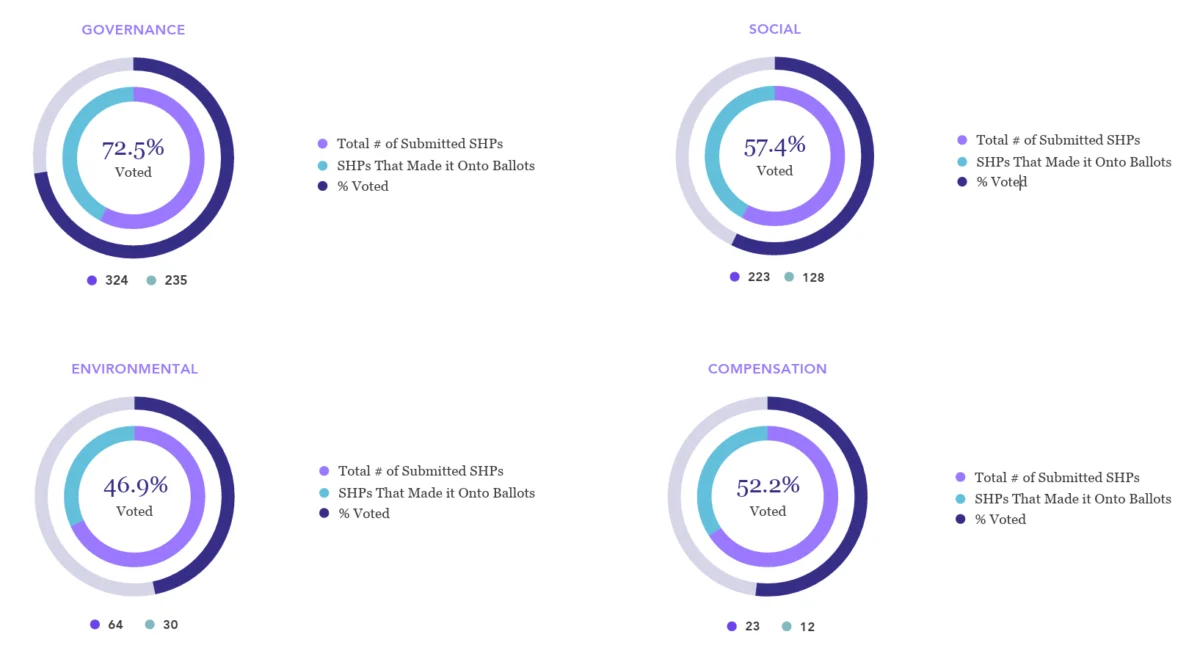
Although total shareholder proposal submissions saw a decline during the 2026 proxy season, a greater number of these proposals ultimately made it to company ballots compared to initial estimates. This trend is attributed to conservative exclusion decisions made by most companies, influenced by the U.S. Securities and Exchange Commission’s (SEC) updated no-action process implemented for the 2026 proxy season. D.F. King, a leading proxy solicitation and shareholder engagement firm, released its comprehensive debriefing report, highlighting key takeaways from the period.

Zally Ahmadi, SVP of Corporate Governance, ESG & Executive Compensation at D.F. King, noted that while the volume of proposals submitted was lower, the impact on the proxy season was significant. "We observed a nuanced landscape this year," Ahmadi stated, reflecting on the firm’s findings. "The overall reduction in submissions might suggest a shift in strategy from proponents, but the continued presence of a substantial number of proposals on ballots indicates persistent investor interest in these critical ESG and governance issues."
Shareholder Proposals: Submitted vs. Voted

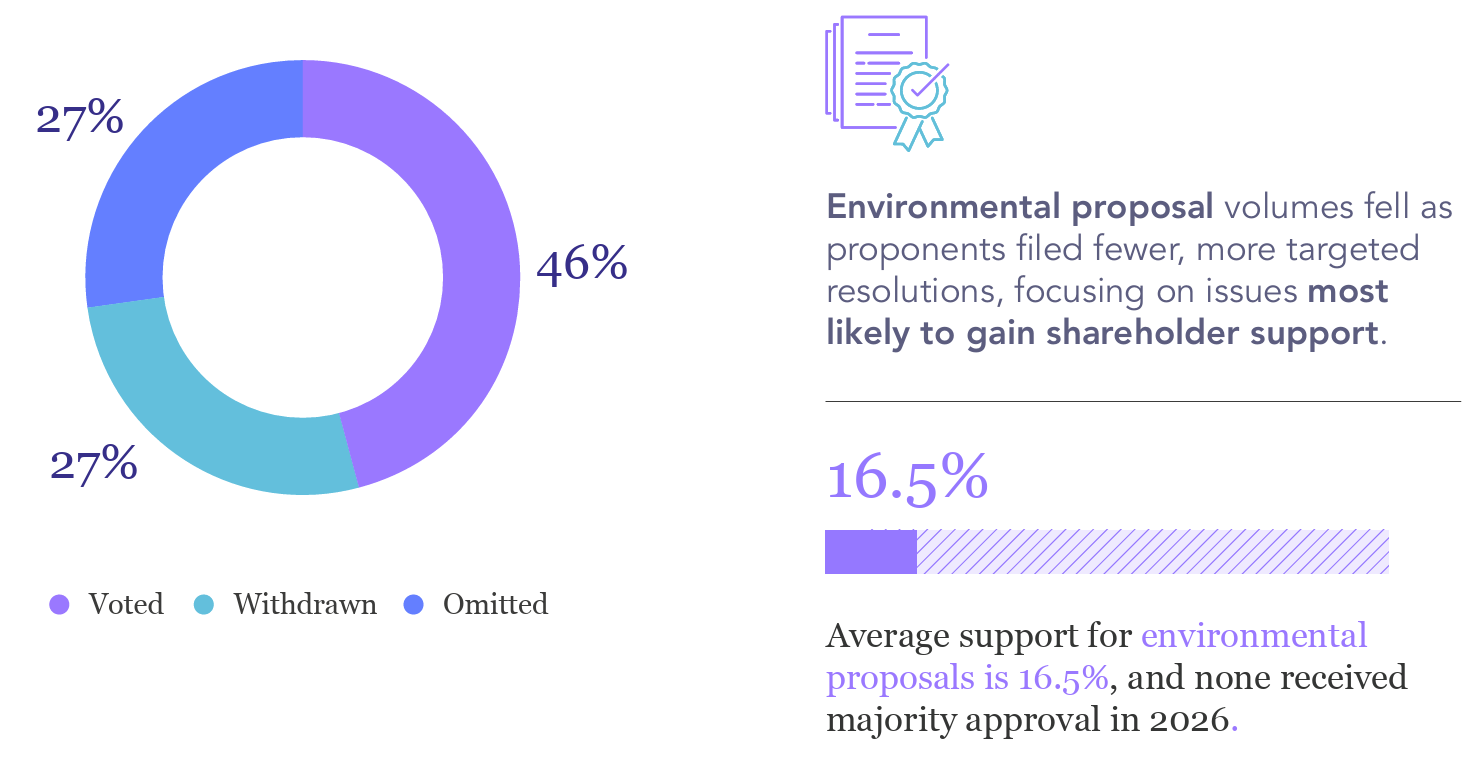
The 2026 proxy season witnessed a year-over-year trend in shareholder proposals, with a notable decline in the total number of submissions. Data compiled by D.F. King for the period of January 1st to June 30th, 2026, revealed this downward trend. However, the firm’s analysis indicated that a higher percentage of these submitted proposals were ultimately included in proxy statements for shareholder votes. This outcome is largely due to companies adopting a more cautious approach to excluding proposals, likely in anticipation of the SEC’s revised guidelines. The SEC’s updated no-action process aimed to streamline the review of shareholder proposals, potentially making it more challenging for companies to justify exclusions based on procedural grounds. This regulatory shift encouraged many corporations to include proposals that might have been omitted in previous years.
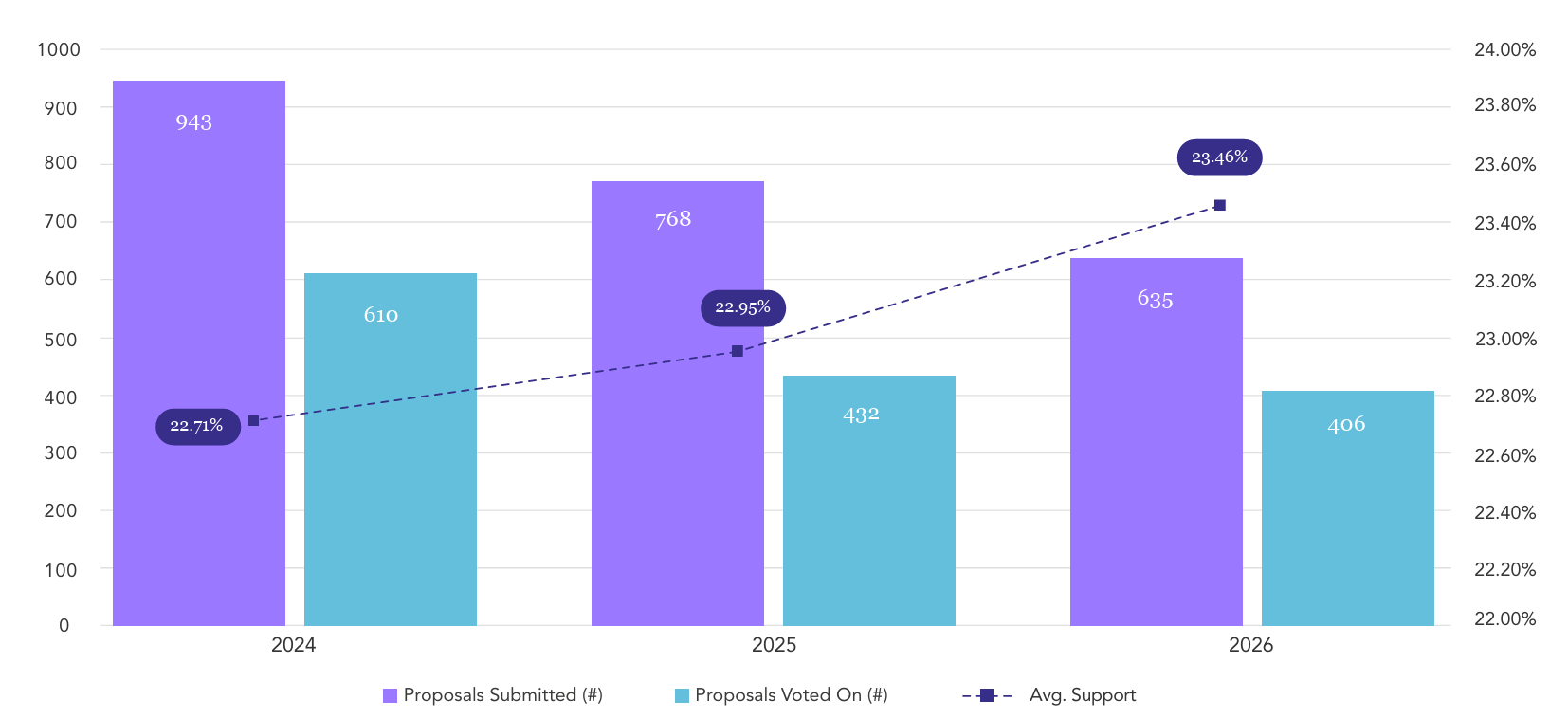
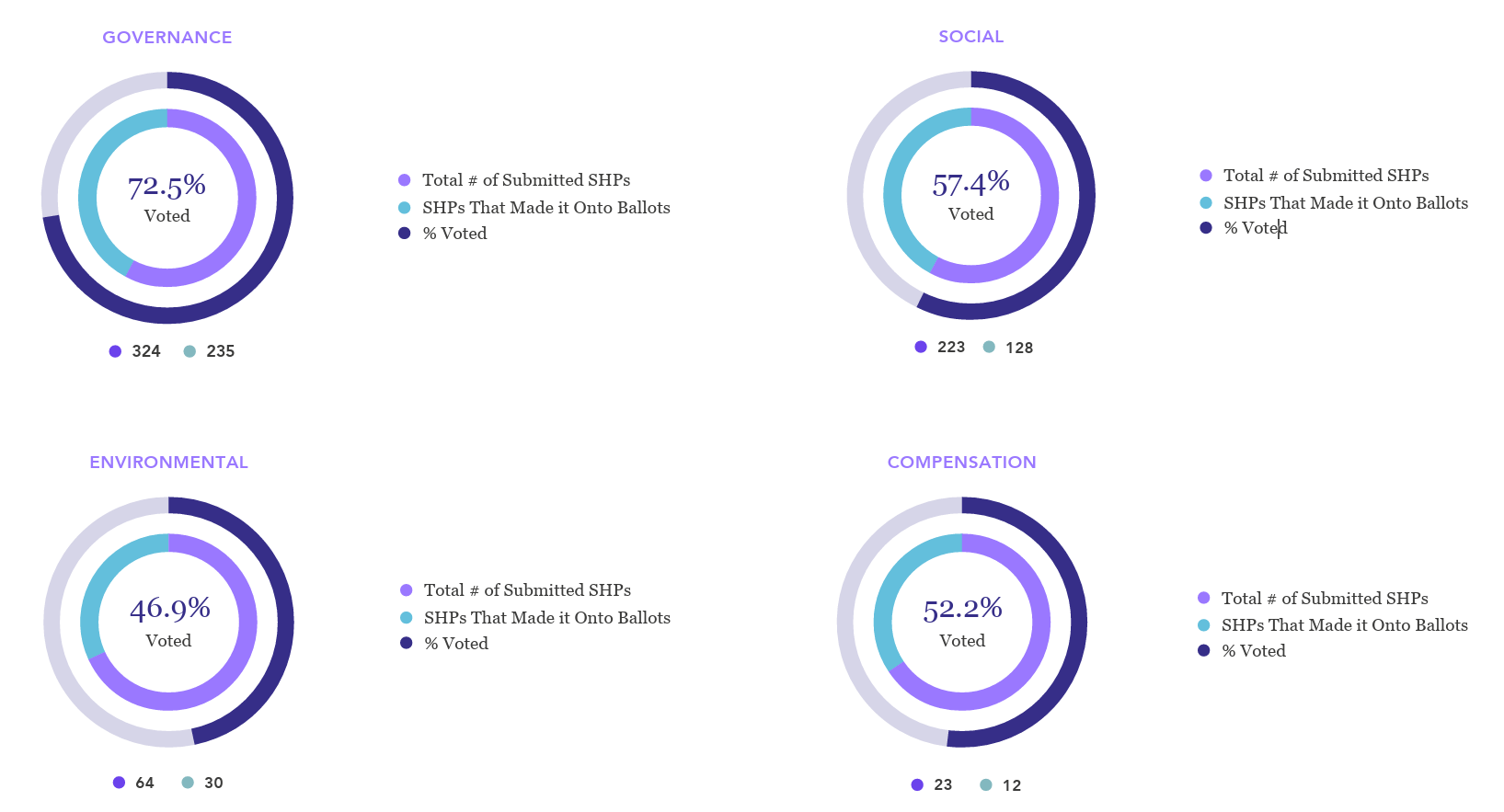
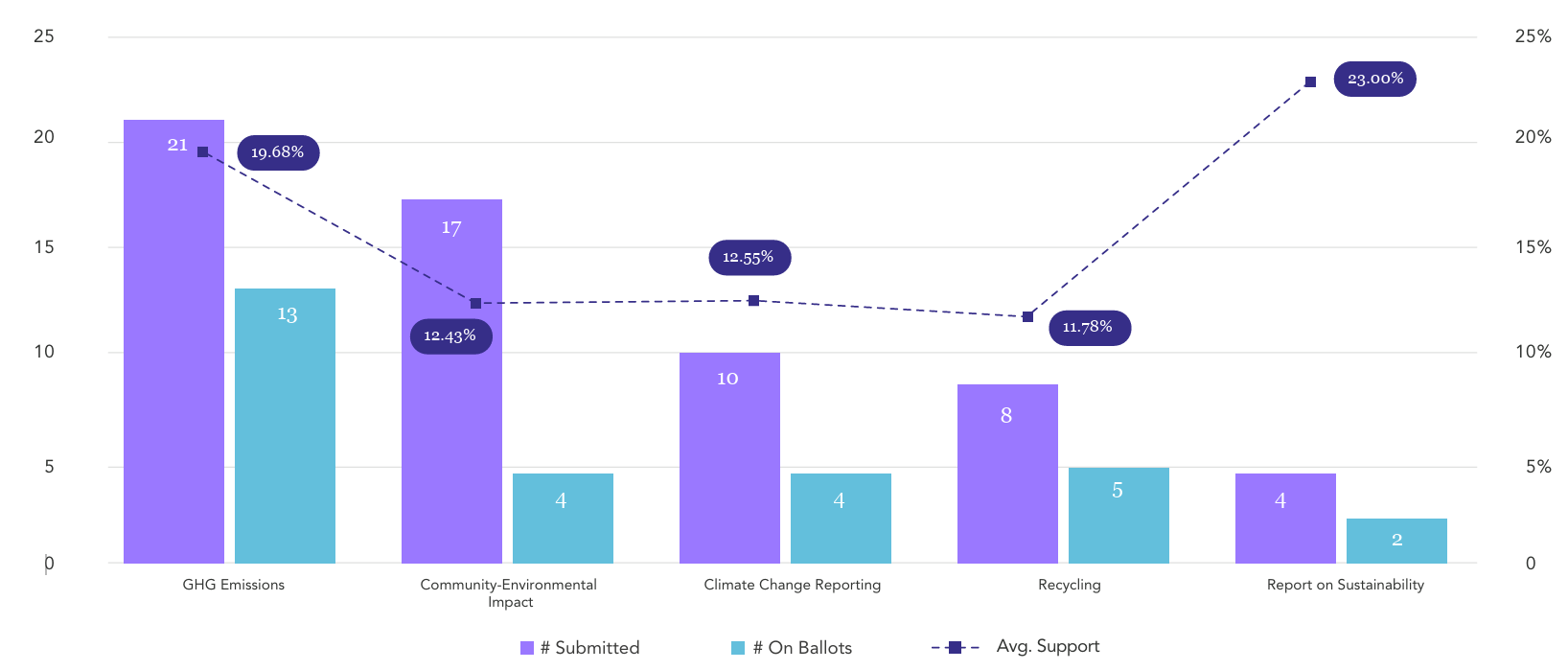
The report further broke down these trends by proposal category, illustrating a varied picture across different ESG and governance themes. While overall submissions decreased, the proportion of proposals reaching the ballot varied by category, suggesting a strategic focus by proponents on specific areas of corporate responsibility.

Top Submitted Proposals in 2026
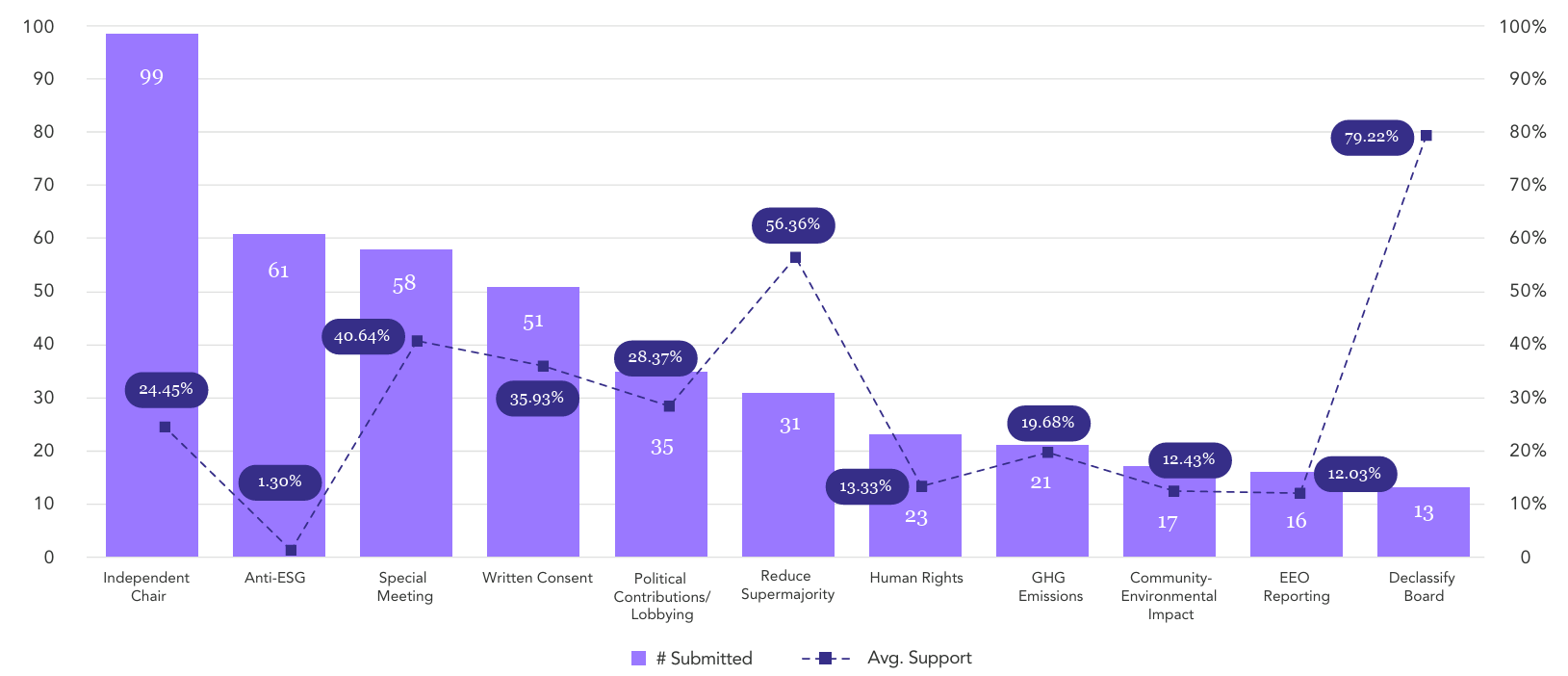
Analysis of the most common shareholder proposals submitted for 2026 meetings revealed a continued emphasis on environmental, social, and governance (ESG) issues. Key themes that dominated submissions included:
- Environmental Initiatives: Proposals focused on climate change, environmental impact, and sustainable practices remained prominent, reflecting ongoing investor concern about corporate environmental stewardship.
- Social Initiatives: Shareholder resolutions addressing social issues such as diversity, equity, and inclusion (DEI), labor practices, and human rights continued to be a significant area of focus.
- Governance Initiatives: Proposals related to executive compensation, board structure, shareholder rights, and political spending saw a surge in submissions, indicating sustained investor interest in corporate accountability and oversight.
Environmental Initiatives: Fewer Proposals, Stronger Support
The environmental category, while seeing fewer overall proposals, experienced stronger shareholder support for those that did reach the ballot. This suggests a more focused and impactful approach by proponents in this area. Key takeaways from environmental initiatives included:
- Climate-Related Proposals: Resolutions requesting enhanced climate risk disclosures, alignment with global climate goals (such as the Paris Agreement), and the setting of science-based emissions targets continued to garner significant investor backing. Companies are increasingly being pressured to demonstrate concrete action and transparent reporting on their climate strategies.
- Biodiversity and Natural Capital: An emerging trend saw an increase in proposals related to biodiversity loss and the management of natural capital, indicating a broadening scope of environmental concerns among investors.
- Sustainable Practices: Shareholder advocacy for sustainable sourcing, waste reduction, and circular economy principles also played a role, with proponents pushing for more integrated sustainability into core business operations.
The status of environmental proposals in 2026 showed a notable trend: while the number of proposals submitted may have decreased, the average support level for those that made it to the proxy statement increased. This suggests that investors are increasingly prioritizing and rewarding companies that demonstrate proactive and robust environmental policies.
Social Initiatives: Steady Support Amidst Submission Decline
Similar to the environmental category, social initiatives also saw a reduction in the number of proposals submitted. However, the support for the proposals that did make it to the proxy statement remained steady. This indicates that social issues remain a key area of investor engagement, even as proponents may be refining their submission strategies.
- Diversity, Equity, and Inclusion (DEI): Proposals seeking greater board and workforce diversity, including requests for detailed diversity metrics and reports on pay equity, continued to receive strong shareholder endorsement. Investors are increasingly viewing DEI as a critical component of good governance and long-term value creation.
- Labor Practices and Human Capital Management: Resolutions addressing fair labor practices, employee well-being, and transparent human capital management strategies were also prevalent. These proposals often seek to ensure that companies are treating their workforce ethically and sustainably.
- Political Spending and Lobbying Transparency: Shareholder calls for greater disclosure and accountability regarding corporate political expenditures and lobbying activities remained a consistent theme, reflecting concerns about corporate influence in the political sphere.
The 2026 Social Proposal Status data indicated that while the total number of proposals might have been lower, the average support levels remained robust, signaling continued investor conviction in these social impact areas.
Governance Initiatives: Surge in Proposals, High Support
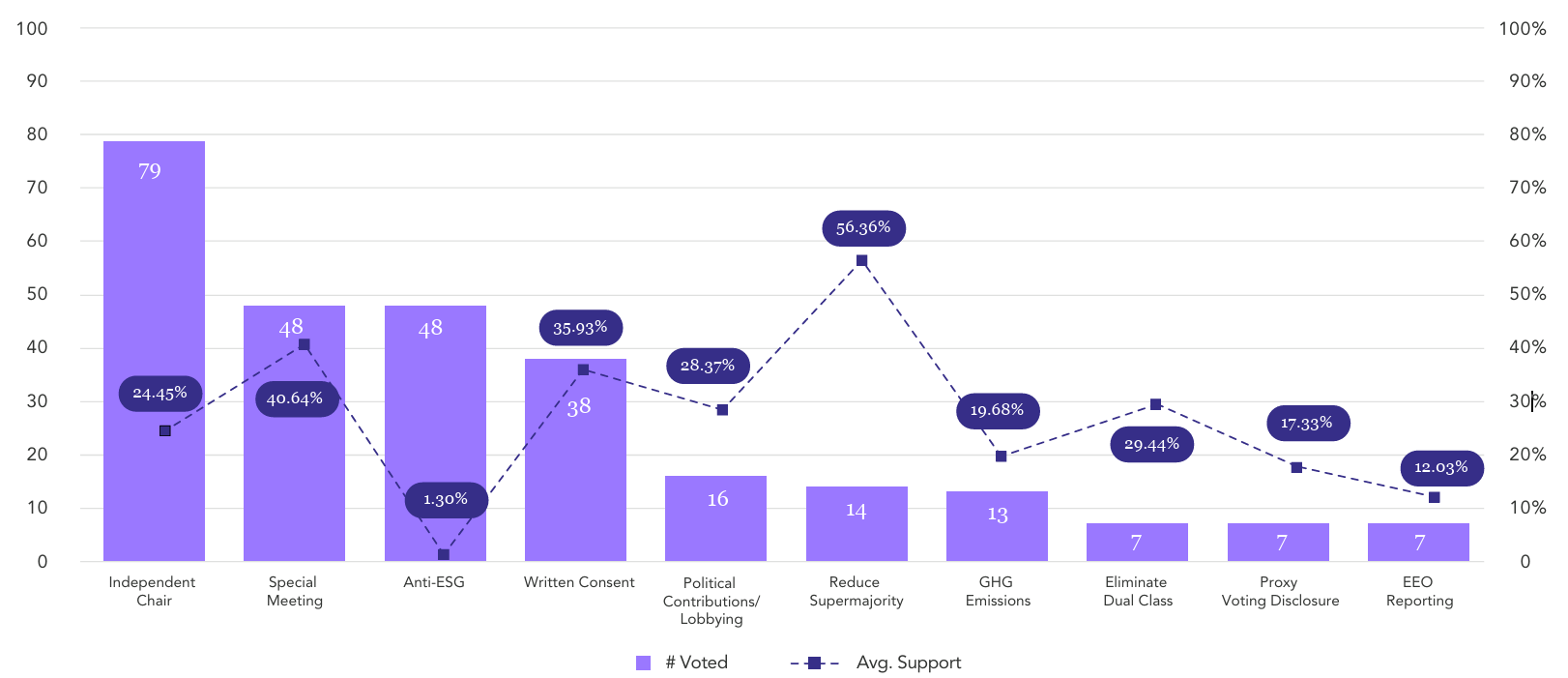
In contrast to environmental and social proposals, governance initiatives experienced a surge in submission numbers during the 2026 proxy season, with support remaining high. This indicates a persistent and growing investor focus on fundamental corporate governance practices.
- Say-on-Pay and Executive Compensation: Proposals related to executive compensation, particularly "Say-on-Pay" votes, continued to be a major focus. While submissions in this area were numerous, the analysis showed a dramatic decrease in the failure rate for Say-on-Pay resolutions. This suggests that companies have been more responsive to investor feedback regarding compensation practices, or that proponents have become more adept at tailoring their proposals to gain broader support.
- Board Structure and Independence: Shareholder resolutions advocating for improved board independence, declassified board structures, and enhanced director accountability saw increased activity. Investors are keen to ensure that boards are effectively representing shareholder interests and providing robust oversight.
- Shareholder Rights and Engagement: Proposals aimed at empowering shareholders, such as those related to proxy access, the right to act by written consent, and the ability to call special meetings, also saw heightened interest. These resolutions underscore the ongoing desire for greater shareholder voice in corporate decision-making.
The "Say-on-Pay Failure Rate" analysis specifically highlighted a significant improvement, with fewer proposals failing to achieve majority support. This trend is a positive indicator of improved dialogue and responsiveness between companies and their shareholders on compensation matters. Similarly, governance proposals that made it to the ballot generally received strong majority support, reinforcing the view that good governance remains a top priority for institutional investors.
Broader Impact and Implications
The trends observed in the 2026 proxy season, as detailed in D.F. King’s report, carry significant implications for corporate America. The continued strong support for ESG-related proposals, even with fewer submissions in some categories, signals that these issues are not merely a passing trend but deeply embedded in investor expectations. Companies that proactively address climate risks, social equity, and robust governance practices are likely to find favor with shareholders, potentially leading to improved access to capital and enhanced long-term value.
The SEC’s updated no-action process appears to have influenced company behavior, leading to more proposals reaching the ballot. This regulatory recalibration underscores the importance of transparent and responsive engagement with shareholders. As companies navigate the evolving ESG landscape, a clear understanding of these proxy season trends and investor priorities will be crucial for fostering trust and aligning corporate strategy with long-term sustainable value creation. The report serves as a vital resource for boards and management teams seeking to understand and effectively respond to the growing influence of shareholder activism on corporate governance and sustainability.
