

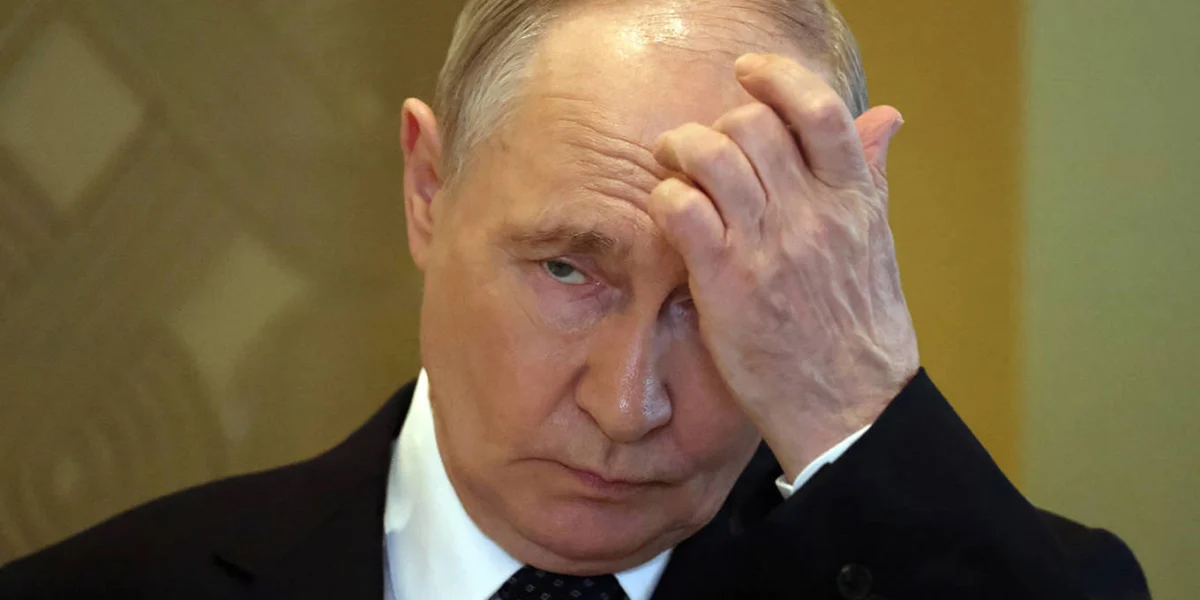
The Russian economy, already grappling with sluggish growth, persistent inflation, and the disruptive impact of Ukrainian long-range drone strikes on its vital energy infrastructure, is now confronting a significantly expanded budget deficit, a move that analysts warn could exacerbate existing economic vulnerabilities and signal a period of prolonged stagflation. President Vladimir Putin’s administration has seemingly abandoned fiscal prudence, allowing the government’s budget deficit to swell to an estimated 2.8% of the Gross Domestic Product (GDP), a figure that has raised considerable concern among economists and international observers. This departure from a more conservative fiscal stance, particularly in the current geopolitical and economic climate, is unlikely to yield positive long-term outcomes for Russia.
The Shadow of Stagflation Looms Over Russia
A broad consensus among Russia-watchers and economic analysts points towards a protracted period of stagflation for the Russian Federation. Stagflation, a rare and challenging economic phenomenon characterized by stagnant economic growth coupled with high inflation, presents a formidable dilemma for policymakers. Current projections suggest that Russia’s economic growth for the current year is unlikely to surpass a meager 1%. This anemic expansion stands in stark contrast to the inflationary pressures that continue to plague the nation, with inflation remaining stubbornly entrenched at or above 6%. This dual burden of low growth and high prices significantly erodes the purchasing power of consumers and business profitability, creating a challenging environment for economic recovery.
The most potent and theoretically viable option for revitalizing the Russian economy, according to many experts, lies in a decisive shift away from the ongoing conflict in Ukraine. However, this path is widely considered the least probable to be pursued, primarily due to President Putin’s apparent unwillingness to cease military operations. The war’s substantial economic toll, including increased military spending, sanctions, and disruptions to trade, is a significant contributing factor to the current economic malaise. Without a resolution to the conflict, any attempts at economic revival are likely to be hampered by these persistent headwinds.
Escalating Budget Deficit: A Reckless Pursuit?
The decision to allow the budget deficit to balloon to 2.8% of GDP represents a significant departure from previous fiscal strategies, particularly in light of the economic pressures Russia is facing. While precise figures for the current fiscal year’s deficit can fluctuate, the trend indicates a willingness to increase spending, potentially to shore up domestic support, finance ongoing military expenditures, or stimulate sectors of the economy deemed critical. However, this approach carries inherent risks. A growing deficit necessitates either increased borrowing, which can lead to higher interest rates and debt servicing costs, or printing more money, which can further fuel inflation.
The war in Ukraine, which commenced in February 2022, has had a profound and multifaceted impact on the Russian economy. Initially, the Kremlin anticipated a swift military victory and a relatively contained economic fallout. However, the protracted nature of the conflict, coupled with unprecedented international sanctions imposed by a coalition of Western nations, has led to a more severe and prolonged economic contraction than initially projected. The sanctions have targeted key sectors of the Russian economy, including finance, energy, and technology, restricting access to international markets, capital, and critical components.
The Dual Threat: Energy Infrastructure Under Fire
Adding to the economic woes are the persistent and increasingly sophisticated Ukrainian long-range drone strikes targeting Russia’s critical energy infrastructure. These attacks, which have intensified in recent months, aim to disrupt Russia’s oil and gas production and export capabilities, thereby impacting its primary source of revenue and its ability to finance the war effort. While Russia’s energy sector is vast and resilient, repeated strikes on refineries, storage facilities, and pipelines can lead to localized disruptions, increased operational costs, and a decline in export volumes.
The strategic implications of these drone attacks are significant. By targeting energy infrastructure, Ukraine aims to inflict economic pain on Russia, diminish its capacity to fund the war, and potentially influence international energy markets. The Kremlin has responded by bolstering its air defenses and attempting to repair damaged facilities, but the ongoing nature of these strikes presents a persistent challenge to Russia’s energy security and its economic stability. The financial burden of repairing damaged infrastructure and the potential loss of revenue from disrupted exports further contribute to the widening budget deficit.
Background Context: A Shifting Economic Landscape
Prior to the full-scale invasion of Ukraine, the Russian economy had already been experiencing a period of subdued growth, a consequence of structural issues, demographic challenges, and the lingering effects of earlier sanctions imposed following the annexation of Crimea in 2014. The pre-war economy was heavily reliant on hydrocarbon exports, making it vulnerable to fluctuations in global energy prices. Despite efforts to diversify, the energy sector remained the backbone of Russia’s fiscal revenues.
The COVID-19 pandemic also presented challenges, although Russia, like many nations, implemented stimulus measures to mitigate its economic impact. However, the pre-existing fragilities within the Russian economic model meant that it was less well-equipped to absorb the shock of a prolonged geopolitical conflict and the subsequent wave of comprehensive international sanctions.
Timeline of Key Economic Developments:
- February 2022: Russia launches its full-scale invasion of Ukraine.
- February-March 2022: Western nations impose unprecedented sanctions on Russia, targeting its financial institutions, energy sector, and key individuals. The Russian ruble experiences significant volatility.
- 2022-2023: Russia’s economy contracts, but less severely than initially predicted by some, partly due to high energy prices and adaptive measures by the Russian government. However, inflation remains elevated.
- 2023-2024: Ukrainian drone attacks on Russian energy infrastructure become more frequent and sophisticated, causing targeted disruptions. The Russian government begins to increase military spending significantly.
- Mid-2024: Reports emerge of a widening budget deficit, with estimates reaching or exceeding 2.8% of GDP, signaling a departure from fiscal austerity. Analysts warn of increasing stagflationary pressures.
Supporting Data and Projections:
While precise, up-to-the-minute figures for the Russian budget deficit are often subject to revision, independent economic analyses and reports from international financial institutions provide a consistent picture of fiscal strain. For instance, projections from organizations like the International Monetary Fund (IMF) and the World Bank have consistently highlighted the challenges facing the Russian economy, including subdued growth and inflationary pressures. Data from Russia’s own Federal State Statistics Service (Rosstat) typically provides figures on inflation and GDP growth, though these are often viewed with caution by external observers given the geopolitical context.
The increase in military expenditures is a major driver of the deficit. Russia’s reported defense budget has seen substantial increases, reflecting the sustained commitment to the conflict in Ukraine. Furthermore, the costs associated with maintaining domestic stability, social programs, and economic support measures, particularly in light of sanctions, also contribute to increased government spending.
Official Responses and Reactions:
The Kremlin has largely downplayed concerns about the rising deficit, often framing it as a necessary consequence of the current geopolitical situation and a testament to the resilience of the Russian economy. Russian officials frequently emphasize the country’s ability to withstand sanctions and maintain economic stability. There have been statements from the Ministry of Finance and the Central Bank of Russia acknowledging inflationary pressures and outlining measures to manage them, such as interest rate adjustments.
However, the tone from international economic bodies and independent analysts remains cautious. They point to the long-term implications of sustained high deficits, including increased sovereign debt, potential currency devaluation, and a dampening effect on private investment due to economic uncertainty. The lack of transparency in some of Russia’s fiscal reporting further complicates a comprehensive assessment.
Broader Impact and Implications:
The widening budget deficit and the persistent threat of stagflation have several significant implications for Russia and the global economy:
- Domestic Economic Stability: A prolonged period of stagflation would lead to a further decline in living standards for ordinary Russians, with rising prices eroding real incomes. This could increase social discontent and pose a challenge to the government’s domestic legitimacy.
- Geopolitical Implications: Russia’s ability to sustain its military operations in Ukraine is directly linked to its economic strength. A deteriorating economic situation could, in the long run, constrain Moscow’s military capabilities and influence its strategic calculations.
- Global Energy Markets: While Russia has redirected some of its energy exports, disruptions to its production or refining capacity due to drone strikes or internal economic pressures can still have ripple effects on global energy prices, particularly in key markets that still rely on Russian supplies.
- Investment Climate: The current economic environment, characterized by high inflation, low growth, and geopolitical uncertainty, is highly unfavorable for both domestic and foreign investment. This will hinder Russia’s ability to modernize its economy and diversify away from its reliance on raw material exports.
- Fiscal Sustainability: If the deficit continues to grow unchecked, Russia could face challenges in managing its debt burden, potentially leading to fiscal austerity measures in the future that could further stifle economic growth.
In conclusion, President Putin’s administration is navigating a perilous economic course. The decision to prioritize spending over fiscal prudence, particularly in the context of an ongoing war and relentless attacks on its energy infrastructure, presents a significant risk of entrenching stagflation. The long-term consequences of this gamble remain to be seen, but the current trajectory suggests a challenging period ahead for the Russian economy, with potential repercussions extending far beyond its borders. The absence of a resolution to the war in Ukraine remains the most significant impediment to any genuine and sustainable economic recovery.
