


The transition to a low-carbon economy is frequently framed as a challenge of massive industrial proportions, requiring billions of dollars in institutional investment and federal subsidies. However, a burgeoning movement across Canada is proving that the financial architecture of the green transition can be built from the ground up. By utilizing community bonds and cooperative ownership models, local residents are bypassing traditional financial intermediaries to fund, build, and profit from renewable energy and sustainable infrastructure projects. This decentralized approach not only accelerates the deployment of clean technology but also ensures that the economic benefits of the energy transition remain within the communities they serve.
The Rise of Community-Led Energy Finance
The financial gap for Canada to reach its net-zero targets by 2050 is estimated to be approximately $2 trillion. While large-scale utility projects are essential, they often face "not-in-my-backyard" (NIMBY) opposition and lengthy regulatory hurdles. Community-owned projects offer a compelling alternative. By allowing local citizens to become shareholders or bondholders, these initiatives foster public buy-in and turn potential opponents into active stakeholders.
Community bonds have emerged as a particularly effective tool. Unlike traditional stocks, these are social finance instruments that allow a non-profit or cooperative to raise capital from its community to finance a specific project. Investors receive a fixed rate of return, while the community gains an essential service, such as renewable power or affordable housing. This model has gained significant traction in Ontario, British Columbia, and Quebec, serving as a blueprint for localized climate action.
Solar Power and the Cooperative Spirit: Wintergreen and Wascana
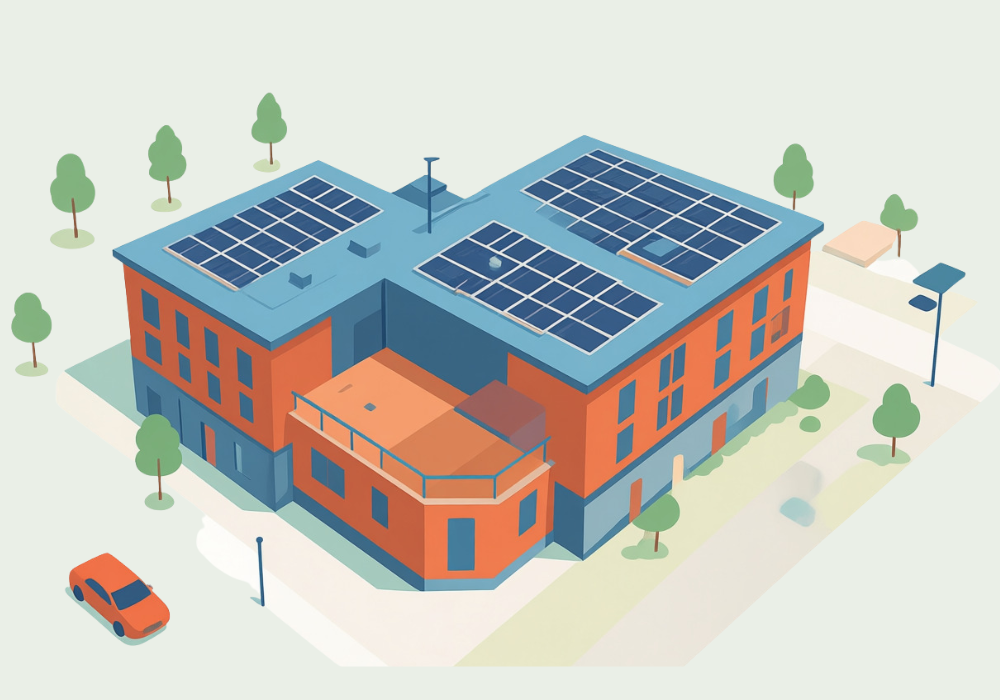
In Kingston, Ontario, the Wintergreen solar array stands as a testament to the power of collective investment. Managed by SolarShare, Canada’s leading renewable-energy cooperative, Wintergreen consists of a solar array capable of powering 100 homes. SolarShare has successfully mobilized more than $60 million from over 2,000 members across Ontario, proving that "patient capital"—investments that prioritize long-term social and environmental returns over immediate profit—can compete with traditional finance.
The success of SolarShare has inspired similar movements in the Prairies. In Regina, Saskatchewan, the Wascana Solar Co-operative is addressing a specific barrier to the green transition: the "renter’s dilemma." While homeowners can choose to install solar panels on their roofs, apartment dwellers are often excluded from the renewable energy market. Wascana’s model involves installing 400 solar panels that are collectively owned by approximately 100 members. This allows residents who do not own their roof space to participate in the energy transition and receive a return on their investment based on the power generated.

From Waste to Watts: The ZooShare Experiment
One of the most innovative examples of community-financed energy is ZooShare, located at the Toronto Zoo. This project utilizes an anaerobic digester to turn organic animal waste and food waste into biogas, which is then converted into electricity for Ontario’s provincial grid. The project was made possible through the financial backing of 800 cooperative members who purchased community bonds.
However, the ZooShare project also serves as a case study in the risks associated with early-stage green technology. In 2023, following a member vote, ZooShare announced a pause on interest payments, with a commitment to repay bondholders when cash flow permits. This development highlights a critical aspect of the community bond market: transparency and resilience. Despite the financial setback, the project continues to divert waste from landfills and generate low-carbon power, demonstrating that community-led initiatives are often more committed to long-term viability than traditional venture capital, which might have abandoned the project under similar stress.

The Pioneers of Wind Power: WindShare and OREC
The history of community energy in Canada is deeply rooted in wind power. WindShare, a cooperative co-owned by 825 Toronto residents and Toronto Hydro, was the first project of its kind in the country. Its iconic turbine at Exhibition Place in Toronto has become a symbol of urban sustainability. By allowing residents to own a piece of the city’s energy infrastructure, WindShare pioneered the legal and financial frameworks that many current cooperatives now use.
Following in these footsteps is the Ottawa Renewable Energy Co-op (OREC). Founded in 2010, OREC has expanded its reach beyond the capital, acquiring a partial stake in two wind turbines on the shores of Lake Huron. These turbines generate approximately 3.3 million kWh annually—enough to power more than 400 homes. OREC’s success lies in its ability to pool small investments from thousands of individuals to compete for high-value infrastructure assets that would otherwise be the exclusive domain of institutional investors.

Expanding the Scope: Sustainable Transportation and Housing
The community bond model is no longer limited to power generation. As the definition of "green infrastructure" expands, new cooperatives are tackling the decarbonization of transportation and the built environment.
In Quebec and New Brunswick, EcoCharge has launched the first EV-charging community bond campaign of its kind. Through this initiative, members own roughly 100 charging stations. This addresses the "chicken-and-egg" problem of electric vehicle adoption: consumers are hesitant to buy EVs without charging infrastructure, but private companies are often slow to install chargers in areas with low current EV density. By using community capital, EcoCharge can deploy infrastructure where it is needed most, driven by community demand rather than purely speculative profit.

In Kamloops, British Columbia, the Propolis cooperative is applying the community bond model to the housing crisis. Propolis raised $1 million from about 100 investors to fund a 53-unit net-zero apartment building. This project demonstrates the intersectionality of modern environmentalism; by creating affordable, energy-efficient housing, Propolis is addressing both social equity and climate resilience. The building is designed to produce as much energy as it consumes, reducing utility costs for low-income residents while eliminating the carbon footprint of the residential site.
Institutional and Faith-Based Transitions: The Faithfully Green Fund
Perhaps the most culturally significant shift is occurring within faith communities. The Faithfully Green Fund helps churches, mosques, and temples finance green retrofits—such as heat pump installations and insulation upgrades—through the sale of community bonds. The fund operates on a revolving basis: as one congregation repays its loan through the savings achieved on its energy bills, the capital is re-deployed to another faith community.

This model leverages the existing social capital and trust within religious organizations to drive technical upgrades. It also provides a solution for non-profits that lack the upfront capital to invest in green technology, despite the long-term cost savings these technologies offer.
Analysis of Implications and the Path Forward
The growth of these eight projects signals a fundamental shift in how Canadians perceive their relationship with the energy grid. No longer passive consumers, citizens are becoming "prosumers"—both producers and consumers of energy.

The implications of this shift are manifold:
- Resilience: Decentralized energy projects are often more resilient to grid failures and market volatility.
- Economic Retention: Unlike projects funded by multinational corporations, the interest and dividends from community bonds stay in the local economy.
- Policy Support: The success of these models has led to calls for improved regulatory environments. In many provinces, securities laws still make it difficult for non-profits to issue bonds to the general public. Streamlining these regulations could unlock billions in household savings for climate projects.
- Democratization: These models lower the barrier to entry for green investing. While private equity might require a $100,000 minimum investment, many community bonds are available for as little as $1,000, allowing a broader demographic to participate in the transition.
Chronology of Community Energy Evolution in Canada
- 2002: WindShare installs the first community-owned wind turbine in Toronto, proving the legal feasibility of the cooperative energy model.
- 2009: Ontario passes the Green Energy Act, providing feed-in tariffs that catalyze the growth of cooperatives like SolarShare and OREC.
- 2010-2015: A surge in solar cooperatives occurs across Canada, with organizations like Wascana and SolarShare expanding their portfolios.
- 2018-2022: The "Second Wave" of community finance begins, moving beyond power generation into EV charging (EcoCharge) and net-zero housing (Propolis).
- 2023: The sector faces its first major "stress test" as ZooShare restructures its debt, highlighting the need for robust financial management in social enterprises.
- 2024 and Beyond: Federal initiatives like the Clean Electricity Investment Tax Credit begin to consider how to better integrate small-scale, community-owned assets into the national strategy.
The success of Wintergreen, WindShare, and their peers demonstrates that the "daunting" task of funding the green transition is manageable when the burden is shared. By tapping into local pride and the desire for ethical investment, Canada’s community energy sector is proving that the most powerful tool for fighting climate change might just be the neighborhood investment. As these projects scale, they offer a vision of a future where the power grid is not just clean, but truly owned by the people it serves.
