

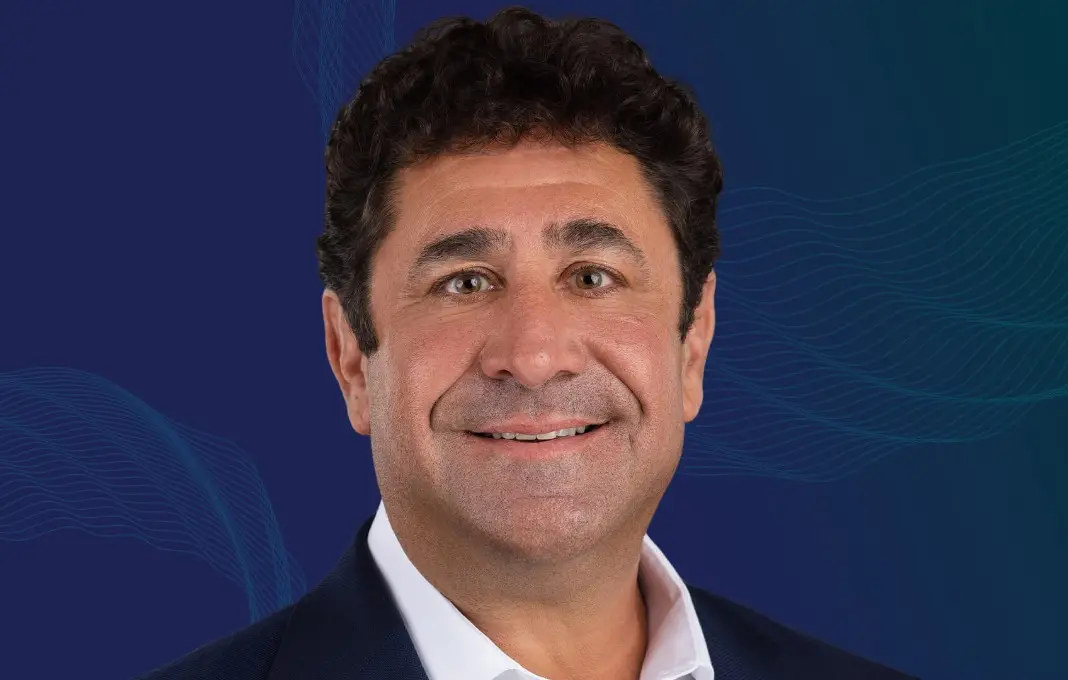
The insatiable appetite for artificial intelligence (AI) has transformed data centers into one of the world’s most coveted, yet complex, asset classes. While capital flows into the sector at an unprecedented rate, with hundreds of billions of dollars earmarked for new capacity, the true determinants of success are shifting away from mere financial backing towards critical operational factors. According to Dave Ferdman, co-founder of Primary Digital Infrastructure (PDI), it is the mastery of power acquisition, the navigation of intricate supply chains, and the flawless execution of development and upgrades that now dictate which data center ventures will truly pay off, eclipsing the significance of sheer monetary investment.
The current landscape is characterized by a stark imbalance: demand for power and high-density computing capabilities is surging, far exceeding the design parameters of existing facilities. This burgeoning demand is compounded by significant grid constraints and escalating energy costs, a confluence of factors that has dramatically amplified the value of strategically located, upgradeable sites. While the influx of capital promises expansion, it cannot magically shorten lengthy interconnection queues, expedite the delivery of essential transformers, or retool aging infrastructure for the demands of next-generation AI workloads. It is precisely this gap between financial resources and tangible operational feasibility that Dave Ferdman and his firm, PDI, are strategically addressing.
The Evolution of Data Center Investment: A Shift in Priorities
Dave Ferdman brings a wealth of experience to this evolving market. His foundational role in co-founding CyrusOne in 2000, where he served as president and CEO until 2011, provided him with an intimate understanding of the data center industry’s growth trajectory. His return to CyrusOne on an interim basis from 2021 to 2022, overseeing the company’s $15 billion take-private transaction by KKR and Global Infrastructure Partners, further solidified his expertise in navigating large-scale data center transactions and operations. During his tenure at CyrusOne, the firm was instrumental in the development, acquisition, and operation of over 50 data centers globally. This deep operational pedigree forms the bedrock of his current venture, Primary Digital Infrastructure (PDI), an Austin-based advisory and investment platform dedicated to hyperscale and AI-driven data centers.
PDI’s thesis is clear: the winners in the current data center cycle will be those firms that possess not only a keen understanding of capital markets but also a profound grasp of operational realities. "The AI buildout has made data centers one of the most sought-after asset classes in the world, and one of the trickiest to underwrite," Ferdman notes. "Demand for power and high-density computing is outrunning what existing facilities were designed to support, with grid constraints and rising costs making well-located, upgradeable sites more valuable by the month. Hundreds of billions of dollars are moving toward new capacity. But capital alone can’t shorten an interconnection queue, secure a transformer or reposition a decade-old facility for next-generation compute."
Primary Digital Infrastructure: A Dual-Pronged Approach to Market Leadership
PDI operates on a distinctive business model, combining the roles of advisor and investor. This dual perspective, Ferdman explains, provides a comprehensive understanding of the market’s dynamics. "PDI is an independent investment platform focused on data centers and the infrastructure powering the digital economy. Our model combines deep operator expertise with institutional capital to identify, acquire and scale high-quality assets," he states. "We’re operating at a moment where AI is driving one of the largest digital infrastructure investment opportunities in decades."
The firm’s growth strategy is intrinsically linked to the scale and timing of the current digital transformation. As the industry witnesses substantial investments in new data center capacity, there is a corresponding increase in existing assets that require recapitalization and strategic repositioning. This creates a unique market window for aligning infrastructure with future demand. PDI’s approach prioritizes opportunities where operational insight and robust partnerships offer a distinct advantage.
A prime example of PDI’s strategic execution is their collaboration with Crusoe and Blue Owl on the Stargate Abilene data center in Texas. This project, recognized as one of the most ambitious hyperscale endeavors globally, achieved significant milestones within its initial year. This success underscores PDI’s commitment to identifying and developing projects at the nexus of power, capital, and compute, rather than pursuing growth for its own sake.
The Advisory-Investor Synergy: Unlocking Value Through Integrated Insight
The integrated nature of PDI’s advisory and investment functions offers a significant competitive edge. On the advisory front, PDI engages with a broad spectrum of market participants, including major hyperscale companies and established data center owners and operators. This direct engagement provides invaluable, real-time intelligence on capital flows, emerging bottlenecks, and evolving demand patterns.
"On the advisory side, we’re engaged with one of the largest hyperscale companies as well as data center owners and operators, which provides real-time insight into how capital is flowing and where constraints are emerging," Ferdman elaborates. "As investors, we apply that insight with discipline. In today’s market, success isn’t merely about identifying demand. It’s about understanding what enables that demand to be delivered. Power availability, equipment constraints and execution complexity are increasingly impacting outcomes as much as capital itself."
This dual perspective allows PDI to transcend transactional, headline-driven investment decisions and focus on the long-term performance of assets. Their core strength lies in bridging the gap between capital and operations, discerning not only where opportunities lie but also the intricate steps required to realize them.
Navigating the Complexity of the Modern Data Center Ecosystem
The role of advisory and investment firms is undergoing a profound evolution as data centers solidify their position as central pillars of enterprise growth. Ferdman emphasizes that this shift moves beyond simple capital allocation to a more integrated, strategic partnership. "Data centers are central to enterprise strategy. Our role as both an advisory and an investment firm is becoming more integrated, strategic and increasingly critical to business outcomes. This is no longer simply about allocating capital—it’s about strategically aligning the right infrastructure with perfect long-term investment capital."
The current phase of data center development is defined by escalating complexity. Growth is demonstrably constrained by factors such as power availability, the reliability of global supply chains for specialized equipment, and the availability of a skilled workforce. Simultaneously, demand for digital services continues its relentless ascent. This dynamic environment is attracting new pools of capital, which in turn are reshaping the traditional methods of infrastructure financing and scaling.
The Future of Data Center Investment: Expertise as the Ultimate Differentiator
Looking ahead, Ferdman predicts that firms capable of harmonizing access to capital with deep operational and technical expertise will emerge as leaders in the data center sector. The industry is transitioning from a model focused on capital provision to one demanding strategic partnership. These firms will be instrumental in guiding the data center ecosystem through its current constraints, enabling it to capitalize on emerging opportunities, and ultimately translating infrastructure decisions into sustained enterprise value.
The implications of this shift are far-reaching. Investors and developers who can effectively navigate power procurement processes, secure critical long-lead-time equipment, and manage complex construction and upgrade projects will command a premium. Companies that can demonstrate a robust understanding of grid infrastructure, renewable energy integration, and the specific power requirements of AI workloads will be better positioned to attract both tenants and investment.
For instance, the increasing power density requirements of AI servers, often exceeding 50kW per rack, necessitate significant upgrades to existing electrical infrastructure. This involves not only securing additional power from utilities but also installing more robust transformers, switchgear, and cooling systems. The lead times for these components can stretch for months, even years, making proactive planning and strong supplier relationships paramount.
Furthermore, the global nature of supply chains for specialized data center components, from high-performance GPUs to advanced cooling solutions, presents another layer of complexity. Geopolitical events, trade disputes, and logistical challenges can all impact delivery schedules and costs, requiring sophisticated supply chain management capabilities.
The human element is also increasingly critical. The development and operation of hyperscale data centers demand a highly skilled workforce, including electrical engineers, mechanical engineers, data center technicians, and project managers. Shortages in these areas can lead to project delays and increased labor costs.
In this new paradigm, the ability to execute effectively on the ground, from site selection and permitting to construction and ongoing operations, will be the ultimate differentiator. Capital will undoubtedly remain a necessary component, but it will no longer be sufficient on its own. The companies that can marry financial backing with a deep, practical understanding of power, supply chains, and execution will be the ones that define the future of the data center industry. The $15 billion take-private of CyrusOne, a transaction Ferdman was instrumental in, exemplifies the scale of capital involved, but it was also a testament to the operational resilience and strategic vision that underpin such massive undertakings. As the AI revolution continues to accelerate, the strategic importance of data centers as the foundational infrastructure of the digital economy will only grow, making the expertise that Dave Ferdman champions ever more vital.
