

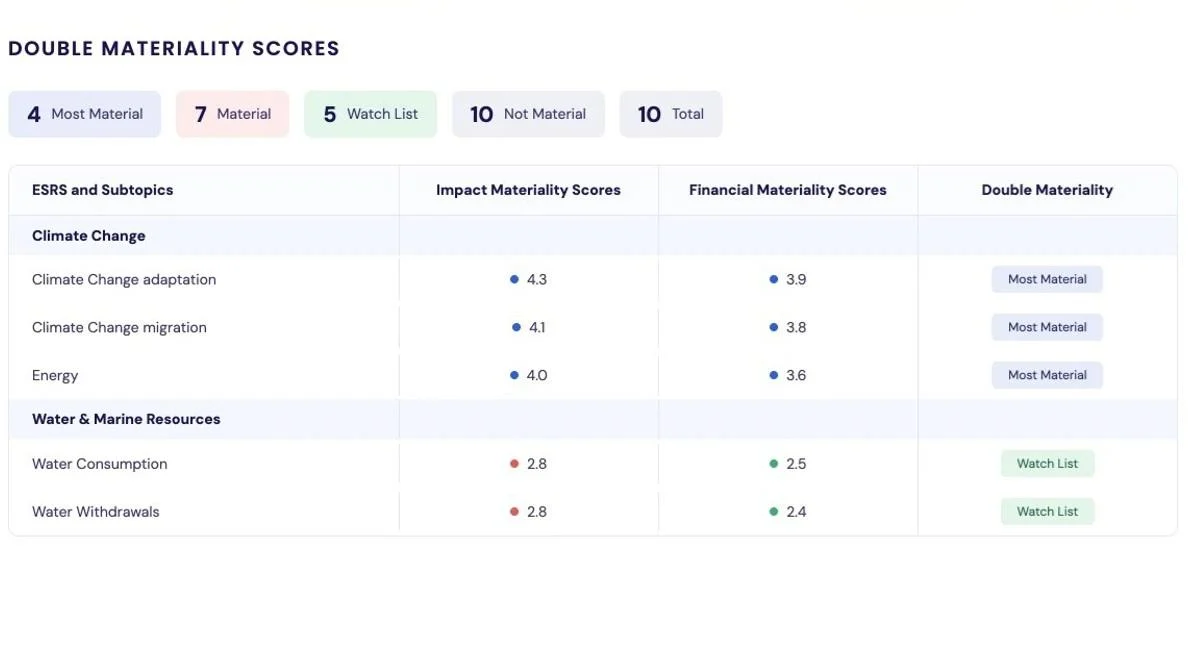
The sustainability reporting landscape is undergoing a fundamental transformation as regulatory requirements shift from voluntary disclosures to mandatory, audit-grade reporting. In response to this evolving environment, Novisto, a leading provider of sustainability management software, has officially announced the launch of Novisto Materiality. This new digital solution is specifically engineered to empower organizations to conduct comprehensive double materiality assessments (DMA), a rigorous process now required under the European Union’s Corporate Sustainability Reporting Directive (CSRD). By integrating advanced data analytics and science-backed methodologies, the solution aims to help companies identify, prioritize, and manage their most significant sustainability-related impacts, risks, and opportunities (IROs) with the same level of rigor applied to financial reporting.
The Paradigm Shift: Understanding Double Materiality
The concept of "double materiality" represents the cornerstone of the European Sustainability Reporting Standards (ESRS), which provide the framework for compliance with the CSRD. Unlike traditional materiality, which often focuses solely on how environmental and social issues affect a company’s financial performance (financial materiality), double materiality requires a two-way perspective.
First, it encompasses "impact materiality," which examines the external effects a company has on the environment and society—such as carbon emissions, labor practices in the supply chain, or water usage. Second, it includes "financial materiality," which assesses how external sustainability factors—such as climate change-induced physical risks or shifting regulatory landscapes—create financial risks or opportunities for the enterprise.
Novisto’s new platform is designed to bridge these two perspectives. While the CSRD is the primary driver for this technological leap, the need for double materiality extends to other global frameworks. Organizations reporting under the International Sustainability Standards Board (ISSB) focus heavily on financial materiality to satisfy investor demands, while those utilizing the Global Reporting Initiative (GRI) focus on impact. Novisto Materiality provides a unified environment where these disparate standards can converge, allowing companies to satisfy multiple regulatory bodies and stakeholder groups through a single, streamlined process.
Technical Innovation and the GIST Impact Partnership
One of the most significant hurdles in performing a double materiality assessment is the inherent subjectivity of qualitative data. Traditionally, companies have relied on manual surveys and the "expert opinions" of internal stakeholders, which can lead to inconsistent results and difficulties during the external assurance process. To solve this, Novisto has partnered with GIST Impact, a pioneer in impact data and analytics.
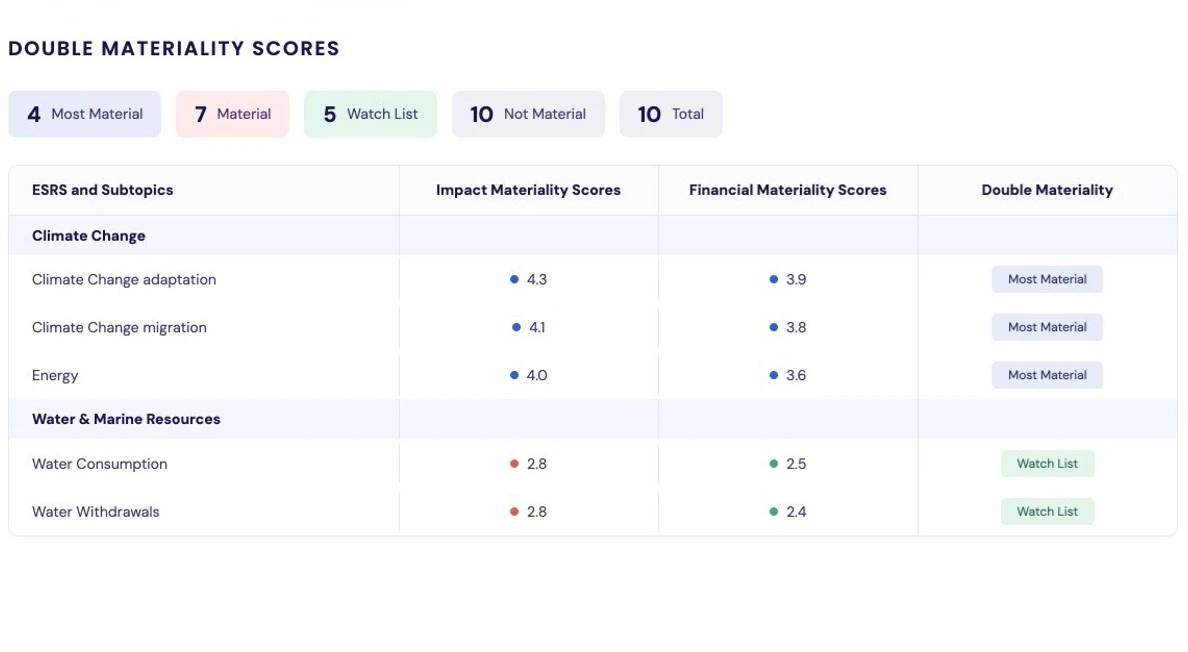
The Novisto Materiality solution leverages GIST Impact’s science-backed methodology to replace subjective scoring with a standardized, data-driven logic. By utilizing AI-powered analysis, the platform can process vast amounts of qualitative and quantitative data to generate objective materiality scores for every identified topic and IRO. This transition from "opinion-based" to "evidence-based" assessment is critical for companies that must now have their sustainability reports verified by third-party auditors.
Key features of the Novisto Materiality solution include:
- Integrated Data Capture: The ability to ingest primary qualitative data from stakeholder surveys alongside quantitative performance metrics.
- AI-Powered Scoring: Automated analysis that assigns weights and scores to sustainability factors based on their severity, scale, and likelihood.
- Stakeholder Engagement Tools: In-platform survey modules that facilitate seamless communication with both internal departments and external stakeholders, such as investors, NGOs, and supply chain partners.
- Audit-Ready Documentation: A transparent digital trail that records the rationale behind every materiality decision, providing the "proof of work" required for limited and reasonable assurance engagements.
- Dynamic Re-Assessment: Unlike static biennial reports, the digital nature of the tool allows companies to update their materiality assessments in real-time, which is particularly valuable during significant corporate events like mergers and acquisitions.
A Chronology of the Regulatory Evolution
The launch of Novisto Materiality is a direct response to a decade-long acceleration in ESG regulation. To understand the importance of this tool, one must look at the timeline that led to the current reporting environment:
- 2014 – The NFRD: The EU introduced the Non-Financial Reporting Directive (NFRD), which required large "public-interest entities" to disclose information on the way they operate and manage social and environmental challenges. However, the lack of standardization led to incomparable data.
- 2019 – The European Green Deal: This set the stage for a complete overhaul of the EU’s economic system, placing sustainability at the heart of financial policy.
- 2021 – The Proposal of CSRD: Recognizing the failures of the NFRD, the European Commission proposed the CSRD to ensure that companies report reliable and comparable sustainability information.
- 2023 – Adoption of ESRS: The European Commission adopted the first set of European Sustainability Reporting Standards, making double materiality a mandatory starting point for reporting.
- 2024 – Implementation Phase: The first wave of companies (those already subject to the NFRD) began collecting data for their 2025 reports under the new CSRD rules.
- 2026 and Beyond: The scope of the CSRD will expand to include large unlisted companies and eventually listed SMEs, ultimately affecting approximately 50,000 companies across the globe, including non-EU companies with significant operations in the European Union.
Novisto’s entry into the DMA space comes at a critical juncture in this timeline, as thousands of companies are currently struggling to move from spreadsheet-based tracking to enterprise-grade software.
Corporate Pain Points: Moving Beyond Spreadsheets
For many Chief Sustainability Officers (CSOs), the manual process of conducting a materiality assessment is a logistical nightmare. It often involves hundreds of spreadsheets, fragmented emails, and disconnected data points from HR, procurement, and operations. Novisto CEO and Co-Founder Charles Assaf emphasized that the integrity of an ESG program depends entirely on its starting point. "Materiality should not be treated as a box to check once every two years," Assaf stated. "This launch reflects our vision of giving organizations the confidence to manage sustainability information with the same discipline as financial information."
The move toward digitalization addresses several specific corporate pain points:

- Cost and Resource Intensity: Traditional consultancy-led materiality assessments can cost hundreds of thousands of dollars and take months to complete. Digitalizing the process reduces the time-to-value and lowers the long-term cost of compliance.
- Objectivity Gap: When assessments are based on internal workshops, they are often prone to "recency bias" or the influence of the loudest voices in the room. Data-driven scoring ensures that the most impactful issues—even those that are uncomfortable for the company—are brought to the forefront.
- Interdepartmental Silos: By providing a centralized platform, Novisto enables finance, legal, and sustainability teams to work from a "single source of truth," reducing the risk of conflicting data in public disclosures.
Broader Market Impact and Implications
The release of Novisto Materiality is likely to trigger a ripple effect across the ESG software market. As regulators demand higher data quality, the "first generation" of ESG tools—which were often little more than data repositories—are becoming obsolete. The "second generation," characterized by Novisto’s new offering, focuses on workflow automation, regulatory intelligence, and analytical depth.
From an investor perspective, the implications are profound. With standardized double materiality assessments, investors will finally have access to data that shows not just how a company is "doing good," but how it is protecting its long-term enterprise value. For example, a beverage company that conducts a rigorous DMA might discover that water scarcity in a specific region is not just an environmental concern but a primary threat to its production capacity over the next decade. By identifying this through a digital DMA, the company can proactively invest in water-efficient technology, thereby de-risking the business for shareholders.
Furthermore, the "assurance-ready" nature of the platform addresses a growing concern in the financial world: greenwashing. By providing a clear trail for auditors, Novisto helps companies defend their sustainability claims, reducing the risk of litigation and reputational damage.
Strategic Integration into Business Strategy
Beyond mere compliance, Novisto is positioning its materiality solution as a strategic asset. In the context of Mergers and Acquisitions (M&A), the ability to quickly assess the double materiality of a target company is becoming a vital part of due diligence. A target firm might appear financially sound on paper, but a DMA could reveal significant "hidden" liabilities related to carbon taxes or labor violations that could derail the acquisition’s long-term value.
As companies prepare for the 2025 and 2026 reporting cycles, the adoption of tools like Novisto Materiality signifies a maturation of the corporate world. Sustainability is no longer a peripheral marketing concern; it has become a core component of operational excellence. By providing the digital infrastructure to navigate the complexities of double materiality, Novisto is helping to usher in an era where environmental and social impacts are weighed with the same gravity as profit and loss.
