

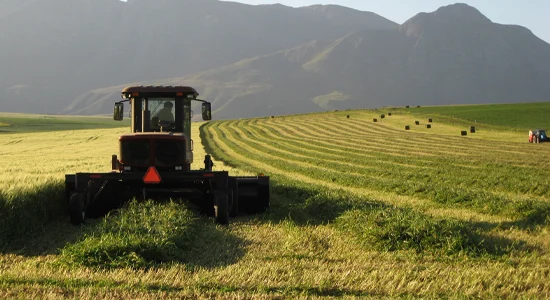
The venture capital firm Norrsken22 is keenly observing the African agricultural technology (agtech) sector, anticipating a significant breakthrough in its growth-stage companies. This strategic focus comes at a time when the broader African investment landscape is experiencing dynamic shifts, influenced by global economic currents and evolving investor priorities. While Norrsken22 remains committed to nurturing innovation within African agtech, the sector itself is navigating a critical juncture, seeking to translate promising early-stage ventures into established, scalable enterprises capable of attracting substantial growth capital.
The Promise and Peril of African Agtech
Africa’s agtech sector holds immense potential to address critical challenges ranging from food security and climate resilience to rural economic development and job creation. With a rapidly growing population and a significant portion of the workforce engaged in agriculture, the continent presents a fertile ground for technological solutions that can enhance productivity, optimize resource management, and improve market access for smallholder farmers. Innovations in areas such as precision agriculture, digital marketplaces, sustainable farming practices, and post-harvest management are increasingly vital.
However, realizing this potential is not without its hurdles. Agtech ventures in Africa often grapple with unique challenges including fragmented markets, limited infrastructure, regulatory complexities, and the inherent risks associated with agricultural production, such as weather dependency and pest outbreaks. Furthermore, securing consistent and significant growth-stage funding – the capital required to scale operations, expand market reach, and achieve profitability – has historically been a bottleneck for many promising companies. This is precisely the stage where Norrsken22, and indeed many other investors, are looking for demonstrable traction and a clear path to sustainable profitability.
Norrsken22’s Strategic Position
Norrsken22, established with a mission to invest in high-growth technology companies across Africa, has consistently shown an interest in the agtech space. The firm’s investment thesis often centers on identifying companies that are not only technologically advanced but also possess strong leadership teams and a clear understanding of the African context. The anticipation of a "growth-stage breakthrough" suggests that Norrsken22 believes the African agtech ecosystem is maturing, with a growing number of companies demonstrating the resilience, scalability, and market fit necessary to attract significant follow-on investment.
This anticipation is likely fueled by several underlying trends:
- Increasing Digital Penetration: The proliferation of mobile technology and internet access across Africa is creating new avenues for digital solutions in agriculture, from farm management apps to mobile-based credit and insurance services.
- Growing Investor Appetite for Impact: Beyond financial returns, many investors are increasingly seeking to back companies that deliver tangible social and environmental impact. African agtech, with its direct links to food security and sustainable development, aligns well with this trend.
- Maturation of the Ecosystem: The broader African tech ecosystem has seen significant growth in recent years, with more accelerators, incubators, and experienced mentors contributing to the development of a more robust pipeline of investable companies.
APG’s Leadership Transition in Infrastructure and Natural Capital
In parallel with the evolving agtech landscape, significant shifts are also occurring in other investment domains. The departure of APG’s longstanding head of infrastructure and natural capital in the APAC region signals a broader realignment of strategic priorities within major institutional investors. APG, one of the world’s largest pension providers, manages substantial assets across various sectors, including critical infrastructure and natural resources.
The exit of a key figure overseeing such substantial and long-term investment areas, particularly in a dynamic region like Asia-Pacific, is noteworthy. Infrastructure and natural capital investments are typically characterized by their long investment horizons, significant capital requirements, and their role in foundational economic development. These sectors are also increasingly intertwined with sustainability and climate change considerations.
Background and Context of APG’s Move
APG’s investment strategy is driven by the need to provide stable, long-term returns for its pension fund clients. Investments in infrastructure and natural capital are crucial for achieving this objective, offering a hedge against inflation and providing essential services for economic growth. The APAC region, with its rapidly expanding economies and increasing demand for infrastructure development, has been a key focus for such investments.
The departure of a senior leader responsible for a significant portfolio suggests several possibilities:
- Strategic Review: The organization may be undertaking a review of its investment strategy in the APAC infrastructure and natural capital space, potentially leading to a recalibration of its approach, asset allocation, or geographical focus.
- New Opportunities: The departing executive might be moving to a new role that offers different challenges or aligns more closely with their evolving career aspirations.
- Organizational Restructuring: Such departures can sometimes be indicative of internal restructuring or a shift in leadership philosophy within the organization.
Implications of the APG Transition
The implications of this leadership change at APG could be far-reaching for the APAC infrastructure and natural capital markets.
- Investment Momentum: A new leader might bring a fresh perspective and potentially alter the pace or direction of new investments. This could either accelerate or decelerate the deployment of capital into projects within the region.
- Focus Areas: The new head might prioritize different sub-sectors within infrastructure (e.g., renewable energy, digital infrastructure, transportation) or natural capital (e.g., forestry, sustainable agriculture, water management) based on evolving market trends and sustainability goals.
- Investor Relations: Existing portfolio companies and potential new partners will be keen to understand the new leadership’s vision and how it impacts ongoing and future collaborations.
- Talent Mobility: The departure of a senior figure can sometimes trigger further talent movement within the industry, as experienced professionals seek new opportunities.
Deals Round-Up and Broader Market Trends
The news of Norrsken22’s anticipation in African agtech and the leadership change at APG are part of a larger narrative of evolving investment strategies and market dynamics. The broader "deals round-up" that typically accompanies such briefings often reflects these underlying shifts.
Recent deal activity, which is not detailed in the provided excerpt but is a common feature of such news, would likely highlight:
- Sectoral Preferences: An increase in deals within sectors that are perceived as resilient or having strong long-term growth prospects, such as renewable energy, digital services, and indeed, agtech focused on essential food production.
- Geographical Focus: Continued interest in emerging markets, but with a more discerning approach to risk and a focus on regions with improving regulatory environments and robust growth potential.
- Stage of Investment: A potential bifurcation, with strong interest in early-stage innovation and mature, profitable companies, while growth-stage companies that have not yet demonstrated clear scalability might face a more challenging funding environment.
The African Agtech Growth Challenge: Data and Projections
To contextualize Norrsken22’s anticipation, it’s important to consider the available data on the African agtech market. While specific growth-stage funding figures can be elusive, broader trends offer insights.
- Market Size and Growth: The African agricultural sector is a significant contributor to GDP, with estimates suggesting the market for agricultural inputs and services is valued in the hundreds of billions of dollars annually. The agtech market, while smaller, is projected to grow substantially, driven by the need for increased efficiency and sustainability.
- Investment Trends: While early-stage funding for African startups has seen significant growth in recent years, the quantum of capital available for Series B, C, and beyond rounds remains a critical factor for scaling. Reports from various venture capital tracking firms often indicate a disparity between the number of promising early-stage companies and the availability of later-stage growth capital.
- Key Agtech Sub-Sectors: Successful agtech ventures often operate in areas such as:
- Digital Marketplaces: Connecting farmers to buyers, reducing post-harvest losses, and improving price transparency.
- Precision Agriculture: Using data and technology to optimize inputs like water, fertilizer, and pesticides.
- Fintech for Agriculture: Providing access to credit, insurance, and payment solutions for farmers.
- Supply Chain Management: Enhancing traceability and efficiency from farm to fork.
- Biotechnology and Seed Technology: Developing climate-resilient crops and improving yields.
The "growth-stage breakthrough" that Norrsken22 awaits would involve companies in these sub-sectors achieving significant milestones: substantial revenue growth, a large and engaged user base, demonstrable impact on farmer livelihoods, and a clear path to profitability that justifies multi-million dollar investment rounds.
Challenges and Opportunities for Growth-Stage Agtech
For African agtech companies to achieve this breakthrough, they must address several critical factors:
- Scalability Models: Developing business models that are inherently scalable across diverse geographies and farming systems within Africa. This often requires adapting solutions to local contexts rather than imposing one-size-fits-all approaches.
- Demonstrating Impact: Beyond financial metrics, investors are increasingly looking for quantifiable evidence of social and environmental impact. Companies that can clearly articulate and measure their contribution to food security, poverty reduction, and climate resilience will be more attractive.
- Talent Acquisition and Retention: Attracting and retaining skilled personnel, particularly those with expertise in technology, data science, and agricultural management, is crucial for scaling operations.
- Regulatory Navigation: Understanding and navigating the diverse regulatory landscapes across different African countries can be complex but is essential for widespread adoption.
- Building Trust: In sectors where traditional practices are deeply ingrained, building trust with farmers and other stakeholders is paramount for the successful adoption of new technologies.
Broader Implications for the African Investment Ecosystem
The successful scaling of African agtech companies has implications that extend far beyond the sector itself.
- Economic Diversification: It contributes to diversifying African economies, moving beyond reliance on primary commodity exports towards knowledge-based industries.
- Job Creation: The growth of tech-enabled agriculture can create new, higher-skilled jobs in rural areas, stemming rural-urban migration and fostering local development.
- Food Security and Resilience: By improving agricultural productivity and reducing losses, agtech plays a direct role in enhancing food security and building resilience against climate shocks.
- Attracting Further Investment: A visible success story in agtech can serve as a powerful signal to international investors, encouraging further capital deployment into other high-potential sectors across the continent.
The current investment climate, marked by both opportunities and evolving priorities as exemplified by APG’s strategic shifts, underscores the need for robust, adaptable, and impact-driven ventures. Norrsken22’s focus on the growth-stage breakthrough in African agtech reflects a broader understanding of this dynamic. The sector is poised for significant advancement, but the journey to widespread, impactful scaling will require continued innovation, strategic partnerships, and a sustained commitment from investors who recognize the continent’s immense agricultural potential. The coming months and years will be critical in determining whether this anticipated breakthrough materializes, transforming the landscape of African agriculture and its contribution to global food systems.
