

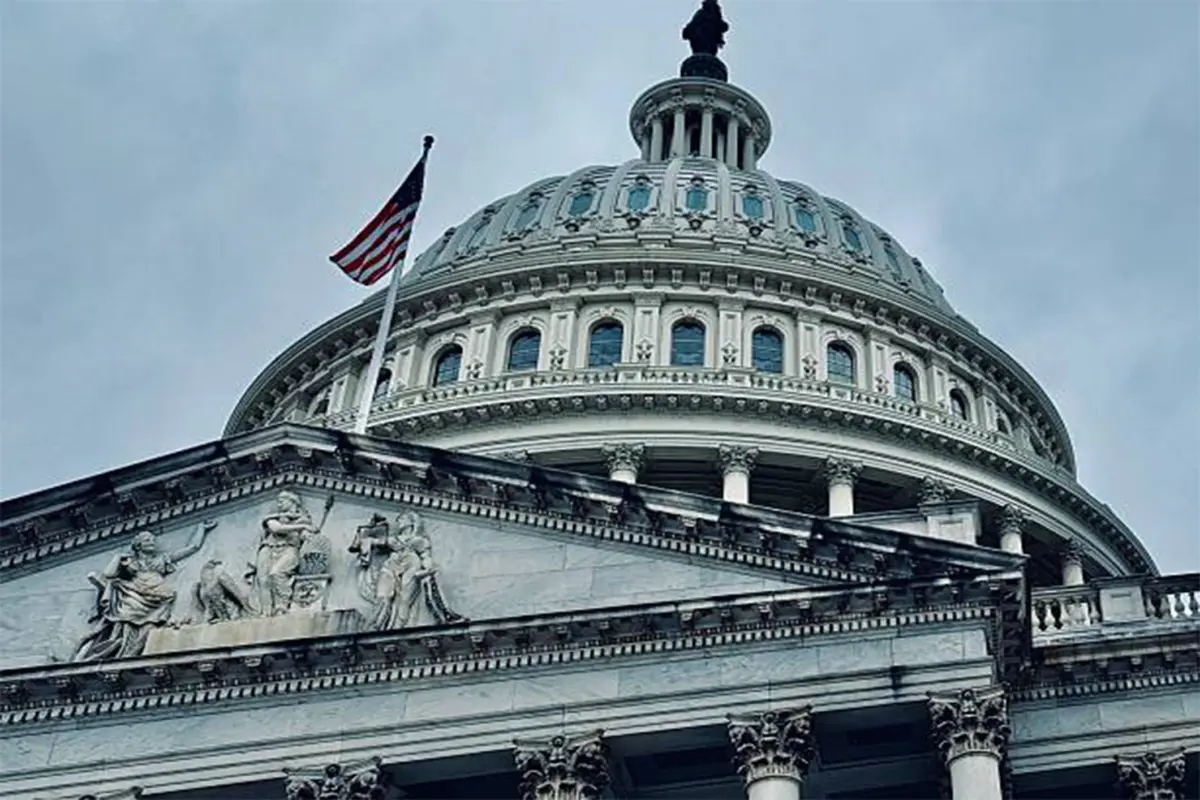
The recent mid-term election results have ignited a critical discourse within the financial advisory and estate planning sectors, prompting a deep dive into how legislative shifts might reshape strategies for practitioners and wealth advisors. A focused discussion, encapsulated in a forthcoming 30-minute presentation followed by an interactive Q&A session, aims to dissect these potential impacts, offering invaluable insights for navigating the evolving landscape. This session is a cornerstone of The T&E Inner Circle Expert Sessions, a series designed exclusively for subscribers to engage with leading experts on timely and crucial estate planning topics.
Understanding the Nexus: Elections and Estate Planning
The United States’ legislative calendar is often punctuated by elections that can significantly alter the trajectory of fiscal policy, tax law, and regulatory frameworks. Mid-term elections, occurring two years into a presidential term, are particularly noteworthy as they can signal shifts in the balance of power in Congress, thereby influencing the legislative agenda for the remaining years of a presidential term. For estate planning, which is intrinsically tied to tax legislation governing wealth transfer, these electoral outcomes can have profound and immediate implications.
Historically, changes in administration and congressional control have led to adjustments in estate tax rates, exemption amounts, gift tax provisions, and generation-skipping transfer (GST) tax rules. For instance, a shift towards a more fiscally conservative Congress might prioritize tax cuts, potentially increasing estate tax exemptions or reducing rates. Conversely, a more progressive Congress could explore measures to increase estate tax revenue, possibly by lowering exemptions or raising rates. The uncertainty surrounding these potential changes necessitates a proactive approach from estate planning professionals.
The T&E Inner Circle Expert Sessions: A Forum for Insight
This upcoming webinar is not an isolated event but part of The T&E Inner Circle Expert Sessions, a subscriber-exclusive webinar series. This initiative underscores WealthManagement.com’s commitment to providing its premium audience with direct access to subject matter experts who possess extensive experience in estate planning. The series is designed to equip subscribers with actionable knowledge, allowing them to stay ahead of market trends and regulatory changes.
The format of these sessions, featuring a concise presentation followed by a direct Q&A with the expert, fosters a dynamic learning environment. It allows attendees to not only absorb crucial information but also to address specific concerns and gain clarity on complex issues that directly affect their practice and client services. The emphasis on "timely and critical topics" ensures that the content remains relevant and impactful in a rapidly changing economic and political climate.
Background and Chronology of Potential Policy Shifts
The mid-term elections, held on November 8, 2022, saw shifts in the control of the U.S. House of Representatives and the Senate. While the exact composition of Congress and the resulting legislative priorities are still solidifying, the outcomes suggest a period of potential policy recalibration. Historically, the period following mid-term elections can be characterized by legislative gridlock or, conversely, by a renewed focus on specific policy areas by the party or parties holding sway.
For estate planning, key legislative areas to monitor include:
- Estate Tax Exemption: The current federal estate tax exemption is at a historically high level. Any legislative action could aim to retain this level, adjust it, or significantly reduce it, especially if expiration dates are approaching. For example, provisions enacted under the Tax Cuts and Jobs Act of 2017 are scheduled to sunset at the end of 2025, which could lead to a significant reduction in the exemption amount if no further legislative action is taken.
- Estate Tax Rates: Similar to the exemption, tax rates applied to estates exceeding the exemption threshold are subject to legislative change. Reductions could ease the burden on larger estates, while increases would necessitate more aggressive tax planning.
- Gift Tax and Generation-Skipping Transfer (GST) Tax: These taxes are closely intertwined with estate tax provisions. Changes to the estate tax framework often have ripple effects on gift and GST tax rules, impacting lifetime gifting strategies and the transfer of wealth across generations.
- Capital Gains Tax: While not directly an estate tax, changes to capital gains tax rates can influence the decision-making process for individuals holding appreciated assets, impacting estate planning strategies that involve the liquidation or transfer of such assets.
- Trust and Fiduciary Law: Beyond federal tax law, state-level legislative changes can also impact estate planning. These can include alterations to probate procedures, trust administration rules, and fiduciary duties, all of which are critical for practitioners.
The current political climate, characterized by ongoing debates about national debt, economic growth, and wealth inequality, suggests that tax policy, including estate taxation, will likely remain a subject of significant discussion. The specific direction of these discussions will be heavily influenced by the legislative priorities of the newly configured Congress.
Supporting Data and Expert Analysis
To understand the potential implications, it is useful to consider historical data on estate tax revenue and the number of estates subject to the tax. In recent years, due to high exemption levels, the number of estates subject to federal estate tax has been relatively low. According to the IRS, in 2019, only about 0.1% of deaths resulted in an estate tax liability. However, even a small percentage of very large estates can represent significant tax revenue.
Experts in the field are likely to analyze the voting patterns and stated policy objectives of newly elected officials. For example, if a party advocating for increased wealth redistribution gains significant power, it is plausible that proposals to increase estate taxes would gain traction. Conversely, a party focused on stimulating investment and capital formation might push for further tax reductions or at least the preservation of current low rates.
The presentation will likely draw upon economic modeling and actuarial projections to illustrate the potential revenue impact of various policy scenarios. It may also delve into case studies, demonstrating how specific legislative changes could affect the estate plans of different types of clients, from those with modest wealth to ultra-high-net-worth individuals.
Statements and Reactions from Related Parties (Inferred)
While specific statements from the webinar’s speakers are not available prior to the event, one can infer the general sentiment and anticipations within the estate planning community. Practitioners and wealth advisors are likely experiencing a heightened sense of vigilance. Their focus will be on understanding the nuances of any proposed legislation, its potential effective dates, and the planning opportunities or challenges it might present.
Financial institutions and professional organizations such as the American Bar Association (ABA) Section of Real Property, Trust and Estate Law, and the American Institute of Certified Public Accountants (AICPA) will undoubtedly be monitoring legislative developments closely. They are expected to provide commentary, issue alerts to their members, and engage in advocacy efforts to shape policy discussions in favor of their clients and the profession.
Client reactions are also a crucial consideration. Individuals and families with significant assets will be looking to their advisors for guidance on how to adapt their estate plans to new tax laws or the prospect of future changes. This might involve accelerating gifting strategies, re-evaluating trust structures, or adjusting philanthropic endeavors.
Broader Impact and Implications for Practitioners and Wealth Advisors
The implications of the mid-term election results for estate planning practitioners and wealth advisors are multifaceted:
- Increased Demand for Advisory Services: Periods of legislative uncertainty often lead to an increased demand for expert advice. Clients will seek to understand how potential changes might affect their legacies and financial security. This presents an opportunity for advisors to demonstrate their value by providing clear, actionable guidance.
- Strategic Adaptation of Planning Tools: Advisors may need to adapt their toolkit of estate planning strategies. This could involve exploring more sophisticated trust vehicles, considering international estate planning options if U.S. tax laws become more restrictive, or focusing on wealth preservation techniques that are less sensitive to tax rate fluctuations.
- Client Education and Communication: Effective communication will be paramount. Advisors will need to clearly explain complex legislative proposals to their clients, demystifying jargon and outlining the practical consequences of any changes. This requires not only technical expertise but also strong communication and client management skills.
- Compliance and Regulatory Awareness: Staying abreast of evolving tax laws and regulations is a continuous challenge. Practitioners will need to invest in ongoing professional development to ensure they are compliant and can offer the most effective advice.
- Ethical Considerations: Advisors must navigate the ethical landscape, ensuring they provide advice that is in the best interest of their clients while also adhering to professional standards and legal requirements. This includes avoiding speculative advice and focusing on well-established planning principles.
- Intergenerational Wealth Transfer: The long-term implications of tax policy extend to intergenerational wealth transfer. Changes in estate tax laws can influence how wealth is passed down, impacting family businesses, philanthropic legacies, and the overall economic mobility of future generations.
Conclusion: A Call to Proactive Engagement
The T&E Inner Circle Expert Sessions, with its timely focus on the implications of mid-term election results for estate planning, serves as a vital platform for professionals to prepare for the road ahead. By fostering a dialogue between leading experts and practitioners, these sessions aim to demystify the potential impacts of political shifts and equip advisors with the knowledge and strategies necessary to effectively serve their clients in an evolving regulatory environment. The subscription-exclusive nature of these webinars underscores their value, offering a distinct advantage to those committed to staying at the forefront of estate planning expertise. For those who subscribe to The T&E Inner Circle, this webinar, along with its associated benefits, represents a critical investment in professional development and client service excellence. The opportunity to gain direct access to industry leaders and enhance one’s understanding of these complex issues is invaluable in navigating the dynamic landscape of wealth management and estate planning.
