

The automotive landscape in Brazil is undergoing a profound structural shift as Chinese manufacturers transition from niche importers to dominant local producers, fundamentally challenging the long-standing hegemony of European, American, and Japanese brands. By September 2026, the proliferation of battery electric vehicles (BEVs) and plug-in hybrid electric vehicles (PHEVs) from companies such as BYD, Great Wall Motors (GWM), Leapmotor, and Geely has reached a critical mass, reshapping consumer expectations and industrial priorities in South America’s largest economy. This transformation is characterized by massive capital investments in local manufacturing facilities, the introduction of sophisticated range-extension technologies, and a pricing strategy that has seen Chinese models consistently outsell traditional market leaders.
BYD Establishes Market Dominance and Industrial Scale
BYD has emerged as the vanguard of the Chinese automotive expansion in Brazil, achieving a milestone in September 2026 by securing the fourth position among all automotive brands in national registrations. With approximately 22,000 units registered in a single month, BYD has successfully bypassed established giants such as Hyundai and Toyota. This surge is led by the Dolphin Mini, which has achieved the distinction of being the first fully electric vehicle to enter the national top three sales rankings, recording 9,385 units in September alone.
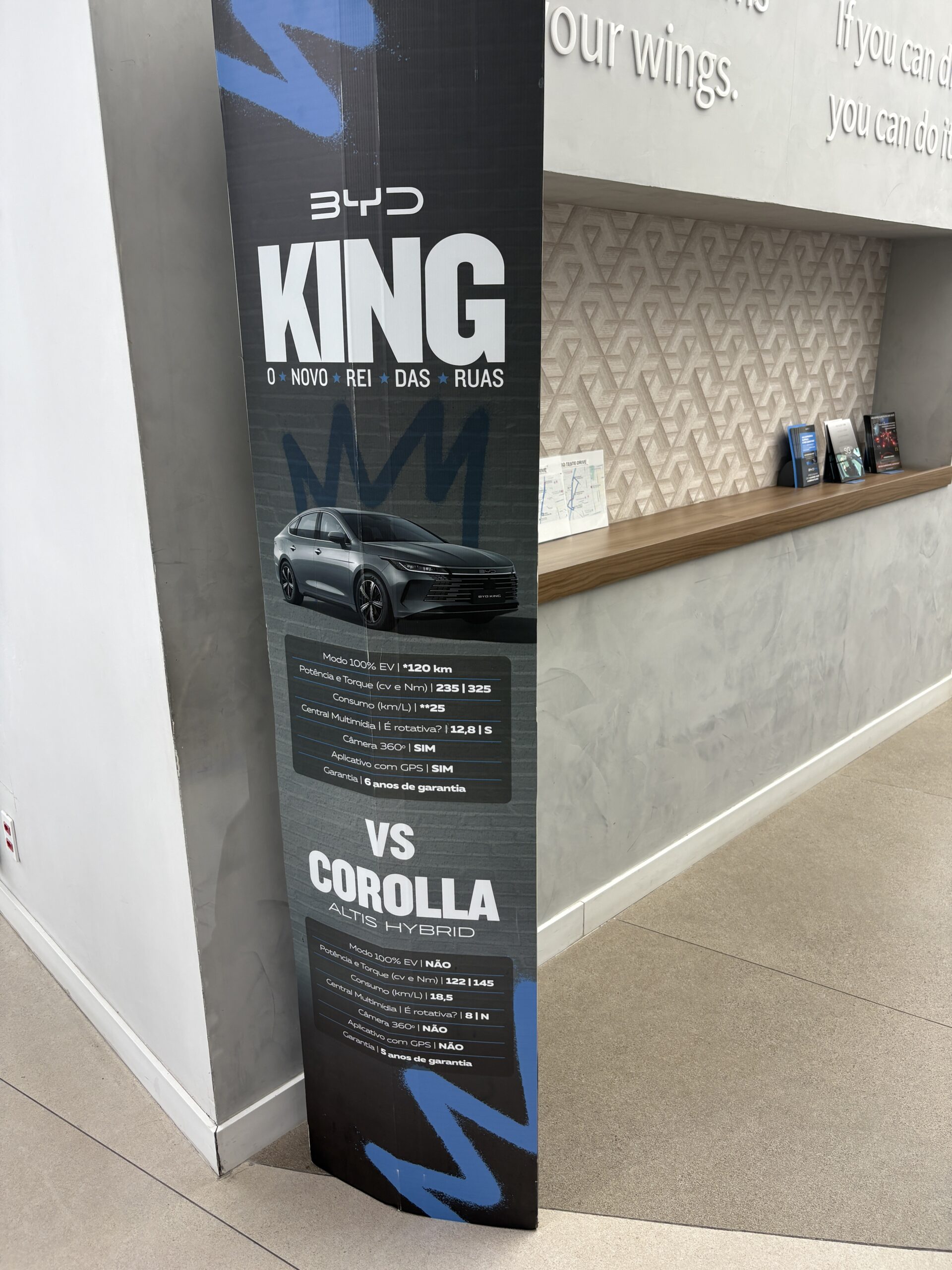
The competitive pressure exerted by BYD is most visible in the sedan segment. The BYD King, a plug-in hybrid, has effectively disrupted the market share of the Toyota Corolla, a perennial favorite in Brazil. In September 2026, the King sold 1,666 units compared to the Corolla’s 475. Analysts attribute this shift to a combination of superior technical specifications and aggressive pricing; the King offers 120 kilometers of all-electric range and a six-year warranty at a price point approximately R$20,000 (US$4,000) lower than its Japanese counterpart.

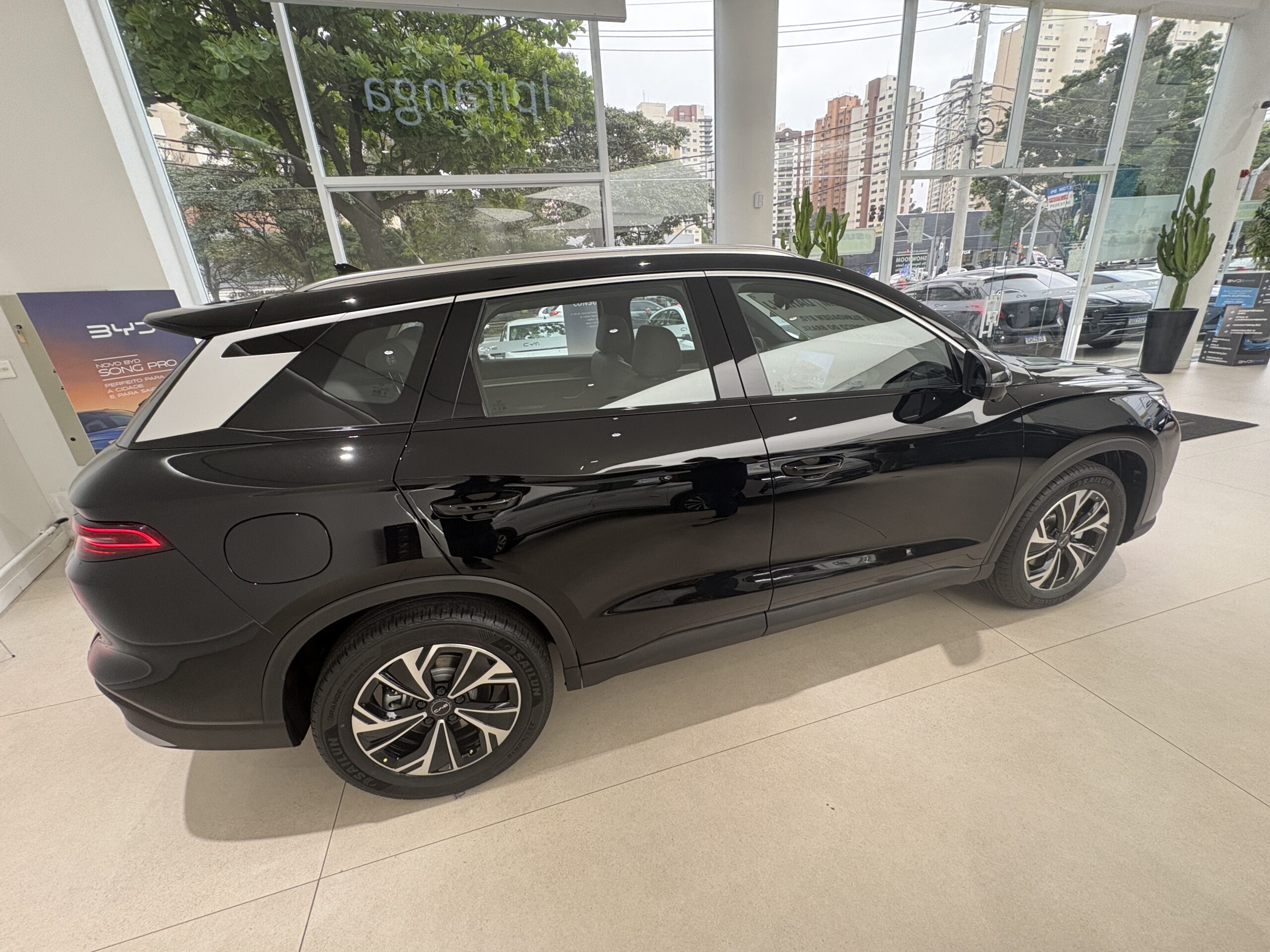
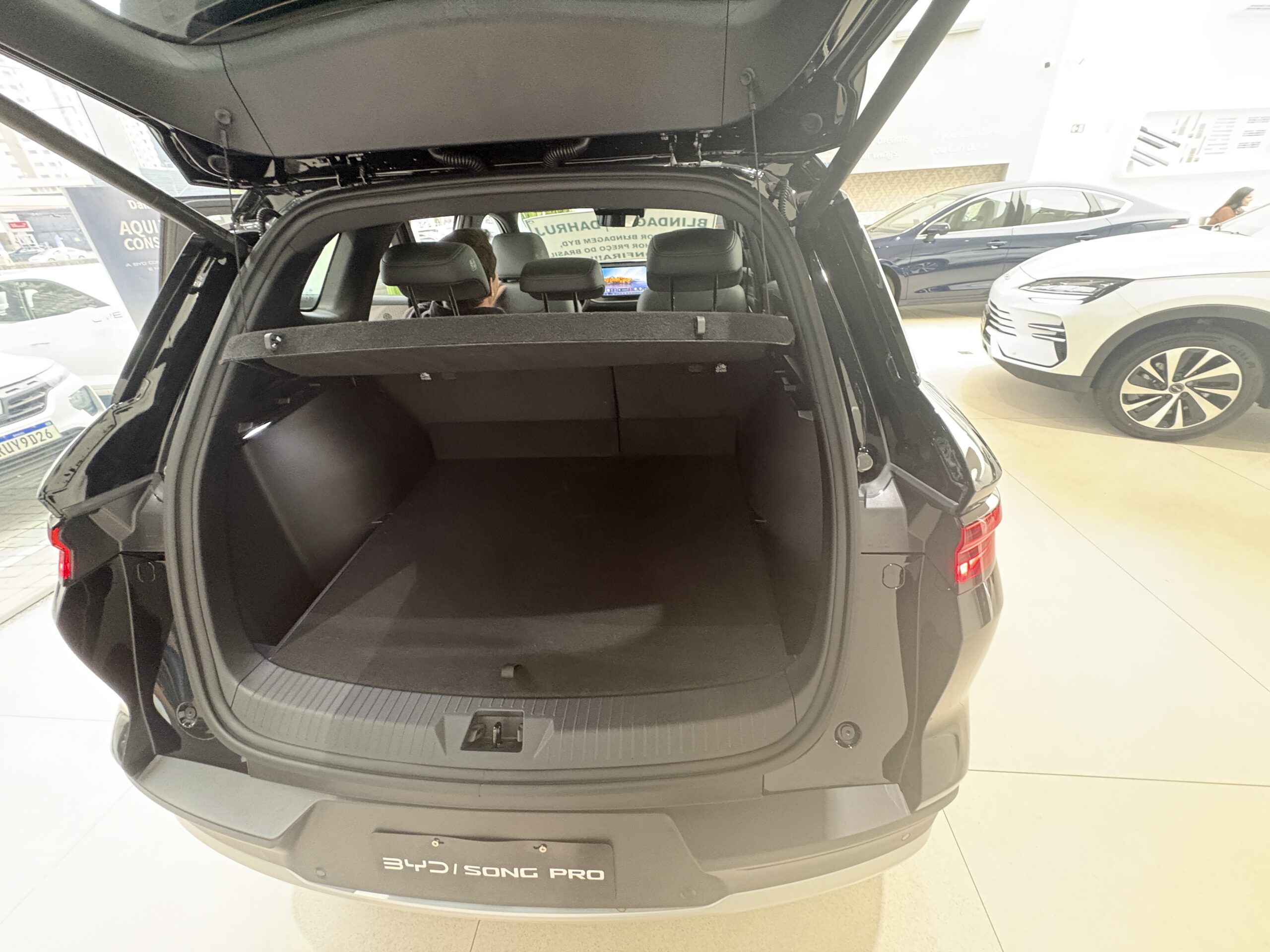
To sustain this momentum and navigate fluctuating import tariffs, BYD has invested R$5.5 billion in its Camaçari complex in Bahia. This facility, BYD’s largest manufacturing hub outside of Asia, commenced operations in October 2025. Currently employing 8,500 personnel, the plant is scaling up from an initial capacity of 150,000 vehicles per year toward a long-term target of 600,000 units. By the end of 2026, the facility will integrate full-cycle production, including stamping, welding, and painting, for high-volume models like the Dolphin Mini, the King, and the Song Pro.

Leapmotor and the Strategic Partnership with Stellantis
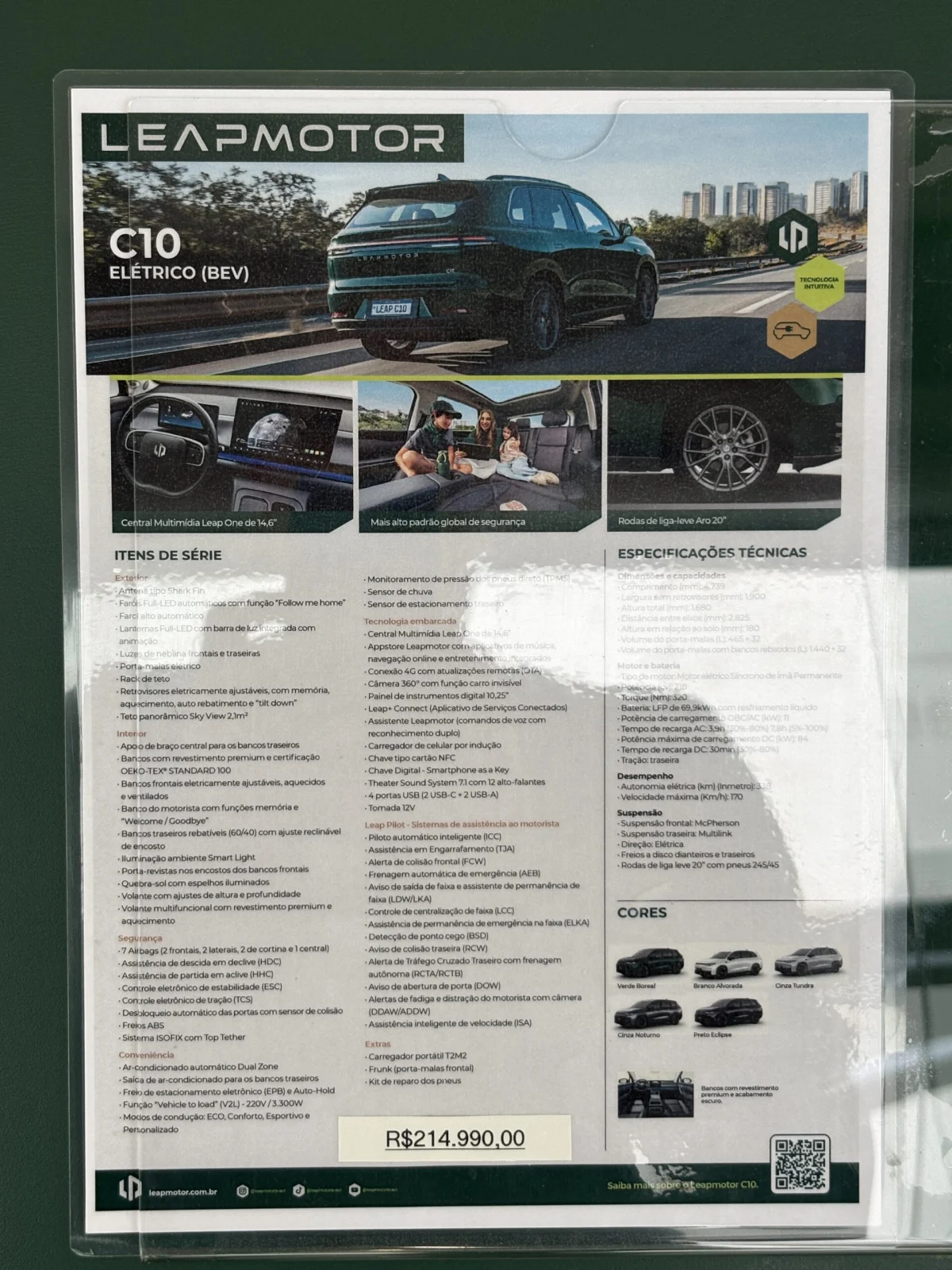
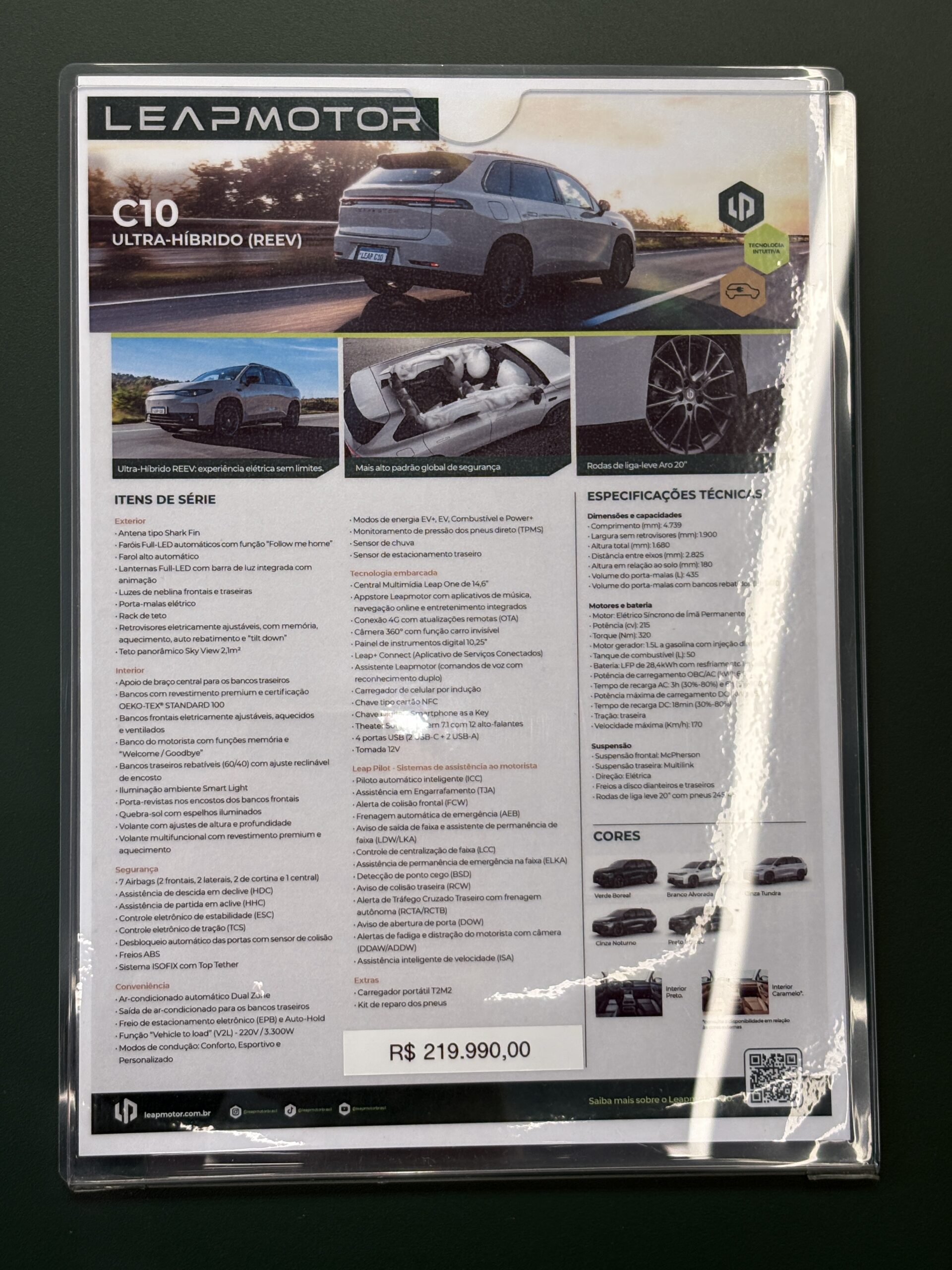
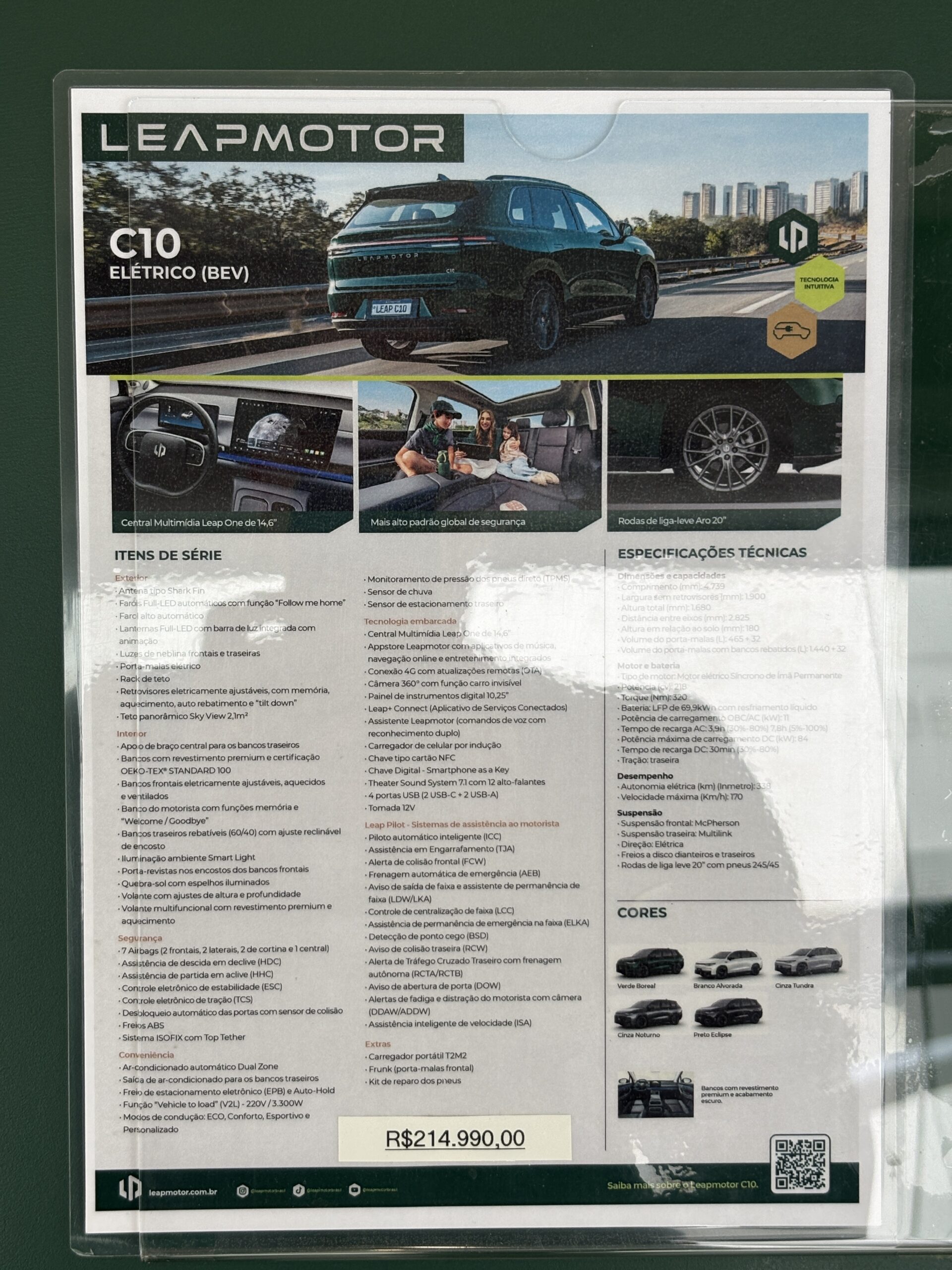
Leapmotor’s entry into the Brazilian market represents a unique collaborative model, utilizing the existing distribution and manufacturing infrastructure of Stellantis. Entering the market in late 2025, Leapmotor has rapidly captured the large electric SUV segment. By August 2026, the Leapmotor C10 accounted for 51.3% of sales in its category.
A key driver of Leapmotor’s success is its focus on Range-Extended Electric Vehicles (REEVs), often referred to in the Brazilian market as "ultra-hybrids." These vehicles utilize an internal combustion engine solely as a generator to charge the battery, maintaining a purely electric drive to the wheels. This technology addresses Brazil’s geographic challenges and the current limitations of its charging infrastructure. The B10 REEV, launched in September 2026 at R$179,990, offers a combined range of up to 900 kilometers, making it a viable option for long-distance travel in regions where high-speed charging stations remain sparse.
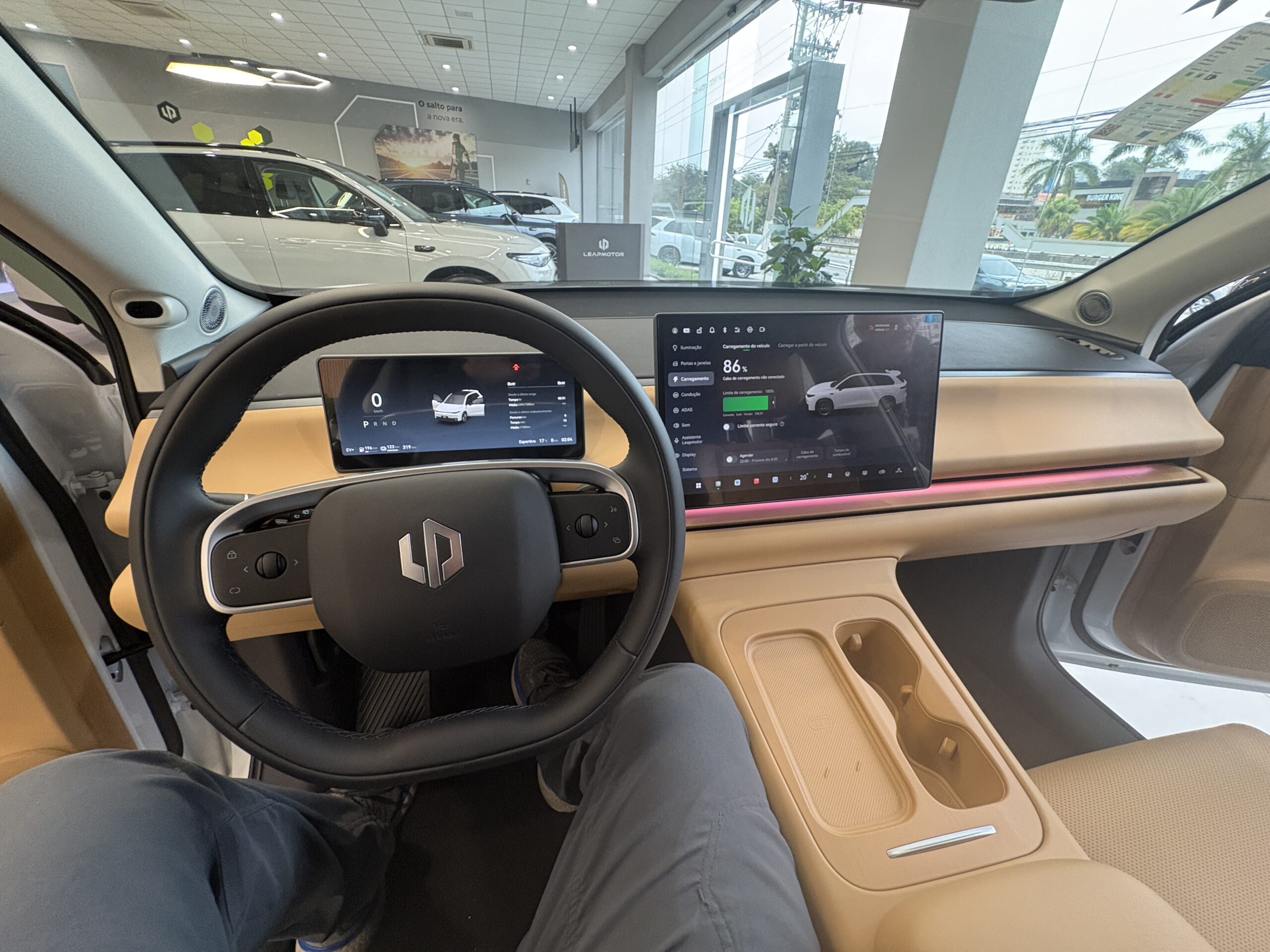
Industrial plans for Leapmotor include local assembly at the Stellantis facility in Goiana. This move is expected to further reduce costs and solidify Leapmotor’s position as a top-ten electric vehicle brand in the country.
Great Wall Motors and the SUV Revolution
Great Wall Motors (GWM) has focused its Brazilian strategy on the high-margin SUV and pickup truck segments. In September 2026, GWM’s Haval H6 logged 6,400 sales, leading the retail SUV market ahead of established competitors like the Volkswagen T-Cross. The brand’s growth has been exponential, with 2026 mid-year volumes already surpassing the total sales recorded in 2025.
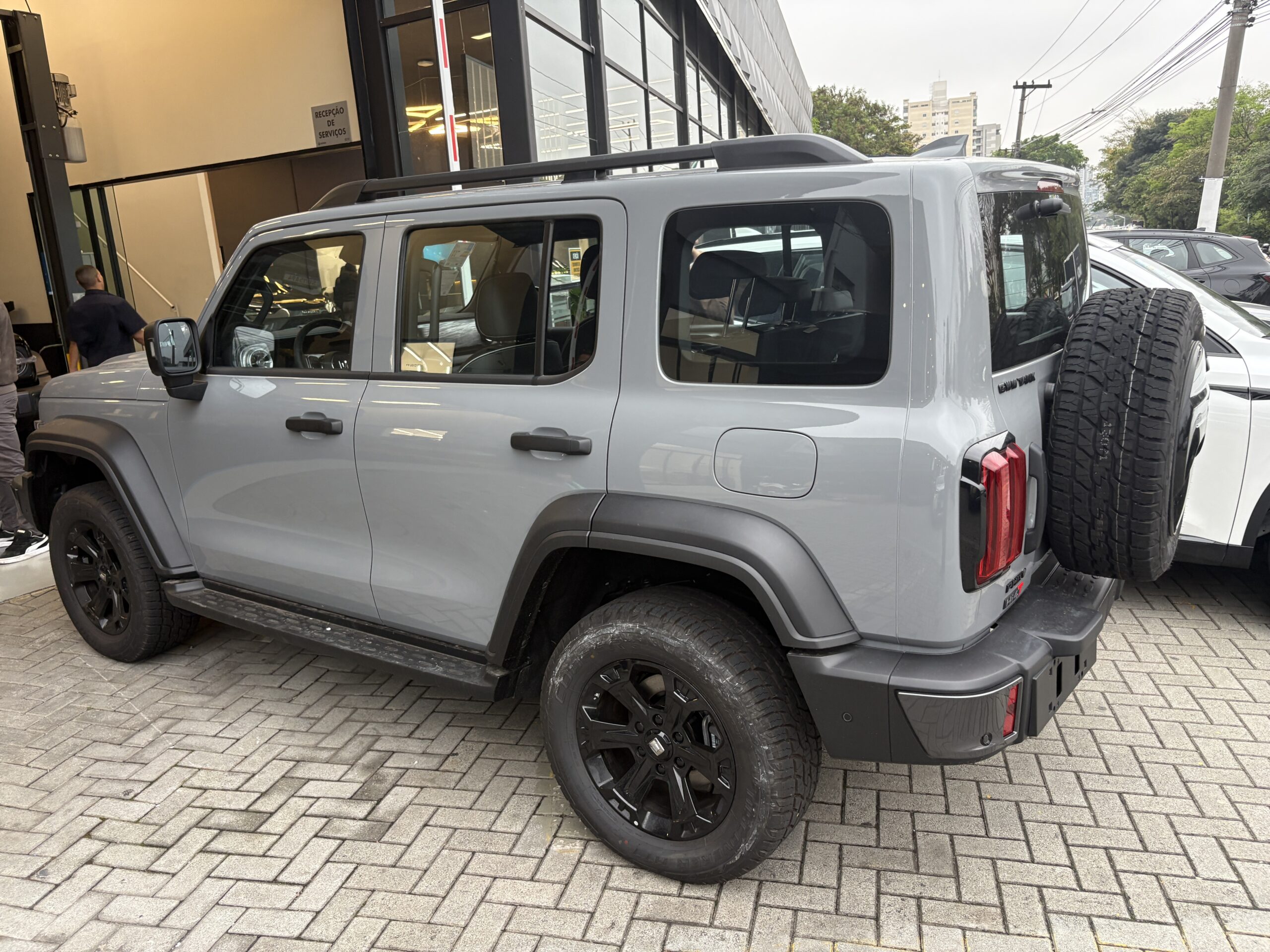
GWM’s industrial strategy centers on the Iracemápolis plant in São Paulo, a facility formerly owned by Mercedes-Benz. The company has repurposed the site to produce flex-hybrid versions of the Haval H6, the H9, and the Poer P30 pickup. The plant is currently on a trajectory to reach its full 50,000-unit annual capacity by 2027. While the electric Ora 03 hatch serves as GWM’s primary BEV offering, the brand has also introduced luxury tiers through the Tank and Wey sub-brands. The Wey 07, a luxury plug-in hybrid featuring "zero-gravity" seating, targets the premium segment with a price tag of R$429,000 (US$82,000), competing directly with traditional European luxury marques.

Geely’s Integration and the Renault Alliance
Geely, a global powerhouse that owns Volvo and Polestar, has re-entered the Brazilian market with a sophisticated industrial tie-up. By acquiring a 26.4% stake in Renault do Brasil, Geely has gained access to the Ayrton Senna manufacturing complex in São José dos Pinhais. This partnership has seen an investment of R$5.8 billion dedicated to the production of Geely-engineered platforms.
The EX5 EM-i, a plug-in hybrid SUV, began local production in September 2026, followed by the EX2 electric hatch in December. The EX2 has quickly become a significant player in the entry-level EV market, priced at R$124,600 with a range of 289 kilometers. Despite its compact dimensions, it offers interior space comparable to larger hatchbacks, positioning it as a direct rival to the BYD Dolphin Mini. Geely’s strategy emphasizes technical excellence and competitive pricing, though market feedback suggests that the brand is still refining its interior design language to better suit South American aesthetic preferences.
Technical Analysis: The Shift from Imports to Local Production
The transition of Chinese automakers from importers to local manufacturers is driven by several economic and political factors:

- Tariff Mitigation: The Brazilian government has implemented a phased increase in import taxes for electric and hybrid vehicles to encourage local industrialization. By establishing domestic factories, Chinese firms can maintain price competitiveness.
- Flex-Fuel Integration: Brazil is a world leader in ethanol fuel. Chinese manufacturers are adapting their hybrid powertrains to "flex-hybrid" systems that can run on both electricity and ethanol, aligning with national decarbonization goals and consumer habits.
- Supply Chain Control: Companies like BYD benefit from vertical integration, producing their own semiconductors and batteries (such as the Blade Battery), which insulates them from the supply chain volatility that has affected traditional automakers.
Timeline of the Chinese Automotive Expansion in Brazil
- October 2023: GWM launches the Ora 03, signaling a major push into the BEV segment.
- Late 2025: Leapmotor enters the market via the Stellantis partnership; BYD opens the Camaçari plant.
- January–June 2026: Aggressive price cuts by GWM and Geely to capture market share from traditional ICE (Internal Combustion Engine) vehicles.
- August 2026: BYD’s King PHEV officially overtakes the Toyota Corolla in monthly sales registrations.
- September 2026: Geely begins local production of the EX5; Leapmotor’s C10 dominates the large SUV segment.
- December 2026: Full-cycle manufacturing (stamping/welding) scheduled to commence at BYD’s Bahia complex.
Broader Economic Impact and Infrastructure Implications
The rapid influx of Chinese EVs is forcing an accelerated expansion of Brazil’s charging infrastructure. While urban centers like São Paulo and Rio de Janeiro have seen a significant increase in public charging points, rural and northern regions lag behind. This infrastructure gap explains the current consumer preference for PHEVs and REEVs, which provide the benefits of electric mobility without "range anxiety."
Furthermore, the "China effect" is revitalizing Brazil’s automotive labor market. The 8,500 jobs at BYD and thousands more across GWM and Geely facilities are replacing vacancies left by the departure or downsizing of Ford and other legacy manufacturers. The R$17 billion in combined investments from these four Chinese firms represents one of the largest infusions of foreign direct investment in the Brazilian industrial sector in the last decade.

Conclusion
The data from September 2026 confirms that the Brazilian automotive market has reached a tipping point. Chinese manufacturers are no longer peripheral players; they are setting the pace for technology, pricing, and industrial strategy. By successfully navigating the complexities of local production and tailoring technologies like REEVs and flex-hybrids to the Brazilian context, these brands have effectively dismantled the barriers that previously protected legacy automakers. As local production capacities continue to scale toward 2027, the influence of Chinese automotive engineering is set to become the defining characteristic of the South American transportation sector.
