

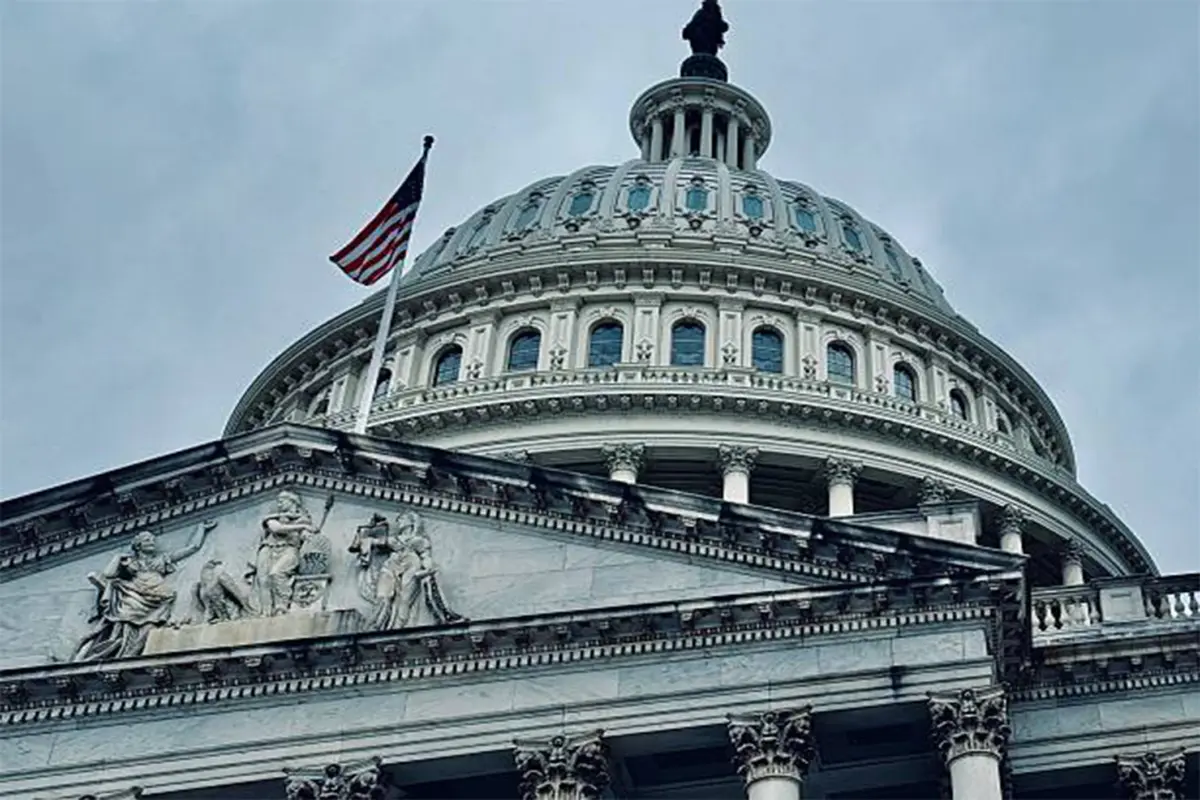
The recent midterm elections, a pivotal moment in the United States’ political landscape, are poised to reshape the contours of estate planning, presenting both challenges and opportunities for practitioners and wealth advisors. As the dust settles on election night and the new legislative agenda begins to take shape, professionals in the estate planning sector are meticulously analyzing the potential ramifications for tax laws, trust structures, and intergenerational wealth transfer strategies. This analysis is particularly critical for understanding how shifts in political power may influence the future of wealth management and the advice offered to clients.
The T&E Inner Circle Expert Sessions, a subscriber-exclusive webinar series renowned for its in-depth exploration of critical estate planning topics, is scheduled to host a pivotal 30-minute presentation followed by a question-and-answer session dedicated to dissecting these election outcomes. This event promises to equip attendees with actionable insights derived from the expertise of leading figures in the estate planning field. These speakers, recognized for their extensive experience and deep understanding of the complexities involved, will offer a nuanced perspective on the evolving regulatory and economic environment. The T&E Inner Circle, as a platform for continuous professional development, underscores the importance of staying abreast of legislative changes and their downstream effects on financial and legal strategies.
Election Outcomes and the Shifting Sands of Estate Tax Policy
Historically, midterm election results have often signaled a potential recalibration of fiscal policies, including those directly impacting estate and gift taxes. The composition of Congress following these elections can dictate the legislative agenda for the next two years and set the stage for broader policy shifts in subsequent election cycles. For estate planning, the most immediate concerns revolve around potential changes to the federal estate tax exemption, gift tax rates, and the generation-skipping transfer (GST) tax.
The current federal estate tax exemption, which allows individuals to pass a significant portion of their wealth to heirs without incurring federal estate taxes, is subject to periodic review and adjustment. Legislation passed in recent years has established a relatively high exemption, but this can be a target for revision depending on the prevailing political ideology and fiscal priorities of the governing party. For instance, a Congress with a stronger inclination towards revenue generation might seek to lower the exemption or increase the tax rates, thereby affecting a broader segment of the population. Conversely, a Congress more focused on stimulating economic activity and preserving intergenerational wealth could opt to maintain or even further enhance existing provisions.
The implications for estate planning are substantial. A reduction in the estate tax exemption would necessitate a reassessment of current estate plans, potentially requiring adjustments to trust structures, gifting strategies, and the utilization of annual exclusion gifts. Wealthy individuals and families with substantial assets might find themselves needing to implement more aggressive tax mitigation techniques to preserve their wealth for future generations. This could involve increased use of irrevocable trusts, charitable remainder trusts, and other sophisticated planning tools designed to minimize tax liabilities.
The Role of Wealth Advisors in Navigating Post-Election Uncertainty
Wealth advisors and estate planning attorneys play a crucial role in guiding clients through these potentially turbulent waters. Their expertise is not only in understanding the intricacies of tax law but also in interpreting the political climate and forecasting future legislative trends. The insights gained from sessions like those offered by The T&E Inner Circle are invaluable for these professionals.
Supporting Data and Historical Context:
To understand the potential impact, it’s helpful to look at historical trends. Following elections where control of Congress has shifted, significant legislative changes have often followed. For example, the Tax Cuts and Jobs Act of 2017, enacted under a Republican-controlled Congress, significantly increased the estate tax exemption. A subsequent shift in power could theoretically lead to a reversal or modification of such provisions. While predicting the exact legislative actions is impossible, understanding the general direction of policy is paramount.
Furthermore, economic conditions often intertwine with political decisions regarding taxation. High inflation, national debt levels, and the overall economic outlook can all influence the appetite for tax reform. For example, if the nation faces significant budget deficits, there may be increased pressure to raise taxes, including estate taxes, to bolster government revenue. Conversely, during periods of economic slowdown, policymakers might be hesitant to implement tax increases that could be perceived as stifling investment and economic growth.
Timeline and Chronology of Policy Impact:
The impact of election results on estate planning is not immediate. There is typically a lag between an election and the legislative process that leads to policy changes. Following the election, newly elected officials will be sworn in, committee assignments will be finalized, and legislative proposals will be drafted and debated. This process can take months, if not longer.
- Immediate Post-Election (Weeks 1-4): Initial analysis and commentary by experts. Advisors begin to engage with clients about potential long-term implications.
- First Legislative Session (Months 1-6): New Congress convenes. Introduction of potential bills related to tax policy. Public hearings and committee markups may occur.
- Passage of Legislation (Months 6-18+): If a consensus is reached, legislation could be passed and signed into law. The effective date of any changes would then be determined.
- Implementation and Adaptation (Ongoing): Estate plans are reviewed and updated to reflect new laws.
This timeline highlights the need for proactive planning rather than reactive adjustments. Advisors who can anticipate potential policy shifts and guide their clients in preparing for them will be in the best position to serve their clientele.
Expert Sessions: Bridging the Knowledge Gap
The T&E Inner Circle Expert Sessions are designed to address precisely these kinds of critical junctures. By bringing together leading voices in estate planning, the series provides a platform for synthesizing complex information and translating it into practical strategies. These sessions are not merely informational; they are intended to foster a deeper understanding of the forces shaping the estate planning landscape.
The format of a 30-minute presentation followed by a Q&A is optimized for delivering concise yet impactful information. This allows speakers to focus on the most salient points regarding the election’s impact, while the Q&A provides an opportunity for attendees to probe specific areas of concern and receive tailored advice. This direct interaction with subject matter experts is a cornerstone of the T&E Inner Circle’s value proposition for its subscribers.
Statements and Reactions (Inferred):
While specific statements from election officials or lawmakers regarding estate tax policy in direct response to the midterm results are not yet widely published, the general sentiments expressed by various political factions during election campaigns offer clues. Parties advocating for reduced government spending and lower taxes often emphasize the importance of preserving capital for investment and intergenerational wealth transfer. Conversely, parties focused on social equity and funding public services may propose higher taxes on the wealthy, including estate taxes, to achieve their objectives.
The "reactions" from the advisory community are overwhelmingly geared towards preparedness. Leading estate planning firms are likely already holding internal discussions and preparing client advisement materials. The underlying message from practitioners is one of vigilance and strategic adaptation.
Broader Impact and Implications for the Wealth Management Industry
The implications of election outcomes on estate planning extend beyond individual client portfolios. They affect the broader wealth management industry by influencing the demand for specific services and the types of expertise that are most sought after.
Increased Demand for Sophisticated Planning: If tax laws become more stringent, there will likely be a heightened demand for sophisticated estate planning techniques. This includes the use of complex trusts, life insurance strategies, and charitable giving vehicles. Advisors who specialize in these areas may see an increase in their client base.
Focus on Estate Tax Exemptions and Gifting: The debate around estate tax exemptions will undoubtedly sharpen. Advisors will need to be adept at explaining the current exemption limits, potential changes, and the strategic advantages of utilizing gifting opportunities before any potential tax law changes take effect. This might involve advising clients on making larger annual exclusion gifts or exploring strategies like qualified personal residence trusts (QPRTs) or grantor retained annuity trusts (GRATs).
Interplay with Income and Capital Gains Taxes: Estate planning is rarely conducted in a vacuum. Changes in income tax rates or capital gains taxes can also significantly influence overall wealth management strategies. For example, if capital gains taxes are increased, strategies that allow for stepped-up basis at death become even more valuable, potentially influencing decisions about holding or selling assets during one’s lifetime.
The Importance of Proactive Engagement: The T&E Inner Circle Expert Sessions, by offering timely analysis and expert perspectives, empower practitioners to engage with their clients proactively. This proactive approach is crucial for building trust and demonstrating value. Clients look to their advisors not just for transactional advice but for strategic guidance that anticipates future challenges and opportunities.
The subscriber-exclusive nature of these webinars emphasizes the commitment of The T&E Inner Circle to providing high-value content to a dedicated community of professionals. Access to such insights is a significant benefit for those seeking to maintain a competitive edge and deliver optimal service to their clients in an ever-evolving financial and regulatory environment. The subscription model ensures that these discussions are focused on practical application and actionable intelligence for those actively engaged in the estate planning and wealth advisory fields.
In conclusion, the midterm election results represent a significant inflection point for estate planning. The potential for legislative shifts in tax policy necessitates a thorough and strategic approach from both practitioners and their clients. Expert-led discussions, such as those offered through The T&E Inner Circle, are indispensable for navigating this complexity, ensuring that wealth can be effectively preserved and transferred across generations in alignment with evolving legal and economic realities. The ongoing dialogue and knowledge sharing within professional communities are vital for adapting to these changes and continuing to provide robust and informed estate planning solutions.
