

JPMorgan Chase, the largest financial institution in the United States, has announced a massive $750 billion commitment to the domestic housing market, signaling a long-term bullish stance on residential real estate despite a broader cooling of summer sales and persistent affordability challenges. This capital deployment, part of an expanded "American Dream Initiative," represents a $200 billion increase over previous targets and underscores a strategic pivot by institutional giants to stabilize and capitalize on the nation’s housing shortage. The investment, slated to run through 2035, is nearly 40% higher than the firm’s housing-related capital deployment over the previous decade, marking a significant moment in the intersection of high finance and the American residential landscape.
JPMorgan’s Strategic $750 Billion Housing Deployment
The decision by JPMorgan Chase to allocate three-quarters of a trillion dollars toward housing comes at a time of significant economic uncertainty. The bank’s strategy is multi-faceted, targeting three primary "buckets" of the real estate ecosystem: developer lending, consumer mortgages, and affordable housing investment funds.
The first segment of the plan involves significant lending to developers, particularly those focused on multi-family apartment units. By providing the necessary debt and equity to increase the supply of housing, the bank aims to address the structural deficit of units that has plagued the U.S. market since the 2008 financial crisis. The second segment focuses on the retail side, with the bank intending to write a higher volume of mortgages for individual homebuyers. This includes specialized financing options aimed at first-time buyers and those in underserved communities.
Perhaps the most notable aspect of the initiative is the bank’s direct investment in affordable housing funds. Rather than acting solely as a lender, JPMorgan is putting its own capital at risk as an investor. This move mimics a broader trend among institutional players, such as Berkshire Hathaway and various Japanese firms, which have recently increased their stakes in American homebuilders. Analysts suggest these moves are often influenced by federal legislation and tax incentives designed to spur affordable housing development, suggesting that JPMorgan may be positioning itself to benefit from upcoming legislative tailwinds.
Chronology of the 2024 Housing Market Shift
The timing of this announcement coincides with data suggesting the U.S. housing market may have reached a cyclical peak in terms of sales volume and price acceleration for the mid-2020s period. While 2026 has been cited by some analysts as a potential long-term peak for the current cycle, the immediate data from July and August 2024 indicates a noticeable deceleration.
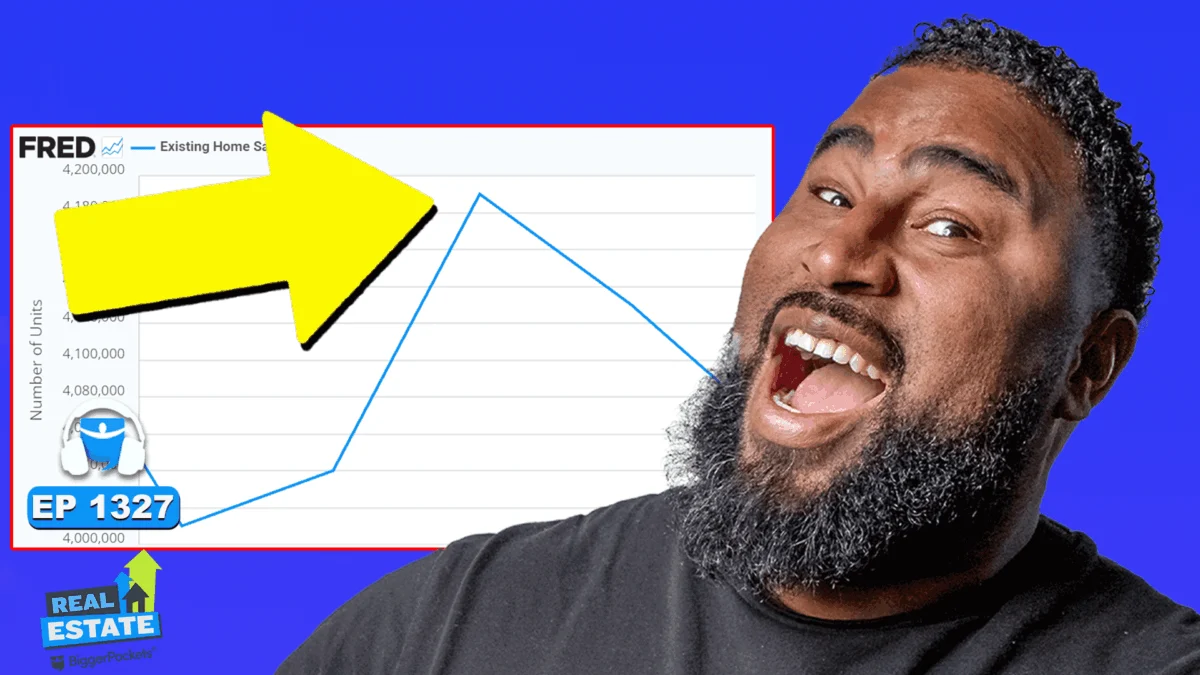
In July 2024, existing home sales fell by 1.7% to a seasonally adjusted annual rate of 4.06 million units. This decline occurred despite—and perhaps because of—the fact that home prices reached record highs for the month. The national median existing-home price rose 2% year-over-year to $434,000 in July, marking the 37th consecutive month of annual price gains. This persistent price growth, coupled with elevated mortgage rates, has created a "velocity gap" in the market, where transaction volume is slowing even as values remain high.
Regional disparities have become more pronounced during this period. Markets like North Seattle have seen homes priced at $1.5 million sell within a single weekend, while properties priced just $200,000 higher sit for over 100 days. Similarly, in Florida, inland regions north of Tampa have maintained consistent sales momentum, while coastal areas like Miami face a slowdown due to extreme price appreciation and rising insurance costs.
The Affordability Crisis and the Rise of the "Dated" Home
A significant trend emerging in the late summer of 2024 is the divergence between luxury sales and starter home activity. High-income earners, buoyed by stock market gains, continue to drive the luxury segment, with many high-end properties entering contract in under 30 days. Conversely, first-time homebuyers are increasingly priced out, leading to a slump in the traditional "entry-level" market.
This affordability squeeze has birthed a unique phenomenon: the "ugly" or dated home is currently outperforming the pristine, renovated "flip." Real estate operators report that well-kept but unrenovated homes—often referred to as "Grandma’s house"—are selling faster than modern renovations. The primary driver is a roughly 20% price delta. In a high-interest-rate environment, buyers are opting for lower entry prices, preferring to manage renovations themselves over time rather than paying the premium for a professional flip.
Professional investors are adjusting their strategies accordingly. Many are pivoting from full-scale renovations to "clean and livable" strategies, where properties are merely cleared of debris and professionally cleaned before being listed. This approach reduces holding costs and debt service—which have become the primary "deal killers" in a flat market—and aligns with the current consumer demand for lower-priced inventory.
Inflation Data and Federal Reserve Implications
The broader economic backdrop remains dominated by the Federal Reserve’s battle with inflation. The Consumer Price Index (CPI) report for July, released in mid-August, offered a glimmer of hope for market participants. The CPI rose just 0.1% for the month, bringing the annual inflation rate down to approximately 2.9% to 3.4% depending on the specific index utilized. Core CPI, which excludes volatile food and energy costs, reached its slowest pace since the post-pandemic surge.
Despite this cooling, the Federal Open Market Committee (FOMC) remains cautious. Recent voting patterns within the Fed showed a 9-3 split in favor of maintaining current rates, with a minority still advocating for increases to ensure inflation returns to the 2% target. However, the probability of the Fed holding rates steady at its next meeting has jumped significantly, with market trackers now placing the likelihood at over 60%.
The "stretched consumer" remains a central concern for the Fed and market analysts. While energy and gas prices saw a slight dip in July, the cumulative effect of inflation over the past three years has left many households with limited discretionary income. Rents remain high, and for the self-employed or hourly workers, wage growth has often failed to keep pace with the 14% increase in energy costs seen over the last year.
Institutional Sentiment vs. Individual Fear
The $750 billion bet by JPMorgan Chase serves as a counterweight to the "doom and gloom" sentiment often found among retail investors. Institutional confidence is frequently viewed as a leading indicator of market stability. Historical parallels are being drawn to 2012, when institutional investors like Blackstone began mass-purchasing single-family homes following the 2008 crash.
When major banks like JPMorgan deploy massive capital into mortgage lending and developer debt, they are essentially betting against a market crash. Banks are historically hesitant to provide high-leverage financing to first-time buyers if they anticipate a 10% to 20% drop in asset value within the short term. Therefore, JPMorgan’s move suggests a forecast of price stability or moderate growth rather than a correction.
Broader Impact and Market Outlook
As the market moves into the final months of 2024 and looks toward 2025 and 2026, the "new normal" of real estate appears to be one of low velocity and high prices. The "lock-in effect"—where homeowners with 3% mortgage rates refuse to sell and trade up to 7% rates—continues to suppress inventory, providing a floor for home prices despite falling demand.
For investors and homebuyers, the implications are clear: success in the current climate requires a hyper-local, data-driven approach. The era of "buying anything and making money" has ended. Investors are now focusing on niche opportunities, such as distressed builders who are willing to offer bulk discounts or interest rate buy-downs to move inventory without officially lowering list prices and ruining local comparables.
JPMorgan’s $750 billion initiative may provide the "spinach courage" needed for other market participants to remain active. By providing liquidity to developers and stability to the mortgage market, the bank is attempting to bridge the gap between a cooling summer and a more sustainable housing future. While the consumer remains stretched and the Federal Reserve remains hawkish, the entry of massive institutional capital suggests that the foundations of the American housing market remain a preferred destination for the world’s largest concentrations of wealth.
