

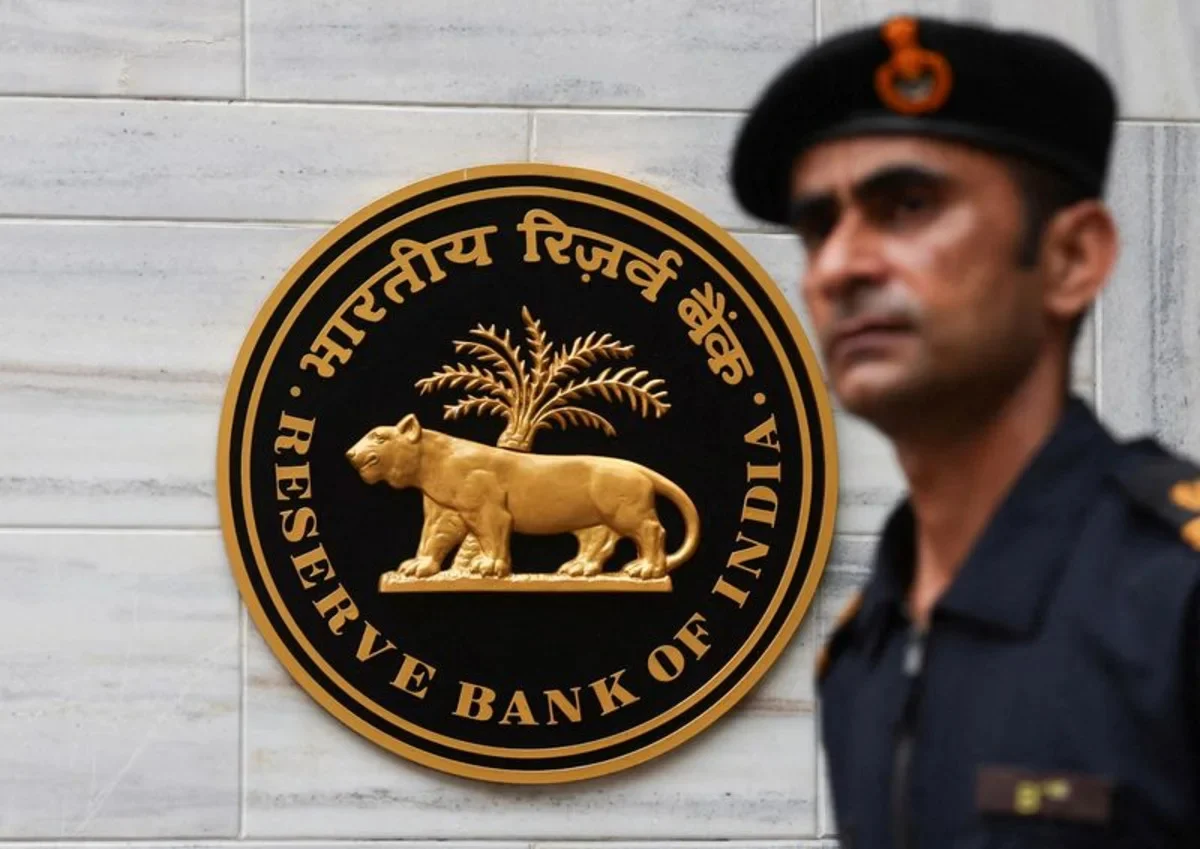
MUMBAI, August 19, 2026 – India’s Monetary Policy Committee (MPC) unanimously decided to keep the benchmark policy repo rate unchanged at 5.25% at its meeting earlier this month, maintaining a "neutral" monetary policy stance. However, the minutes released on Wednesday revealed a collective vigilance, with the central bank leaving the door firmly open to future rate hikes should supply-side inflation, primarily fueled by a sharp rise in global oil prices attributed to the ongoing Iran conflict, begin to permeate the broader economy and necessitate higher borrowing costs. This cautious "wait and watch" approach underscores the Reserve Bank of India’s (RBI) delicate balancing act between fostering economic growth and ensuring price stability amidst a volatile global landscape.
The Monetary Policy Committee’s Unanimous Decision
The decision to hold the policy repo rate at 5.25% on August 5, 2026, marked the fourth consecutive meeting where the MPC maintained the status quo, signaling a period of assessment following a series of tightening measures in late 2025 and early 2026. The unanimous vote by the six-member committee—comprising three internal RBI officials and three external members appointed by the government—reflects a broad consensus on the immediate policy path, even as individual members articulated nuanced perspectives on emerging risks. This consistency in decision-making aims to provide stability and predictability to financial markets, allowing the economy to absorb previous policy adjustments. The "neutral" stance itself indicates that the MPC retains flexibility to move in either direction, easing or tightening, depending on evolving macroeconomic conditions, a crucial distinction from an "accommodative" or "withdrawal of accommodation" stance that signals a clear bias.
Inflationary Pressures: The Shadow of the Iran Conflict
The primary driver of the MPC’s heightened alert is the significant uptick in global crude oil prices, a direct consequence of the escalating conflict in Iran. While specific details of the geopolitical situation remain complex, its economic fallout has been stark, disrupting oil supply chains, intensifying speculative trading, and pushing crude benchmarks like Brent and West Texas Intermediate (WTI) to multi-year highs. India, being the world’s third-largest oil importer, is particularly vulnerable to such external shocks. Higher oil prices translate directly into increased import bills, widening the trade deficit, exerting pressure on the Indian rupee, and feeding into domestic fuel prices, which in turn impact transportation costs and the broader inflationary trajectory.
Global Oil Market Volatility: The "Iran war" has introduced a new layer of uncertainty into already sensitive global energy markets. Analysts indicate that any prolonged conflict or disruption to key shipping lanes, such as the Strait of Hormuz, through which a significant portion of the world’s oil supply passes, could send oil prices soaring further. This scenario creates a pervasive sense of anxiety among central bankers globally, forcing them to re-evaluate their inflation outlooks. For India, which imports over 80% of its crude oil requirements, this global volatility is not merely an external factor but a direct challenge to domestic economic stability.
India’s Vulnerability as an Importer: The economic ripple effect of elevated oil prices on India is multifaceted. Beyond the immediate impact on fuel costs for consumers and industries, it exacerbates imported inflation across a spectrum of goods. Manufacturing costs increase due to higher energy inputs, freight charges rise, and the overall cost of living climbs. Furthermore, the persistent demand for dollars to finance larger oil import bills weakens the Indian rupee against the U.S. dollar, making all imports more expensive and potentially triggering capital outflows as foreign investors seek safer havens or higher returns elsewhere. This depreciation of the rupee itself can become an inflationary channel, necessitating a vigilant stance from the central bank.
India’s Economic Landscape: Balancing Growth and Price Stability
Despite these global headwinds, India’s domestic economic indicators present a mixed but largely resilient picture. The central bank’s primary mandate is to maintain price stability, specifically targeting a Consumer Price Index (CPI) inflation rate of 4%, with a tolerance band of 2-6%.
Current Inflation Metrics: In July, India’s headline consumer inflation registered at 4.45%, comfortably within the RBI’s 2-6% tolerance band. This figure, while still within target, represents a "normalizing" trend from what RBI Chief Sanjay Malhotra described as "benign levels seen hitherto." The implication is that while inflation is not yet out of control, the period of exceptionally low inflation might be receding, requiring greater scrutiny. Food inflation, often a volatile component due to monsoon dependency and supply chain issues, and core inflation (excluding volatile food and fuel prices) will be critical indicators to watch for signs of broad-based price pressures. The RBI trimmed its average inflation forecast for the current financial year marginally to 5% from 5.1%, indicating a belief that current pressures are manageable but still elevated above the medium-term target.
Growth Projections and Challenges: Concurrently, the RBI nudged up its economic growth forecast for the current financial year to 6.7%. This robust growth projection reflects underlying strengths in domestic demand, government capital expenditure, and a resilient services sector. However, achieving this growth target hinges on several factors, including sustained global demand, a normal monsoon for agricultural output, and the containment of inflationary pressures that could dampen consumer spending and investment. The MPC’s challenge is to calibrate monetary policy in a way that checks inflation without stifling the nascent recovery and growth momentum.
The Rupee Under Pressure: The Indian rupee has faced considerable pressure in recent months, primarily due to the twin forces of rising crude oil prices and a strengthening U.S. dollar amid global risk aversion. A weaker rupee not only makes imports more expensive but also impacts India’s external debt servicing costs and can deter foreign portfolio investment (FPI). While the RBI has significant foreign exchange reserves (estimated at over $600 billion at the time) to intervene and curb excessive volatility, continuous depreciation poses a risk to financial stability and inflation management. The central bank’s implicit objective includes managing currency stability to mitigate imported inflation and maintain investor confidence.
Voices from the Monetary Policy Committee
The detailed minutes of the MPC meeting offer invaluable insights into the thinking of India’s top monetary policymakers.
Governor Sanjay Malhotra’s Cautious Stance: RBI Chief Sanjay Malhotra articulated the committee’s prevailing sentiment, noting that while there are "limited signs of inflation becoming generalized so far," headline inflation is "normalizing from its benign levels seen hitherto." His key concern revolves around the potential for "risks of higher food, fuel, and other input prices translating into a broad-based increase in inflation and de-anchoring of expectations." The term "de-anchoring of expectations" refers to a scenario where households and businesses begin to anticipate higher inflation in the future, leading them to demand higher wages or raise prices preemptively, thus creating a self-fulfilling inflationary spiral. Malhotra explicitly stated, "Any evidence of these risks materializing may need policy tightening," signaling a clear readiness to act if conditions warrant.
Deputy Governor Poonam Gupta Advocates Prudence: Deputy Governor Poonam Gupta, while acknowledging the inflationary risks, emphasized a "wait and watch a bit more" approach. She pointed out that "scope for any further policy easing does not exist," given the "persistent uncertainty stemming from global developments and weather risks." Her perspective highlights the prudence required in navigating a complex economic environment where rapid policy shifts could introduce instability. "Weather risks" in the Indian context primarily refer to the monsoon performance, which significantly impacts agricultural output, food prices, and rural demand. An erratic or deficient monsoon can quickly ignite food inflation, a critical component of India’s CPI.
The Unanimous Vote: A Sign of Consensus: Despite the individual nuances in their statements, the unanimous vote to keep rates unchanged underscores a shared assessment that while risks are elevated, they have not yet translated into broad-based, persistent inflation that would necessitate immediate action. The consensus suggests a collective belief in the efficacy of previous policy actions and a desire to allow their full impact to transmit through the economy before initiating further adjustments. This unified front helps bolster market confidence in the RBI’s commitment to its mandate.
A Divergent Path from Regional Peers
India’s decision to hold policy rates steady sets it apart from several regional peers, particularly in Southeast Asia, that have actively tightened monetary policy in response to the inflationary fallout from higher energy prices and war-driven currency volatility.
Comparison with Southeast Asian Economies: Countries like Indonesia and the Philippines, highly integrated into global supply chains and susceptible to imported inflation and currency fluctuations, have opted for preemptive rate hikes. For instance, the Bank Indonesia (BI) and the Bangko Sentral ng Pilipinas (BSP) have raised their respective policy rates multiple times over the past year to anchor inflation expectations and defend their currencies. Their economies, often more export-oriented and sensitive to global trade dynamics, might face different pressures compared to India’s predominantly domestic demand-driven economy.
Rationale for India’s "Wait and Watch" Approach: India’s divergent path reflects its unique macroeconomic context. While global factors are influential, domestic demand remains a significant growth driver. The RBI’s "wait and watch" strategy could be attributed to several factors:
- Inflation within Target: Unlike some peers where inflation has breached tolerance bands significantly, India’s CPI is still within the 2-6% range, providing some breathing room.
- Growth Imperative: With a robust growth forecast, the RBI might be cautious not to prematurely tighten financial conditions, which could stifle investment and consumption.
- Lag Effect of Past Hikes: The central bank may believe that the full impact of its previous rate hikes is still working its way through the economy and needs time to manifest.
- Nature of Inflation: If inflation is primarily supply-side driven (e.g., oil prices), monetary policy might have limited efficacy in addressing the root cause. Instead, it focuses on preventing secondary effects and de-anchoring expectations.
Historical Context of India’s Inflation Fight
India has a long history of battling inflation, often exacerbated by external shocks and domestic supply-side issues.
Lessons from Past Oil Shocks: The current situation echoes past episodes, such as the 1970s oil crises or the Gulf Wars, which sent crude prices soaring and triggered severe inflationary pressures globally, including in India. These historical events taught policymakers the critical importance of managing energy security, diversifying import sources, and building foreign exchange reserves to cushion against external shocks. The current "Iran war" serves as a stark reminder of this enduring vulnerability.
Evolution of RBI’s Monetary Policy Framework: Over the decades, the RBI’s monetary policy framework has evolved significantly. The shift to a flexible inflation targeting (FIT) framework in 2016, with the establishment of the MPC, was a landmark reform aimed at bringing greater transparency, accountability, and credibility to monetary policy decisions. This framework empowers the MPC to make decisions based on a clear mandate, moving away from a more discretionary system. The current "neutral" stance and the careful deliberation reflected in the minutes demonstrate the maturity of this framework in responding to complex challenges.
Potential Implications for the Indian Economy
The MPC’s cautious stance has several implications for various segments of the Indian economy.
Impact on Borrowing Costs and Investment: For now, the unchanged repo rate means that borrowing costs for businesses and consumers remain stable. This provides some relief to industries contemplating expansion and individuals with floating-rate loans, such as home mortgages (EMIs). However, the explicit warning of potential future hikes means that businesses and households must remain prepared for a scenario of tighter credit conditions. Any future rate hike would increase the cost of capital, potentially dampening investment sentiment and consumer demand.
Market Reactions and Investor Sentiment: Financial markets generally reacted with equanimity to the unchanged policy rate, having largely priced in the decision. However, the hawkish undertones in the MPC minutes, particularly Governor Malhotra’s comments, have reinforced expectations that the RBI is highly sensitive to inflation risks. Bond yields might firm up on expectations of future tightening, while equity markets will keenly watch for signs of inflation impacting corporate earnings. Foreign institutional investors (FIIs) will continue to monitor the rupee’s stability and the inflation-growth trajectory before making significant allocation decisions in Indian assets.
Government’s Fiscal Dilemma: The government also faces a dilemma. High crude oil prices put pressure on the fiscal front, potentially requiring subsidies to cushion consumers from steep price increases or leading to higher excise duties on fuel to manage revenue. Balancing fiscal prudence with supporting economic growth and managing inflationary expectations becomes a tightrope walk for the finance ministry. Collaborative efforts between fiscal and monetary authorities are crucial in such a scenario.
Looking Ahead: Key Factors for Future Policy
The path forward for India’s monetary policy will be dictated by a careful monitoring of several critical factors.
Monitoring Global Developments and Domestic Supply Shocks: The trajectory of the "Iran war" and its impact on global crude oil prices will remain paramount. Beyond oil, the RBI will be watching for other global supply chain disruptions and commodity price movements. Domestically, the performance of the monsoon, agricultural output, and the evolution of food inflation will be crucial. Any significant deviation from a normal monsoon could quickly translate into price pressures. Furthermore, the committee will analyze the extent to which higher input costs are being passed on to consumers, indicating a broader generalization of inflation.
The Next MPC Review: The next meeting of the Monetary Policy Committee is typically scheduled for October 2026. This upcoming review will be a critical juncture, as the committee will have more data points on inflation, economic activity, and the geopolitical situation. The minutes from this meeting clearly signal that while the RBI is currently in a "wait and watch" mode, it is prepared to act decisively if inflationary pressures intensify and threaten to de-anchor expectations, underscoring its unwavering commitment to its primary mandate of price stability.
