

The 25th anniversary of the September 11, 2001, terrorist attacks serves as a somber milestone for the United States, but for the Minneapolis-based organization Homes for Heroes, it also represents a quarter-century of turning collective grief into tangible community support. Founded in the direct aftermath of the tragedy, the organization has evolved from a local initiative in the Twin Cities suburbs into a national powerhouse that has returned approximately $200 million to those who serve the public. With more than 80,000 transactions completed and a total real estate volume nearing $21 billion, the program stands as a testament to the enduring impact of service-oriented business models in the American housing market.
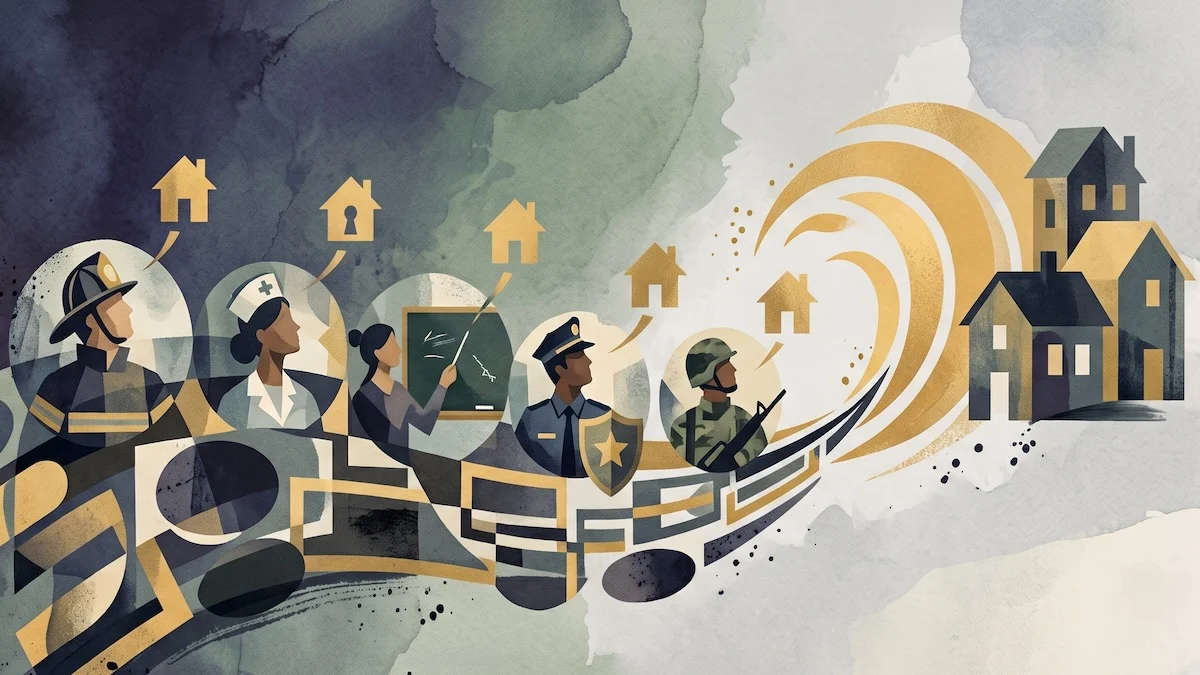
The genesis of Homes for Heroes was rooted in a simple but profound question posed by the son of Ruth Johnson, a Minneapolis real estate professional, in the weeks following the 2001 attacks. As the nation grappled with the heroism displayed by first responders at Ground Zero, Johnson’s son suggested using their real estate business as a platform for gratitude. The concept was straightforward: provide financial rebates and assistance to those who serve the nation and its communities, helping them overcome the barriers to homeownership. This vision transformed into a business model where real estate professionals voluntarily share a portion of their commissions to reduce the closing costs for "heroes," a category that includes firefighters, emergency medical services (EMS) personnel, law enforcement officers, military members and veterans, healthcare professionals, and educators.
A Chronology of Growth and National Expansion
The trajectory of Homes for Heroes mirrors the fluctuations and resilience of the broader U.S. housing market over the last two decades. The program began in 2001 within Johnson’s own real estate franchise in the northwestern suburbs of Minneapolis. At the time, she was a broker-owner overseeing approximately 80 agents. The local community’s response was immediate; in its inaugural year, the effort successfully returned $144,000 to local heroes. This initial success proved that a mission-driven approach could coexist with a profitable brokerage.
However, the path to national expansion was not immediate. In 2006, Johnson sold her real estate company, entering a period of non-compete agreements that temporarily limited the program’s growth. It was not until 2009—coinciding with the aftermath of the Great Recession—that Homes for Heroes officially went nationwide. The timing was significant; as the housing market struggled to recover from the subprime mortgage crisis, the program provided a much-needed financial cushion for essential workers who remained the backbone of their communities during the economic downturn.
The organization’s growth accelerated exponentially in the following decade. Between its founding in 2001 and 2014, the company reached a milestone of $10 million returned to heroes. In the subsequent 12 years, that figure surged to nearly $200 million. This rapid escalation reflects both the increasing number of affiliated real estate professionals—now totaling roughly 2,900 nationwide—and a growing awareness among service members and first responders regarding specialized housing benefits.
The Economic Model and the Business Case for Advocacy
While Homes for Heroes is built on a foundation of goodwill, its leadership emphasizes that the program offers a sustainable business case for real estate professionals. In a modern industry often dominated by "portal wars" and the expensive acquisition of online leads, the Homes for Heroes model prioritizes relationship-based growth. Amit Kulkarni, who joined the organization as interim CEO earlier this year during Ruth Johnson’s planned sabbatical, notes that the most successful agents are those who build long-term businesses through referrals and community reputation rather than chasing digital traffic.
The financial impact for the individual hero is significant. On average, a buyer receives a check for approximately $3,500 after closing. For sellers, the savings are even more substantial, averaging around $9,000. These funds are distributed after the transaction is finalized, a strategic decision designed to ensure that the reward does not interfere with mortgage underwriting or down payment assistance programs. This distinction is critical in a tightening credit environment where any change to a buyer’s financial profile during the escrow process can jeopardize a loan.
The program’s success is also reflected in the growth of its affiliates. Johnson cites instances of individual agents who have returned over $2 million of their own commissions through the program. Far from being a financial drain, this commitment often acts as a catalyst for professional expansion. One notable affiliate began as a single agent and, over 14 years of partnership with Homes for Heroes, expanded his operations to become a broker-owner with seven different locations. This suggests that "doing good" can serve as a powerful brand differentiator in a competitive real estate landscape.
Broader Impact on Local Economies and Community Stability
Beyond the individual transaction, the infusion of $200 million back into the hands of community servants has a measurable multiplier effect on local economies. When a teacher or a police officer receives a $3,500 check following the purchase of a home, that capital is frequently reinvested into the community. Kulkarni points out that these funds often go toward immediate home improvements, purchases at local hardware stores, or other services that support small businesses.
Furthermore, the program addresses a critical societal challenge: the "housing gap" for essential workers. In many high-cost-of-living areas, the very people who make a community safe and functional—such as nurses and firefighters—are often priced out of the neighborhoods they serve. By lowering the financial barrier to entry, Homes for Heroes contributes to community stability. When essential workers live in the communities where they work, it reduces commute times, lowers burnout, and fosters a deeper sense of civic engagement.
The organization’s reach extends further through the Homes for Heroes Foundation. A separate 501(c)(3) nonprofit, the foundation is funded in part by the program’s earnings and provides direct grants to heroes facing extreme financial hardship, such as those affected by natural disasters or medical emergencies. Earlier this year, the foundation surpassed $2 million in total grants given, reinforcing the organization’s commitment to supporting heroes throughout their lives, not just during a real estate transaction.
Analysis of the Real Estate Landscape and Future Goals
The 25th anniversary comes at a time of significant transition for the residential real estate industry. Recent legal settlements regarding commission structures and the rise of discount brokerages have forced many agents to reevaluate their value proposition. In this context, the Homes for Heroes model appears particularly resilient. Because it is based on a voluntary contribution from the agent to a specific demographic of clients, it bypasses many of the criticisms leveled at traditional commission models.
Looking toward the future, the leadership of Homes for Heroes has set ambitious targets. Ruth Johnson has stated a goal of reaching $1 billion in total give-back by the year 2030. To achieve this, the organization plans to expand beyond the transaction itself and move into the broader "ecosystem" of homeownership. This includes streamlining the process for heroes to access insurance, mortgage advice, and other home-related services without having to navigate a fragmented market.
Kulkarni emphasizes that for many heroes, the primary challenge is time and mental bandwidth. A teacher grading papers or a nurse coming off a double shift does not have the luxury of interviewing dozens of service providers. The goal for the next 25 years is to become a comprehensive resource where heroes can receive vetted, expert advice that allows them to make the best decisions for their families with minimal stress.
Reflections on the Essence of Community
As the nation reflects on the legacy of 9/11, the story of Homes for Heroes serves as a reminder of the unity that emerged from the wreckage. Kulkarni, reflecting on his own memories of watching the attacks from his office, noted that the country’s subsequent coming together is the "essence of real estate."
"You take what the residential real estate industry is—an industry that supports one of the basic human needs in shelter," Kulkarni said. "And if you take a look at what the heroes do, they actually make the community a community."
The milestone of $200 million returned is more than just a financial figure; it is a metric of gratitude. As the organization enters its next quarter-century, its mission remains anchored in the belief that the stability of a nation is built upon the stability of the homes of those who protect it. With a network of thousands of professionals and a clear path toward $1 billion in impact, Homes for Heroes continues to redefine the intersection of professional real estate and social responsibility.
