

The global landscape of Environmental, Social, and Governance (ESG) criteria is currently undergoing a transformative shift, moving from a period of voluntary corporate participation to an era defined by stringent regulatory oversight and standardized reporting. As financial markets increasingly integrate sustainability metrics into core valuation models, the role of specialized insight becomes paramount. This evolution is driven by a combination of legislative mandates in the European Union, shifting judicial perspectives in the United States, and a burgeoning renewable energy sector that is redefining national power grids. Central to this transition is the recognition that climate risk is, fundamentally, financial risk—a sentiment that has permeated the highest levels of investment management and corporate governance.
The Foundation of ESG Integration in Modern Finance
The current momentum in ESG reporting is deeply rooted in the professionalization of sustainability research. Historically, ESG factors were viewed as peripheral to the primary financial health of a company. However, the background of industry leaders, such as Mark Segal, the founder of ESG Today, highlights the convergence of traditional investment management and sustainability. With a twenty-year career spanning investment research and head-of-equity roles at firms like Delaney Capital Management (DCM), the integration of ESG is no longer treated as a niche specialty but as a critical component of risk assessment.
During his tenure in Toronto, Segal’s focus on evaluating and tracking sustainability factors impacting portfolio companies mirrored a broader trend in the sell-side research industry. The ability to assess the suitability of companies for portfolio inclusion based on their long-term resilience to environmental and social shocks has become a prerequisite for modern asset management. This professionalization has paved the way for the sophisticated analysis of the technology and services sectors, where intangible assets and governance structures often dictate long-term market performance.
The European Context: Austria as a Model for Wind Energy Expansion
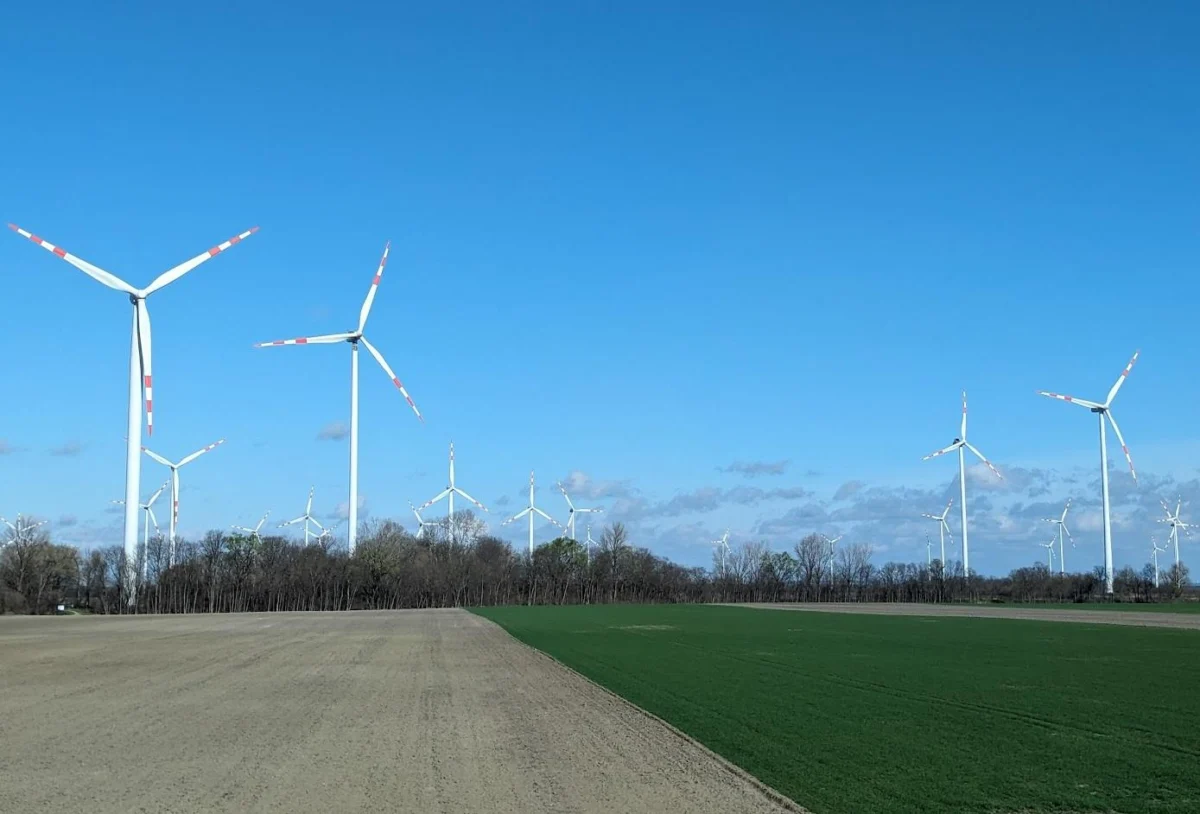
The visual representation of wind turbines in Austria serves as a potent symbol of the European Union’s broader energy transition. Austria has emerged as a significant player in the Central European renewable energy market, particularly through its commitment to the "Green Electricity Act." The country’s wind power capacity has seen consistent growth, with hundreds of turbines populating the landscapes of Lower Austria and Burgenland.
As of the latest data, the European wind energy sector is striving to meet the targets set by the REPowerEU plan, which aims to increase the share of renewables in the EU’s energy mix to 45% by 2030. Austria’s contribution is vital in this regard; the nation has set an ambitious goal of achieving 100% renewable electricity consumption by 2030. This requires an additional 27 terawatt-hours (TWh) of renewable generation, with wind power expected to contribute a substantial portion of this increase. The expansion of wind infrastructure is not merely an environmental endeavor but a strategic economic move to ensure energy independence and price stability across the Eurozone.
Chronology of Regulatory Developments: 2023-2024
The past eighteen months have marked a decisive period for ESG regulation. The timeline of these events illustrates a clear trajectory toward mandatory transparency:
- January 2023: The Corporate Sustainability Reporting Directive (CSRD) entered into force in the European Union, setting the stage for nearly 50,000 companies to disclose their environmental and social impacts.
- June 2023: The International Sustainability Standards Board (ISSB) released its inaugural standards, IFRS S1 and IFRS S2, creating a global baseline for sustainability-related disclosures in capital markets.
- March 2024: The United States Securities and Exchange Commission (SEC) adopted its long-awaited climate disclosure rule. While the rule faced immediate legal challenges and a subsequent stay, it represented a landmark attempt to standardize how public companies report climate-related risks and greenhouse gas emissions.
- June 2024: The first wave of reporting under the European Sustainability Reporting Standards (ESRS) began to take shape, requiring companies to adopt a "double materiality" perspective—evaluating both how sustainability issues affect the company and how the company affects the environment and society.
Supporting Data: The Economic Weight of ESG
The scale of capital moving into ESG-integrated funds remains a focal point for market analysts. According to Bloomberg Intelligence, global ESG assets are on track to exceed $50 trillion by 2025, representing more than a third of the projected total assets under management globally. This influx of capital is supported by data indicating that companies with high ESG ratings often exhibit lower costs of capital and higher levels of operational efficiency.
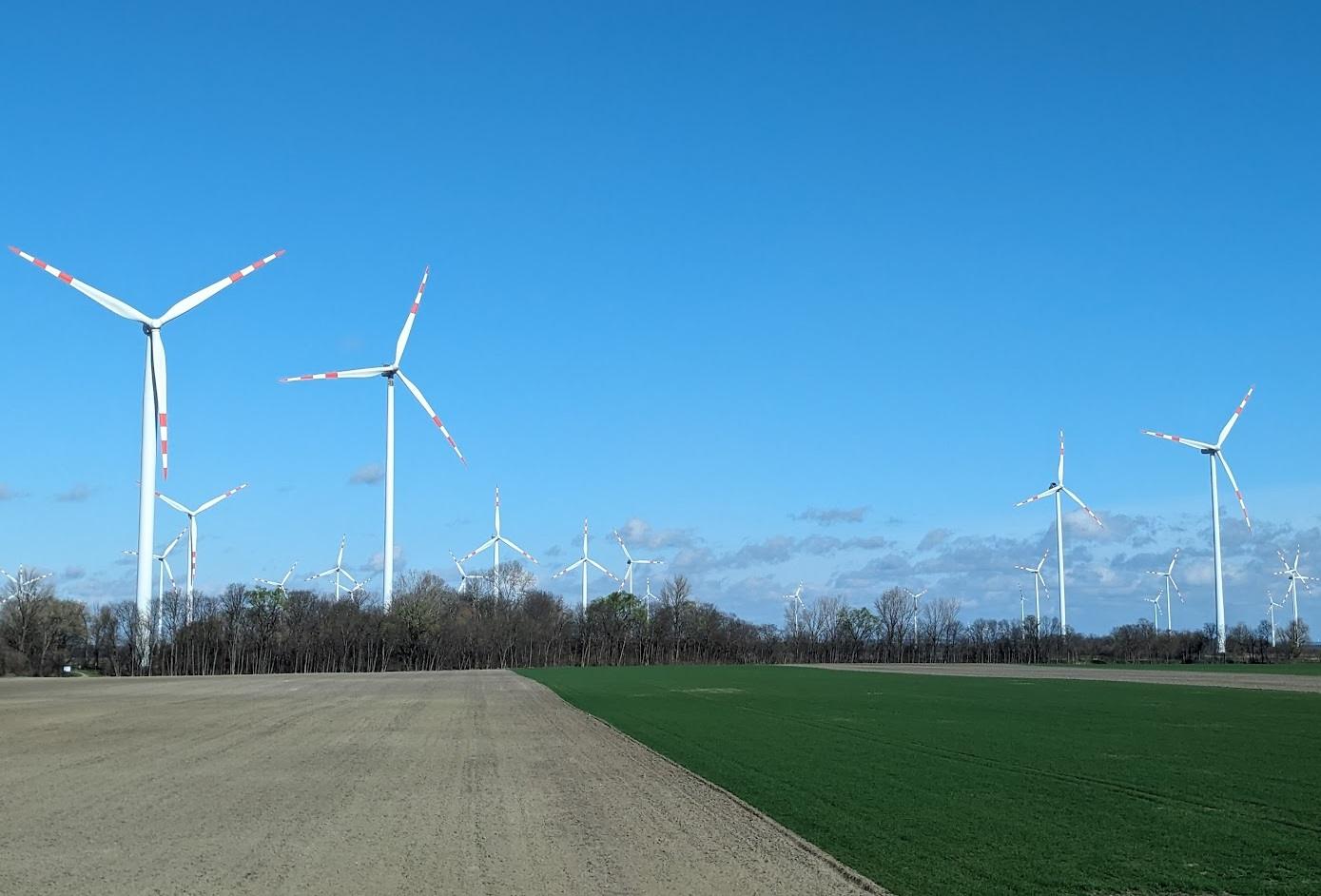
In the renewable energy sector, the International Energy Agency (IEA) reported that global renewable capacity additions increased by almost 50% to nearly 510 gigawatts (GW) in 2023, the fastest growth rate in two decades. Wind power specifically saw a resurgence, with commissioning rates rising as supply chain pressures began to ease. In Austria, the wind energy industry supports thousands of jobs and contributes hundreds of millions of euros to the national GDP, illustrating the "green multiplier effect" where environmental policy drives localized economic growth.
Industry Reactions and Corporate Resilience
The reaction to these shifts has been polarized but increasingly pragmatic. Major institutional investors, including BlackRock and State Street, have refined their messaging to focus on "investment stewardship" and "long-term value creation" rather than ideological labels. This shift is a direct response to the political backlash against ESG in certain jurisdictions, particularly in the United States.
Corporate leaders are also speaking out on the need for certainty. During recent industry forums, CEOs from the technology and services sectors have emphasized that fragmented regulatory requirements create "compliance fatigue." The call for "interoperability"—ensuring that reporting in the EU satisfies requirements in the US and Asia—has become a primary demand from the corporate sector. For instance, Mark Segal’s background in sell-side research highlights the need for clear, comparable data that analysts can use to build accurate financial models. Without standardized metrics, the "ESG premium" remains difficult to quantify, leading to market volatility and investor skepticism.
Brief Fact-Based Analysis of Implications
The transition to a regulated ESG environment carries several significant implications for the global economy. First, the concept of "Greenwashing" is becoming increasingly dangerous for corporations. With the advent of the CSRD and the SEC’s focus on accuracy, misleading claims about environmental performance can now lead to litigation and heavy regulatory fines. This is forcing companies to invest heavily in data infrastructure to track Scope 1, 2, and 3 emissions with the same rigor as financial accounting.
Second, the "Social" and "Governance" pillars are receiving renewed attention. While the "Environmental" aspect often dominates headlines due to the climate crisis, the "Governance" factor—including board diversity, executive compensation, and tax transparency—is being recognized as a leading indicator of corporate stability. Companies with robust governance frameworks are statistically less likely to experience catastrophic failures or fraud.
Finally, the expansion of renewable energy, as seen in the Austrian wind sector, is fundamentally changing the utility business model. The decentralization of power generation requires massive investment in grid modernization and energy storage. For investors, this represents a multi-decade opportunity in the industrial and technology sectors that provide the hardware and software necessary for a smart-grid transition.
The Path Forward: 2025 and Beyond
As we look toward the latter half of the decade, the focus of the ESG Today Week in Review will likely shift from "how to report" to "how to perform." The initial hurdle of compliance is being cleared, and the next phase of the ESG evolution will be defined by actual carbon reduction and social impact. The role of specialized media and research platforms will be to dissect which companies are truly transforming their business models and which are merely checking boxes.
The journey from Mark Segal’s early days at Delaney Capital Management to the current state of global ESG oversight reflects a broader maturation of the financial industry. Sustainability is no longer an overlay; it is the foundation. As renewable energy projects continue to scale across Europe and regulatory frameworks solidify in the Americas, the integration of ESG factors will remain the most significant trend in 21st-century finance. The "Week in Review" serves as a critical pulse-check on this progress, documenting the incremental steps that lead to systemic change.
