

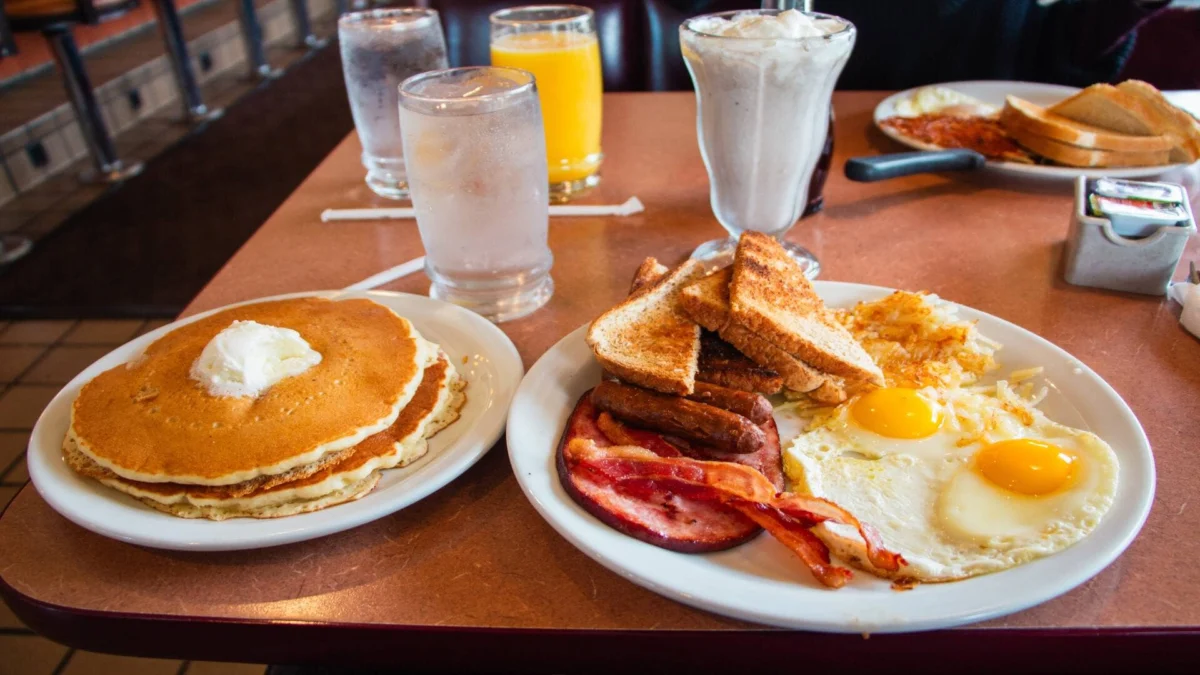
The challenging landscape of the breakfast dining sector in 2026 has claimed another casualty, as Asani Restaurant Group LLC, the parent company behind the fledgling Florida-based chain Buttermilk Eatery, filed for Chapter 11 bankruptcy protection. This move, initiated on August 31, 2026, in the U.S. Bankruptcy Court for the Middle District of Florida, underscores a period of significant financial distress for the industry, characterized by widespread closures and bankruptcies among both national franchises and smaller, independent establishments. With reported assets totaling just over $75,000 against a formidable debt burden exceeding $407,000, Asani Restaurant Group seeks to reorganize its operations amidst a pending lawsuit and an ambitious expansion plan for a third location.
The bankruptcy filing by Asani Restaurant Group LLC marks a critical juncture for Buttermilk Eatery, a brand established in January 2023 with a focus on breakfast, brunch, and lunch offerings. The chain currently operates two locations in the St. Petersburg and Pinellas Park areas of Florida, both notable for incorporating modern conveniences such as online ordering and robot food runners. Despite these technological integrations and a relatively recent launch, the company now confronts the daunting task of restructuring its finances under court supervision, with its future trajectory, particularly regarding a previously announced third location in St. Petersburg’s Grand Central District, hanging in the balance.
A Challenging Climate for Breakfast and Brunch Establishments
The financial woes experienced by Buttermilk Eatery are not isolated incidents but rather reflective of a broader, more severe downturn impacting the entire breakfast dining sector in 2026. Economic headwinds have buffeted restaurants across the nation, but the breakfast segment, traditionally seen as a stable, high-volume market, has faced particular pressures. Factors contributing to this challenging environment include persistent inflationary pressures driving up food and operational costs, a tight labor market leading to increased wage demands, and evolving consumer spending habits in a post-pandemic economy.
Major players in the industry have not been immune. Franchises of iconic chains like Denny’s, a direct competitor to Buttermilk Eatery in markets such as St. Petersburg, have grappled with significant financial strain. For instance, DBJ US Corp., a prominent Denny’s franchisee operating in Miami Beach, Florida, has been among the restaurant operators compelled to seek bankruptcy protection, highlighting the systemic nature of the crisis. This indicates that even established brands with extensive networks are feeling the pinch, often due to high overheads, lease obligations, and the struggle to pass increased costs onto price-sensitive consumers.
Beyond the franchise giants, smaller, often more niche, breakfast and brunch concepts have also been forced to make difficult decisions. New York City’s Sarabeth’s, known for its upscale brunch experience, and San Diego’s Breakfast Republic, a popular local chain, have both reportedly closed multiple locations in an effort to consolidate resources and stem financial losses. These closures underscore a trend where businesses, regardless of their market position or regional popularity, are making strategic cuts to reduce operating expenses and enhance their chances of long-term survival. The confluence of these factors has created a perilous environment for new entrants and existing businesses alike, forcing a re-evaluation of business models and expansion strategies.
Buttermilk Eatery’s Brief History and Expansion Ambitions
Buttermilk Eatery launched its inaugural location on Roosevelt Boulevard North in St. Petersburg in 2023, followed by a second outpost on US Highway 19N in Pinellas Park in early 2024. From its inception, the chain aimed to differentiate itself not only through its menu of classic breakfast, brunch, and lunch items but also through its embrace of technology. The integration of online ordering systems and robot food runners at both locations was touted as a way to enhance efficiency, reduce labor costs, and provide a modern dining experience. Such innovations, while potentially offering operational advantages, also represent significant upfront capital investments, which can become liabilities if revenue growth does not materialize as projected.
Despite the financial difficulties that appear to have been brewing, Asani Restaurant Group had publicly announced ambitious expansion plans earlier in 2026. In May 2026, the company revealed its intention to open a third Buttermilk Eatery location in St. Petersburg’s vibrant Grand Central District. This new establishment was slated to take over the premises of the former Urban Brew & BBQ, which had closed in September 2025 after a 12-year run. The proposed third location promised an expansive dining experience, featuring 1,400 square feet of indoor space complemented by a substantial 3,000 square foot covered patio. Patrons were to be offered the choice of traditional table service or a more modern approach of ordering directly from their phones by scanning QR codes. This forward-looking strategy, announced just months before the bankruptcy filing, suggests either a desperate attempt to boost revenue and attract investment or a significant misjudgment of the company’s underlying financial health. The Chapter 11 filing now casts a considerable shadow over these expansion plans, with the debtor yet to confirm whether development of the third location will proceed.
Legal and Financial Pressures Leading to Bankruptcy
The immediate catalyst for Asani Restaurant Group’s bankruptcy filing appears to be a combination of mounting debts and a significant legal challenge. On January 8, 2026, MGM Investment Properties Inc. filed a lawsuit against Asani, alleging non-payment for kitchen equipment purportedly supplied to the restaurant owner in November 2022. Such disputes over essential operational equipment can severely impact a restaurant’s cash flow and ability to maintain operations, especially for a relatively new business. The filing of the Chapter 11 petition triggers an "automatic stay," temporarily halting all litigation, including the lawsuit from MGM Investment Properties Inc., allowing the debtor a reprieve to focus on reorganization without the immediate pressure of legal proceedings.
The Chapter 11 petition meticulously outlines the precarious financial state of Asani Restaurant Group. With reported assets of just over $75,000 against total debts exceeding $407,000, the company faces a substantial deficit. This severe imbalance between assets and liabilities is a clear indicator of insolvency and the necessity for a comprehensive financial restructuring. The petition also details the company’s largest unsecured creditors, offering insight into the types of obligations that contributed to its financial distress. These include:
- Spartan Capital: Owed over $178,000. This could represent a significant loan or line of credit obtained for startup costs or operational expenses.
- Toast Capital LLC: Owed over $145,000. Toast is a widely used point-of-sale (POS) and restaurant management system provider that also offers capital advances to restaurants. This debt likely stems from such a financing arrangement, indicating reliance on external funding for working capital.
- LQ Commercial Property Management: Owed over $53,000. This is likely a landlord or property management company, suggesting overdue rent payments for one or both of the existing locations. Lease obligations are often among the most significant fixed costs for restaurants.
- Bear Robotics: Owed $30,000. This debt directly relates to the innovative robot food runners utilized by Buttermilk Eatery. It suggests either an outstanding payment for the robots themselves or for ongoing service and maintenance contracts.
- Chase Card Member Services: Owed over $29,000. This points to significant credit card debt, often used by small businesses to cover day-to-day operational gaps or unexpected expenses.
While the debtor did not provide a specific reason for the bankruptcy filing in its petition, and a company spokesperson was not immediately available for comment, the combined weight of the lawsuit, the substantial debt-to-asset ratio, and the challenging industry environment paints a clear picture of the pressures leading to this decision.
Understanding Chapter 11 Bankruptcy and Its Implications
Chapter 11 bankruptcy is a legal process that allows businesses to reorganize their financial affairs while continuing to operate. Unlike Chapter 7, which typically involves liquidation of assets, Chapter 11 aims to provide a debtor with a fresh start through a court-approved plan of reorganization. Under this process, Asani Restaurant Group will work with its creditors to develop a plan to repay its debts over time, potentially involving renegotiating terms, reducing debt amounts, or selling non-essential assets. The court oversees this process to ensure fairness to all parties involved.
For Buttermilk Eatery, the implications of Chapter 11 are multifaceted. Operationally, the two existing locations are expected to remain open, at least in the short term, as the reorganization process unfolds. However, the company will face increased scrutiny from creditors and the court regarding its financial management and viability. Decisions regarding staffing, menu offerings, and, critically, the planned third location, will be subject to intense review and may be altered or abandoned based on the reorganization plan’s feasibility.
The uncertainty surrounding the third location in the Grand Central District is a significant point of contention. The initial announcement in May 2026 was met with enthusiasm from local development groups like St. Pete Rising, which reported on the plans. However, proceeding with such a substantial investment while in bankruptcy would require court approval and a clear demonstration that it serves the best interests of the creditors and the long-term viability of the reorganized business. It is equally plausible that the expansion plans will be put on hold indefinitely or scrapped entirely to conserve capital and focus on stabilizing the existing operations.
Broader Industry Impact and Future Outlook
The case of Buttermilk Eatery serves as a stark reminder of the inherent risks associated with launching and scaling a restaurant business, especially in a period of economic volatility. The challenges faced by this relatively new entrant, despite its modern approach and innovative use of technology like robot food runners, reflect the broader struggles of the hospitality sector. High overheads, razor-thin profit margins, intense competition (including from established players like Denny’s), and the ever-present threat of economic downturns make the industry particularly vulnerable.
The increased reliance on third-party financing, as evidenced by the substantial debts owed to Spartan Capital and Toast Capital, highlights how many independent restaurants leverage debt to fund their operations and growth. While such financing can be a lifeline, it also amplifies financial risk when revenues do not meet projections. The debt owed to Bear Robotics also points to the double-edged sword of technological innovation; while promising efficiency, these investments come with a price tag that must be justified by sustained profitability.
For the local economy of St. Petersburg and Pinellas Park, the bankruptcy of Asani Restaurant Group creates a degree of uncertainty. While the existing locations continue to operate, the long-term viability of jobs and local supply chain relationships will depend on the success of the reorganization. If the company ultimately fails to reorganize and is forced into liquidation, it would contribute to the ongoing trend of restaurant closures, impacting employment and consumer choice in the area.
Looking ahead, the Chapter 11 process offers Buttermilk Eatery a chance to reset and potentially emerge stronger with a more sustainable business model. This would likely involve a rigorous analysis of its cost structure, a potential renegotiation of leases and vendor contracts, and perhaps a revised strategy for growth that is less aggressive and more aligned with its financial capabilities. However, the path to successful reorganization is arduous, and many companies that file for Chapter 11 ultimately do not survive. The coming months will be critical for Asani Restaurant Group as it navigates the complexities of bankruptcy court, seeks to satisfy its creditors, and attempts to secure a viable future for Buttermilk Eatery in a persistently challenging dining landscape.
