

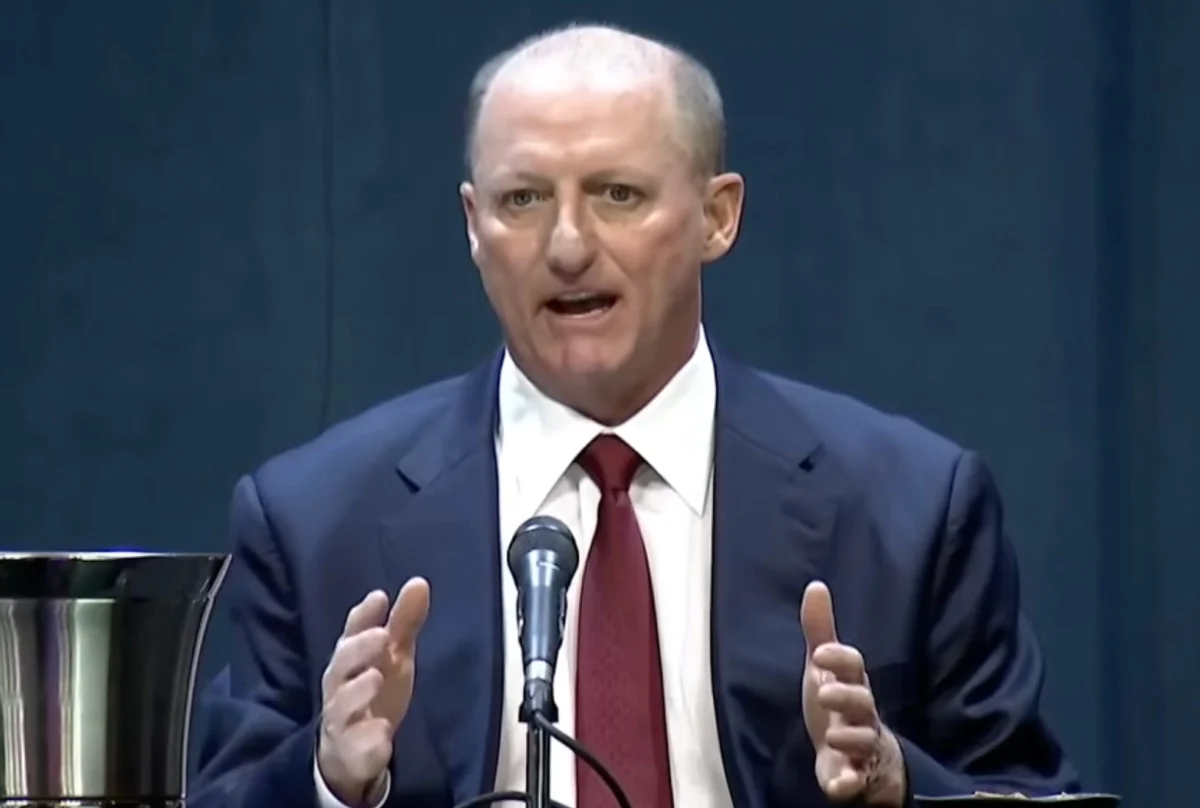
Omaha, Nebraska – Berkshire Hathaway, the sprawling conglomerate helmed by CEO Greg Abel, has agreed to acquire national homebuilder Taylor Morrison Home Corporation in a definitive cash deal valued at $6.8 billion. This significant transaction, announced on Sunday, May 31, 2026, marks one of the most substantial strategic moves under Abel’s leadership since he officially took the reins from legendary investor Warren Buffett at the beginning of 2026. The acquisition, which deepens Berkshire’s already considerable footprint in the American housing market, is widely interpreted as a confident long-term bet on a sustained recovery in the sector following a period of prolonged downturn characterized by elevated mortgage rates and affordability pressures.
Under the terms of the agreement, Berkshire Hathaway will pay $72.50 per share in cash for Taylor Morrison. This offer represents a robust 24% premium over Taylor Morrison’s closing stock price on Friday, May 29, 2026. Including assumed debt, the total enterprise value of the transaction stands at approximately $8.5 billion. The deal is expected to navigate regulatory approvals and formally close in the second half of 2026, integrating Taylor Morrison into Berkshire’s diverse portfolio of businesses. For a company sitting on a formidable cash hoard nearing $400 billion, this acquisition, while substantial, is considered a judicious deployment of capital, signaling a clear strategic direction for the post-Buffett era.
A New Chapter: Greg Abel’s Strategic Imperative
The acquisition of Taylor Morrison Home Corporation is more than just a financial transaction; it represents a tangible manifestation of Greg Abel’s strategic vision for Berkshire Hathaway. Having succeeded Warren Buffett as CEO at the start of 2026, Abel faces the immense task of guiding the conglomerate into a new era while upholding its core principles of value investing and long-term growth. Buffett, who remains Chairman, has entrusted Abel with the day-to-day operational decisions and capital allocation, particularly for large-scale acquisitions.
Analysts and investors have keenly watched Abel’s initial moves, anticipating how he might stamp his authority on the firm’s investment strategy. While maintaining Berkshire’s reputation for conservative financial management and a preference for understandable businesses with durable competitive advantages, Abel is also expected to be more proactive in deploying the company’s vast cash reserves. The Taylor Morrison deal, a significant but not unprecedentedly large acquisition by Berkshire standards (given past deals like the $34 billion purchase of Precision Castparts or the $26 billion acquisition of BNSF), underscores Abel’s readiness to make impactful strategic decisions. It signals a continuity of Berkshire’s opportunistic approach to market cycles, identifying strong companies at what it perceives to be attractive valuations or inflection points in their respective industries.
Chronology of a Strategic Move
The path to this acquisition can be traced through several key developments:
- Early 2020s: The U.S. housing market experiences unprecedented growth fueled by low interest rates and remote work trends, followed by a significant slowdown as inflation rises and the Federal Reserve begins aggressive rate hikes. Mortgage rates climb, impacting affordability and dampening demand.
- Late 2025: As interest rates stabilize and some economic indicators suggest potential for a soft landing or recovery, market sentiment around the housing sector begins to shift cautiously. Berkshire Hathaway completes a $9.7 billion cash deal to purchase OxyChem, the chemical business of Occidental Petroleum, demonstrating its willingness to engage in large-scale M&A activity.
- January 1, 2026: Greg Abel formally assumes the role of CEO of Berkshire Hathaway, with Warren Buffett transitioning to Chairman. This marks the official handover of operational leadership and capital allocation decisions.
- Spring 2026: Discussions between Berkshire Hathaway and Taylor Morrison Home Corporation intensify. Berkshire, with its deep understanding of various segments of the housing value chain, likely identifies Taylor Morrison as a prime candidate for integration due to its established market position and operational strengths.
- May 29, 2026: Taylor Morrison Home Corporation closes at a specific price, setting the benchmark against which Berkshire’s premium offer would be calculated.
- May 31, 2026: Berkshire Hathaway announces its definitive agreement to acquire Taylor Morrison Home Corporation, signaling a strategic vote of confidence in the future of the U.S. housing market.
- Second Half of 2026: The acquisition is projected to close, pending customary regulatory approvals and shareholder consents.
This timeline illustrates a deliberate move by Berkshire, timed to coincide with a perceived turning point in a crucial economic sector and aligning with Abel’s initial tenure as CEO.
The Calculated Bet: U.S. Housing Market Dynamics
Berkshire Hathaway’s decision to acquire Taylor Morrison is a profound statement about its outlook on the U.S. housing market. The original article notes that the deal deepens the conglomerate’s bet "after a prolonged downturn," explicitly mentioning "elevated mortgage rates and affordability pressures" as factors that have weighed on the sector in recent years.
Indeed, the period leading up to 2026 saw significant volatility in housing. Following the pandemic-driven surge in demand and prices, the aggressive interest rate hikes by the Federal Reserve from 2022 onwards pushed 30-year fixed mortgage rates well above 7% for extended periods, reaching highs not seen in over two decades. This dramatically increased the cost of homeownership, sidelining many potential buyers and leading to a sharp decline in existing home sales and a slowdown in new construction. Housing starts, while resilient in some segments, often faced headwinds from labor shortages, high material costs, and permitting delays. Median home prices, though not collapsing, saw periods of stagnation or slight declines in many markets, especially compared to their previous meteoric rise.
However, by mid-2026, the economic landscape likely presented a more optimistic picture. Inflation may have receded closer to the Federal Reserve’s target, potentially leading to stable or even slightly declining interest rates. This would have provided a much-needed reprieve for prospective homebuyers. More importantly, years of reduced new construction during the downturn would have exacerbated the underlying structural housing shortage in the U.S. This creates significant "pent-up demand," as highlighted by Bill Stone, CIO of Glenview Trust and a Berkshire shareholder. Stone elaborated, "They are betting the housing cycle will turn and that there is pent-up demand. Once affordability improves, even marginally, a large pool of buyers who have been waiting on the sidelines will re-enter the market, driving sales for quality builders."
This underlying demographic reality – a growing population and persistent undersupply of housing units – forms the bedrock of Berkshire’s long-term conviction. The average age of first-time homebuyers might have risen, but the fundamental desire for homeownership remains strong across demographics.
Taylor Morrison: A Strategic Fit
Taylor Morrison Home Corporation, founded in 1913, is a prominent national homebuilder operating in some of the most attractive housing markets across the U.S., including Arizona, California, Colorado, Florida, Georgia, Illinois, North Carolina, South Carolina, and Texas. The company is known for building a diverse range of homes, from entry-level and move-up homes to luxury residences and active adult communities, catering to a broad spectrum of buyers. In 2025, the company likely reported robust sales figures relative to the challenging market conditions, demonstrating operational efficiency and strong market penetration. Its reputation for customer experience and quality construction, as lauded by Greg Abel, was undoubtedly a critical factor in Berkshire’s evaluation. "Berkshire is acquiring a best-in-class national homebuilder, led by an exceptional team and backed by a trusted reputation for customer experience," Abel stated, emphasizing the qualitative aspects that align with Berkshire’s investment philosophy.
Before the acquisition, Taylor Morrison had successfully navigated market fluctuations by focusing on disciplined land acquisition, efficient construction processes, and adapting its product offerings to evolving consumer preferences. Its strong balance sheet and established brand presence made it an attractive target for a long-term investor like Berkshire. The company’s diverse geographical footprint also mitigates regional housing market risks, providing a broad exposure to the national housing recovery.
Berkshire’s Expanding Housing Ecosystem: Synergies and Integration
The acquisition of Taylor Morrison is not an isolated event but a strategic enhancement to Berkshire Hathaway’s already extensive and vertically integrated presence in the housing sector. The conglomerate has long been a quiet giant in the industry, owning a comprehensive array of businesses that touch nearly every aspect of home construction, sales, and ownership.
At the core of Berkshire’s housing empire is Clayton Homes, the nation’s largest builder of manufactured and modular homes. Clayton Homes, acquired by Berkshire in 2003, is a vertically integrated powerhouse, not only constructing homes but also providing financing through its lending arm, Vanderbilt Mortgage and Finance, and insurance through its subsidiary, HomeSite Insurance. This allows Clayton to offer a complete homeownership solution, particularly for affordable housing segments.
Beyond manufactured homes, Berkshire owns a diverse portfolio of building product companies. These include:
- Acme Brick Company: A leading manufacturer of bricks and masonry products.
- Benjamin Moore & Co.: A premium paint manufacturer.
- Johns Manville: A global manufacturer of insulation, roofing, and engineered products.
- MiTek Industries: A provider of advanced engineering, software, and automation solutions for the residential and commercial construction industries.
- Shaw Industries: One of the world’s largest carpet and flooring manufacturers.
- Marmon Holdings: A group of manufacturing and service companies, some of which produce building materials and equipment.
Furthermore, Berkshire Hathaway has a significant presence in real estate services through Berkshire Hathaway HomeServices, one of the largest residential real estate brokerage franchise networks in the U.S. This network connects buyers and sellers, providing vital market intelligence and facilitating transactions.
The integration of Taylor Morrison, a prominent site-built homebuilder, is poised to create substantial synergies within this existing ecosystem. Greg Abel explicitly articulated this vision: "Over time, we expect to unify our site-built homebuilding operations into a combined platform enabling us to deliver the dream of homeownership to more Americans." This suggests a strategic imperative to consolidate and optimize Berkshire’s diverse housing assets.
Potential synergies include:
- Supply Chain Optimization: Taylor Morrison can leverage Berkshire’s existing relationships and purchasing power with its building product companies, potentially securing better pricing and more reliable supply of materials like insulation, flooring, and paint.
- Distribution and Logistics: Sharing best practices and potentially consolidating logistical operations for material delivery could lead to cost efficiencies.
- Cross-Marketing and Referrals: Berkshire Hathaway HomeServices could become a preferred partner for selling Taylor Morrison homes, while Taylor Morrison could refer clients seeking manufactured housing solutions to Clayton Homes.
- Operational Efficiencies: Unifying site-built operations could lead to shared expertise in land acquisition, construction management, design innovation, and back-office functions, reducing redundant costs and improving overall profitability.
- Enhanced Market Intelligence: A broader view across manufactured, site-built, and real estate brokerage segments will provide Berkshire with unparalleled insights into housing trends, demand shifts, and regional market performance, informing future investment and development decisions.
This vertical and horizontal integration makes Berkshire Hathaway a formidable force in the housing sector, capable of addressing diverse housing needs and controlling various aspects of the value chain. The Taylor Morrison acquisition significantly strengthens its presence in the traditional, site-built segment, complementing its manufactured housing leadership.
Analyst Reactions and Broader Implications
The announcement sent ripples through the market, with industry analysts largely interpreting the move as a strong signal of confidence in the U.S. housing sector’s long-term prospects. Bill Stone’s assertion about the housing cycle turning resonated with many who believe that while short-term challenges remain, the fundamental drivers for housing demand are robust.
"This isn’t just an acquisition; it’s a strategic declaration," remarked Sarah Jenkins, a senior equity analyst at Capital Markets Group. "Berkshire Hathaway rarely makes moves without a deep, long-term conviction. Their entry, or rather, their deepened commitment to the site-built market with a quality player like Taylor Morrison, suggests they see a clear runway for growth once current macroeconomic headwinds dissipate. It also highlights Greg Abel’s willingness to deploy capital in meaningful ways, even as he adheres to the core tenets of value investing."
Other market observers pointed to the premium paid for Taylor Morrison as an indicator of Berkshire’s conviction. A 24% premium signals that Berkshire was willing to pay above the market rate to secure a high-quality asset that fits perfectly into its strategic framework. This could also prompt other large institutional investors or conglomerates to re-evaluate their positions on the housing sector, potentially catalyzing further M&A activity or increased investment in homebuilding stocks.
For Taylor Morrison, the acquisition provides immediate value for shareholders and the backing of one of the world’s most stable and well-capitalized companies. This could empower Taylor Morrison to pursue more aggressive growth strategies, expand into new markets, or invest further in innovation, benefiting from Berkshire’s financial strength and operational expertise.
The deal also carries broader implications for the competitive landscape of the homebuilding industry. The entry of a behemoth like Berkshire Hathaway, with its deep pockets and long-term investment horizon, could put pressure on smaller, less capitalized builders. It also underscores the ongoing consolidation trend within the industry, as companies seek scale and efficiency to navigate complex market conditions.
Capital Deployment in the Post-Buffett Era
Berkshire Hathaway’s nearly $400 billion cash hoard has long been a topic of discussion among investors. While a significant war chest provides unparalleled financial security and optionality, it also presents a challenge for capital deployment, especially for a company committed to finding attractively valued, high-quality businesses that can absorb such large sums without diluting returns.
The OxyChem deal in late 2025 and now the Taylor Morrison acquisition demonstrate Abel’s proactive approach to addressing this challenge. These are not speculative ventures but investments in mature, understandable industries with tangible assets and long-term demand drivers. The OxyChem deal, a move into industrial chemicals, showcased Berkshire’s continued interest in foundational sectors of the economy. The Taylor Morrison deal reinforces this by targeting another fundamental human need: shelter.
Both acquisitions, while substantial, represent only a fraction of Berkshire’s total cash pile. This suggests that Abel and his team are continuing to seek out other large-scale investment opportunities, whether through outright acquisitions, significant minority stakes, or share repurchases. The strategic imperative remains to deploy capital effectively to generate long-term value for shareholders, maintaining the prudent, patient investment philosophy that has defined Berkshire for decades.
Looking Ahead: Opportunities and Challenges
The integration of Taylor Morrison into Berkshire Hathaway’s vast portfolio presents both significant opportunities and inherent challenges. The opportunities for synergy, cost savings, and market expansion are substantial, especially as the housing market potentially strengthens. With Berkshire’s financial muscle, Taylor Morrison can weather future market fluctuations more effectively and potentially accelerate its growth trajectory. The ability to leverage Berkshire’s existing building products and real estate services could create an unmatched competitive advantage.
However, challenges will undoubtedly arise during the integration process. Merging corporate cultures, harmonizing operational systems, and ensuring a seamless transition for employees and customers will be critical. The housing market, while showing signs of recovery, remains susceptible to economic shifts, interest rate volatility, and regulatory changes. Managing these external factors while executing internal integration will require deft leadership from Greg Abel and the combined management teams.
Ultimately, the acquisition of Taylor Morrison Home Corporation by Berkshire Hathaway is a landmark event, signaling a new era of strategic capital deployment under Greg Abel. It reflects a deep-seated confidence in the resilience and long-term growth potential of the U.S. housing market and underscores Berkshire’s enduring commitment to investing in high-quality businesses that serve fundamental human needs. As the deal progresses towards its close in late 2026, the financial world will be watching closely to see how this strategic bet plays out and what it portends for the future direction of the venerable conglomerate.
