

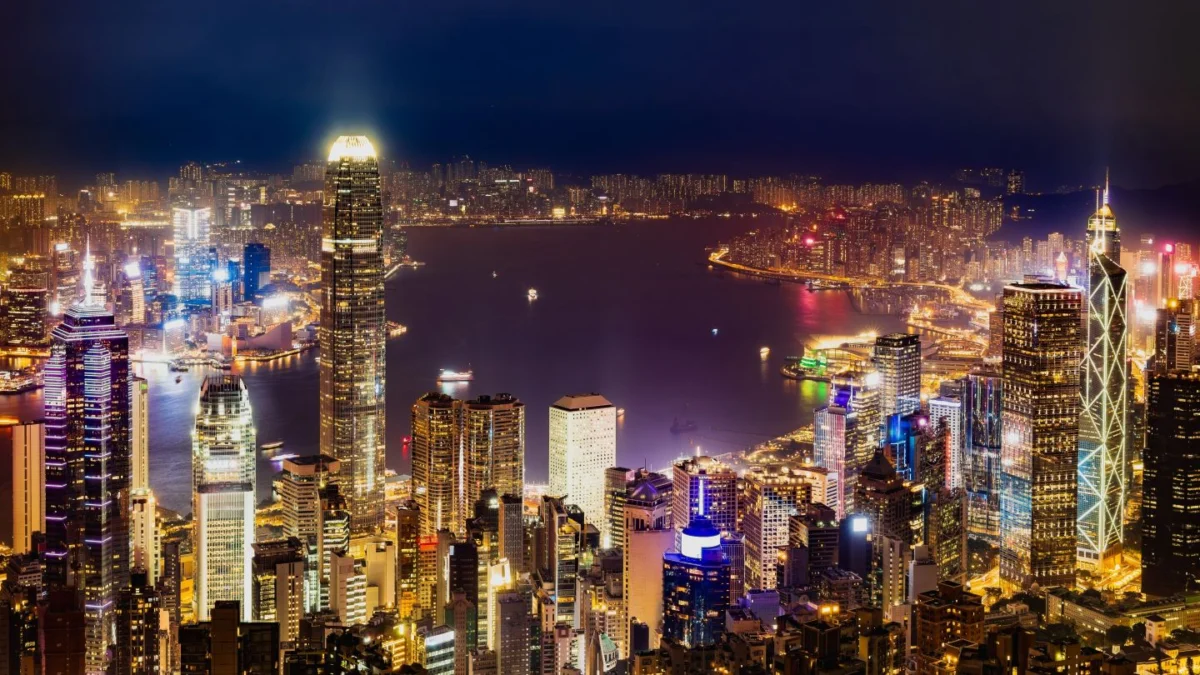
Hong Kong has officially ascended to the zenith of global wealth management, claiming the title of the world’s largest cross-border wealth hub in 2025, a significant milestone that saw it surpass traditional powerhouse Switzerland for the first time. This remarkable ascent, detailed in the Boston Consulting Group’s (BCG) comprehensive "Global Wealth Report 2026: The Great Reordering," underscores a palpable shift in global financial gravity towards Asia, fueled by robust inflows from mainland China, a thriving initial public offering (IPO) market, and buoyant equity markets.
A New Era in Global Wealth Management
The BCG report reveals that cross-border wealth booked in Hong Kong experienced a substantial 10.7% surge last year, reaching an impressive $2.9 trillion. This growth trajectory significantly outpaced the overall global increase in financial wealth, which also saw a healthy 10.7% rise to $333 trillion in 2025, defying a landscape marked by ongoing trade tensions, tariff disputes, and persistent geopolitical instability. When considering real assets, the total global net wealth climbed even higher, approaching a staggering $550 trillion.
Globally, cross-border wealth experienced an 8.4% increase, culminating in $15.7 trillion. A striking observation from the report is the concentration of this growth, with the top ten booking centers now accounting for nearly 90% of new offshore capital flows. This consolidation highlights the increasing importance of established financial hubs in managing the world’s most significant pools of capital.
The Gravitational Pull of Asian Wealth
Michael Kahlich, a Managing Director and Partner at BCG and a co-author of the report, articulated the underlying dynamics driving this paradigm shift. "We are seeing wealth creation, cross-border capital flows, and investment ecosystems increasingly concentrate into a smaller number of globally connected hubs," Kahlich stated. "Hong Kong’s rise reflects the growing gravitational pull of Asian wealth and capital markets." This sentiment directly addresses the evolving economic landscape, where Asia, particularly China and India, continues to be a primary engine of global wealth generation.
Hub Networks: The New Geographies of Offshore Wealth
BCG’s analysis identifies a clear clustering of offshore wealth around two primary hub networks. The first, anchored by Hong Kong and Singapore, serves as a critical gateway for capital originating from mainland China, India, and the broader Southeast Asian region. This network is a testament to the burgeoning economic power of these Asian economies and their increasing integration into the global financial system.
The second major network is composed of established Western financial centers, namely Switzerland, the United States, and the United Kingdom. This network caters to wealth originating from Europe, the Middle East, and Latin America, demonstrating the continued influence of these regions in the global wealth management arena, albeit within a more defined operational scope.
Singapore’s Enduring Strength and the UAE’s Rapid Ascent
Beyond Hong Kong’s leading position, Singapore continues to solidify its stature as Asia’s most diversified offshore wealth center. Its appeal is amplified by consistent safe-haven inflows and the ongoing expansion of its sophisticated wealth management ecosystem. This strategic positioning allows Singapore to capture a significant share of regional and global wealth.
The United Arab Emirates (UAE) also emerged as a standout performer, consistently ranking among the fastest-growing booking centers globally. In 2025, cross-border wealth in the UAE saw an impressive rise of 11.1%, signaling its increasing prominence as a destination for international capital.
Uneven Growth Patterns Across the Globe
While the overall picture is one of robust growth, BCG’s report also illuminates significant disparities in wealth accumulation across different regions. Western Europe, for instance, recorded the most substantial growth among major markets, with an impressive 15.3% increase. This surge was primarily attributed to favorable currency movements and persistently high household savings rates within the region.
Mainland China’s financial wealth demonstrated a remarkable 15% expansion in 2025. Projections indicate this growth will continue at a healthy annual rate of 9% through 2030, underscoring its enduring economic dynamism. In contrast, North America experienced a more subdued wealth growth of 7.4%, with gains largely concentrated among a select group of large technology corporations. This suggests a more stratified wealth distribution within the region.
Emerging Markets: The Next Frontier of Wealth Creation
Looking ahead, BCG anticipates that emerging markets will be instrumental in driving global wealth growth through 2030, contributing approximately 10% of the total increase. These markets are poised to add nearly $7 trillion in financial wealth by the end of the decade, with India, Brazil, and Mexico leading the charge.
The report further highlights a significant opportunity within the affluent-and-above segment in these emerging economies – individuals possessing more than $250,000 in financial wealth. This demographic is projected to grow at an annual rate of 8% across these markets, potentially creating over one million new millionaires by 2030.
The Underserved Affluent and Evolving Wealth Management Landscape
Interestingly, this rapidly expanding affluent segment remains structurally underserved by traditional international wealth managers. The report points to a discernible trend of global wealth managers retreating towards ultra-high-net-worth (UHNW) clients. This strategic shift is largely driven by escalating compliance costs and increasingly stringent cross-border regulatory requirements, which can make serving a broader client base less economically viable for large international firms.

This dynamic creates a significant opening for local banks and independent wealth managers. These entities are well-positioned to step in and cater to the growing needs of the affluent segment, potentially expanding their market share and influence. The BCG report suggests that this evolving landscape could lead to a more fragmented yet potentially more accessible wealth management ecosystem in emerging markets.
Asia’s Generational Wealth Transfer and the AI Revolution
The report also casts a spotlight on a pivotal development in Asia: the commencement of the region’s first large-scale intergenerational wealth transfer. In countries such as Singapore, Malaysia, and Indonesia, a significant proportion of major enterprises, ranging from 40% to 50%, remain founder-led, with the median age of leadership exceeding 70 years. This impending transition of wealth and business ownership to the next generation is expected to reshape economic landscapes and create new opportunities for wealth advisors and financial institutions.
Furthermore, artificial intelligence (AI) is emerging as a transformative force in wealth management, poised to revolutionize operating models and economics. BCG notes that AI-based tools are already being deployed for a variety of tasks, including drafting financial plans, automating compliance documentation, generating portfolio rationales, and predicting client churn. The report forecasts that wealth managers who embrace an "AI-first" approach could unlock substantial capacity gains, estimated between 25% and 30% across key workflows, while simultaneously boosting revenue per advisor by 10% to 20%. This technological integration signals a fundamental shift towards greater efficiency, personalization, and potentially broader access to wealth management services.
Historical Context and Implications
Hong Kong’s journey to becoming the world’s leading cross-border wealth hub is not a sudden phenomenon but rather a culmination of strategic policies, its unique geographical position, and a history of being a gateway to mainland China. For decades, Hong Kong has served as a vital financial intermediary, facilitating capital flows between the East and the West. Its robust legal framework, independent judiciary, and free flow of capital have historically attracted international investors and institutions.
The report’s findings in 2026 reflect a continuation and acceleration of trends observed in previous years. The rise of mainland China as a global economic superpower has been a consistent driver of wealth creation, and Hong Kong’s role as its primary offshore financial center has been critical. The city’s ability to adapt to evolving regulatory landscapes and maintain its competitive edge in financial services has been paramount to its sustained success.
The surpassing of Switzerland, a nation long synonymous with private banking and discreet wealth management, is a significant symbolic moment. While Switzerland remains a formidable player, its traditional model is facing increased competition from more dynamic and rapidly growing Asian financial centers. This shift underscores a broader global recalibration of financial power and influence.
Analysis of Key Growth Drivers
The specific drivers of Hong Kong’s 10.7% growth – inflows from mainland China, strong IPO activity, and equity market gains – are multifaceted. Mainland China’s continued economic expansion and the increasing internationalization of its currency and capital markets naturally lead to greater demand for offshore wealth management services. Hong Kong, with its proximity, familiar legal system, and deep financial expertise, is the natural destination for many of these flows.
The surge in IPO activity, often driven by Chinese technology firms and other growth companies seeking international listings, injects significant capital into the financial system. These new listings not only create wealth for early investors but also necessitate sophisticated wealth management strategies for the ensuing capital.
Furthermore, the gains in equity markets, particularly in Asia, have provided a tailwind for wealth managers. As asset values increase, so does the total volume of wealth being managed, amplifying the reported growth figures. The report’s mention of gains in equity markets implies a period of positive market performance, which is a crucial factor in the overall expansion of financial wealth.
Broader Implications for the Financial Industry
The implications of Hong Kong’s ascendance are far-reaching for the global financial industry. It signals a continued shift in investment flows and a growing demand for financial services tailored to the needs of Asian wealth creators and investors. For international banks and wealth management firms, this necessitates a strategic re-evaluation of their presence and offerings in the region.
The rise of AI also presents both challenges and opportunities. Firms that fail to integrate AI into their operations risk falling behind in terms of efficiency and client service. Conversely, those that embrace AI can unlock new levels of productivity and potentially offer more personalized and cost-effective solutions, especially to the underserved affluent segment.
The impending intergenerational wealth transfer in Asia is another critical factor. The next generation of wealth holders may have different investment preferences, risk appetites, and expectations regarding financial advice. Wealth managers will need to adapt their strategies to cater to these evolving demands, potentially focusing on areas like sustainable investing, digital assets, and philanthropic endeavors.
In conclusion, Hong Kong’s achievement as the world’s leading cross-border wealth hub is a testament to its strategic importance in the global financial architecture and the burgeoning economic power of Asia. The insights from BCG’s "Global Wealth Report 2026" provide a crucial roadmap for understanding the evolving dynamics of global wealth, the strategic imperatives for financial institutions, and the transformative potential of technology and demographic shifts in shaping the future of finance.
