

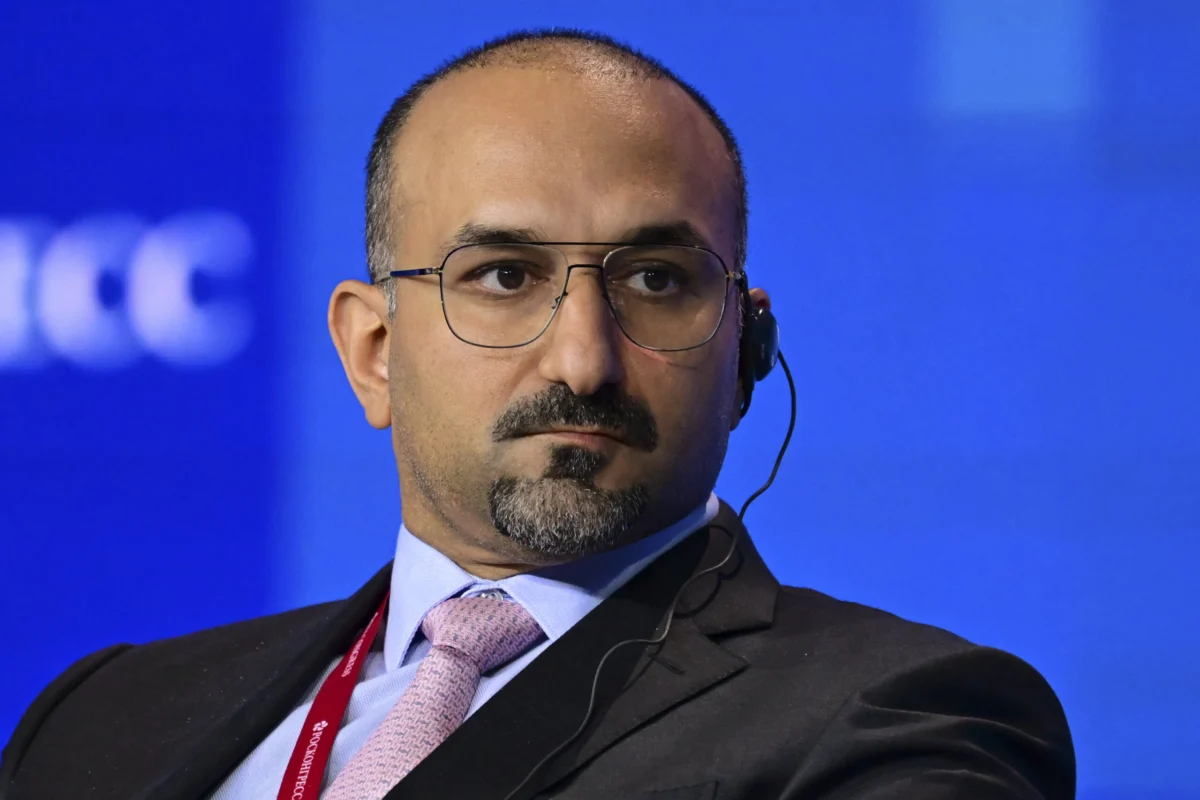
Bahrain’s Minister of Industry and Commerce, Abdulla bin Adel Fakhro, has lauded the recently concluded free trade agreement (FTA) between the United Kingdom and the Gulf Cooperation Council (GCC) as a "monumental achievement" and a "win-win" for all parties involved. The landmark deal, announced on Wednesday, signifies a significant deepening of economic ties between the UK and a bloc with a combined Gross Domestic Product (GDP) exceeding $2 trillion and a population of over 57 million. This agreement arrives at a critical juncture, with the GCC navigating the economic and geopolitical ripples of the ongoing U.S.-Iran conflict, underscoring the region’s commitment to maintaining its position as an open and attractive destination for international investment.
The Free Trade Agreement (FTA) between the United Kingdom and the six-member Gulf Cooperation Council (GCC) marks a pivotal moment in the economic relationship between the two entities. Bahrain’s Minister of Industry and Commerce, Abdulla bin Adel Fakhro, articulated the profound significance of this accord, describing it in an interview with CNBC as "monumental" and a clear demonstration of mutual benefit. This sentiment was echoed by the UK’s Department for Business and Trade, which characterized the deal as "historic" and a substantial boost to the British economy, potentially increasing its GDP by an estimated £3.7 billion ($4.9 billion) annually in the long term.
"The size of this FTA is very big, the bilateral trade between the countries is very big and the investment between the countries is also very large," Fakhro stated, highlighting the robust existing economic connections that the agreement seeks to amplify. He expressed a strong expectation that the FTA would catalyze further growth and collaboration across various sectors. The minister’s assessment underscores the strategic importance of the GCC market for the UK and vice versa, positioning the agreement as a cornerstone for future economic prosperity.
Deepening Economic Integration: A Timeline of Negotiations and Benefits
The journey towards this comprehensive trade agreement involved extensive negotiations, reflecting a shared ambition to foster a more robust and predictable trade environment. While the specific timeline of these negotiations was not detailed in the initial announcement, such high-level trade pacts typically undergo years of meticulous discussions, including rounds of talks on tariff reductions, regulatory alignment, and investment protections. The culmination of these efforts signifies a deliberate effort to streamline trade processes and unlock new avenues for commerce.
The economic implications of the deal are substantial. Based on current UK export volumes to the GCC, the agreement is projected to eliminate approximately £580 million ($780 million) in annual duties once fully implemented. Crucially, the UK Department for Business and Trade revealed that £360 million of these tariffs will be removed on the very first day the agreement enters into force, providing immediate relief and boosting the competitiveness of British goods and services in GCC markets.
This immediate tariff reduction encompasses a range of products, including cars, turbojets, aerospace components, and a variety of food items such as cheddar cheese and chocolate. These sectors represent significant export areas for the UK, and the removal of existing GCC tariffs is expected to stimulate demand and enhance the market access for British businesses. For certain other goods, such as electric vehicles (EVs), tariffs will be phased out over an agreed period of five or ten years, acknowledging the need for a gradual transition in sensitive sectors.
Addressing Regional Challenges: Stability and Economic Resilience
The timing of the GCC-UK trade deal is particularly noteworthy, occurring amidst a period of heightened geopolitical tension in the Middle East. The ongoing conflict between the U.S. and Iran has introduced volatility, impacting the region’s vital oil and gas industries, export markets, and overall economic stability. Regional leaders have been actively working to reassure the international business community that the GCC remains a secure and thriving environment for investment, countering potential investor apprehension stemming from the conflict.
Minister Fakhro addressed these concerns directly, asserting that the GCC’s response to what he termed "unprovoked and unacceptable and illegal Iranian aggressions" had been characterized by wisdom and restraint. He emphasized the bloc’s unwavering focus on maintaining stability and driving economic growth, even accelerating it, despite external pressures. "Today, the GCC as a bloc is significantly more united, stronger and more integrated and focused on areas that we need to strengthen, whether it’s industrial manufacturing, supply chains and the like … than ever before," Fakhro stated, projecting an image of a cohesive and resilient regional economic powerhouse.
This emphasis on unity and strength is crucial for attracting and retaining foreign direct investment (FDI). By projecting an image of stability and forward-looking economic strategy, the GCC aims to mitigate any negative perceptions that might arise from regional instability. The trade deal with the UK, therefore, serves not only as an economic instrument but also as a powerful signal of the GCC’s continued openness and commitment to global economic engagement.
Mutually Beneficial Sectors: Unlocking New Opportunities
The benefits of the FTA are envisioned to flow in both directions. Bahrain, a key member of the GCC, sees the UK as a leader in sectors such as fintech, advanced manufacturing, and specialized services. Minister Fakhro anticipates a significant increase in collaboration within these industries, fostering innovation and knowledge transfer. "We expect there will be a lot more collaboration in those industries," he remarked.

Conversely, the GCC’s petrochemicals sector, a cornerstone of its economy, is expected to see substantial gains from the trade agreement. Enhanced market access and potentially more favorable trade terms for GCC petrochemical products in the UK market could lead to increased export volumes and revenue. This diversification of benefits highlights the balanced nature of the agreement, catering to the distinct strengths and economic priorities of both the UK and the GCC member states.
The GCC itself comprises Bahrain, Kuwait, Oman, Qatar, Saudi Arabia, and the United Arab Emirates. This economic bloc represents a significant global market, with its member states actively pursuing economic diversification and industrial development. The FTA with the UK is expected to accelerate these efforts by facilitating the import of advanced technologies, expertise, and capital goods from the UK, while simultaneously opening up new markets for GCC exports.
Broader Economic Impact and Strategic Significance
The UK government has framed the agreement as a "major win" and a testament to its post-Brexit trade strategy. Beyond the immediate tariff reductions, the long-term economic projections are ambitious. The Department for Business and Trade highlighted that the UK could experience a sustained boost to economic growth and higher wages over decades, positioning the UK as the first G7 country to secure such a comprehensive trade deal with the GCC. This strategic alignment with a key economic region is intended to strengthen the UK’s global economic partnerships, support long-term job creation, and enhance domestic economic resilience.
The agreement reflects the UK’s commitment to "solidarity and long-term cooperation with its Gulf partners," as articulated by the British government. This sentiment underscores the geopolitical dimensions of the trade deal, reinforcing diplomatic ties and fostering a sense of shared strategic interests. In a global landscape marked by shifting alliances and economic uncertainties, such partnerships are increasingly valuable.
For British Prime Minister Keir Starmer, the announcement of the FTA provides a significant political and economic victory. Amidst ongoing domestic challenges and economic pressures exacerbated by the Iran conflict, the deal offers a tangible demonstration of his government’s ability to deliver for the British economy and its citizens. "Today’s agreement is a huge win for British business, and for working people who will feel the benefits in the years ahead through higher wages and more opportunities," Starmer stated, emphasizing the broad-reaching positive impact of the pact.
The Prime Minister further elaborated on the significance of the relationship with the Gulf states, describing them as "valued economic partners" and asserting that the agreement "deepens that relationship, building trust and unlocking new possibilities for trade and investment." This statement reinforces the narrative of a strengthened bilateral relationship, built on mutual respect and shared economic aspirations.
Analysis of Implications and Future Outlook
The UK-GCC FTA is more than just a trade agreement; it represents a strategic reorientation and a bold step towards enhanced economic interdependence. For the UK, it signifies a crucial diversification of trade relationships, reducing reliance on traditional markets and tapping into the dynamic growth potential of the Middle East. The focus on sectors like fintech and advanced manufacturing aligns with the UK’s ambition to be a global leader in these areas, leveraging the GCC’s significant investment capacity.
For the GCC, the deal offers a pathway to accelerated economic diversification, a key objective outlined in many of their national visions, such as Saudi Arabia’s Vision 2030 and the UAE’s Centennial 2071. By securing preferential access to the UK market and fostering collaboration in high-value sectors, the GCC can further reduce its dependence on oil revenues and build more resilient, knowledge-based economies.
The inclusion of provisions for the phased removal of tariffs on goods like electric vehicles suggests a forward-looking approach, anticipating future shifts in global consumption patterns and industrial development. This foresight is critical for long-term economic sustainability and competitiveness.
While the immediate focus is on economic benefits, the FTA also carries geopolitical implications. It strengthens the strategic alignment between the UK and the GCC, fostering a shared interest in regional stability and global security. In an era of complex international relations, such alliances are invaluable for promoting a more predictable and prosperous global order.
As the agreement moves towards full implementation, the coming years will be crucial for observing its tangible impact on trade flows, investment patterns, and economic growth across both the UK and the GCC member states. The "monumental achievement" hailed by Bahrain’s minister is poised to reshape economic landscapes and forge a deeper, more interconnected future for this vital partnership. The success of this FTA will likely serve as a benchmark for future trade negotiations, demonstrating the potential for robust economic cooperation even in the face of global uncertainties.
