

U.S. consumers are bracing for a significantly more expensive Memorial Day weekend and the unofficial start of summer, as the escalating conflict in the Middle East, specifically the ongoing Iran War, continues to drive up prices for essential goods and leisure activities. The ripple effects of geopolitical instability are manifesting in higher costs for everything from gasoline and groceries to airfare and hotel stays, painting a challenging economic picture for American households already grappling with persistent inflation.
Federal government data released this month revealed that total inflation for shoppers rose by 3.8% in April compared to the same month last year. This marks the highest annual inflation rate since 2023, underscoring a concerning trend of rising costs. While a broad range of goods and services have seen price increases, consumers are particularly feeling the squeeze on travel, recreation, and food items, expenses that are often central to holiday celebrations and summer vacations.
"They’re not going to be happy about what they see," commented Stephen Juneau, senior U.S. economist at Bank of America. "There will be a lot of grumbling this weekend when people are driving and in the airports, or are going to the store to stock up." His sentiment reflects a widespread concern that the economic realities of the current inflationary environment will dampen consumer spirits during a time traditionally associated with relaxation and enjoyment.
Adding to the economic unease, consumer sentiment officially registered its lowest level on record in May, according to recent survey data from the University of Michigan. This significant drop in optimism is attributed, in part, to spiking oil prices, a direct consequence of the Middle East war that has now entered its third month. The interconnectedness of global markets means that regional conflicts can have profound and far-reaching economic consequences for consumers thousands of miles away.
The inflationary pressures are so pronounced that some major corporations are taking notice and adjusting their strategies. E.l.f. Beauty announced this week that it is rolling back some price increases, citing that its consumers are "suffering" from elevated fuel costs. This move signals a growing recognition among businesses that sustained high prices are beginning to impact purchasing power and demand. Similarly, McDonald’s CEO Chris Kempczinski warned earlier this month that the fast-food giant faces a "challenging environment" due to mounting inflationary pressures. These corporate statements highlight the broad-based nature of the current economic headwinds.
Food Prices Soar, Turning Summer BBQs into Costly Affairs
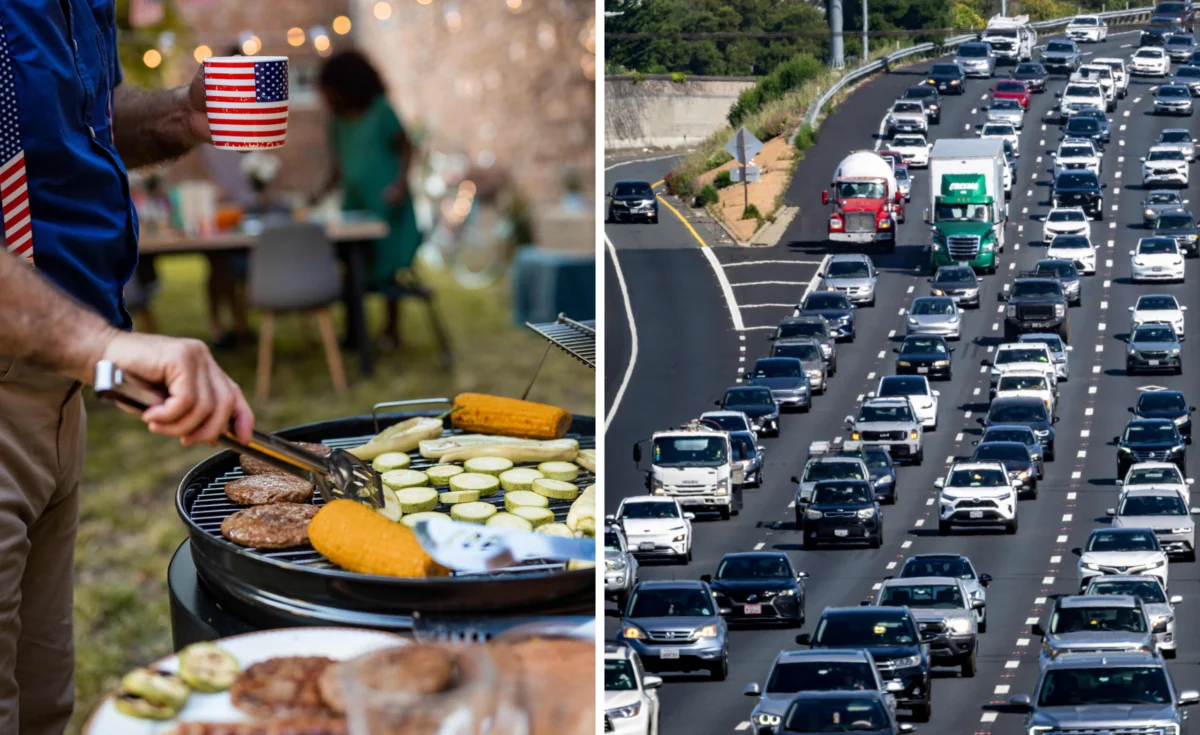
The prospect of summer barbecues and outdoor dining is becoming a more expensive proposition for American families. Shrinking cattle herds and surging fertilizer costs, exacerbated by the geopolitical tensions in the Middle East, are driving up prices for key barbecue staples. Ground beef and steaks are now as much as 16% more expensive than they were in 2025, while the cost of frankfurters has climbed by nearly 11% over the past year.
The inflation extends to other picnic essentials as well. Tomatoes, a staple for many summer dishes, are running shoppers close to 40% more expensive than a year ago. Lettuce prices have also seen a significant increase, rising by approximately 8% during the same period. Even common toppings like spices, seasonings, condiments, and sauces are experiencing price hikes, climbing almost 4%. For those with a sweet tooth, the cost of desserts like cakes, cupcakes, and cookies has increased by just over 5% compared to last year.
The beverage sector is also feeling the inflationary pressure. Carbonated drinks are 3.7% more expensive than a year ago, while coffee prices have experienced a dramatic surge of more than 18%. Even beer, which has seen a recent demand slowdown according to industry data, has not been immune, with prices rising by 2.2%. These cumulative increases across food and beverage categories mean that stocking up for holiday gatherings will undoubtedly require a larger outlay of cash.
The current situation with food prices can be traced back to a confluence of factors, including ongoing supply chain disruptions, adverse weather patterns affecting agricultural output in various regions, and the direct impact of the Iran War on global commodity markets. The conflict has disrupted shipping routes and led to increased uncertainty, driving up the cost of essential inputs for food production, such as fertilizers and fuel. The shrinking cattle herds are a longer-term issue stemming from drought conditions and increased operational costs for ranchers, further tightening supply and pushing up prices for beef.
Travel Costs Spike as Geopolitical Tensions Disrupt Oil Markets
As millions of Americans prepare to embark on travel this Memorial Day weekend, they will be met with significantly higher transportation costs. The war in the Middle East has triggered a sharp increase in oil prices, which directly translates to more expensive gasoline and jet fuel. This surge in fuel costs is a primary driver of the elevated prices consumers are facing for various travel options.
According to AAA, an estimated 45 million Americans are planning to travel at least 50 miles from home over the holiday period. This represents a 0.4% increase from the peak travel numbers set last year, indicating a strong desire for travel despite the economic challenges. Of these travelers, more than 39 million are expected to journey by car, highlighting the continued reliance on personal vehicles for holiday getaways.
Federal data reveals a startling increase in gasoline prices, which have soared more than 28% year over year. As the holiday weekend approaches, the average price for a gallon of unleaded gas nationally has reached its highest point in four years, according to AAA. This sharp rise means that filling up the family car will represent a significantly larger portion of holiday budgets.
"The holiday weekend poses extra financial challenges this year," stated Kimberly Palmer, a personal finance expert at NerdWallet. "Memorial Day weekend is traditionally a time for a lot of driving, which means consumers are searching for ways to save at the pump or cut back other areas of their budget to compensate for the higher gas prices." Her advice underscores the difficult choices many families will have to make to manage their holiday spending.
The impact of rising fuel costs is not limited to road travel. Airline fares have also surged, climbing 20.7% from April 2025 to April 2026. This has pushed air ticket prices to their highest level since 2022. Airlines have cited soaring jet fuel costs, a direct consequence of Iran’s actions in closing the Strait of Hormuz – a critical passageway for global crude oil – as the primary reason for these fare increases. The need to pass on these higher operational costs to consumers is a stark reminder of how geopolitical events can directly affect the travel plans of individuals.
The situation was further complicated by the recent shuttering of Spirit Airlines’ operations earlier this month, a decision attributed by the company to costlier jet fuel. Industry analysts suggest that without the budget carrier in the market, ticket prices could see further upward pressure. This consolidation in the airline industry, coupled with rising fuel expenses, creates a less competitive and more expensive landscape for air travelers.
Beyond transportation, accommodation costs are also on the rise. Hotels, motels, and other forms of lodging away from home will cost consumers 4.3% more than they did 12 months prior. This means that even once travelers reach their destinations, the expense of staying there will also be higher.
A recent Bank of America survey sheds light on how consumers are responding to these increased travel costs. Approximately 30% of respondents indicated that they would not alter their summer travel plans despite the higher gas prices. However, around one in five admitted they planned to curb their vacation spending or opt for destinations closer to home. This suggests a bifurcated response, with some travelers determined to proceed with their original plans, while others are actively seeking ways to economize.
Recreation and Leisure Activities Also Impacted by Inflation
The inflationary pressures are not confined to essential goods and travel; even leisure and recreational activities are becoming more expensive. Americans opting for staycations or seeking entertainment closer to home will also find their budgets stretched.
The cost of tickets for movies, theaters, and concerts has jumped by 5.5% from a year ago, making cultural outings a more significant financial commitment. While sporting event tickets have seen a surprising decrease of 10% in the same timeframe, suggesting potential oversupply or shifting consumer demand in that specific sector, this isolated decline does little to offset the broader trend of rising costs for other forms of entertainment.
For those looking to engage in outdoor activities or hobbies, prices are also on the upswing. The price tags on bicycles and other sporting vehicles are 4.3% higher than a year ago. Similarly, individuals planning to undertake home improvement projects or indulge in gardening will find that supplies such as tools and hardware have increased by 5%. Indoor plants or flowers are also more expensive, showing a 6% price increase over the past year. These incremental cost increases across various recreational pursuits can add up, impacting disposable income and leisure spending.
The persistent inflation across such a wide array of goods and services is a direct reflection of the complex economic environment U.S. consumers are navigating. The war in Iran, with its disruptive impact on global energy markets and supply chains, has acted as a significant catalyst, exacerbating existing inflationary pressures. As the summer season unfolds, households will likely face difficult decisions about how to allocate their budgets, potentially leading to shifts in spending patterns and a greater emphasis on value and cost-saving measures. The economic fallout from geopolitical events continues to be felt acutely at the consumer level, shaping holiday plans and everyday spending habits.
