

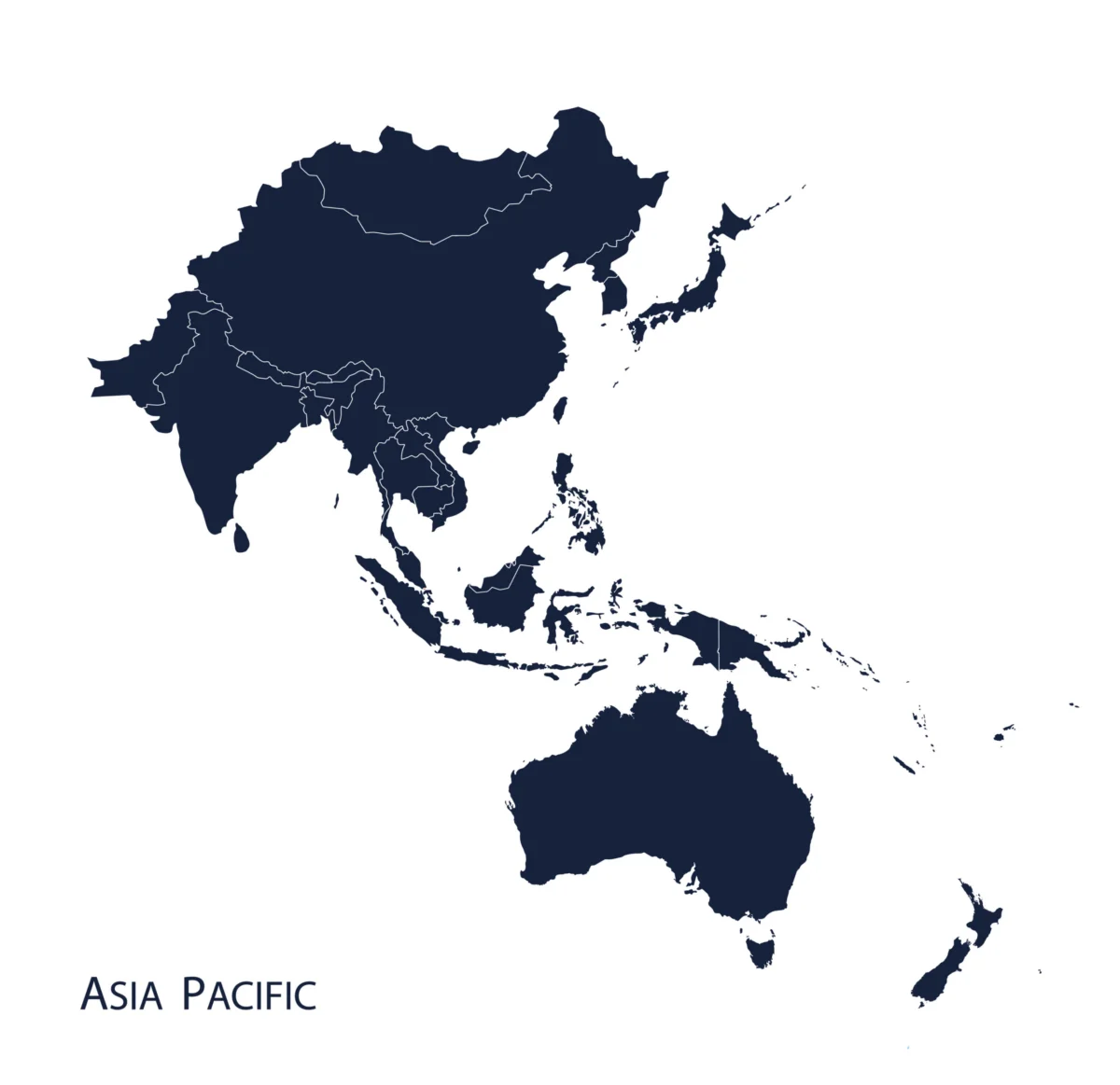
The imperative for boards and investment committees across the Asia-Pacific (APAC) region to transcend a singular focus on short-term profit maximization and embrace a model of strategic stewardship has never been more critical. In an era defined by a complex and increasingly fragmented geopolitical environment, companies must foster resilience alongside growth, a paradigm shift that necessitates a fundamental evolution in corporate governance. This evolving landscape, characterized by rapid technological adoption, significant demographic shifts, and deep economic interdependence, is now juxtaposed against rising protectionist sentiments, persistent supply chain vulnerabilities, and intensifying geopolitical rivalries. For leadership teams, the challenge is to bridge existing education gaps, integrate sophisticated systems thinking, and embed long-term resilience as a core tenet of corporate strategy.
The Shifting Geopolitical Tide: Fragmentation as the New Normal
The prevailing geopolitical order is no longer a stable constant but a dynamic and often unpredictable force. Boards must acknowledge that the current fragmentation is not a temporary disruption but a structural reality that will likely persist. This necessitates the adoption of governance models that prioritize adaptability, foresight, and the ability to navigate ambiguity. The consequences of failing to recognize this shift can be severe, leading to misaligned strategies, missed opportunities, and an inability to respond effectively to unforeseen crises.
Timeline of Shifting Geopolitical Influences in APAC:
- Early 2000s – Mid-2010s: A period of relative global integration, characterized by expanding trade agreements and a focus on economic liberalization within APAC.
- Mid-2010s onwards: A discernible shift towards increased nationalism and protectionism globally, impacting trade policies and international relations.
- Late 2010s – Present: Escalation of geopolitical tensions, including trade disputes, regional rivalries, and the increasing weaponization of economic interdependence. The COVID-19 pandemic further exposed and exacerbated supply chain fragilities, accelerating a reevaluation of globalized production models.
This evolving context means that traditional risk management frameworks, often focused on discrete, identifiable threats, are insufficient. Boards must adopt a more holistic approach, understanding how interconnected global events can trigger cascading effects across their operations and markets.
Bridging the Governance Education Gap
A significant challenge within many APAC boards is the uneven level of governance literacy, particularly concerning critical areas such as environmental, social, and governance (ESG) factors, the pace of digital transformation, and the multifaceted nature of geopolitical risk. Effective leadership in this environment demands continuous learning and a commitment to developing a deeper understanding of these complex issues.
Key Areas Requiring Enhanced Board Education:
- Sustainability and ESG Integration: Moving beyond compliance to strategic integration, understanding how ESG factors impact long-term value creation, risk management, and stakeholder relations. This includes grasping the nuances of climate risk, human capital management, and ethical supply chains.
- Digital Transformation and Cybersecurity: Comprehending the strategic implications of emerging technologies, the evolving threat landscape of cyber risks, and the governance structures needed to oversee digital innovation and data protection.
- Geopolitical Risk Analysis: Developing sophisticated capabilities to assess and respond to geopolitical shifts, understanding how international relations, trade policies, and regional conflicts can impact business operations, market access, and investment decisions.
- Systems Thinking: Cultivating an understanding of interconnectedness and feedback loops within complex systems, enabling boards to anticipate second-order effects and unintended consequences of strategic decisions.
Education in these domains should not be a one-off exercise but an ongoing, iterative process. Boards that fail to invest in the continuous professional development of their directors risk being caught off guard by systemic shocks. For instance, a lack of understanding regarding evolving data privacy regulations in key markets could lead to significant compliance failures and reputational damage. Similarly, an inadequate grasp of the geopolitical implications of international trade disputes can result in abrupt market access limitations or the need for costly supply chain realignments.
The Power of Systems Thinking in the Boardroom
The prevalent tendency for boards to view issues in isolation – a practice often referred to as "siloed thinking" – can lead to suboptimal decision-making and an inability to anticipate the broader consequences of strategic choices. Systems thinking offers a powerful corrective by fostering an understanding of how economic, social, environmental, and political factors are intrinsically interconnected and influence one another.
Illustrative Applications of Systems Thinking:
- Supply Chain Resilience: Recognizing that a geopolitical dispute in one region (political factor) can trigger increased raw material costs (economic factor), leading to labor unrest in manufacturing hubs (social factor) and potentially hindering the adoption of sustainable sourcing practices (environmental factor).
- Technological Adoption: Understanding that the rapid adoption of artificial intelligence (economic/technological factor) can lead to significant workforce displacement (social factor), requiring proactive reskilling initiatives and potentially influencing government policy on automation (political factor).
- Climate Change Mitigation: Comprehending that stringent climate regulations in one major market (environmental/political factor) can impact the competitiveness of companies operating in less regulated regions (economic factor), necessitating global strategic adjustments and potentially influencing consumer demand (social factor).
By embracing systems thinking, boards can move beyond reactive problem-solving to proactive anticipation. This enables them to identify potential risks and opportunities that might otherwise remain invisible and to design strategies that are more robust and adaptable to complex, interconnected challenges. For example, a board that understands the systemic links between water scarcity, agricultural output, and geopolitical stability might proactively invest in water-efficient technologies or diversify its agricultural supply chains, thereby mitigating future risks.
Balancing Growth with Enduring Resilience
The allure of rapid growth, particularly in the dynamic and fast-paced APAC markets, can sometimes overshadow the imperative for long-term resilience. Stewardship, however, demands that boards strike a delicate balance between maximizing immediate shareholder returns and fostering sustainable value creation that can withstand economic downturns, environmental crises, and geopolitical upheavals.
The Interplay of Growth and Resilience:
- Resilience as a Precondition for Sustainable Growth: In a volatile world, resilience is not merely a protective measure but a fundamental prerequisite for sustained growth. Companies that are brittle and unable to adapt are more likely to falter during periods of disruption, thereby hindering their long-term growth potential.
- Diversification as a Resilience Strategy: Diversifying revenue streams, geographic markets, and supply chain partners can significantly enhance a company’s ability to absorb shocks. This proactive approach reduces dependence on any single market or supplier.
- Investing in Human Capital: A resilient organization is one with a skilled, adaptable, and engaged workforce. Investing in employee training, well-being, and fostering a culture of continuous learning are crucial for navigating change.
- Financial Prudence: Maintaining a strong balance sheet, managing debt prudently, and having access to adequate liquidity provide a buffer against unforeseen financial pressures.
The temptation of short-term gains can lead to decisions that undermine long-term resilience. For instance, prioritizing cost-cutting measures by consolidating manufacturing in a single, low-cost location might enhance immediate profitability but creates significant vulnerability to supply chain disruptions or geopolitical sanctions. A stewardship-focused board would weigh these short-term benefits against the long-term risks and explore more diversified and resilient operational models.
Practical Steps for APAC Boards and Investment Committees
To effectively navigate the contemporary challenges, boards and investment committees in APAC should consider implementing the following practical steps:
- Enhance Board Composition and Expertise: Actively seek directors with diverse backgrounds, including expertise in geopolitical analysis, sustainability, technology, and international relations. Consider the inclusion of individuals with experience in navigating complex regulatory environments and emerging markets.
- Mandate Continuous Education and Training: Implement a structured program for ongoing director education focusing on evolving risks and strategic imperatives, such as ESG integration, cybersecurity governance, and geopolitical foresight. This should include scenario planning exercises and tabletop simulations.
- Integrate Systems Thinking into Strategy Development: Foster a culture that encourages the use of systems thinking frameworks in strategic planning and risk assessment. This can involve dedicated workshops, the use of advanced analytical tools, and encouraging interdisciplinary dialogue.
- Develop Robust Scenario Planning Capabilities: Move beyond traditional risk matrices to develop comprehensive scenario planning frameworks that explore a range of plausible futures, including low-probability, high-impact events. These scenarios should inform strategic decision-making and contingency planning.
- Embed Resilience Metrics into Performance Evaluation: Integrate key resilience metrics (e.g., supply chain diversification, cybersecurity posture, workforce adaptability) into the performance evaluation frameworks for management and potentially for the board itself.
- Foster Stakeholder Engagement: Proactively engage with a broader range of stakeholders, including employees, customers, suppliers, and communities, to gain insights into emerging risks and build stronger, more resilient relationships.
- Strengthen Cybersecurity and Data Governance: Given the increasing reliance on digital infrastructure and the growing threat of cyberattacks, boards must ensure robust oversight of cybersecurity strategies, data protection policies, and incident response plans.
- Prioritize Long-Term Value Creation: Shift the focus from quarterly earnings to sustainable, long-term value creation. This involves clearly articulating the company’s purpose, its commitment to stakeholders, and its strategy for navigating complex global challenges.
Supporting Data and Analysis:
Recent studies highlight the increasing importance of these factors. According to a 2023 report by the World Economic Forum, the top global risks identified for the next decade include climate action failure, extreme weather, biodiversity loss, and geopolitical fissures. In APAC, specific vulnerabilities related to supply chain disruptions have been acutely felt. For instance, the semiconductor shortage, exacerbated by geopolitical tensions and pandemic-related disruptions, impacted numerous industries across the region, demonstrating the interconnectedness of global commerce and the need for diversified sourcing strategies. Furthermore, the increasing regulatory focus on ESG disclosures by bodies such as the Securities and Exchange Commission (SEC) in the US and the European Union’s Corporate Sustainability Reporting Directive (CSRD) signals a global shift that APAC companies must proactively address to maintain international competitiveness and investor confidence.
Implications for Investment Committees:
Investment committees face similar pressures. Traditional asset allocation models may need re-evaluation to account for heightened geopolitical risk premiums, the impact of climate change on asset valuations, and the growing importance of ESG factors in investment decisions. Understanding the long-term resilience of companies and sectors will be paramount in navigating market volatility and identifying sustainable investment opportunities. This might involve increasing allocations to industries that are inherently more resilient or investing in companies that demonstrate strong ESG credentials and robust risk management practices.
Stewardship as the New Leadership Standard
In an era defined by geopolitical fragmentation, short-termism is a luxury that APAC boards can no longer afford. The future belongs to those who embrace stewardship – a governance approach that is informed, interconnected, and fundamentally resilient. By actively bridging education gaps, integrating sophisticated systems thinking, and prioritizing the delicate balance between growth and long-term resilience, boards and investment committees across Asia can not only safeguard enterprise value but also contribute significantly to regional stability and sustained prosperity.
Stewardship is not a passive stance; it is an active, deliberate leadership choice. The challenge for APAC boards is immense, but so is the profound opportunity to redefine the very essence of corporate governance for a new era, setting a precedent for responsible and sustainable business practices on a global scale. This evolution is not merely about mitigating risk; it is about unlocking new avenues for innovation, building stronger stakeholder relationships, and ultimately, creating enduring value in an increasingly complex world.
About the Contributor:
Nick Pollard, Managing Director, APAC at CAIA Association, brings over 15 years of international finance experience in the APAC region. His current role focuses on driving the CAIA Association’s expansion within this critical market, leveraging his expertise in business development and his dedication to nurturing the next generation of finance professionals. Prior to his current position, Pollard served for seven years as Managing Director for the CFA Institute in APAC, where he cultivated strong relationships with institutional partners, employers, universities, and regulators. His career also includes significant leadership roles at The Royal Bank of Scotland’s Coutts Asia division, where he held the positions of CEO and Head of International Learning and Professional Development for Coutts International. He began his career at NatWest Group, developing skills in marketing and talent development. Having lived and worked in APAC for nearly two decades, Pollard is uniquely positioned to observe and analyze the region’s economic and demographic shifts. He holds a B.A. from University College, London.
To learn more about the CAIA Association and its role in shaping the future of investing, please visit https://caia.org/. This article’s insights are further elaborated in CAIA’s latest report, "The World Rewired," which explores the key ideas and their genesis.
