

Matteo Tonello, Head of Data Benchmarking and Analytics at The Conference Board, Inc., offers insights into the evolving world of corporate citizenship, drawing from a comprehensive report developed in partnership with ESGAUGE. This analysis, authored by Principal Researcher Andrew Jones, principal researcher at The Conference Board’s Governance & Sustainability Center, examines how companies are adapting their citizenship and philanthropy strategies in response to a dynamic economic, policy, and reputational environment. The report is based on a recent survey of 70 corporate citizenship leaders, providing a detailed look at the adjustments being made to budgets, priorities, partnerships, and capabilities.
Corporate Citizenship: A Strategic Pillar Amidst Shifting Tides

Corporate citizenship, often synonymous with corporate social responsibility (CSR), represents a fundamental business practice where companies actively contribute to community and societal well-being. This engagement typically manifests through philanthropic initiatives, employee volunteering programs, and strategic partnerships with non-profit organizations. While often spearheaded by dedicated corporate citizenship teams or affiliated foundations, the responsibilities related to these efforts are frequently distributed across various departments within a company, reflecting an increasingly integrated approach to social impact.
The year 2026 presents a complex backdrop for corporate citizenship initiatives. Entering the year, the global economic landscape was characterized by moderate Gross Domestic Product (GDP) growth in 2025, bolstered by resilient consumer demand, robust corporate earnings, and supportive fiscal policies. However, this optimism was tempered by a slowdown in job growth, emerging tariff headwinds, persistent cost pressures, and a general sense of policy uncertainty. It is against this backdrop of nuanced economic conditions that corporate citizenship leaders are recalibrating their strategies.
Budgetary Adjustments and Resource Allocation in 2026
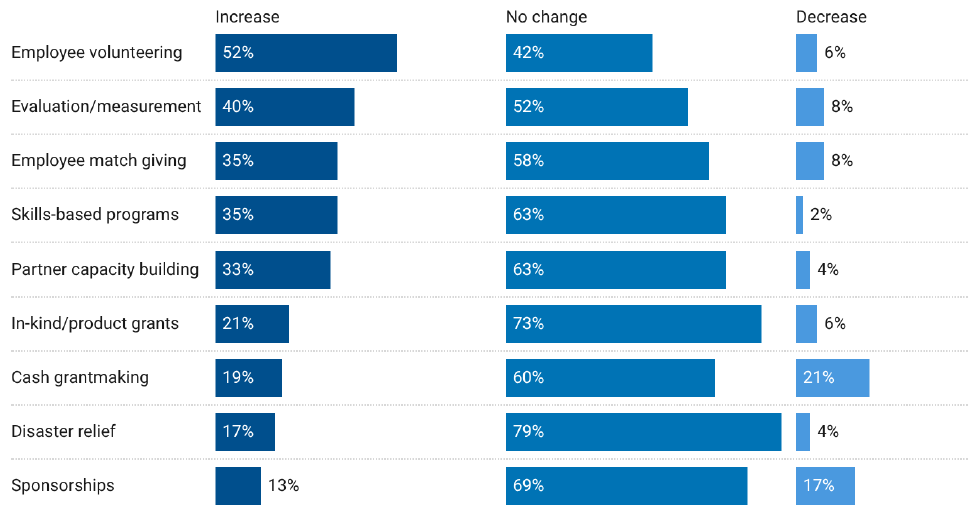
A significant finding from The Conference Board’s survey reveals that while most corporate citizenship activities are experiencing stable resource allocations, a notable trend is the anticipated increase in spending dedicated to employee volunteering initiatives. This projection is supported by the fact that 57% of respondents anticipate an increase in employee volunteering and engagement in 2026, with a mere 5% expecting a decline. This emphasis on people-centric engagement activities, such as employee volunteering and matched giving programs, offers a compelling advantage: it requires limited incremental cash outlay while simultaneously generating visible community presence and demonstrably enhancing employee engagement and retention. This alignment underscores a broader shift in workforce dynamics, highlighting the imperative for closer integration between corporate citizenship functions and human resources departments as companies increasingly leverage community engagement as a tool to foster connection, purpose, and employee loyalty.
Conversely, cash grantmaking appears to be facing greater downside risk. The survey indicates that more organizations planned to decrease their cash grants (21%) than increase them (19%). A similar pattern is observed for sponsorships, with 17% of respondents anticipating resource reductions in this area. This trend likely stems from heightened budget discipline, amplified economic uncertainty, and a growing demand for clear articulation of how philanthropic efforts directly connect to core business objectives. In this evolving environment, corporate citizenship leaders are encouraged to shift the narrative from "how much we give" to a more strategic focus on "where we focus," "how effectively we execute," "what risks we mitigate," and "what organizational capabilities we build."
The Impact of New Tax Legislation on Corporate Giving
A pivotal new factor influencing corporate citizenship budgets in 2026 is a significant amendment to the U.S. tax code, enacted as part of the 2025 budget reconciliation bill. This legislation, which took effect at the beginning of 2026, fundamentally alters the framework for charitable deductions. Previously, corporations could deduct aggregate charitable contributions up to 10% of their taxable income. While this overall cap remains in place, the new legislation stipulates that only charitable contributions exceeding 1% of taxable income are now eligible for deduction.
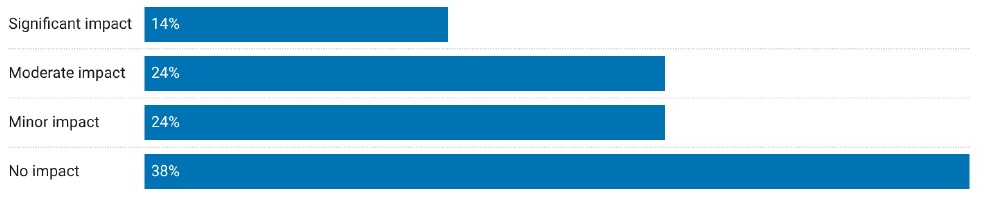
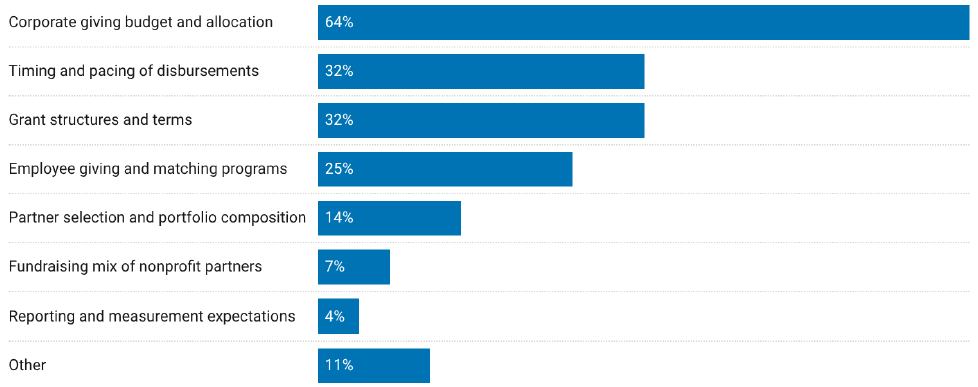
The survey results suggest that the impact of this new 1% floor, while real, is expected to be manageable. Only 14% of respondents anticipate a "significant impact" on their corporate citizenship resources and strategy for 2026. The most common response points towards a tighter allocation of giving budgets, reflecting a broader trend of increased capital discipline around non-core spending. Approximately one-third of respondents also anticipate adjustments to the "timing and pacing of disbursements." This includes closer attention to the distinction between when grants are booked versus when they are paid, a greater utilization of multi-year commitments, and more deliberate smoothing or deferral of grants to strategically manage deductibility.
In navigating this adjusted policy environment for corporate philanthropy, citizenship leaders are advised to consider a reassessment of their portfolio design. This may involve consolidating or prioritizing giving where appropriate, and ensuring early and consistent alignment with legal, tax, and finance teams throughout the planning cycle. Practical responses could include an increased reliance on multi-year or milestone-based grants, the development of clearer rationales for cash giving that are directly tied to business objectives, and, in some instances, a strategic reevaluation of the balance between corporate-led giving and foundation-based philanthropy.
Shifting Priorities: Focusing on Economically Grounded Needs
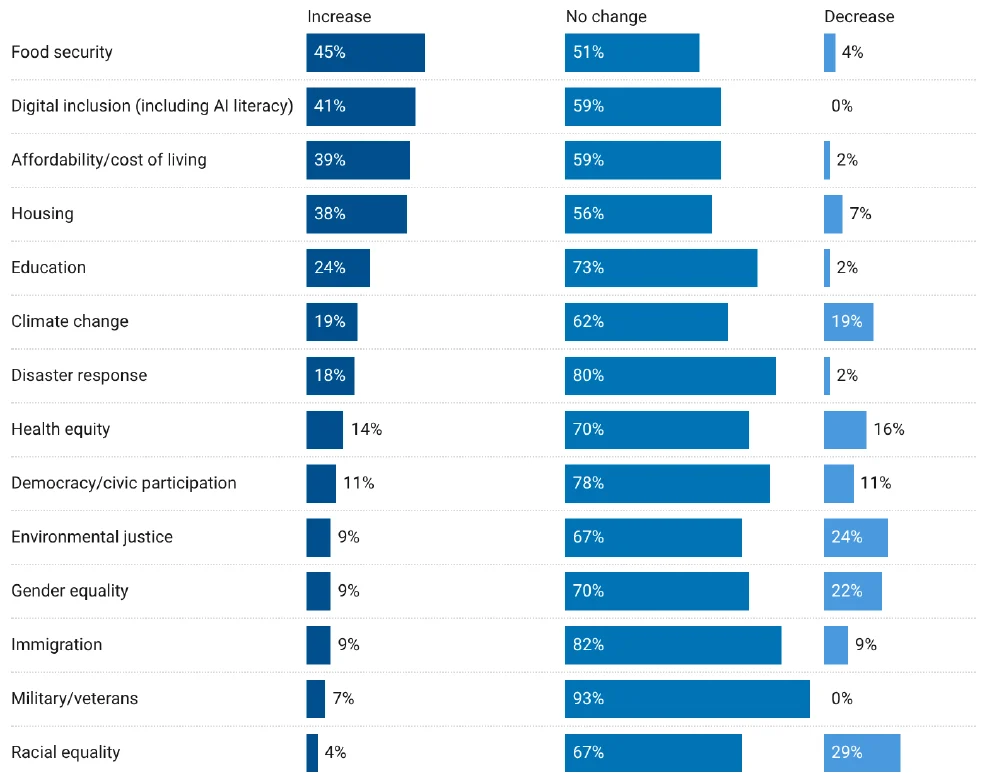
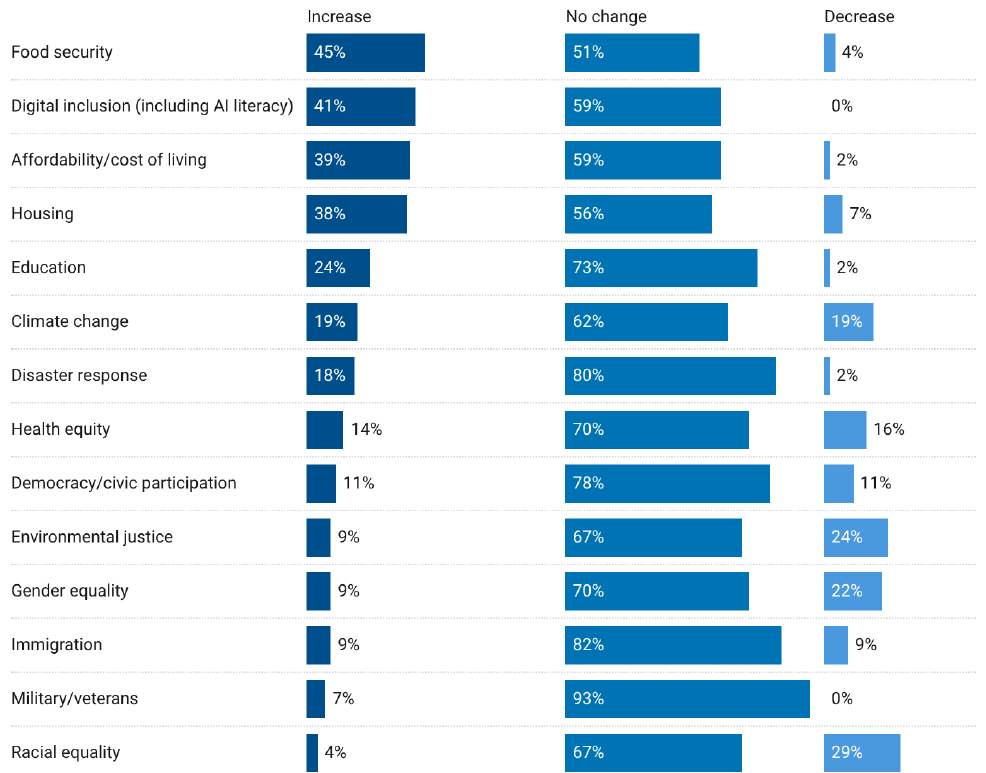
When examining priority thematic issues for 2026, survey data indicate a clear reorientation of corporate citizenship efforts. The focus is shifting towards addressing broadly shared, economically grounded needs, rather than an expansion of the scope of existing programs. Increases in emphasis are concentrated in areas such as "food security," "digital inclusion (including AI literacy)," "affordability/cost of living," and "housing." These themes are intrinsically linked to everyday economic pressures, workforce stability, and long-term economic participation. They are widely understood and supported by employees, communities, and internal leadership, and generally face low political or legal risk. Furthermore, these areas align closely with core business concerns, including talent acquisition and retention, productivity, and the stability of local operating conditions. The majority of other thematic areas reported "no change," reinforcing the observation that companies are primarily prioritizing within their existing portfolios rather than embarking on new thematic ambitions.
Conversely, the steepest net declines in emphasis are observed in areas that have faced heightened political, legal, or reputational scrutiny. These include "racial equality," "gender equality," "environmental justice," and "health equity." "Climate change" occupies a transitional position, with similar proportions of respondents planning increases and decreases. Overall, this pattern reflects a pragmatic approach to portfolio management within a more constrained environment. Companies are favoring themes that offer clearer, more defensible value while strategically reducing public emphasis on issues that carry greater external risk.
The Ascendancy of "Affordability" as a Strategic Frame
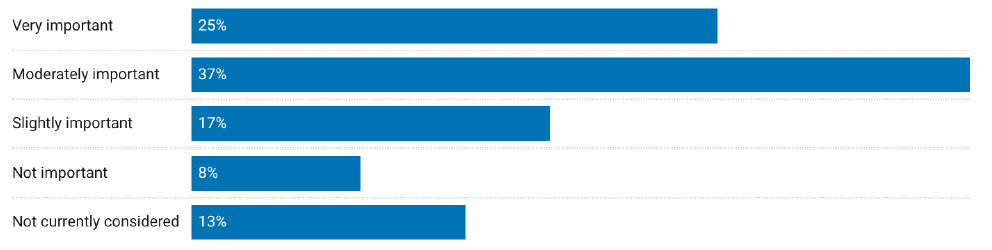
Notably, "affordability" has emerged as a critical organizing framework for many corporate citizenship strategies in 2026. Defined within the survey as the rising cost of living—encompassing housing, food, healthcare, childcare, transportation, and other essential expenses—and its impact on community needs and citizenship priorities, this theme resonates deeply. Nearly two-thirds of respondents (62%) rated affordability as "very" or "moderately" important, while only 21% considered it unimportant or out of scope.
This intensified focus on affordability is driven by a confluence of internal strategic priorities and external economic conditions. Cost-of-living pressures, coupled with evolving federal and state approaches to social spending and safety-net programs, are significant external drivers. Internally, the concept of affordability has become a widely resonant and non-ideological entry point for engagement on critical issues such as food access, housing stability, and essential services. These are areas where public systems are under strain, and where private-sector capabilities can play a constructive role.
However, the growing political resonance of affordability, particularly as it is expected to be a prominent theme in the upcoming midterm elections, also introduces a risk of these efforts being perceived as taking sides. This underscores the importance of grounding citizenship initiatives in business relevance and operational context. Companies are encouraged to focus on how affordability issues affect their own operations, the well-being of their employees, and the resilience of the communities in which they operate, rather than engaging in broader policy advocacy or commentary.
Nonprofit Ecosystem Resilience: A Growing Concern
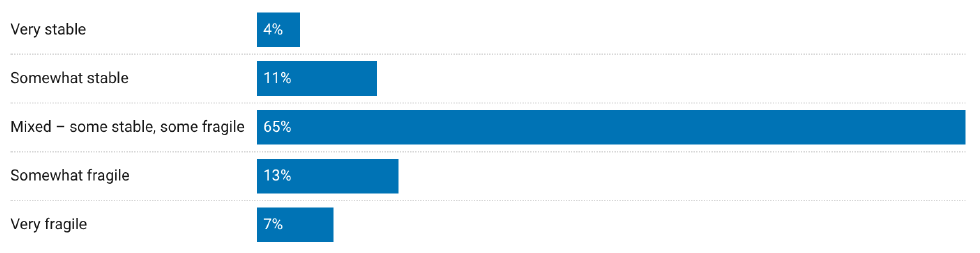
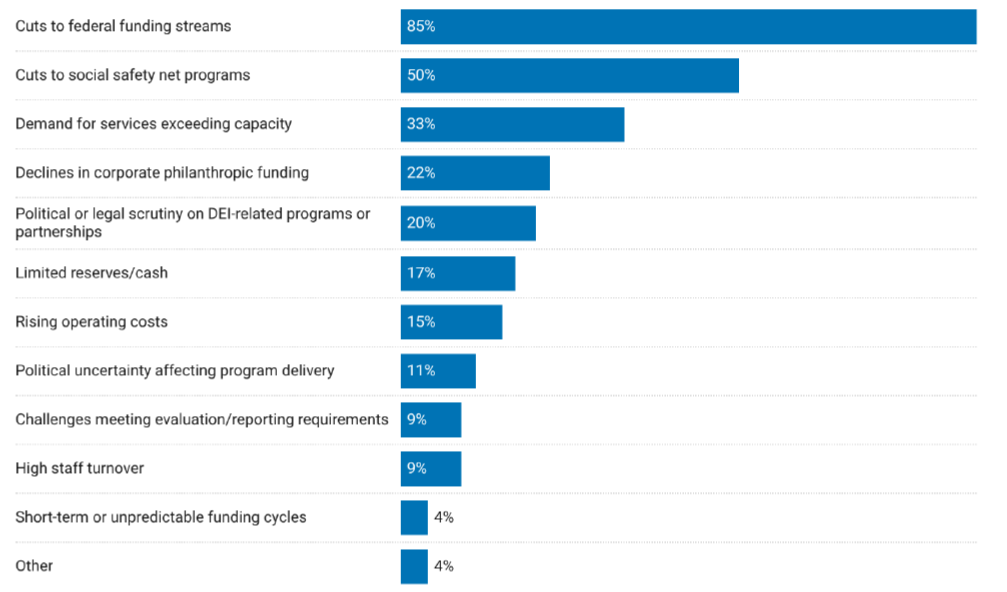
Corporate citizenship initiatives are heavily reliant on non-profit organizations as primary delivery channels and implementing partners. However, the U.S. non-profit sector is facing significant strain as it enters 2026. Many organizations are operating with limited financial buffers, and a majority of corporate citizenship leaders described their portfolios of non-profit partners as exhibiting uneven stress. This inherent fragility has practical implications for program execution. A substantial 63% of respondents expressed concern that non-profit capacity constraints could impede their ability to achieve citizenship goals, although only 13% indicated they were "very concerned."
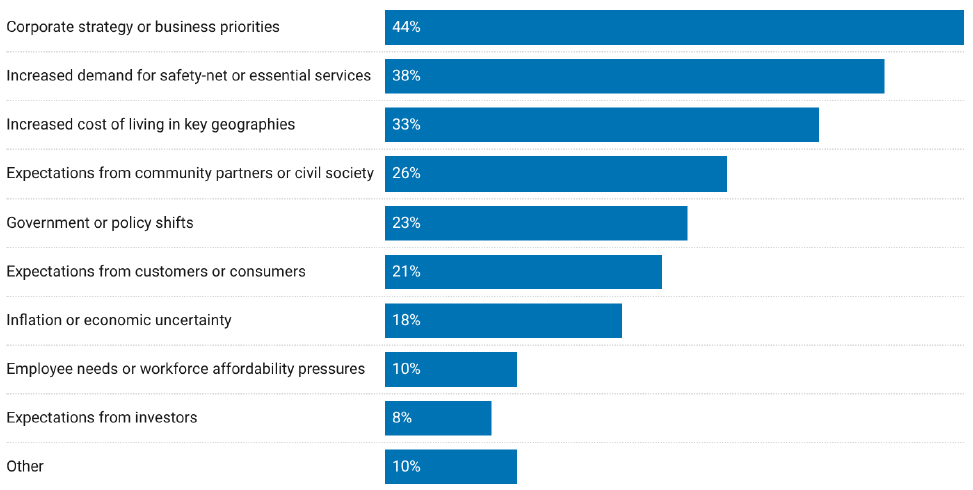
The primary drivers contributing to this non-profit fragility are strongly attributed to government funding cuts and reductions in social safety net programs. This includes recent reductions in funding for Community Development Block Grants, Title I education funding, and various Department of Health and Human Services programs. As public funding contracts, non-profits are confronting simultaneous revenue shocks and escalating demand for their services, particularly in critical sectors such as health, food, housing, and human services. This precarious situation necessitates that corporate citizenship leaders explore strategies to support their non-profit partners, potentially through increased funding, capacity-building initiatives, or more strategic partnerships.
Internal and External Barriers to Corporate Citizenship
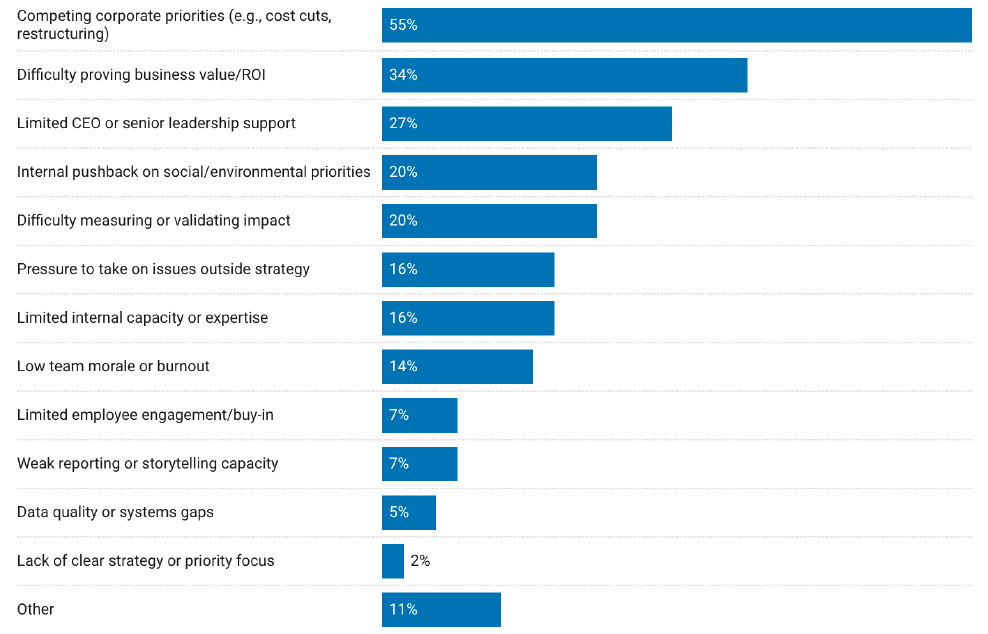
Corporate citizenship leaders identified a range of potential impediments to achieving their goals in 2026. Internally, the most significant challenge cited was "competing corporate priorities" (55%), a reflection of tighter capital discipline and crowded executive agendas. Close behind were "difficulty proving business value or ROI" (34%) and "limited CEO or senior leadership support" (27%). These responses suggest an increasing demand for rigorous justification of citizenship programs, articulated in clear business terms. Notably, issues such as unclear strategy (2%) or data system gaps (5%) ranked low, indicating that many teams possess a clear vision but are constrained by bandwidth, the need for compelling proof points, and internal trade-offs.
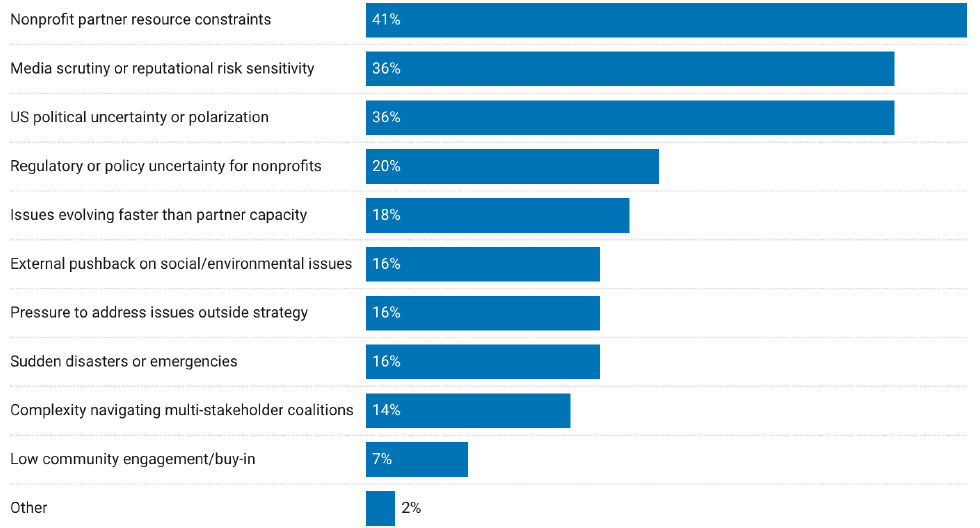
Externally, the barriers are more structural and volatile. "Nonprofit partner resource constraints" (41%) emerged as the leading obstacle, consistent with earlier findings on non-profit fragility. "Media scrutiny or reputational risk sensitivity" and "U.S. political uncertainty or polarization" (36% each) followed, reinforcing the growing importance of external risk management—understanding how actions are perceived and interpreted—as a critical component of program design.
Opportunities for Strategic Advancement
Against this challenging backdrop, the most significant perceived opportunities for corporate citizenship in 2026 are pragmatic and incremental. The leading opportunity, "employee engagement or skills-based volunteering" (48%), is not only culturally resonant but also relatively low-cost, highly visible, and controllable. "Stronger alignment with corporate strategy" (34%) and "leveraging corporate assets (e.g., products, expertise)" (30%) further indicate a shared objective to anchor citizenship more tightly to core business capabilities, moving away from the perception of it as a separate, discretionary activity.
Furthermore, the emphasis on "AI or tech-enabled innovation" and "collaboration with peer companies or funders" (32% each) highlights a strategic imperative to maximize impact with constrained resources and share risk. The prominence of "place-based philanthropy" and "strengthening nonprofit capacity/resilience" (27% each) aligns with previous survey findings, suggesting that companies see value in concentrating efforts geographically and stabilizing delivery partners, rather than diffusing funding across numerous issues or regions.
AI Adoption and its Role in Corporate Citizenship
The rapid integration of Artificial Intelligence (AI) across the economy is fundamentally reshaping organizational operations, decision-making processes, and resource allocation, with direct implications for corporate citizenship. Despite this potential, survey data indicate that AI adoption within citizenship teams remains in its early stages and is uneven. A majority of respondents (55%) described their current use of AI as limited and exploratory, focusing on small pilots or ad hoc tasks rather than embedding it as a core capability. Another 23% reported moderate use for internal processes or analysis, while only 18% indicated that AI was meaningfully integrated across multiple workflows. A small percentage (5%) reported no AI usage at all.
Looking ahead, the AI priorities for corporate citizenship leaders in 2026 are predominantly pragmatic and inward-facing. The top-cited focus is "AI literacy and training for staff" (50%), reflecting a clear recognition that human capability and judgment remain the primary determinants of effective AI utilization. This is followed by "data analysis or reporting automation" (39%), "enhanced measurement and evaluation tools" (30%), and "streamlining internal operations" (27%). These priorities indicate an early emphasis on leveraging AI as an internal efficiency and decision-support tool, rather than as a front-facing programmatic intervention.
Applications of AI that extend closer to communities or external stakeholders, such as "AI literacy support for nonprofit partners" (9%), "improving accessibility (e.g., translation, summarization)" (9%), "community-based organization discovery and mapping" (5%), and "supporting community-focused AI pilots or initiatives" (5%), were identified by far fewer respondents. While these applications hold transformative potential—shaping how needs are identified, partners are supported, and responses evolve in real time—they require capabilities that most teams are still developing. These include robust data foundations, trusted partnerships, clear accountability frameworks, and well-defined legal and ethical guardrails. Such applications also carry higher inherent risks, particularly concerning bias, data privacy, misuse, and reputational exposure, reinforcing a preference for building internal readiness before venturing into more visible, higher-impact applications.
Actionable Steps for Corporate Citizenship Leaders in 2026
Corporate citizenship in 2026 is entering a more mature and disciplined phase. Companies best positioned to sustain impact will be those that:
- Embrace a strategic and integrated approach: Align citizenship efforts with core business objectives, leveraging corporate assets and expertise for maximum impact.
- Prioritize employee engagement: Capitalize on the strong interest in volunteering and skills-based contributions, recognizing their dual benefits for community impact and employee development.
- Focus on core needs: Concentrate on areas such as food security, digital inclusion, and affordability, which resonate with community needs and business imperatives.
- Strengthen nonprofit partnerships: Invest in the capacity and resilience of key delivery partners, recognizing their critical role in achieving citizenship goals.
- Develop AI readiness: Prioritize internal capacity building and explore AI tools for efficiency and data-driven decision-making, preparing for future programmatic applications.
- Navigate policy and economic shifts: Proactively manage the implications of evolving tax legislation and economic pressures on philanthropic giving and strategic focus.
This article is based on corporate disclosure data from The Conference Board Benchmarking platform, powered by ESGAUGE. The report, "2026 Outlook for Corporate Citizenship and Philanthropy," published in January 2026, provides a comprehensive analysis of the current trends and future directions in corporate citizenship.
