

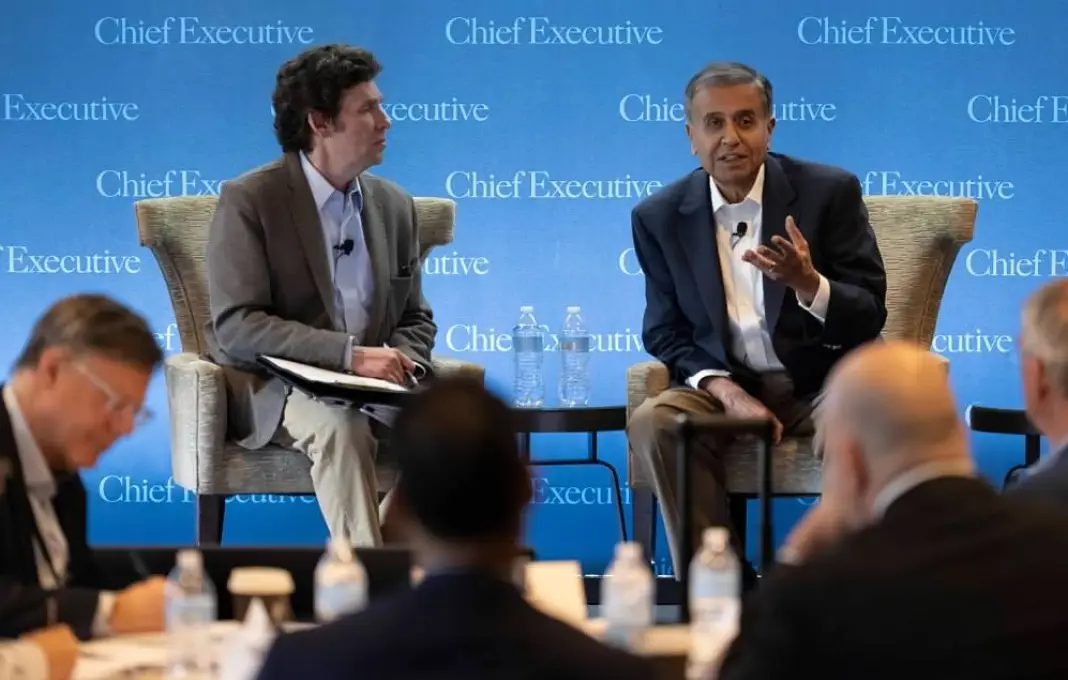
The manufacturing sector is currently navigating a complex landscape defined by fluctuating tariffs, intensified global competition from China, the rapid integration of artificial intelligence (AI), persistent margin pressures, and overarching economic uncertainty. Amidst these formidable challenges, a recent gathering of industry leaders in St. Louis has underscored a fundamental truth: the most robust and enduring competitive advantage lies not in technological innovation or cost-cutting alone, but in cultivating a highly engaged and skilled workforce. This principle, honed and championed by a cohort of St. Louis-based manufacturers, offers a compelling model for businesses seeking to thrive in the modern industrial era.
The St. Louis Model: A Blueprint for People-Centric Manufacturing
Over three intensive days in St. Louis, the 2026 Manufacturing Leadership Summit brought together executives and stakeholders to explore best practices and chart future strategies. The summit’s central revelation, as articulated by attendees and leaders alike, is that in the age of Industry 4.0, AI, and advanced automation, the human element remains the most critical differentiator. This perspective was powerfully illustrated by the success stories of companies such as Barry-Wehmiller, the Gund Company, Cambridge Air Solutions, and Wadlow Electric, all of whom opened their doors to summit participants. These organizations have not only embraced technological advancements but have fundamentally rooted their operational philosophies in a deep commitment to their people.
What has emerged from this concentrated exchange is often referred to as the "St. Louis Model." This approach posits that fostering genuine care for employees and operating a disciplined, high-performing manufacturing business are not mutually exclusive goals; rather, they are intrinsically linked and mutually reinforcing. The tangible results achieved by companies adhering to this philosophy provide compelling evidence. The Gund Company, for instance, consistently ranks within the top 2.5 percent of publicly traded companies based on key financial metrics. Cambridge Air Solutions has maintained an average net profit margin of 12 percent over the past decade and, critically, has boosted revenue per employee by an impressive 40 percent in just five years. Perhaps most striking is Gund’s regrettable turnover rate, which hovers between 1-3 percent, a stark contrast to the industry average of 45 percent. These figures are not anomalies; they represent the demonstrable impact of a deliberate, people-first strategy.
The Genesis and Evolution of a Winning Culture
The replicability of the St. Louis Model is a key takeaway from the summit. The leaders of these successful manufacturing firms are eager to share their methodologies, emphasizing that their cultures were not invented in a vacuum. Instead, they represent a continuous evolution of best practices, drawing inspiration and building upon the foundations laid by others. Steve and Rich Gund, for example, openly acknowledged that their company’s culture was benchmarked from Barry-Wehmiller, which in turn had drawn insights from other pioneering organizations, including elements of the renowned Toyota Production System. John Kramer of Cambridge Air Solutions echoed this sentiment, highlighting a similar lineage of learning and adaptation.
This iterative process of improvement, rooted in a people-centric philosophy, manifests in concrete operational practices. Key components of the St. Louis Model playbook include:
- Daily All-Company Stand-Up Meetings: These regular, brief gatherings foster transparency, alignment, and a sense of shared purpose across all levels of the organization. They provide a platform for rapid communication of priorities, challenges, and successes.
- Structured Listening Programs: Companies actively solicit and act upon employee feedback through formalized channels. This demonstrates a commitment to understanding the needs and concerns of the workforce, fostering a culture of trust and continuous improvement.
- Frontline-Owned Continuous Improvement Time: Empowering employees on the shop floor to dedicate 30 minutes each day to identifying and implementing process improvements is a cornerstone of this model. This not only drives efficiency but also instills a sense of ownership and agency.
- Servant Leadership Training for Managers: Investing in training that emphasizes serving the needs of the team, fostering growth, and removing obstacles for employees is paramount. This shifts the managerial focus from command and control to support and enablement.
- Individual Development Conversations: These discussions prioritize an employee’s long-term aspirations, starting with "Where do you want to be in five years?" rather than focusing solely on performance ratings. This proactive approach to career development fosters loyalty and engagement.
As Rich Gund aptly stated, "You’re not going to produce a product by a bunch of random acts. You have to build processes and systems." This principle, he reminded attendees, applies equally to building a robust organizational culture. The St. Louis Model is not an accidental byproduct; it is a meticulously engineered system designed to cultivate both operational excellence and a thriving human capital base.
Navigating the Currents of Economic Uncertainty
The insights gleaned from the St. Louis manufacturing community are particularly relevant as businesses grapple with the current economic climate. The confluence of geopolitical tensions leading to tariffs, the ongoing strategic competition with China, the disruptive potential of AI, and the ever-present threat of margin erosion necessitates a resilient and adaptable operational framework. The St. Louis Model offers a compelling pathway through these turbulent waters by emphasizing the foundational strength of a well-supported and engaged workforce.
The summit provided a platform for a broader discussion on how these principles can be applied across diverse manufacturing sub-sectors. Representatives from various industries shared their experiences and sought to understand the transferable elements of the St. Louis approach. The underlying message is that while the specific challenges may vary, the fundamental importance of human capital remains constant.
Supporting Data and Broader Context
The manufacturing sector has historically been a bellwether for economic health. In recent years, it has faced significant headwinds. According to the U.S. Bureau of Labor Statistics, manufacturing employment has seen fluctuations, and productivity gains have been a key focus for maintaining competitiveness. The adoption of advanced manufacturing technologies, including AI and automation, is projected to continue, with reports from organizations like the National Association of Manufacturers highlighting the need for a skilled workforce to leverage these innovations effectively.
The companies showcased in St. Louis are not merely illustrating a theoretical concept; they are demonstrating its practical efficacy. The sustained financial performance of Gund and Cambridge Air Solutions, coupled with their exceptionally low turnover rates, offers a compelling case study. High employee retention translates directly into reduced recruitment and training costs, increased institutional knowledge, and a more stable and productive workforce. The financial implications of a 45 percent industry average turnover versus a 1-3 percent rate are substantial, directly impacting a company’s bottom line and its capacity for strategic investment.
Implications for the Future of Manufacturing
The St. Louis Model’s emphasis on treating employees as the most valuable asset has profound implications for the future of manufacturing. As AI and automation become more prevalent, the human role will likely shift towards tasks requiring creativity, critical thinking, problem-solving, and complex decision-making. A highly engaged and well-trained workforce is precisely what is needed to excel in these evolving roles.
Furthermore, in an era where supply chain disruptions and geopolitical instability are increasingly common, companies with strong internal cultures and loyal workforces are often more resilient. They are better equipped to adapt to unforeseen challenges, innovate in response to market shifts, and maintain operational continuity. The "people-first" approach fosters a sense of shared responsibility and commitment that can be invaluable during times of crisis.
The insights from St. Louis suggest a paradigm shift: moving away from viewing employees as a cost center and towards recognizing them as a strategic investment. Companies that embrace this philosophy are not only building more humane workplaces but are also constructing more sustainable and competitive enterprises for the long term. The summit served as a powerful reminder that in the relentless pursuit of progress, the most tried and true method of ensuring a competitive edge remains the cultivation of great, engaged people. The St. Louis Model provides a clear, actionable, and proven path for achieving this critical objective.
