

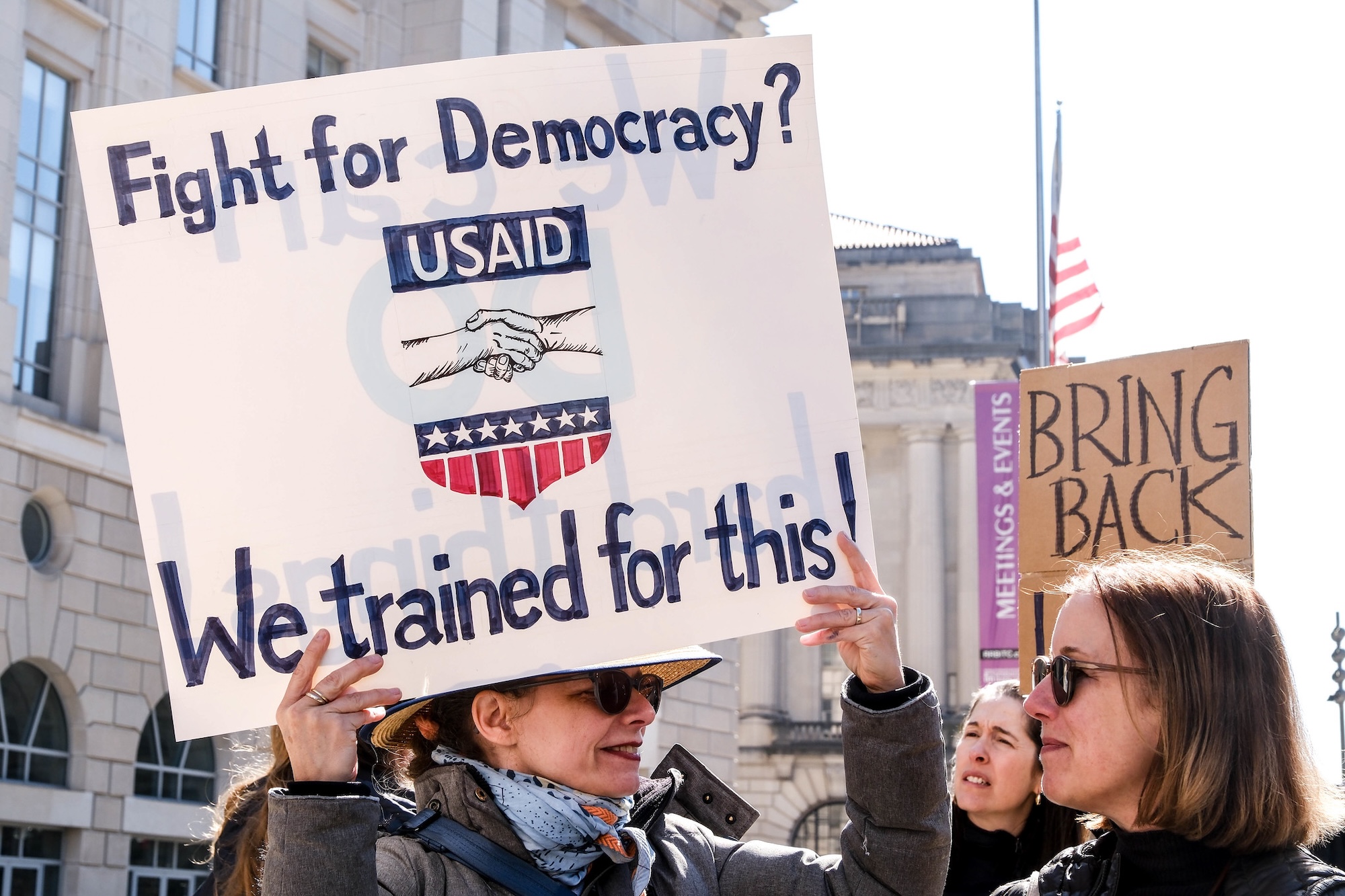
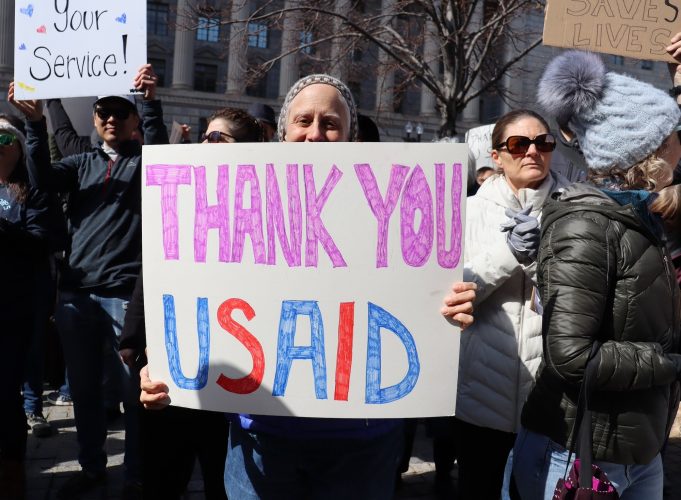
One year after the sudden and unprecedented termination of the United States Agency for International Development (USAID), the global humanitarian landscape remains in a state of profound upheaval. In February 2026, demonstrators gathered outside the former USAID headquarters in Washington, D.C., to commemorate the anniversary of an agency that served as the world’s largest single source of humanitarian relief for over six decades. While activists and private philanthropists have scrambled to mitigate the fallout, the transition from public policy to private charity has exposed a massive funding gap and a burgeoning crisis in international stability and public health.
The dissolution of USAID, orchestrated at the onset of President Donald Trump’s second term, represented a fundamental shift in American foreign policy. For decades, the agency was viewed not merely as a charitable arm but as a critical "soft power" asset. By addressing poverty, hunger, and disease, USAID bolstered democratic principles and fortified U.S. national security interests. Today, that asset has been replaced by a "trade over aid" philosophy and a reliance on private investment—a strategy that critics argue is failing to reach the world’s most vulnerable populations.
The Chronology of Dissolution: January 2025
The dismantling of USAID began almost immediately upon the presidential transition. On January 20, 2025, President Trump issued an executive order summarily abolishing the agency, which at the time managed an annual budget of approximately $40 billion. Although a 1998 reorganization had designated USAID as an independent agency—meaning only Congress possesses the legal authority to abolish it—the administration moved forward with a de facto termination.
The scene at the agency’s headquarters on February 26, 2025, remains a vivid symbol of the transition. Staffers were reportedly given just 15 minutes to vacate the building before the offices were shuttered. Within weeks, the agency’s digital presence was systematically dismantled. Global staff and 1,600 U.S.-based personnel were placed on indefinite administrative leave, thousands of foreign assistance projects were terminated, and critical data was deleted from government servers. While some dedicated employees and external stakeholders managed to archive the website and preserve select education data, the institutional memory of the agency was largely erased.
The responsibility for this "efficiency" drive was handed to the newly established Department of Government Efficiency (DOGE), led by Tesla CEO Elon Musk. DOGE’s mandate was to slash federal spending with corporate speed. However, a later report from the Permanent Subcommittee on Investigations (PSI) labeled the process a "$217 billion blunder," citing massive waste and a lack of oversight. According to whistleblowers, DOGE staff utilized software-generated keyword searches to cancel thousands of contracts without assessing their performance or the humanitarian consequences of their cessation.
The Human Cost: A Public Health Emergency
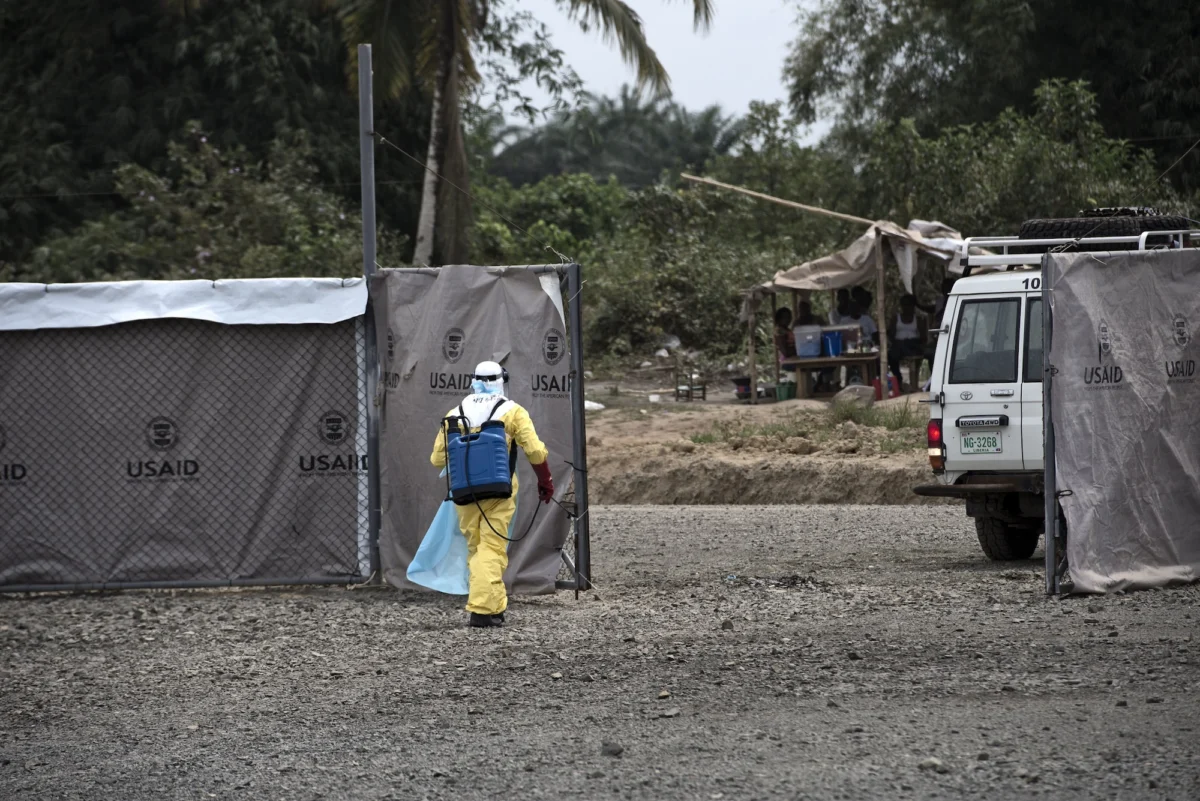
The impact of these abrupt cancellations was felt most acutely in the global health sector. Nicholas Enrich, the former executive director of USAID’s Bureau of Health and author of the recent memoir Into the Wood Chipper, has documented the "chaos and human misery" that followed. Enrich notes that clinical trials for multidrug-resistant tuberculosis (TB) were halted mid-stream, not only endangering current patients but also risking the development of new, untreatable strains of the disease.
The termination of the President’s Emergency Plan for AIDS Relief (PEPFAR) has been particularly devastating. Launched during the George W. Bush administration, PEPFAR was widely regarded as one of the most successful humanitarian programs in history, credited with saving over 25 million lives. Its disruption has left millions of HIV-positive individuals without reliable access to antiretroviral therapies.
Supporting data from the "Impact Counter" project paints a grim picture of the first year without USAID. The project estimates that the cessation of medical funding contributed to the deaths of approximately 262,915 adults and 518,428 children within twelve months. Beyond HIV and TB, programs targeting malaria, childhood diarrhea, and maternal health were either eliminated or significantly disrupted. In many regions, emergency ambulance services were halted, and clinics were shuttered, leaving pregnant women and children without basic care.

Philanthropy as Triage: The Limits of Private Giving
In the wake of the government’s retreat, the philanthropic community has attempted a massive triage operation. Between February and October 2025, private donors and foundations mobilized approximately $125 million to save high-impact programs. While significant, this amount represents less than 1% of the former USAID annual budget.
One of the most notable efforts is the DIV Fund, a privately endowed relaunch of the former Development Innovation Ventures division of USAID. Founded by Sarah Gallant and Nobel Prize-winning economist Michael Kremer, the DIV Fund utilizes an evidence-based grantmaking strategy to scale cost-effective solutions. The fund recently raised $20 million to support programs in its pipeline, emphasizing a model that delivers an estimated $39 in "social value" for every dollar invested.
The DIV Fund has successfully continued support for fuel-efficient cookstoves in Kenya and mobile health software that serves millions across 130 countries. However, Gallant and Kremer have been vocal about the fact that private philanthropy cannot replace the scale and authority of a sovereign government. "Private funds are a bridge, not a foundation," one philanthropic analyst noted. "They can save specific projects, but they cannot maintain the global infrastructure required for disaster response or long-term development."

Political Justification and the "Trade Over Aid" Doctrine
The Trump administration has defended the move by insisting that USAID was not technically abolished but "absorbed" into the U.S. Department of State. This realignment was overseen by White House budget director Russell Vought, a primary architect of the "Project 2025" playbook. The administration argues that the old model of foreign aid created "dependency" and that bilateral trade agreements and private-sector investment are more effective tools for development.
However, the "trade over aid" approach has faced skepticism from economists who point out that the world’s most impoverished regions often lack the infrastructure to participate in global trade. Furthermore, critics have highlighted a perceived hypocrisy in the administration’s fiscal priorities. While USAID was cut to "save taxpayer money," the administration has allocated billions to other projects. Estimates suggest that $72 billion has been spent in support of military tensions and conflict in Iran. Domestically, billions have been funneled into high-profile "vanity projects," including a $1 billion security renovation for the White House ballroom and a controversial, costly redesign of the Reflecting Pool on the National Mall.
Broader Implications for National Security
The dismantling of USAID has also created a power vacuum in the developing world. Traditionally, U.S. aid served as a counterweight to the influence of geopolitical rivals. By providing a transparent and values-based alternative to the infrastructure loans offered by countries like China, USAID maintained American influence in strategic regions of Africa, Southeast Asia, and Latin America.

Military leaders have historically been among the strongest advocates for USAID, often citing the "three Ds" of national security: Defense, Diplomacy, and Development. Without the development pillar, the burden of maintaining stability often falls more heavily on the military. "If you don’t fund the State Department and USAID fully, then I need to buy more ammunition," retired General James Mattis famously testified years ago—a sentiment that is being revisited by security analysts today as regional instabilities grow.
Grassroots Activism and the Path Forward
The humanitarian crisis has sparked a resurgence in grassroots activism. ACT UP, the organization that rose to prominence during the 1980s AIDS crisis, has re-mobilized to protest the cuts to PEPFAR. In April 2025, activists disrupted a House Budget Committee hearing, demanding that the administration "spend the money" already appropriated by Congress for global health.
As the 2026 midterm elections approach, the future of U.S. foreign assistance has become a central campaign issue. Advocates for the restoration of USAID argue that the agency’s termination was not only a humanitarian disaster but a violation of congressional authority. They are calling for a "responsible Congress" to reinstate the agency and restore its funding, arguing that the United States cannot remain a global leader while abandoning its commitments to the world’s most vulnerable.

For now, the former USAID headquarters remains a quiet monument to a bygone era of American diplomacy. While the DIV Fund and other philanthropic entities continue their work, the scale of the need remains staggering. The past year has demonstrated that while private charity can perform miracles in small batches, the systemic challenges of global poverty, pandemic prevention, and democratic stability require the sustained, organized power of a nation-state. As the "Impact Counter" continues to rise, the debate over the role of the United States in the world has never been more urgent.
