

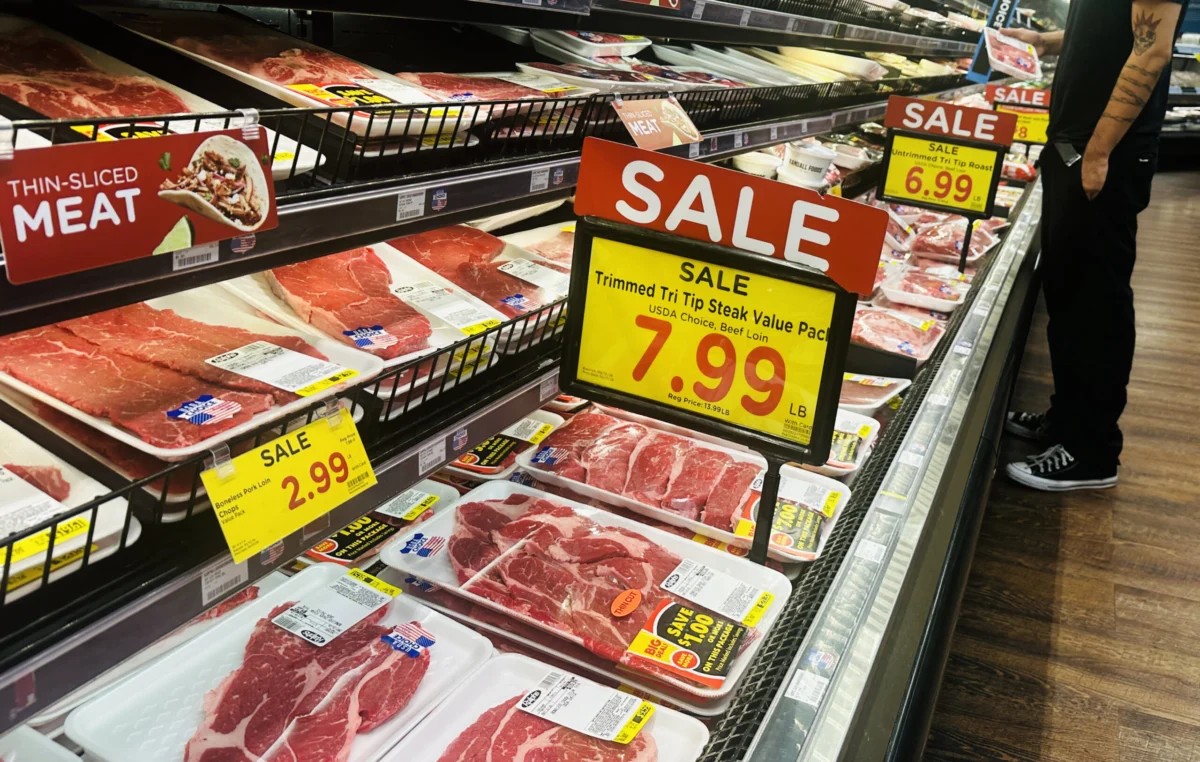
Wholesale prices experienced a significant acceleration in April, posting their highest annual increase in over three years and signaling persistent inflationary pressures as pipeline costs continue to climb. The Bureau of Labor Statistics (BLS) reported on Wednesday that the producer price index (PPI) rose a seasonally adjusted 1.4% for the month. This figure substantially surpassed the 0.5% consensus forecast from Dow Jones economists and was a notable jump from the upwardly revised 0.7% increase recorded in March. This monthly surge represents the largest gain observed since March 2022, underscoring a growing concern about the trajectory of inflation at the producer level.
On an annual basis, the PPI climbed by 6%, a figure not seen since December 2022, indicating a more entrenched inflationary environment that could translate to higher consumer prices in the coming months. This broad-based increase raises questions about the effectiveness of current monetary policy and the potential for further economic adjustments.
Core Inflation Metrics Show Broadening Price Pressures
Beyond the headline figures, the underlying components of the PPI also painted a picture of accelerating costs. The core producer price index, which excludes volatile food and energy components, accelerated by 1% in April. This was a significant uptick from the 0.4% estimate, suggesting that inflationary pressures are not solely confined to commodity markets. When further excluding food, energy, and trade services, the PPI still registered a solid 0.6% increase, reinforcing the notion of widespread price hikes across various sectors of the economy.
The BLS data indicated that energy prices were a primary driver of the unexpectedly high gain in producer prices. This aligns with the consumer price index (CPI) report released by the BLS on Tuesday, which also highlighted a surge in consumer energy costs. However, the PPI data suggests that the impact of rising prices is extending beyond the gasoline pump, affecting a wider array of goods and services.
Energy Sector Dominates Goods Price Increases, Geopolitical Factors at Play
Approximately three-quarters of the monthly increase in goods prices within the PPI was attributable to a substantial 7.8% jump in final demand energy. More than 40% of this energy-related surge was directly linked to a 15.6% spike in gasoline prices. This sharp rise occurred during a period when prices at the pump climbed well past the $4-a-gallon mark. Analysts point to escalating geopolitical tensions, specifically the ongoing conflict involving Iran and its impact on the broader energy complex, as a significant contributing factor to this upward pressure on oil and refined products.
While some observers have previously attributed inflationary pressures to a combination of the ongoing geopolitical instability and tariffs imposed by the Trump administration a year prior, the latest PPI data suggests a more pervasive and broad-based inflationary trend. The widening of price increases across various sectors indicates that these external factors may be exacerbating underlying economic conditions rather than being the sole drivers.
Services Sector Inflation Accelerates, Tariffs and Trade Costs Under Scrutiny
The services sector also experienced a notable acceleration in prices, with the services index rising by 1.2% in April. This marks the largest monthly gain for the services index since March 2022. A significant portion of this increase, approximately two-thirds, was attributed to a 2.7% rise in trade services. This particular component is being closely watched as it could reflect a growing impact of tariff costs on imported goods and the associated logistical expenses. The rise in trade services suggests that businesses are beginning to pass on increased costs associated with international trade, which could have ripple effects throughout the supply chain.
Further bolstering the services index was a 3.5% jump in the margins for machinery and equipment wholesaling. This indicates that businesses involved in the distribution and sale of capital goods are also experiencing and potentially passing on higher costs.
David Russell, global head of market strategy at TradeStation, commented on the implications of these figures, stating, "Inflation is sticky and accelerating. The core reading confirms a deeper structural trend, especially in services. The Hormuz crisis is aggravating the problem, but this goes way beyond oil." His assessment highlights the complexity of current inflationary dynamics, suggesting that while geopolitical events are a catalyst, underlying systemic issues are also at play.

Market Reactions and Implications for Monetary Policy
The release of the stronger-than-expected PPI data triggered immediate reactions in financial markets. Futures tied to the Dow Jones Industrial Average saw a decline following the report, reflecting investor concerns about the potential for sustained inflation and its impact on corporate earnings and economic growth. Treasury yields, however, experienced mild positive movement, suggesting a mixed investor sentiment.
This PPI report comes on the heels of the BLS’s consumer price index (CPI) data, which revealed a 3.8% annual increase in consumer prices for April. While energy prices were a primary driver of the CPI surge, other factors, including a surprisingly high increase in shelter costs, also contributed. The core inflation rate, excluding food and energy, remained elevated at 2.8%, still considerably above the Federal Reserve’s 2% target.
The persistent inflation, as evidenced by both the CPI and PPI reports, is likely to keep Federal Reserve policymakers on hold regarding interest rate cuts. The central bank has been closely monitoring inflation data and the broader economic landscape, including the ongoing impacts of geopolitical events and trade policies. The resilience of the labor market, coupled with sticky inflation, has led the Fed to maintain its benchmark interest rate within a range of 3.5% to 3.75%.
Current market pricing indicates a low probability of any interest rate cuts through the remainder of the year. Following the PPI report, the odds for a rate hike in the near future saw a notable climb, reaching approximately 39%. This suggests that some market participants are beginning to price in the possibility of further monetary tightening if inflation continues on its current trajectory.
Historical Context and Broader Economic Picture
The current inflationary environment can be viewed within a broader historical context. Following a period of historically low inflation and accommodative monetary policy, the global economy has faced a series of shocks, including the COVID-19 pandemic, supply chain disruptions, and recent geopolitical conflicts. These events have collectively contributed to a surge in prices across various sectors.
The producer price index serves as a leading indicator for consumer inflation, as increases in costs at the wholesale level are often passed on to consumers. The acceleration seen in April’s PPI data therefore raises concerns about potential future increases in the cost of living.
Contributing Factors and Future Outlook
Several key factors are contributing to the current inflationary pressures:
- Geopolitical Instability: The ongoing conflict in the Middle East and its impact on global energy markets remain a significant concern. Disruptions to oil production and shipping routes can lead to higher prices for crude oil and refined products, which then filter through to transportation costs and the prices of many manufactured goods. The specific mention of the "Hormuz crisis" in expert commentary underscores the sensitivity of the energy markets to regional conflicts.
- Trade Policies and Tariffs: The reintroduction and expansion of tariffs by the Trump administration, as mentioned in the original context, can increase the cost of imported goods. Businesses that rely on imported components or finished products may absorb these costs, pass them on to consumers, or seek alternative suppliers. The rise in "trade services" within the PPI could be a direct indicator of these increased costs being reflected in wholesale prices. The timeline of tariffs being introduced "a year ago" suggests that their impact may be a cumulative one, becoming more pronounced over time.
- Supply Chain Resilience: While global supply chains have shown some signs of recovery, they remain vulnerable to disruptions. Lingering effects from the pandemic, labor shortages, and geopolitical events can continue to create bottlenecks and increase transportation and production costs.
- Demand-Side Pressures: Despite concerns about inflation, consumer demand has remained relatively robust in many economies. This sustained demand, coupled with supply-side constraints, can create an environment where businesses have more pricing power.
The implications of these persistent inflationary pressures are far-reaching. For consumers, it means higher costs for essential goods and services, potentially eroding purchasing power. For businesses, it presents challenges in managing input costs, maintaining profit margins, and making strategic investment decisions. For central banks, it complicates the delicate balancing act of controlling inflation without stifling economic growth.
The coming months will be crucial in determining whether the current surge in wholesale prices represents a temporary spike or a more sustained inflationary trend. Close monitoring of economic indicators, policy responses from central banks, and the evolution of geopolitical events will be essential in navigating this complex economic landscape. The BLS will continue to release monthly PPI and CPI data, providing critical insights into the ongoing battle against inflation.
