

Prices paid by consumers for a broad spectrum of goods and services accelerated beyond expectations in April, reigniting concerns about the persistent impact of inflation on the U.S. economy. The unexpected uptick, largely driven by a significant surge in energy prices, has placed renewed pressure on households and presents a complex challenge for the Federal Reserve as it navigates monetary policy.
Key Inflation Metrics Show Upward Trend
The Bureau of Labor Statistics (BLS) reported on Tuesday that the consumer price index (CPI) rose by a seasonally adjusted 0.6% for the month of April. This monthly increase pushed the annual inflation rate to 3.8%, a figure that narrowly surpassed the Dow Jones consensus forecast of 3.7% and represented a 0.1 percentage point acceleration from the previous month. This marks the highest annual inflation rate recorded since May 2023, signaling a concerning reversal of recent disinflationary trends.
Beyond the headline figures, the core CPI, which excludes volatile food and energy components, also demonstrated inflationary pressures. Core CPI climbed 0.4% month-over-month, marking its highest monthly increase since January 2025. On an annual basis, core inflation rose to 2.8%, indicating that underlying price pressures are proving more stubborn than anticipated and remain substantially above the Federal Reserve’s long-term target of 2%. Fed officials closely monitor core inflation as a more reliable indicator of sustained inflation trends. The annual core inflation rate also saw a 0.2 percentage point increase from March.
Energy Prices Fuel Headline Inflation
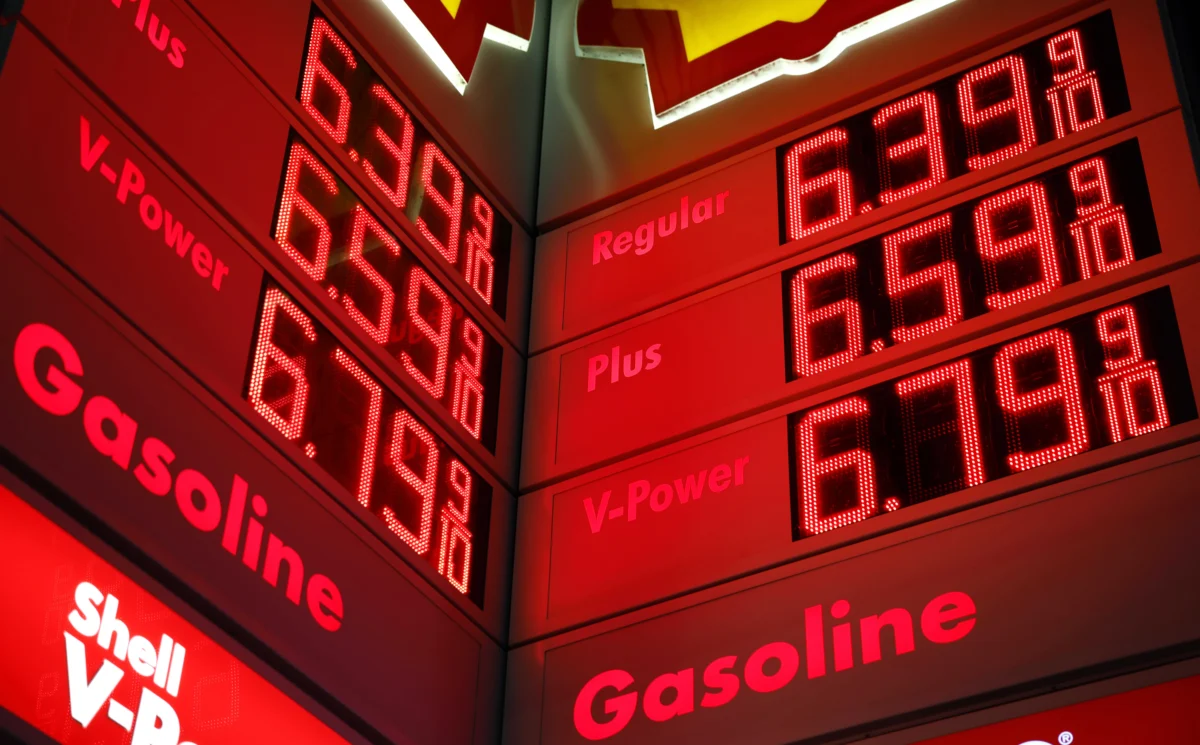
The resurgence in energy prices was a dominant factor in April’s inflation report. The energy index surged by 3.8% for the month, contributing over 40% of the overall increase in the headline CPI. This significant jump brought the 12-month energy inflation rate to a substantial 17.9%. Within the energy sector, the gasoline index experienced a dramatic annual increase of 28.4%. This surge in fuel costs has a cascading effect across the economy, impacting transportation, logistics, and consumer budgets.
Food prices also contributed to the inflationary pressures, rising 0.5% in April. Over the past year, food prices have seen a cumulative increase of 3.2%. Notably, prices for food at home experienced their largest monthly gain since August 2022, climbing 0.7%. This increase in grocery bills further exacerbates the financial strain on households, particularly those with lower and middle incomes.
Broader Inflationary Pressures Beyond Energy
While energy prices captured significant attention, inflation pressures were not confined to the energy sector. Shelter costs, a critical component of the CPI, rose by 0.6% in April. This marked a rebound after a period of easing, suggesting that inflation is becoming more embedded in the housing market and is not solely a transient phenomenon driven by external shocks.
Other sectors also exhibited price increases. The apparel category, which is sensitive to tariffs, saw a 0.6% rise. Airline fares accelerated significantly, jumping 2.8% for the month and contributing to a staggering 20.7% annual increase. The impact of tariffs appeared to extend to other areas, with household furnishings and operations increasing by 0.7%. These broad-based price gains across various consumer goods and services indicate a more generalized inflationary environment.
Conversely, some sectors experienced price declines. New vehicle prices decreased by 0.2%, while the index for used cars and trucks remained flat. Medical care costs saw a slight decrease of 0.1%, with hospital services down 0.3%. Health insurance premiums also declined by 0.4%, although motor vehicle insurance saw a marginal increase of 0.1%.
Impact on Wages and Consumer Sentiment
The inflationary pressures in April had a detrimental effect on workers’ purchasing power. Real average hourly wages, which account for inflation, slipped by 0.5% for the month and fell by 0.3% on an annual basis. This erosion of real wages means that despite nominal wage increases, consumers are effectively earning less in terms of what they can afford, creating a significant financial squeeze.

The negative implications of the inflation report were immediately reflected in financial markets. Stock market futures turned negative following the data release, and Treasury yields moved higher as investors recalibrated their expectations for future interest rates. According to CME Group data, traders increased the probability of a Federal Reserve rate hike by the end of the year to approximately 30%.
Heather Long, chief economist at Navy Federal Credit Union, characterized inflation as "the key drag on the U.S. economy now." She emphasized the direct impact on Americans, stating, "This is hurting Americans. There is a real financial squeeze underway. For the first time in three years, inflation is eating up all wage gains. This is a setback for middle-class and lower-income households and they know it."
Federal Reserve at a Crossroads
The latest inflation data arrives at a critical juncture for the Federal Reserve. The central bank has maintained its benchmark interest rate steady throughout the year, but internal divisions among policymakers regarding the future direction of monetary policy and its communication have become increasingly apparent. In late April, the Fed’s decision to hold rates steady was met with four dissenting votes, the highest number since 1992. Fed Governor Stephen Miran again voted in favor of a quarter-percentage-point cut, while three regional Fed presidents dissented against language that markets interpreted as signaling a future rate cut.
Adding to the complexity, incoming Chair Kevin Warsh has expressed a preference for lower interest rates. This stance is increasingly challenging to reconcile with the recent surge in inflation, particularly as energy prices have escalated. Oil prices have traded above $100 a barrel, and national average gasoline prices have hovered around $4.50 per gallon, according to AAA.
Chris Zaccarelli, chief investment officer at Northlight Asset Management, commented on the implications for monetary policy, stating, "Given that inflation is heading in the wrong direction and the labor market is holding up, it’s very unlikely that the Fed will be able to lower interest rates any time soon and it’s possible that we may start pricing in rate hikes for next year."
Economic Resilience Amidst Inflationary Headwinds
Despite the mounting inflationary pressures and their impact on consumer sentiment, which has hit all-time lows, the stock market has demonstrated resilience, with major averages trading near their all-time highs. This resilience is partly attributed to a strong corporate earnings season. Consumer spending has also held up, although this has been driven significantly by higher-income earners and the necessity of spending more due to rising prices.
The Atlanta Fed’s GDPNow tracker, which monitors incoming economic data, currently projects second-quarter economic growth at a robust 3.7%. This projection, based on a limited dataset, suggests that the economy may be able to withstand the current inflationary shock.
James McCann, senior economist for investment strategy at Edward Jones, offered a cautiously optimistic perspective, noting, "The good news is that the economy looks resilient to this price shock so far. Many consumers have benefited from tax refunds this year, hiring has picked up from near stagnant rates in 2025 and businesses are generating robust profit growth. There are limits to these buffers, but we expect, they should provide some reassurance that the economy can weather this shock."
However, the sustained rise in inflation, particularly in core components, coupled with the potential for further geopolitical instability impacting energy markets, poses an ongoing challenge. The Federal Reserve faces the delicate task of balancing its dual mandate of price stability and maximum employment, with the current data suggesting that achieving the former may require a more hawkish stance than previously anticipated. The coming months will be critical in determining whether the current inflationary surge is a temporary setback or the beginning of a more prolonged period of elevated price pressures.
