

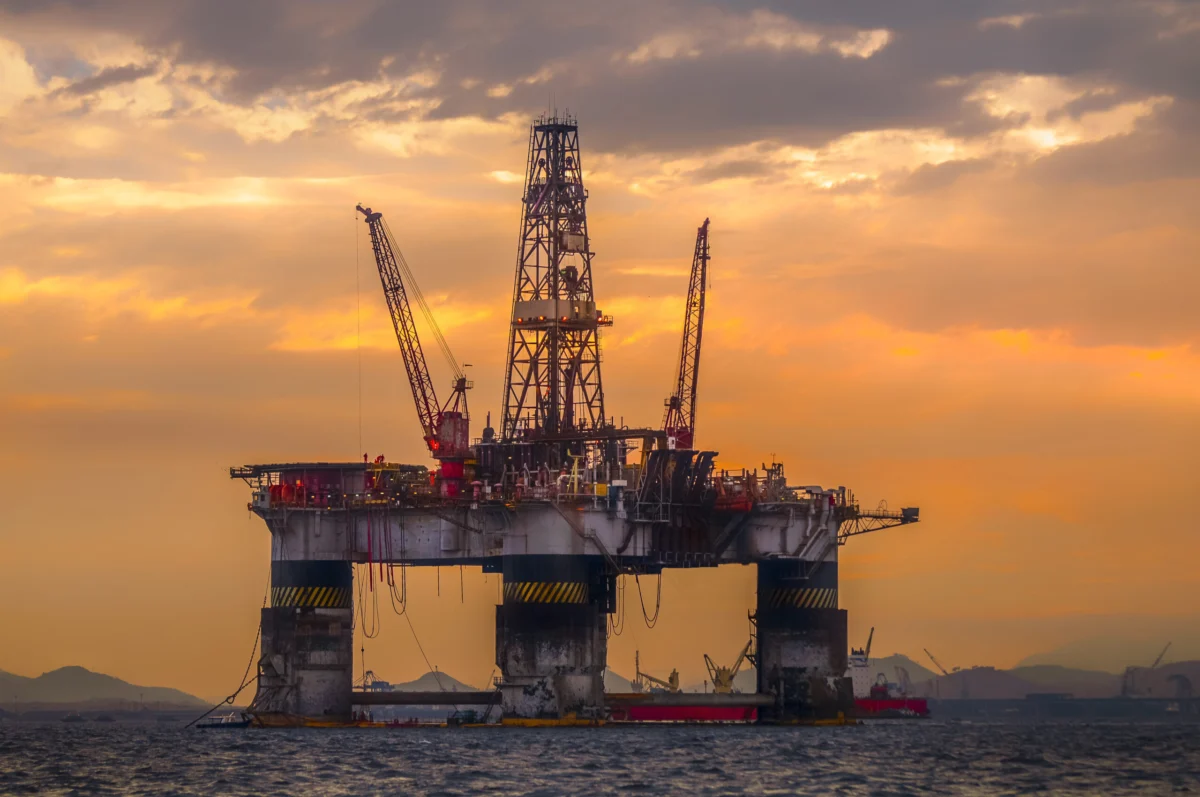
ConocoPhillips (COP) announced on Thursday that the Norwegian Ministry of Energy has formally approved its comprehensive plans to redevelop several previously producing oil and gas fields on the Norwegian Continental Shelf. This strategic move is widely anticipated to significantly bolster gas deliveries to Europe, reinforcing Norway’s pivotal role as a stable and reliable energy supplier to the continent amidst ongoing geopolitical shifts and sustained demand for secure energy sources. The project, referred to by ConocoPhillips as the "Previously Produced Fields project," marks a critical step in maximizing recovery from mature assets through the application of advanced technologies and optimized operational strategies.
Context of a Crucial Approval
The approval granted to ConocoPhillips is not merely a procedural step but a strategic endorsement of continued investment in Norway’s mature oil and gas sector. The "Previously Produced Fields project" aims to bring back into production several fields that had either ceased production due to economic limitations or technical challenges in the past, or were producing at significantly reduced capacities. Modern technological advancements, coupled with favorable market conditions and Europe’s urgent need for diversified energy supplies, have rendered these fields economically viable for renewed investment. This initiative aligns with Norway’s long-term energy strategy, which seeks to optimize resource utilization from its vast offshore reserves while maintaining stringent environmental standards. The re-activation of these assets is expected to unlock substantial remaining reserves, contributing to Norway’s overall energy output for decades to come.
Norway’s Strategic Energy Role in Europe
Norway has historically been a cornerstone of European energy security, particularly as a major supplier of natural gas. Its importance has surged dramatically following the geopolitical events of 2022, which saw a significant reduction in natural gas flows from Russia to Europe. This shift positioned Norway as Europe’s largest single supplier of natural gas, a responsibility it has diligently undertaken by maximizing production and exports. The approval of ConocoPhillips’ redevelopment project underscores Norway’s commitment to maintaining and enhancing this crucial role. By rejuvenating existing infrastructure and tapping into previously uneconomic reserves, Norway can ensure a more stable and predictable supply of gas to its European partners, mitigating volatility and supporting the continent’s energy transition efforts by providing a reliable bridge fuel.
ConocoPhillips’ Enduring Presence on the Norwegian Continental Shelf
ConocoPhillips boasts a rich and extensive history on the Norwegian Continental Shelf, dating back to the early days of North Sea exploration. The company operates the iconic Ekofisk field, which was the first commercial oil discovery in the Norwegian sector and has been producing since 1971. Along with Ekofisk, ConocoPhillips is a significant operator and partner in other key fields such as Eldfisk, Tor, and Alvheim, among others. Its deep expertise in offshore operations, reservoir management, and advanced recovery techniques positions it uniquely to undertake complex redevelopment projects. The company’s long-standing presence and track record of responsible operations have made it a trusted partner for the Norwegian authorities, facilitating such critical approvals. This new project further cements ConocoPhillips’ long-term commitment to Norway and its role in the global energy landscape.
Deep Dive into the "Previously Produced Fields" Project
While specific details regarding all the individual fields encompassed by the "Previously Produced Fields project" were not immediately disclosed, it is understood to involve a multi-faceted approach to enhance recovery. This typically includes the application of advanced drilling techniques, such as horizontal and multilateral wells, improved water or gas injection methods for pressure support, and potentially the installation of new subsea infrastructure or modifications to existing platforms. Such projects often involve substantial capital expenditure, with similar redevelopment initiatives on the Norwegian Continental Shelf often costing in the range of several hundred million to over a billion U.S. dollars.
The expected boost in gas deliveries to Europe is a primary objective. Industry estimates for projects of this scale often predict an increase in production by tens of thousands of barrels of oil equivalent per day (boe/d) once fully operational. The gas component of this production will be channeled through Norway’s extensive pipeline network, which connects directly to key European markets like Germany, Belgium, France, and the UK. This added volume will contribute to the collective effort to meet Europe’s substantial gas demand, which historically hovers around 400-500 billion cubic meters annually, a significant portion of which is supplied by Norway. The project’s longevity is also a key factor, with expectations for production to continue for many years, providing a sustained contribution to energy security.
Chronology of Development and Approvals
The journey to Thursday’s approval is typically a protracted one, involving years of detailed planning, technical studies, and rigorous environmental impact assessments. While the exact submission date for ConocoPhillips’ plan was not specified, such a project would have commenced with initial feasibility studies and conceptual designs several years prior. This would have been followed by extensive geological and reservoir modeling to determine the optimal redevelopment strategy.
A crucial phase involves the submission of a Plan for Development and Operation (PDO) to the Norwegian Ministry of Petroleum and Energy (now the Ministry of Energy). This document outlines the technical, financial, and environmental aspects of the project. The PDO undergoes thorough review by various Norwegian regulatory bodies, including the Norwegian Petroleum Directorate, the Ministry of Climate and Environment, and the Petroleum Safety Authority Norway, ensuring compliance with Norway’s stringent regulatory framework for safety, environment, and resource management. Public consultations are also often part of this process. The final approval from the Ministry of Energy signifies the successful navigation of these complex stages, paving the way for execution. Construction and modification phases typically follow, with first production from redeveloped fields often commencing within 2-5 years of approval, depending on the scale and complexity.
Statements and Reactions from Key Stakeholders
Following the announcement, a spokesperson for ConocoPhillips emphasized the company’s commitment to maximizing value from its assets on the Norwegian Continental Shelf and contributing to European energy security. "This approval is a testament to our long-term commitment to Norway and our ability to apply innovative technologies to unlock additional resources," the spokesperson stated. "The ‘Previously Produced Fields project’ will play a vital role in delivering much-needed natural gas to Europe, supporting its energy needs and contributing to a more diversified energy mix."
Norway’s Minister of Energy, Terje Aasland, likely echoed sentiments of strategic importance and national benefit. While specific quotes are not available in the provided snippet, the Ministry has consistently highlighted the importance of new projects and maximizing recovery from existing fields to ensure Norway remains a stable and reliable energy partner for Europe. "Norway is committed to being a long-term, stable, and predictable supplier of energy to Europe," a Ministry statement regarding similar approvals might typically read. "Projects like ConocoPhillips’ redevelopment initiative are crucial for maintaining production levels, creating jobs, and generating significant value for Norwegian society."
Industry analysts were quick to assess the implications. "This is a significant win for ConocoPhillips, demonstrating their strategic focus on high-value, lower-carbon intensity assets," commented one energy market analyst. "For Europe, it represents another incremental step towards shoring up gas supplies, reducing reliance on volatile sources, and stabilizing prices in the long run. Norway’s continued investment in its offshore sector is critical for European energy resilience." Representatives from the European Union, such as Energy Commissioner Kadri Simson, would likely welcome any initiatives that boost non-Russian gas supplies, aligning with the EU’s REPowerEU plan to end dependence on Russian fossil fuels.
Economic and Geopolitical Implications
The redevelopment project carries substantial economic implications for both ConocoPhillips and Norway. For ConocoPhillips, it represents optimized asset utilization, enhancing its production portfolio and securing future revenue streams from a stable and mature operating environment. The investment will generate significant economic activity, creating jobs in the supply chain, engineering, construction, and operational sectors within Norway. Royalties and taxes from the increased production will further bolster Norwegian state revenues, which are then channeled into the nation’s sovereign wealth fund.
Geopolitically, the project reinforces Norway’s strategic importance. By increasing its gas export capacity, Norway solidifies its position as a key player in European energy politics. This enhanced reliability and supply volume contribute directly to Europe’s energy independence agenda, providing a tangible alternative to Russian gas and strengthening the continent’s negotiating position in global energy markets. It also demonstrates the continued viability of North Sea production as a critical energy source, contrary to some narratives suggesting a rapid decline.
Environmental and Technological Considerations
Modern oil and gas projects on the Norwegian Continental Shelf are subject to some of the world’s most stringent environmental regulations. The "Previously Produced Fields project" will undoubtedly incorporate best available technologies to minimize its environmental footprint. This often includes measures to reduce CO2 emissions from operations, such as electrifying platforms from shore power or implementing advanced energy efficiency solutions. Norway has ambitious targets for emissions reductions, and new developments are expected to align with these goals, often showcasing lower emissions intensity per barrel of oil equivalent produced compared to older legacy assets or projects in other regions.
The application of advanced recovery technologies is central to the project’s feasibility. Techniques like advanced seismic imaging, real-time data analytics, and artificial intelligence are increasingly being used to gain a deeper understanding of reservoirs, allowing for more precise drilling and optimized production. These technological innovations are what make the redevelopment of "previously producing fields" economically and technically viable today, even if they were deemed uneconomic decades ago.
Market Outlook and Future Prospects
The approval of ConocoPhillips’ project comes at a time when global energy markets remain sensitive to supply shocks and geopolitical tensions. While the world transitions towards renewable energy, the demand for natural gas as a bridge fuel, particularly in Europe, is expected to remain robust for the foreseeable future. Projects like this ensure that this demand can be met by reliable, politically stable suppliers. It also signals confidence in the long-term prospects of the Norwegian Continental Shelf as an attractive investment area for international energy companies. Further investments in similar "tail-end production" or redevelopment projects are likely across the North Sea as operators seek to maximize value from existing infrastructure.
In conclusion, ConocoPhillips’ success in securing approval for its "Previously Produced Fields project" is a multi-layered development. It highlights the ingenuity of modern petroleum engineering, Norway’s unwavering commitment to European energy security, and ConocoPhillips’ strategic vision. As Europe continues its complex energy transition, projects that optimize existing infrastructure and deliver reliable, responsibly produced energy will remain indispensable, cementing Norway’s enduring role as a vital energy partner.
