

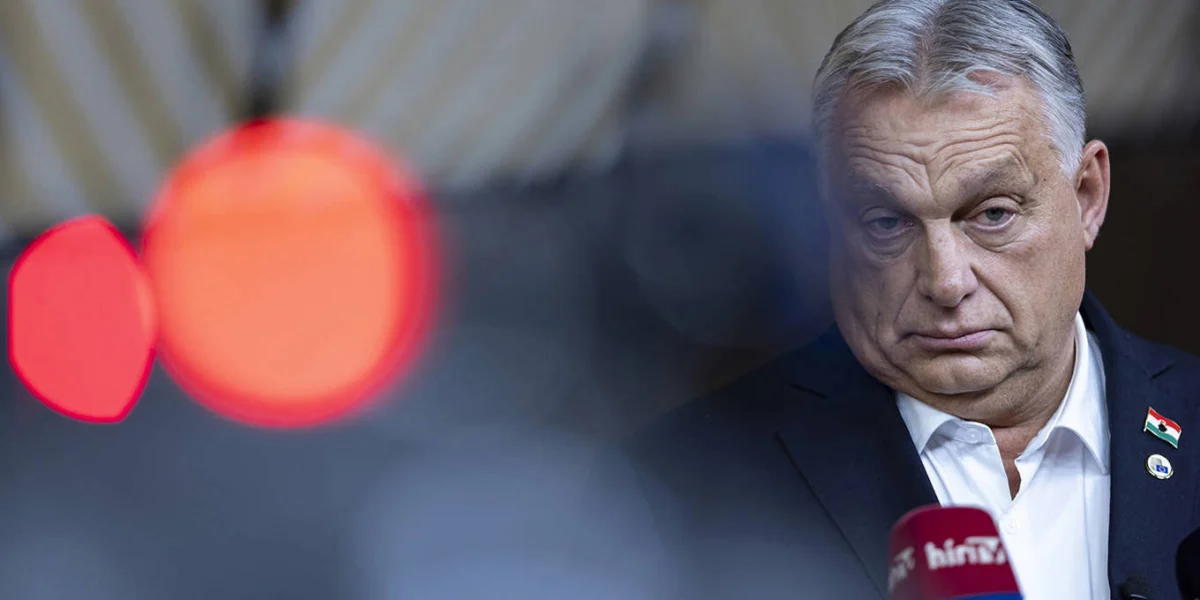
BUDAPEST – Hungary’s recent electoral outcome delivered a decisive repudiation of former Prime Minister Viktor Orbán and his Fidesz party, concluding 16 years of systematic democratic backsliding under his leadership. The overwhelming rejection of Orbán’s trademark "illiberal democracy" by voters serves as a potent testament to the enduring possibility of political change, even in the face of seemingly insurmountable opposition and sophisticated propaganda apparatuses. This seismic shift in Hungarian politics is not merely a domestic affair; it carries profound implications for aspiring autocrats globally and offers a beacon of hope for the besieged independent press.
The Architect of Illiberal Democracy and His Reign
For over a decade and a half, Viktor Orbán cultivated a model of governance that prioritized national sovereignty and traditional values, often at the expense of democratic checks and balances and minority rights. His Fidesz party, which first came to power in 2010, systematically dismantled independent institutions, co-opted state media, and curtailed the freedoms of civil society organizations. This period, characterized by a gradual but persistent erosion of democratic norms, saw Hungary transform from a post-communist democracy into a system increasingly described by critics as a one-party state disguised in democratic clothing.
Orbán’s approach, dubbed "illiberal democracy," was a deliberate departure from Western liberal democratic traditions. It emphasized a strong, centralized state, national identity, and a rejection of what he termed "globalist" influences, including immigration and LGBTQ+ rights. This ideology resonated with a significant portion of the Hungarian electorate, who felt disenfranchised by perceived elite indifference and economic inequality.
The Machinery of Control: Media Capture and Propaganda
A cornerstone of Orbán’s strategy was the comprehensive capture of the media landscape. Over the years, Fidesz and its allies systematically acquired or influenced a vast majority of Hungarian media outlets, transforming them into instruments of government propaganda. Independent journalists and news organizations faced increasing pressure, including regulatory hurdles, economic disincentives, and often, outright harassment.
This media consolidation allowed the government to control the narrative, promote its agenda, and demonize opposition voices. The state broadcaster became a mouthpiece for Fidesz, while privately owned media outlets that remained critical were often marginalized or portrayed as foreign agents seeking to undermine Hungarian interests. Websites like Mediaworks, a major media conglomerate, came under Fidesz-aligned ownership, consolidating control over numerous newspapers, television channels, and online platforms. Independent analyses from organizations like Reporters Without Borders consistently ranked Hungary poorly in terms of press freedom during Orbán’s tenure, highlighting the chilling effect on journalistic independence.
The Tipping Point: Voter Fatigue and the Power of Opposition
Despite the pervasive influence of state-controlled media and the challenges faced by independent outlets, the recent election demonstrated that the public’s appetite for Orbán’s authoritarian tendencies had waned. Several factors likely contributed to this shift:
- Economic Discontent: While Orbán often boasted of economic achievements, rising inflation, stagnant wages for many, and the perception of corruption among the elite fueled growing dissatisfaction. The economic fallout from global events, exacerbated by domestic policies, began to impact the daily lives of ordinary Hungarians.
- EU Relations and Sanctions: Hungary’s increasingly fraught relationship with the European Union, including ongoing disputes over rule of law and the withholding of EU funds, highlighted the international isolation of Orbán’s government and raised concerns about the country’s future within the bloc.
- Erosion of Trust: The relentless propaganda, while effective for a time, may have also led to a degree of public fatigue and skepticism. Independent reporting, though limited, managed to pierce through the official narrative for a segment of the population.
- United Opposition: In a significant development, a broad coalition of opposition parties, spanning the political spectrum from liberal to conservative, managed to unite behind a single candidate for Prime Minister. This unprecedented level of cooperation presented a credible alternative to Fidesz and galvanized voters disillusioned with the status quo. The alliance, known as the United for Hungary coalition, focused its campaign on restoring democratic norms, combating corruption, and re-establishing strong ties with the EU.
A Glimmer of Hope for Independent Journalism
The defeat of Viktor Orbán is a particularly significant victory for the independent press in Hungary and a cautionary tale for autocrats worldwide. For years, Hungarian journalists operating in the challenging environment of Fidesz’s media dominance persevered, often at great personal and professional risk. Their commitment to factual reporting, even when facing overwhelming odds, played a crucial role in informing the public and providing a counter-narrative to the government’s propaganda.
The election results suggest that even sophisticated systems of media control are not invincible. When a significant portion of the electorate becomes receptive to alternative information, and when independent media can find avenues to reach them, the power of propaganda can be undermined. This outcome offers encouragement to journalists in other countries facing similar pressures, demonstrating that their work, however difficult, can contribute to meaningful political change.
Broader Implications and the Road Ahead
The implications of Orbán’s defeat extend far beyond Hungary’s borders. His "illiberal democracy" model has been closely watched and, in some cases, emulated by leaders in countries such as Poland, the Czech Republic, and even further afield in regions like Latin America and Asia. His downfall could signal a potential setback for these authoritarian tendencies globally.
For the European Union, Orbán’s departure represents an opportunity to mend fractured relations and reinforce democratic values within the bloc. Hungary’s renewed commitment to EU principles could lead to a more cohesive and effective union.
The new government in Hungary faces immense challenges. Rebuilding democratic institutions, restoring the independence of the judiciary and media, and addressing deep-seated corruption will be a monumental task. The process of undoing years of systemic erosion will require sustained effort, political will, and a commitment to inclusive governance.
The coming months and years will be critical in determining the long-term impact of this electoral shift. However, the recent election in Hungary has undeniably demonstrated that the resilience of democratic principles and the power of an informed citizenry, even in the face of formidable challenges, can ultimately prevail. The fight for democracy is a continuous one, and this Hungarian election offers a powerful reminder of its enduring possibilities.
