

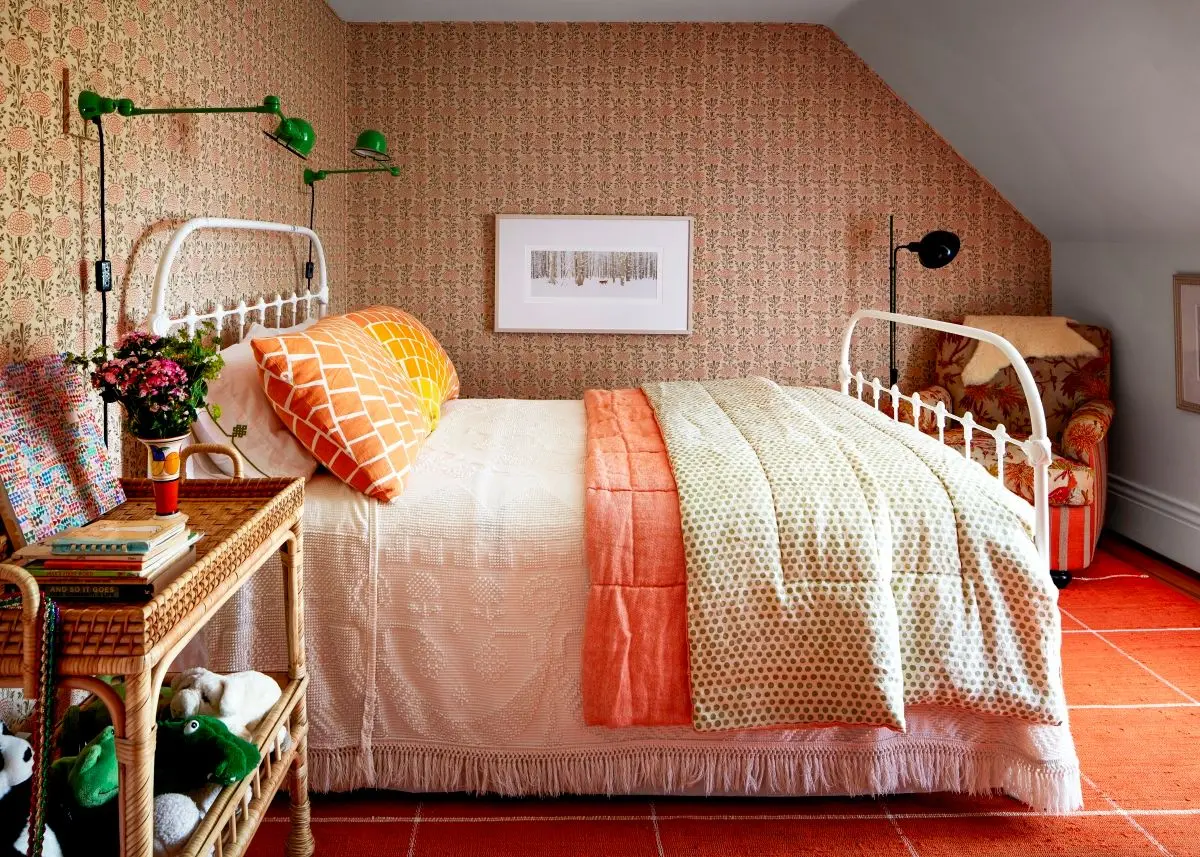
The global interior design landscape is witnessing a significant resurgence in the use of wallcoverings, a market segment that has evolved from a traditional home staple to a high-tech, multi-billion-dollar industry. Once defined by permanent pastes and labor-intensive installation, modern wallpaper now offers a spectrum of choices ranging from archival 19th-century prints to temporary, renter-friendly vinyl. This resurgence is driven by a shift in consumer behavior, where homeowners and renters alike are moving away from minimalist "millennial gray" palettes toward more expressive, personalized environments. Industry analysts suggest that the global wallpaper market is projected to grow at a compound annual growth rate (CAGR) of approximately 3% to 5% over the next decade, fueled by innovations in digital printing and the rise of the "DIY" home improvement culture.
The Evolution of the Wallcovering Industry
The history of wallpaper dates back to 16th-century Europe, where it began as a more affordable alternative to expensive tapestries. By the 18th and 19th centuries, it had become a symbol of status, with intricate hand-blocked designs. The Industrial Revolution brought mass production, making wallpaper accessible to the middle class. However, the late 20th century saw a decline as minimalism took hold. Today, the industry is in a "renaissance phase," characterized by the fusion of heritage craftsmanship and modern convenience.
Technological advancements have introduced "peel-and-stick" options, which utilize pressure-sensitive adhesives that leave no residue. This has fundamentally changed the rental market, allowing a demographic that was previously excluded from permanent decor to participate in high-end interior design. Simultaneously, the demand for sustainable materials—such as FSC-certified papers and water-based inks—has forced legacy brands to modernize their manufacturing processes.
Leading Brands for Artistic and Independent Patterns
In the current market, Spoonflower has emerged as a leader for consumers seeking unique, artist-driven designs. By operating as a global marketplace for independent artists, the brand offers a catalog that defies traditional retail limitations. Their offerings include unexpected graphic patterns and humorous prints, alongside dreamy, Art Deco-inspired designs reminiscent of the early 20th century. Spoonflower’s business model reflects a broader industry trend toward "on-demand" manufacturing, which reduces waste by printing only what is ordered.
Similarly, Backdrop Home has carved out a niche by bridging the gap between paint and paper. Known for their quirky color names and minimalist-to-maximalist aesthetic, the brand’s integration into the Schumacher family has allowed it to offer archival prints and textured sisals. Their products, such as the "Tanbark" wallpaper—inspired by 1957 sketches by John Groth—demonstrate how modern brands are successfully repurposing historical art for contemporary audiences.
Heritage Brands and the Preservation of Craft
For those seeking "heirloom-worthy" quality, the industry still looks to legacy producers like Morris & Co. Established in 1861 by William Morris, a central figure of the Arts and Crafts Movement, the brand remains a cornerstone of British design. Each wallpaper is batch-printed in the United Kingdom, often using original block-printing techniques or high-quality gravure printing. Patterns like the "Strawberry Thief" and "Pimpernel" continue to be top sellers, appealing to a "Grandmillennial" aesthetic that values history and intricate floral motifs.
York Wallcoverings, the oldest and largest producer in the United States, represents the American counterpart to this tradition. Based in Pennsylvania’s Susquehanna Valley for over a century, York balances its extensive historical archives with a robust "Designer Series." This series includes collaborations with modern icons such as Joanna Gaines for Magnolia Home and lifestyle brands like Rifle Paper Co. Their ability to produce both traditional paste-up papers and premium peel-and-stick collections, such as the Missoni Fireworks pattern, highlights the versatility required to survive in the modern retail environment.
The Rise of Designer Collaborations and Boutique Curation
The bridge between high-end interior design and the general consumer is often built through curated platforms like Lulu & Georgia and West Elm. Lulu & Georgia has become a favorite among designers for its in-house lines and talent-led collaborations. Designers like Sarah Sherman Samuel and Jake Arnold have utilized the platform to release ornate botanicals and luxe paperweaves, such as the "Garden Walk" collection, which adds tactile texture to traditional linework.
West Elm, meanwhile, focuses on the intersection of mid-century modern aesthetics and contemporary playfulness. Their collaborations, such as the recent partnership with design studio Pierce & Ward, offer geometric patterns and "3D moments" that complement wooden furnishings without overwhelming a room. These collaborations serve as a strategic response to the consumer’s desire for "attainable luxury," where the name recognition of a designer provides added value to a standard home product.
Accessibility and Budget-Friendly Innovation
For the budget-conscious consumer, the expansion of wallpaper sections in mass-market retailers like Wayfair has democratized home decor. Wayfair’s catalog covers every conceivable style, from classic toile to modern chevrons. Their temporary options, such as the "Black Soleil" tile-inspired wallpaper, provide solutions for "problem areas" like kitchen backsplashes or cabinet panels without the cost of a full renovation.
Chasing Paper has set the industry standard for the "peel-and-stick" category. By offering faux grasscloth, performance vinyl, and traditional paper options for every pattern, they cater to a wide range of durability needs. Their recent collaboration with Fariha Nasir, which translates South Asian block printing into floral garlands, exemplifies the brand’s commitment to cultural diversity in design. Industry experts often cite Chasing Paper’s poly-woven fabric as a "DIY miracle" due to its ease of realignment and bubble-free application.
Niche Aesthetics: Coastal, Maximalist, and Seasonal
The market has also seen the rise of brands dedicated to specific lifestyle aesthetics. Serena & Lily focuses on a curated "coastal" look, utilizing soft blues, beiges, and natural elements like sea shells and palm leaves. Their "Oceana" and "Valley" prints are designed to evoke a sense of calm, often incorporating subtle textures that mimic the feel of a seaside retreat.
Conversely, Mind the Gap, a Transylvanian brand, caters to the "pattern-drencher" or maximalist. Their designs are heavily influenced by historic European textiles, heritage plaids, and Eastern-influenced Ikats. By offering coordinating textiles, Mind the Gap allows consumers to create a fully immersive environment where walls, upholstery, and bedding share a singular, bold narrative.
Claret & Key offers a unique take on customization through its seasonal color palettes. Recognizing that color perception changes with the light and mood of the seasons, the brand allows consumers to choose from winter, spring, summer, or autumn iterations of the same print. This level of personalization reflects a growing demand for bespoke-feeling products at a retail price point.
Large-Scale Art: The Mural Movement
Finally, the trend of using wallpaper as large-scale art has seen a surge in popularity, led by brands like Anthropologie and Crate & Barrel. Anthropologie’s "Blossom Chinoiserie Mural" and Crate & Barrel’s "Jardin" landscape murals offer consumers the look of a hand-painted custom installation for a fraction of the cost. These murals often start as original watercolor paintings that are digitally scanned to preserve brushstrokes, providing a "dreamy, softly layered" effect that transforms a room into a sprawling garden.
Market Implications and Future Outlook
The expansion of the wallpaper industry has broader implications for the real estate and home improvement sectors. As the "renter generation" continues to grow, the demand for non-permanent, high-quality decor will likely drive further innovation in adhesive technology and material science. Furthermore, the industry’s shift toward digital printing allows for smaller production runs, enabling more diverse voices and niche artists to enter the market.
From a sustainability standpoint, the next frontier for these brands is the elimination of PVC and the adoption of fully biodegradable substrates. As consumers become more environmentally conscious, the brands that can combine aesthetic appeal with a low carbon footprint—such as those utilizing water-based inks and recycled fibers—will likely lead the market.
In conclusion, the current state of the wallpaper industry is one of vibrant diversity and technological maturity. Whether through the preservation of 19th-century archives or the invention of high-performance removable vinyl, these brands have ensured that wallcoverings remain a vital tool in the kit of the modern interior designer. With the right pattern, as the industry saying goes, a room is already halfway to its final form.
