

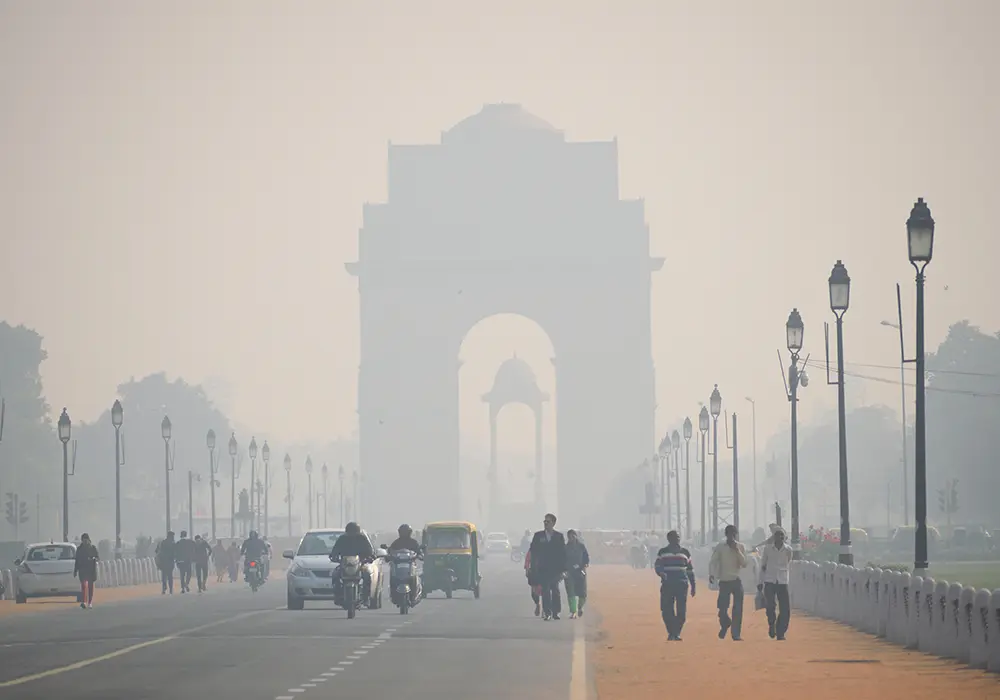
The World Health Organization is currently exerting unprecedented pressure on negotiators at the COP31 climate summit to position public health at the absolute center of global climate action, emphasizing the urgent need to address the rising tide of premature deaths and chronic illnesses linked to environmental degradation. During the inaugural sessions of the summit held in Antalya, Turkey, WHO Director-General Tedros Adhanom Ghebreyesus delivered a poignant address to health ministers, characterizing health as the "human face" of climate change. This sentiment was immediately reinforced by UN Climate Change Executive Secretary Simon Stiell, who described the current environmental trajectory as a global health crisis of pandemic proportions, requiring a response as robust and coordinated as that seen during major biological outbreaks.
The push for a health-centric approach at COP31 marks a significant evolution in international climate diplomacy. For decades, climate change was framed primarily as an environmental or economic issue, centered on carbon tallies and infrastructure transitions. However, the discourse in Antalya has shifted toward the physiological and systemic impacts on human life. Dr. Tedros reminded roundtable participants that air pollution, driven largely by the combustion of fossil fuels, remains one of the world’s most prolific killers, claiming approximately seven million lives annually. This intersection of energy policy and public health has become the focal point for health advocates who argue that the cost of climate inaction is best measured in hospital admissions and mortality rates.
The Invisible Threat: PM2.5 and the Pathology of Air Pollution
Central to the WHO’s argument is the scientific reality of fine particulate matter, known as PM2.5. According to data from the World Bank, these microscopic particles—measuring 2.5 microns or less in diameter—are responsible for more than 90% of global premature deaths caused by air pollution. Their danger lies in their size; they are small enough to bypass the body’s natural defenses, penetrating deep into the lungs and entering the bloodstream. This leads to a cascade of systemic issues, including ischemic heart disease, stroke, chronic obstructive pulmonary disease (COPD), and lung cancer.
The sources of PM2.5 are intrinsically linked to the drivers of global warming: vehicle exhaust, coal-fired power plants, and various industrial processes. In recent years, the problem has been exacerbated by climate-driven feedback loops. Intense wildfires, fueled by prolonged droughts and record-breaking temperatures, have become major contributors to PM2.5 spikes, often thousands of miles away from the blazes themselves. Negotiators in Antalya are being presented with evidence that traditional environmental regulations are no longer sufficient when the climate itself is generating its own pollutants through catastrophic events.
Thermal Extremes: The Rising Toll of Human-Induced Heat
While air pollution represents a chronic threat, extreme heat has emerged as an acute "silent killer" in the climate crisis. The WHO notes that heat stress is not merely a matter of discomfort but a physiological catalyst that worsens pre-existing conditions such as cardiovascular disease, diabetes, asthma, and kidney disease. In 2023, a year that shattered global temperature records, heat-related incidents were linked to 710,000 deaths worldwide.
A critical report from the Lancet Countdown, presented during the summit, highlights a chilling statistic: more than 70% of these heat-related deaths are directly attributable to human-caused climate change. This data provides a direct causal link between industrial emissions and individual mortality, a link that health ministers are using to demand more aggressive adaptation and mitigation strategies. As urban areas continue to grow, the "urban heat island" effect—where concrete and asphalt trap heat—is turning cities into lethal environments for vulnerable populations, including the elderly and those with limited access to cooling.
The Economic Imperative: Investing in a Healthier Climate
Beyond the humanitarian argument, the WHO is presenting a rigorous economic case for integrating health into climate finance. Dr. Tedros has proposed that health should become an explicit eligibility area for climate funding, allowing nations to access resources for healthcare infrastructure that is resilient to climate shocks. A new WHO analysis released during COP31 suggests that prioritizing six specific climate-health actions could save 1.6 million lives annually.
Perhaps more compelling for treasury officials is the return on investment. The WHO analysis indicates that five of these priority actions would return approximately US$24 for every single dollar invested. These actions include the transition to cleaner household fuels to reduce indoor air pollution and the implementation of efficient fossil-fuel pricing models. By reforming subsidies and pricing mechanisms to reflect the true health costs of fossil fuels, governments could generate revenue while simultaneously reducing the burden on public health systems.
Most of the projected lives saved—roughly 1.2 million per year—would stem from reforming fossil-fuel pricing. This shift represents a transition from "downstream" treatment of symptoms to "upstream" prevention of causes. Other recommended measures include the development of sophisticated heat-health warning systems and the fortification of water and sanitation services to withstand extreme weather, preventing the spread of waterborne diseases like cholera following floods.
The 1.5°C Goal and the Reality of 2.8°C Warming
The negotiations in Antalya are occurring against a backdrop of increasing urgency regarding the 2015 Paris Agreement targets. Former U.S. climate envoy John Kerry issued a stark warning to delegates, noting that the goal of limiting global average temperature increases to 1.5°C above pre-industrial levels is rapidly slipping out of reach. Despite global pledges, the world burned more fossil fuels in the last year than in any other year in human history.
Current projections, according to Kerry and other climate experts, suggest the planet is on a trajectory toward 2.8°C of warming. This level of heating would represent a catastrophic threshold for global health systems, likely leading to the collapse of food security in many regions and the expansion of vector-borne diseases into previously temperate zones. The WHO argues that every fraction of a degree of warming avoided translates directly into millions of lives saved, making mitigation not just an environmental necessity but a medical imperative.
Urban Frontlines: The Perspective of C40 Cities
David Miller, managing director of C40 Cities and former mayor of Toronto, reinforced the WHO’s warnings by highlighting the role of municipal governments. Cities are currently on the frontlines of the health crisis, dealing with the immediate consequences of smog, heatwaves, and flooding. Miller emphasized that while adaptation is necessary—cities must "cope" with the realities of destructive wildfires and flooding—the primary focus must remain on prevention.
"Climate is a public health issue, and cities are dealing with the consequences now," Miller stated. He argued that stopping further climate breakdown and reversing the "overshoot" of emissions is the most critical action to prevent a total health system failure. Many cities are already implementing local health-climate initiatives, such as expanding green canopies to reduce heat and transitioning public transit to electric fleets to improve air quality, but Miller stressed that local action requires national and international policy alignment to be truly effective.
Analysis of the COP31 Draft Agreement
As of November 16, health impacts have been successfully integrated into the COP31 draft overall agreement. This inclusion is a significant victory for the WHO and its allies, though the language remains subject to final negotiations. The temporary text addresses both adaptation and resilience, specifically mentioning climate-sensitive diseases such as malaria, dengue, and cholera. It also highlights the risks to maternal health, food and nutrition insecurity, and the physical damage to health facilities during extreme weather events.
Furthermore, the draft mentions the importance of "clean cooking" initiatives to improve indoor air quality, which disproportionately affects women and children in developing nations. The inclusion of "integrated climate and clean-air action" suggests a growing recognition that air quality and carbon emissions are two sides of the same coin. However, the challenge remains in the implementation. Negotiators must still determine how these priorities will be funded and how progress will be monitored across different jurisdictions.
Implications for Global Policy and Future Summits
The shift toward a health-centric climate policy at COP31 has several long-term implications. First, it changes the stakeholders involved in climate action. By framing the issue as a public health emergency, the WHO is bringing medical professionals, hospital administrators, and public health agencies into the fold, creating a broader coalition for change. Second, it shifts the focus of climate finance toward the "human element," potentially unlocking new streams of funding from health-focused philanthropic organizations and international development banks.
The success of the Antalya summit will likely be measured by whether health concerns remain in the final, legally binding text. If health becomes an explicit eligibility area for climate finance, it could revolutionize how developing nations prepare for environmental shocks. Instead of merely building sea walls, nations could invest in decentralizing their oxygen supplies, cooling their clinics, and training their medical workforces to handle climate-specific pathologies.
In conclusion, the proceedings at COP31 underscore a fundamental truth that has been overlooked for too long: the climate crisis is a health crisis. As Dr. Tedros and Simon Stiell have articulated, the "human face" of climate change is one of suffering, but it is also one of potential resilience. By targeting the root causes of climate change—specifically the global reliance on fossil fuels—and investing in robust adaptation measures, the international community has the opportunity to orchestrate the greatest public health intervention in human history. The path forward from Antalya will require not just political will, but a recognition that the health of the planet and the health of its inhabitants are inextricably linked.
